


Comparing Manual and Automated Duct Forming Machines
Introduction
In the realm of HVAC systems, duct forming machines play a crucial role in shaping and assembling ductwork for efficient air distribution. While manual duct forming machines have long been the mainstay of the industry, automated duct forming machines are gaining traction due to their impressive capabilities. This article aims to delve into the intricacies of comparing manual and automated duct forming machines, highlighting their strengths and weaknesses to assist readers in making informed decisions based on their specific requirements.
Accuracy and Precision
Manual Duct Forming Machines
Manual duct forming machines rely on skilled operators to manually measure, cut, and bend ductwork. While experienced operators can achieve commendable accuracy, human error remains an inherent factor, leading to potential variations in dimensions and shapes.
Automated Duct Forming Machines
Automated duct forming machines utilize computerized numerical control (CNC) systems, eliminating human error and ensuring exceptional accuracy and precision. CNC machines precisely cut and bend ductwork based on pre-programmed parameters, resulting in consistent and repeatable results.
Production Efficiency and Speed
Manual Duct Forming Machines
Manual duct forming is a time-consuming process, as operators must manually perform each step of the fabrication process. This can result in lower production rates, especially for large or complex ductwork projects.
Automated Duct Forming Machines
Automated duct forming machines boast significantly higher production efficiency and speed. CNC machines can operate continuously, cutting and bending ductwork simultaneously, minimizing downtime and maximizing output.
Labor Requirements and Skill Level
Manual Duct Forming Machines
Manual duct forming requires experienced and skilled operators to produce high-quality ductwork. Training and proficiency development take time and effort, contributing to labor costs and potential shortages of skilled workers.
Automated Duct Forming Machines
Automated duct forming machines significantly reduce the need for highly skilled labor. They can be operated by technicians with basic training, freeing up skilled workers for more complex tasks. This optimization can result in cost savings and improved productivity.
Flexibility and Customization
Manual Duct Forming Machines
Manual duct forming machines offer greater flexibility in terms of customization. Operators can create ductwork in various shapes and sizes to accommodate unique design requirements. This flexibility is particularly advantageous for small-scale or specialized projects.
Automated Duct Forming Machines
Automated duct forming machines excel in high-volume production runs with standardized ductwork geometries. Their capabilities may be limited in terms of customization, as they are programmed to produce specific shapes and sizes.
Cost Considerations
Manual Duct Forming Machines
Manual duct forming machines are typically more affordable to purchase and maintain compared to automated duct forming machines. However, their lower production efficiency and higher labor costs can offset these savings over time.
Automated Duct Forming Machines
Automated duct forming machines have a higher initial cost but can provide significant long-term cost savings due to increased production efficiency and reduced labor requirements. Their ability to reduce operating expenses makes them a viable investment for high-volume production environments.
Conclusion
The choice between manual and automated duct forming machines depends on the specific requirements of the project and the production environment. Manual duct forming machines offer flexibility and customization but may be limited in terms of speed and accuracy. Automated duct forming machines excel in high-volume production, providing exceptional precision, efficiency, and labor cost savings. Understanding the strengths and weaknesses of each option empowers decision-makers to select the most suitable solution for their needs, ensuring optimal ductwork fabrication performance and cost-effectiveness.
-
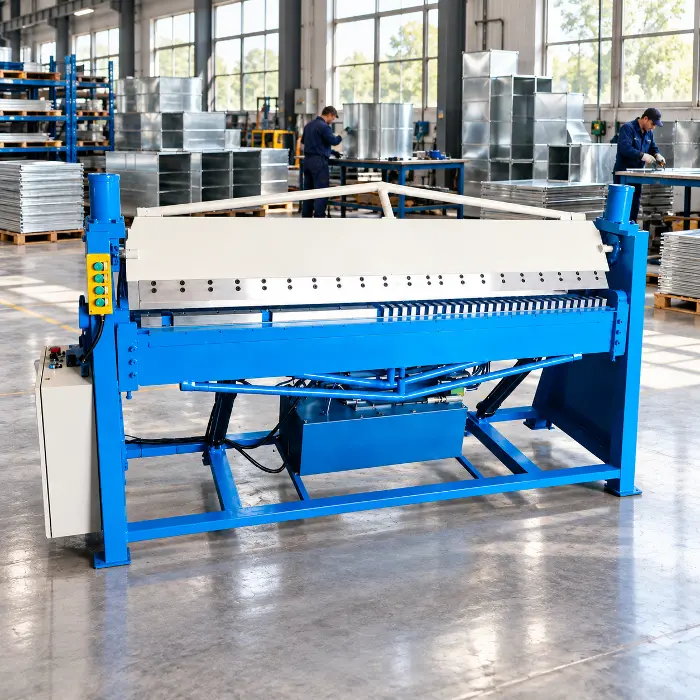
Choosing HVAC Duct Folding Machines for Flange-Safe Bending
2026/10/13 -
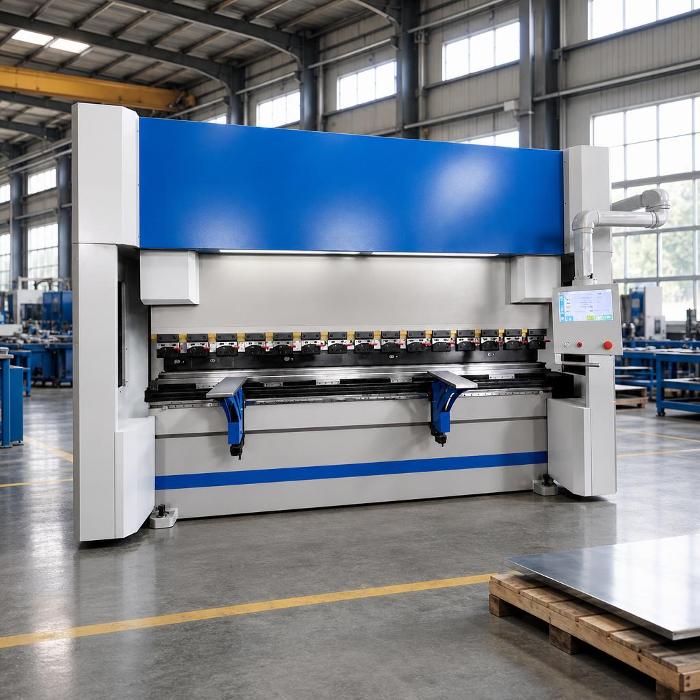
Precision Metal Forming Machines: What Separates Accurate Bends From Scrapped Sheet
2026/10/12 -
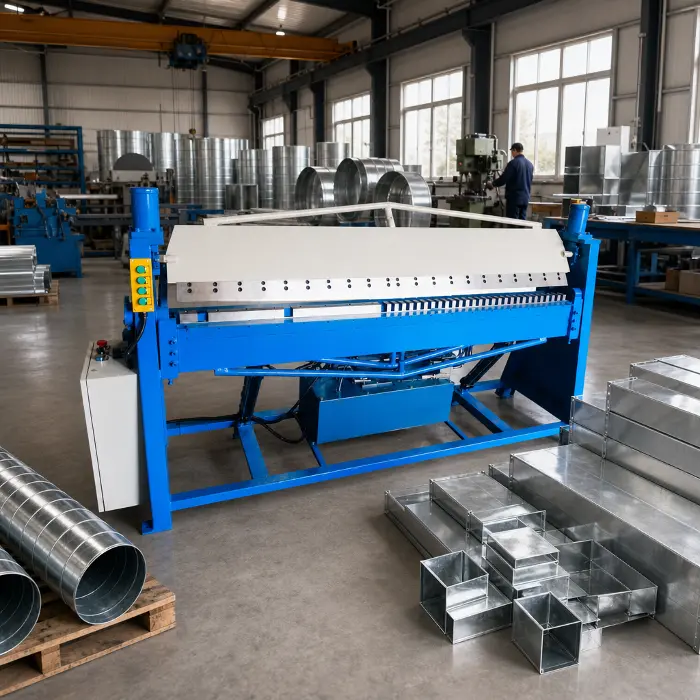
What to Look for in an HVAC Folding Machine Manufacturer
2026/10/11 -
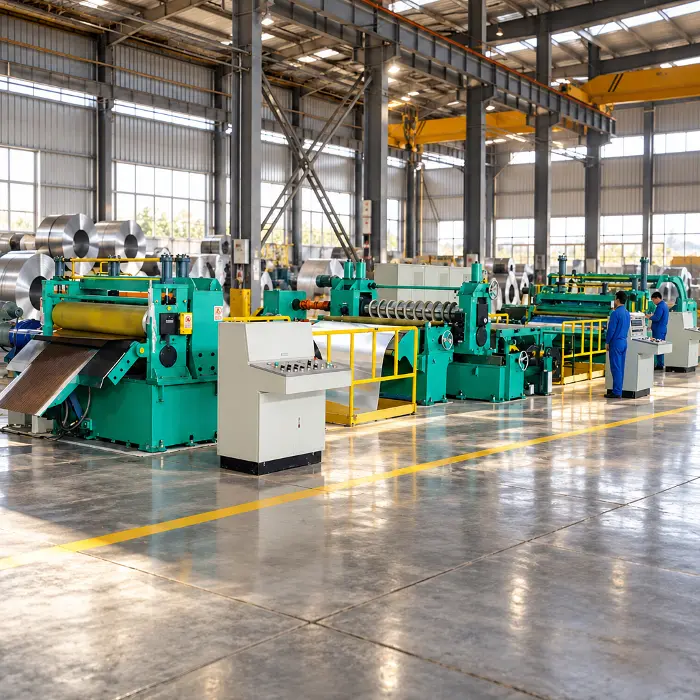
Steel Strip Cutting Machine: Engineering Precision in Modern Metal Processing
2026/10/10
-
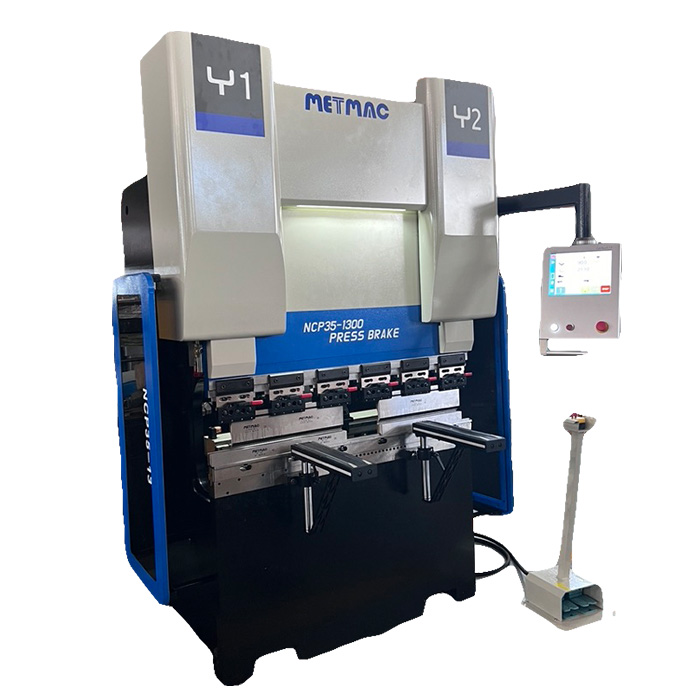
Sheet Metal Press Brake: Ultimate Guide to Precision Bending Technology in 2024
2026/03/13 -
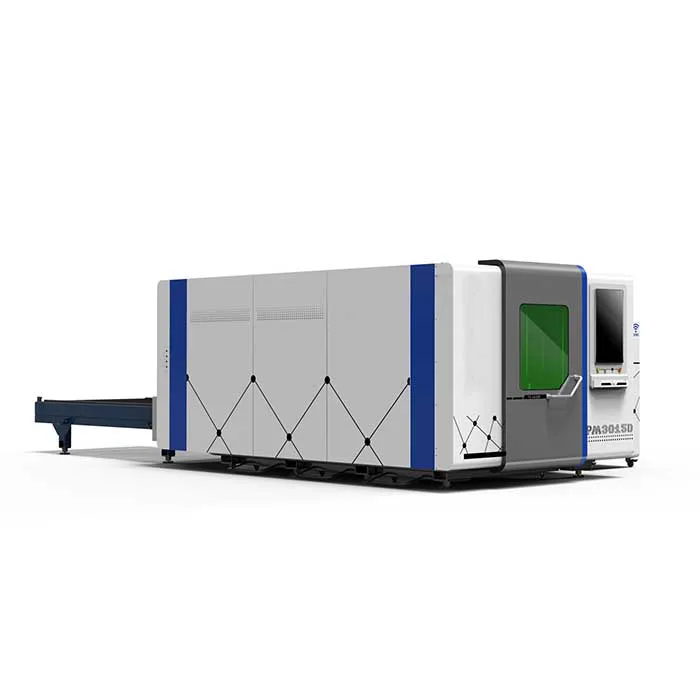
Metal Punching Machine: Ultimate Guide to Precision Manufacturing in 2024
2026/03/11 -
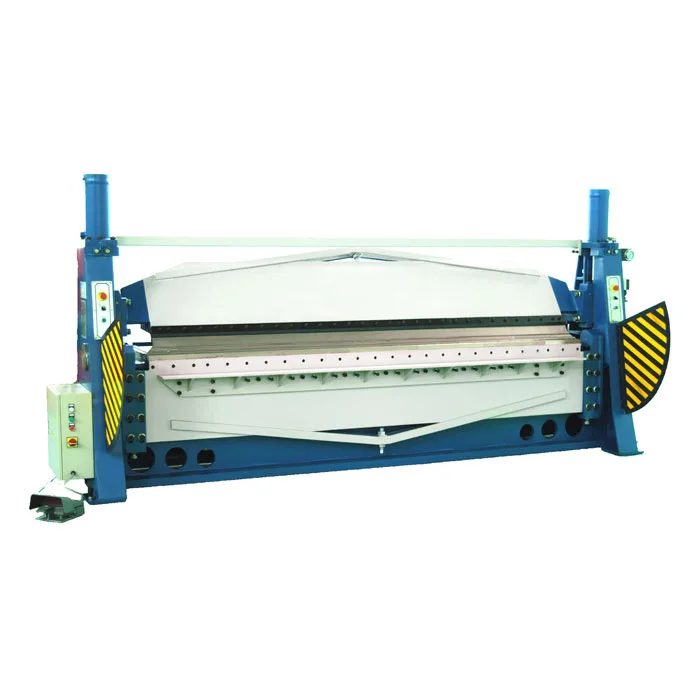
Metal Folding Machine: Comprehensive Guide to Precision Bending in 2024
2026/03/09 -
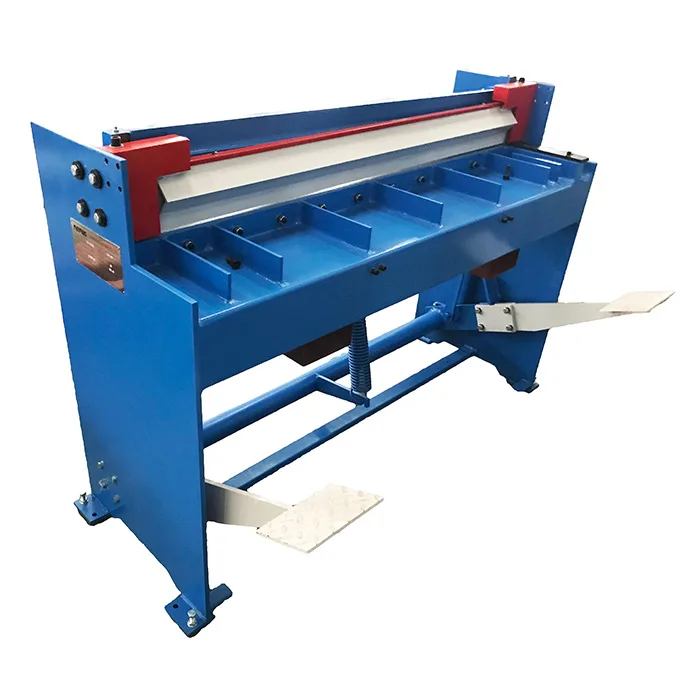
Sheet Metal Equipment: Ultimate Guide to Industrial Fabrication Solutions in 2026
2026/03/06
-
Integrating Automation with Rectangular Duct Machines for Enhanced Productivity
2024/05/11 -
Metal Shear Machines- Essential Tools for Precision Metal Cutting
2024/05/11 -
Understanding the Role and Function of Steel Strip Slitting Machines
2024/05/11 -
Maintenance Tips for Longevity of HVAC Duct Machines
2024/05/11
-
A Guide to the Latest Innovations in Sheet Metal Folding Machines
2024/11/29 -
Key Features to Consider When Investing in a Sheet Metal Folding Machine
2024/11/28 -
Enhancing Precision with Advanced Sheet Metal Folding Machines
2024/11/27 -
How to Choose the Right Sheet Metal Folding Machine for Your Workshop
2024/11/26
