

Comparing Hydraulic and Mechanical Plate Benders- Which is Best for You?
When it comes to plate bending, there are two main types of machines you can choose from: hydraulic plate benders and mechanical plate benders. Each type has its own unique advantages and disadvantages, so it’s important to understand the differences before making a decision.
Hydraulic Plate Benders
Hydraulic plate benders use hydraulic pressure to bend metal plates. This type of bender is typically more expensive than a mechanical bender, but it offers several advantages.
– Accuracy: Hydraulic plate benders are very accurate, and they can produce bends that are consistent with the desired specifications.
– Power: Hydraulic plate benders are very powerful, and they can bend thick metal plates.
– Versatility: Hydraulic plate benders can be used to bend a variety of shapes, including angles, channels, and beams.
Mechanical Plate Benders
Mechanical plate benders use a mechanical force to bend metal plates. This type of bender is typically less expensive than a hydraulic bender, but it also has some disadvantages.
– Accuracy: Mechanical plate benders are not as accurate as hydraulic benders, and they can produce bends that are slightly off the desired specifications.
– Power: Mechanical plate benders are not as powerful as hydraulic benders, and they cannot bend thick metal plates.
– Versatility: Mechanical plate benders can only be used to bend simple shapes, such as angles and channels.
Which Type of Plate Bender is Right for You?
The best type of plate bender for you will depend on your specific needs. If you need a machine that is accurate, powerful, and versatile, then a hydraulic plate bender is a good choice. If you need a machine that is inexpensive and easy to use, then a mechanical plate bender is a good choice.
Here is a table that summarizes the key differences between hydraulic and mechanical plate benders:
| Feature | Hydraulic Plate Bender | Mechanical Plate Bender |
|—|—|—|
| Accuracy | High | Low |
| Power | High | Low |
| Versatility | High | Low |
| Cost | High | Low |
Conclusion
Hydraulic and mechanical plate benders are both capable of producing high-quality bends. However, each type of bender has its own unique advantages and disadvantages. By understanding the differences between the two types of benders, you can make the best decision for your specific needs.
-
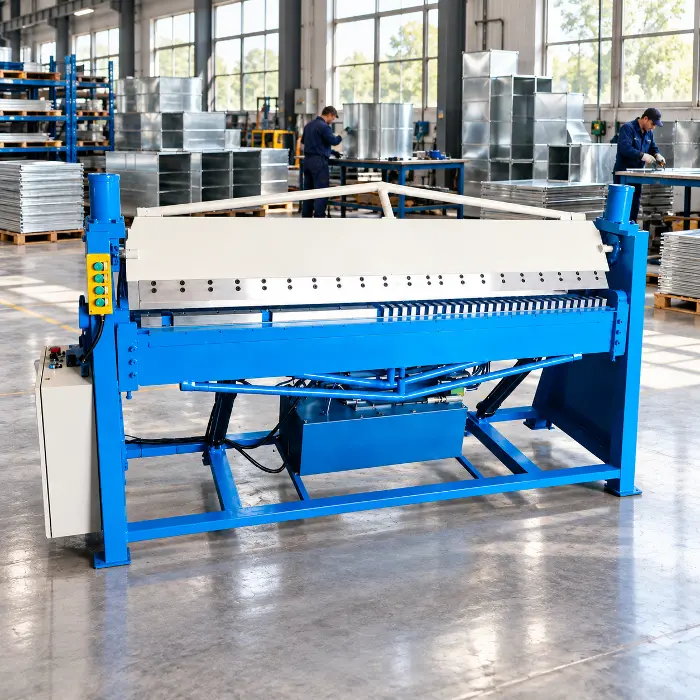
Choosing HVAC Duct Folding Machines for Flange-Safe Bending
2026/10/13 -
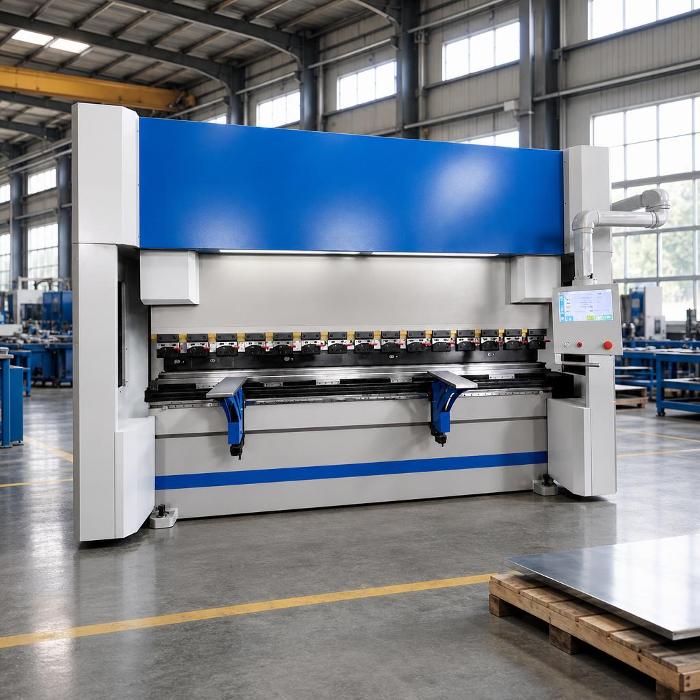
Precision Metal Forming Machines: What Separates Accurate Bends From Scrapped Sheet
2026/10/12 -
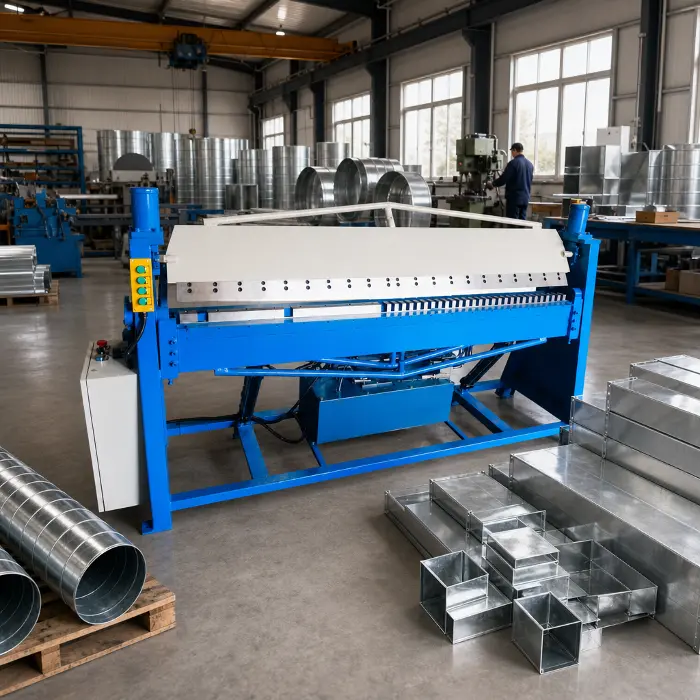
What to Look for in an HVAC Folding Machine Manufacturer
2026/10/11 -
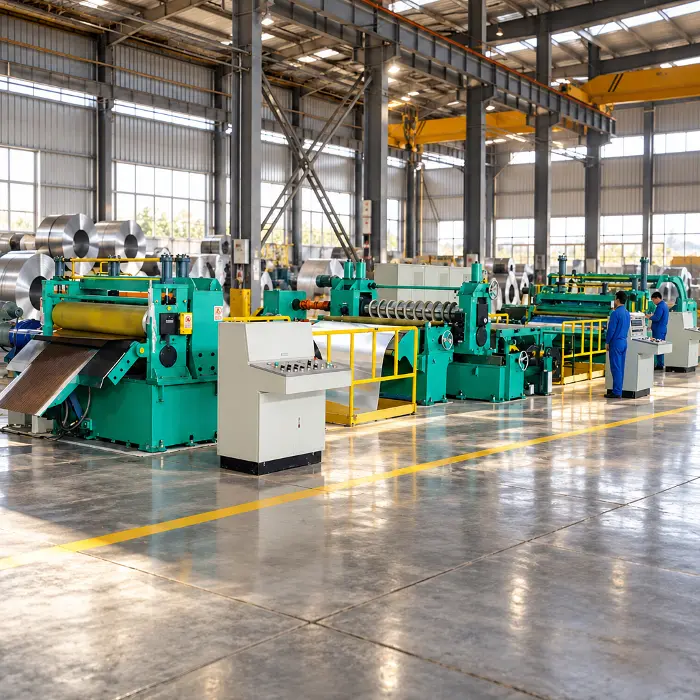
Steel Strip Cutting Machine: Engineering Precision in Modern Metal Processing
2026/10/10
-
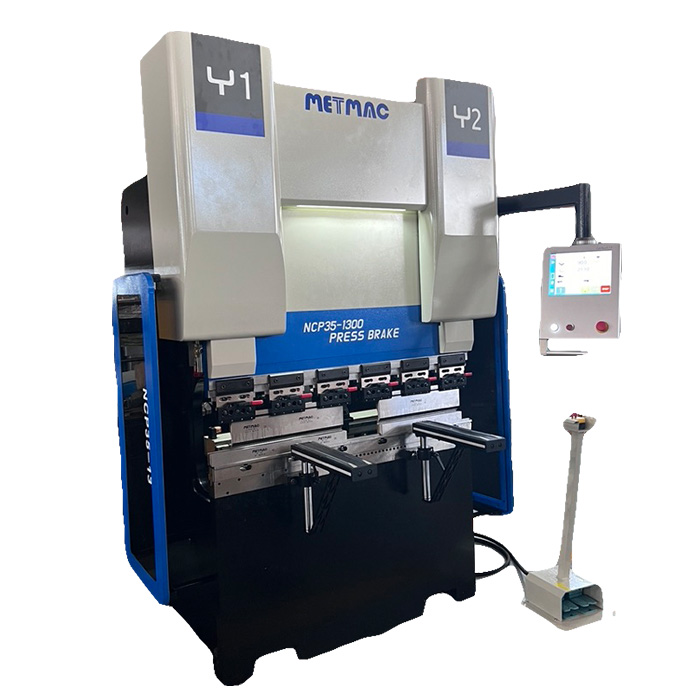
Sheet Metal Press Brake: Ultimate Guide to Precision Bending Technology in 2024
2026/03/13 -
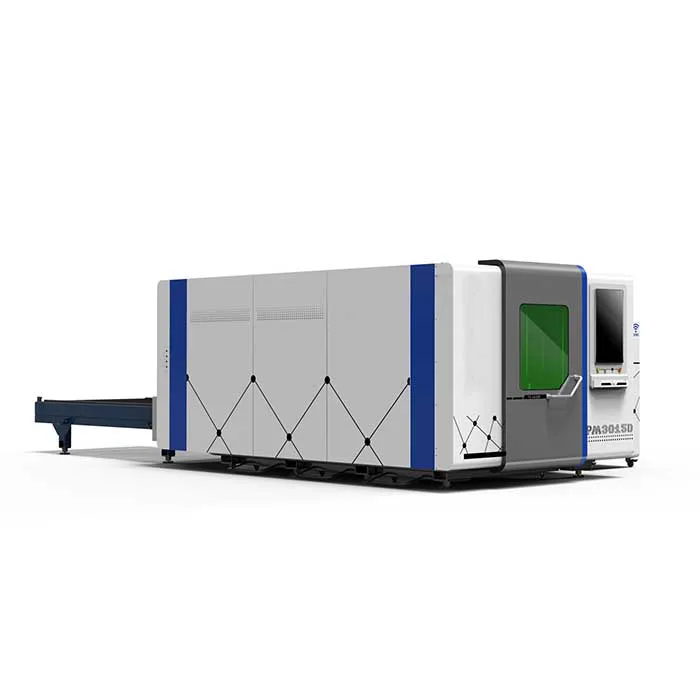
Metal Punching Machine: Ultimate Guide to Precision Manufacturing in 2024
2026/03/11 -
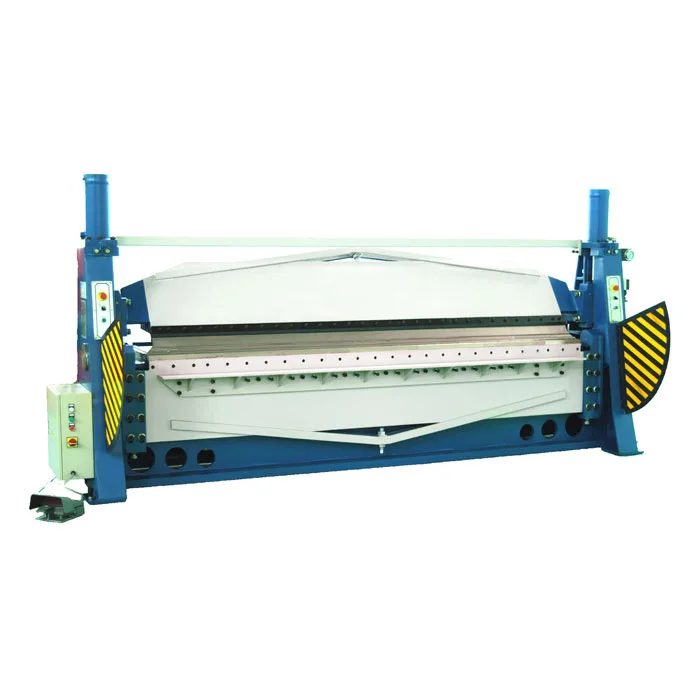
Metal Folding Machine: Comprehensive Guide to Precision Bending in 2024
2026/03/09 -
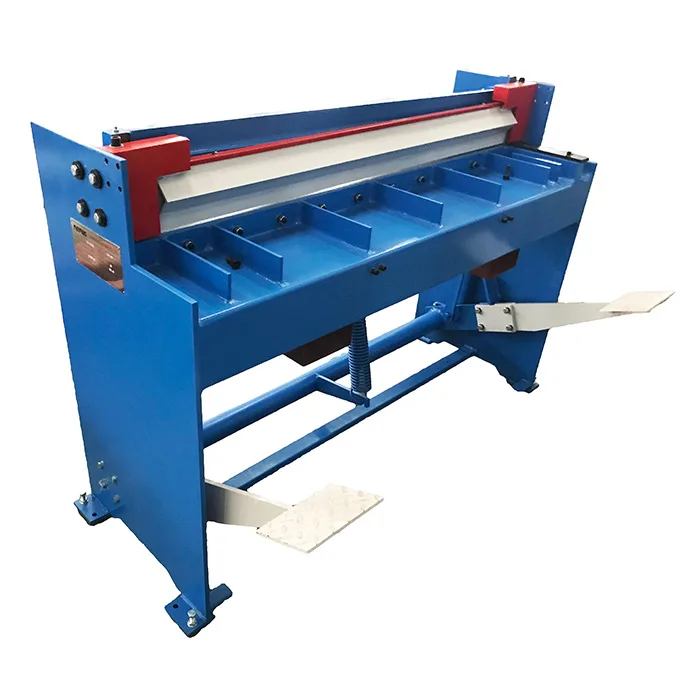
Sheet Metal Equipment: Ultimate Guide to Industrial Fabrication Solutions in 2026
2026/03/06
-
A Guide to the Latest Innovations in Sheet Metal Folding Machines
2024/11/29 -
Key Features to Consider When Investing in a Sheet Metal Folding Machine
2024/11/28 -
Enhancing Precision with Advanced Sheet Metal Folding Machines
2024/11/27 -
How to Choose the Right Sheet Metal Folding Machine for Your Workshop
2024/11/26
