

Comparing Hydraulic and Mechanical Metal Bending Machines
Comparing Hydraulic and Mechanical Metal Bending Machines: A Clash of Titans
In the realm of metal fabrication, two formidable forces collide: hydraulic and mechanical bending machines. Each wields its own unique strengths and limitations, shaping the destiny of countless metal components. As we delve into their comparison, let us prepare for an epic battle of power, precision, and efficiency.
Hydraulic Machines: A Surge of Brute Force
Hydraulic bending machines harness the immense power of hydraulics. Powered by a hydraulic pump, they generate immense pressure that courses through a series of cylinders and pistons. This relentless force allows hydraulic machines to bend even the most stubborn metals, handling colossal loads with ease. However, their size and complexity can limit maneuverability and accessibility in confined spaces.
Mechanical Machines: Precision with Unwavering Grip
Mechanical bending machines rely on the principles of leverage and torque. They employ a series of gears, shafts, and linkages to transfer motion and amplify force. Mechanical machines offer exceptional precision, as their gear ratios dictate the exact angle of bend. They excel in repetitive tasks and can be designed for intricate bending profiles. However, their capacity is often limited compared to hydraulic machines.
Agility vs. Power: A Balancing Act
Hydraulic machines reign supreme in applications requiring raw power and the ability to handle heavy materials. Their larger size and robust construction make them ideal for heavy-duty industries such as shipbuilding and construction. Mechanical machines, on the other hand, shine in environments where space is tight and precision is paramount. Their compact design and agile operation make them suitable for smaller workshops and intricate bending jobs.
Efficiency and Cost Considerations
Hydraulic machines generally require more energy to operate than mechanical machines. However, their superior power and capacity often offset this cost by enabling faster production rates. Mechanical machines, while more energy-efficient, may have higher upfront costs due to their precision components and complex design.
Conclusion: The Right Tool for the Job
The choice between hydraulic and mechanical bending machines is not an easy one. It depends on the specific requirements of the application. For heavy-duty operations demanding brute force and high capacity, hydraulic machines are an undisputed powerhouse. For applications where precision, maneuverability, and energy efficiency are crucial, mechanical machines excel. Ultimately, the best choice lies in carefully assessing the unique needs of the project and selecting the machine that can deliver the desired results with optimal efficiency and precision. And as the battle rages on, the metallic echo of these bending titans will continue to shape the future of metal fabrication.
-
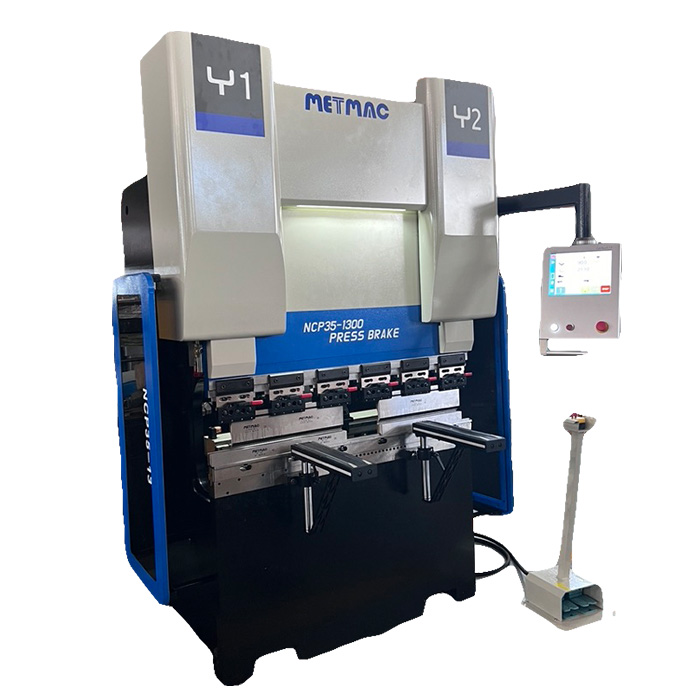
Press Metal Machine: The Definitive Guide to Precision Metal Forming
2026/03/12 -
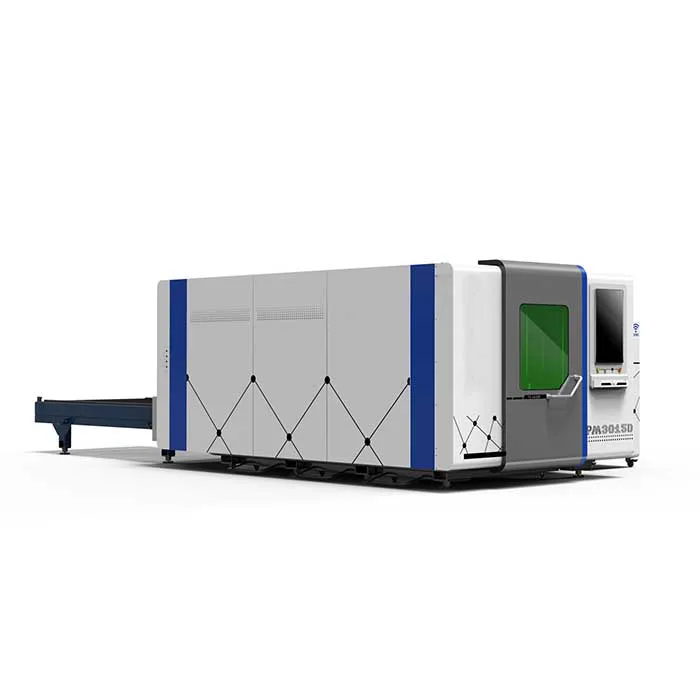
Metal Punching Machine: The Ultimate Guide to Precision Hole Punching
2026/03/10 -
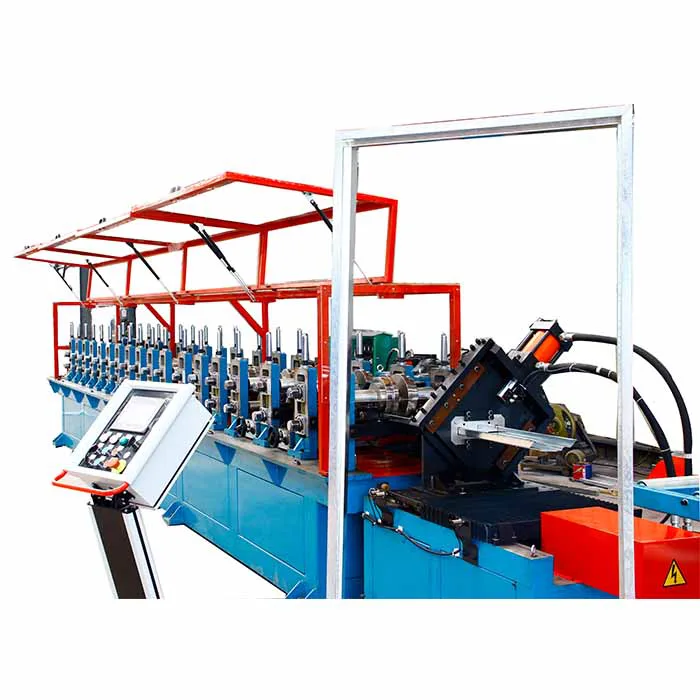
Sheet Metal Machinery: The Ultimate Guide to Industrial Fabrication Excellence
2026/03/04 -
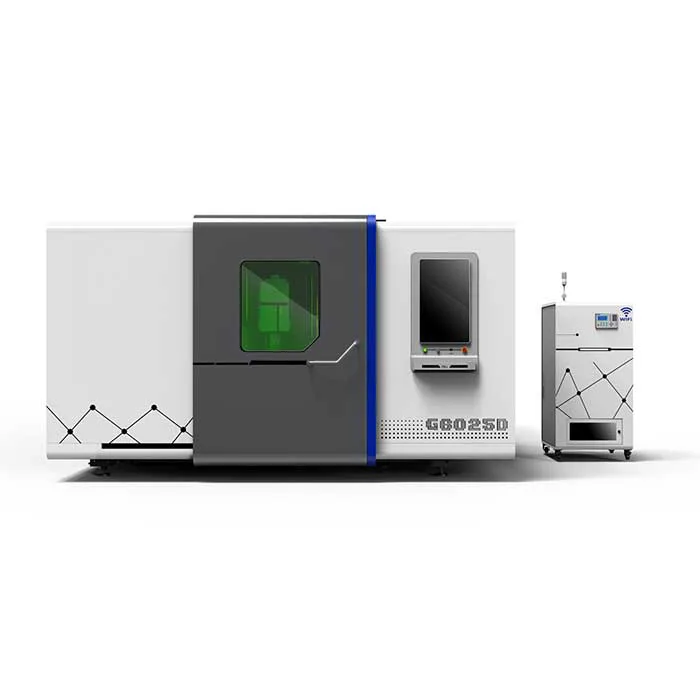
Iron Sheet Laser Cutting Machine: Unmatched Precision for Demanding Fabrication with METMAC
2026/01/06
-
Sheet Metal Press Brake: Ultimate Guide to Precision Bending Technology in 2024
2026/03/13 -
Metal Punching Machine: Ultimate Guide to Precision Manufacturing in 2024
2026/03/11 -
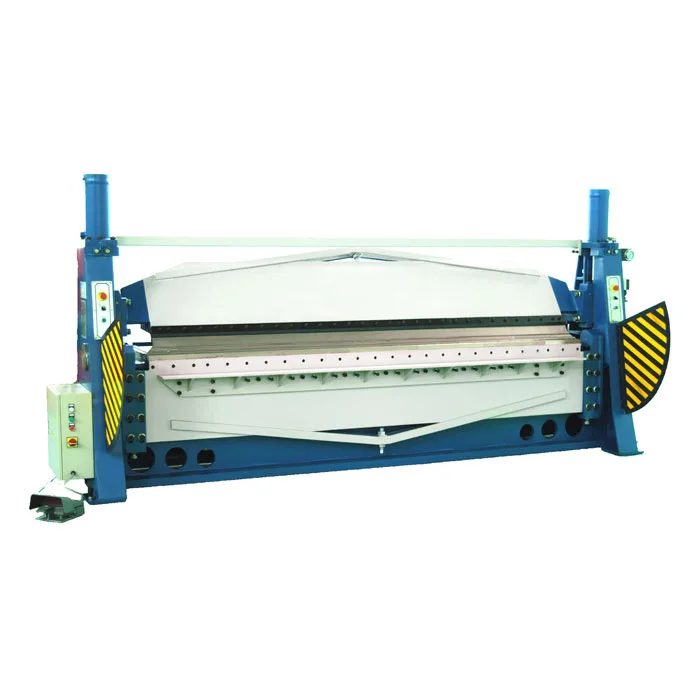
Metal Folding Machine: Comprehensive Guide to Precision Bending in 2024
2026/03/09 -
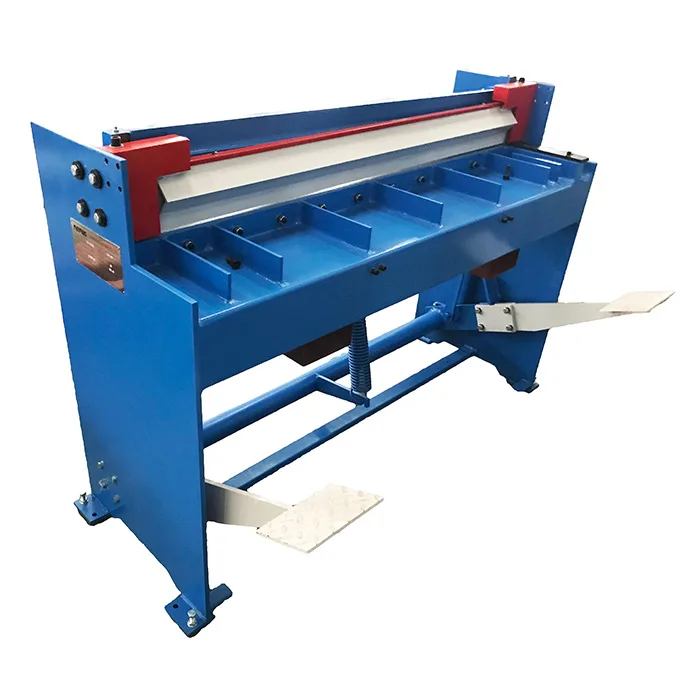
Sheet Metal Equipment: Ultimate Guide to Industrial Fabrication Solutions in 2026
2026/03/06
-
A Guide to the Latest Innovations in Sheet Metal Folding Machines
2024/11/29 -
Key Features to Consider When Investing in a Sheet Metal Folding Machine
2024/11/28 -
Enhancing Precision with Advanced Sheet Metal Folding Machines
2024/11/27 -
How to Choose the Right Sheet Metal Folding Machine for Your Workshop
2024/11/26
