

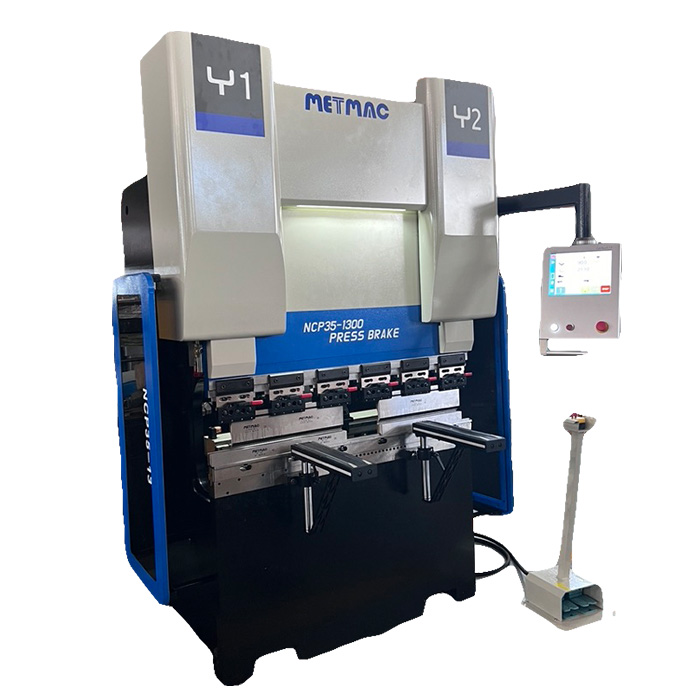
Comparing Hydraulic and Electric Press Brakes- Which is Better?
Press brakes are essential machines in the metalworking industry, used to bend and shape sheet metal into desired forms. Two main types of press brakes are hydraulic press brakes and electric press brakes. Each type has its unique advantages and disadvantages, and the choice between the two depends on the specific application and requirements. This article provides a comprehensive comparison of hydraulic and electric press brakes, highlighting their key differences and guiding readers to make informed decisions.
Power Source and Operation
Hydraulic Press Brakes
Hydraulic press brakes utilize hydraulic cylinders to generate the force required for bending. Hydraulic fluid is pumped into the cylinders, which extend and push a ram down against the workpiece, applying force to bend the metal. Hydraulic press brakes are typically larger and more powerful than electric press brakes and are suitable for heavy-duty applications.
Electric Press Brakes
Electric press brakes, on the other hand, use electric motors to drive a ball screw or rack and pinion mechanism that moves the ram down. They offer precise control over the bending process and are generally more energy-efficient than hydraulic press brakes. Electric press brakes are well-suited for lighter-duty applications and where precision and speed are critical.
Energy Consumption and Efficiency
Hydraulic Press Brakes
Hydraulic press brakes are known for their higher energy consumption compared to electric press brakes. The hydraulic system requires a pump to circulate the fluid, which consumes a significant amount of energy. Additionally, hydraulic systems are prone to leaks and inefficiencies, further reducing their energy efficiency.
Electric Press Brakes
Electric press brakes offer superior energy efficiency due to the use of electric motors. Motors are more efficient in converting electrical energy into mechanical energy, and they do not require a pump or hydraulic fluid. This results in lower operating costs and reduced environmental impact over time.
Precision and Control
Hydraulic Press Brakes
Hydraulic press brakes provide good precision, but they are not as precise as electric press brakes. The hydraulic system introduces some flexibility and compressibility, which can affect the accuracy of the bending process. Hydraulic press brakes are better suited for applications where high precision is not critical.
Electric Press Brakes
Electric press brakes offer excellent precision and control due to the use of electric motors and ball screws or rack and pinion mechanisms. These mechanisms provide precise positioning and control over the ram movement, resulting in consistent and accurate bends. Electric press brakes are ideal for applications requiring high-quality and repetitive bending operations.
Maintenance and Reliability
Hydraulic Press Brakes
Hydraulic press brakes require more maintenance than electric press brakes. The hydraulic system requires regular maintenance, including fluid changes, filter replacements, and seal inspections. Additionally, hydraulic systems are more susceptible to leaks and failures, which can lead to downtime and costly repairs.
Electric Press Brakes
Electric press brakes typically require less maintenance than hydraulic press brakes. Electric motors and mechanical components are more reliable and durable, reducing the need for frequent maintenance. Electric press brakes are generally more reliable and have a longer lifespan.
Cost and Investment
Hydraulic Press Brakes
Hydraulic press brakes are generally less expensive to purchase and maintain than electric press brakes. They are a cost-effective option for applications where precision and energy efficiency are not critical considerations.
Electric Press Brakes
Electric press brakes have a higher initial investment cost but offer lower operating costs and increased efficiency over time. They are a better investment for applications requiring high precision, reliability, and energy savings.
Conclusion
The choice between hydraulic and electric press brakes depends on the specific application requirements and budget constraints. Hydraulic press brakes are suitable for heavy-duty applications where precision is not critical and cost is a primary concern. Electric press brakes excel in applications demanding high precision, energy efficiency, and reliability. They are a better investment for long-term operations where these factors are crucial. By carefully considering the differences highlighted in this article, manufacturers can make informed decisions and select the optimal press brake for their specific needs.
-
Press Metal Machine: The Definitive Guide to Precision Metal Forming
2026/03/12 -
Metal Punching Machine: The Ultimate Guide to Precision Hole Punching
2026/03/10 -
Sheet Metal Machinery: The Ultimate Guide to Industrial Fabrication Excellence
2026/03/04 -
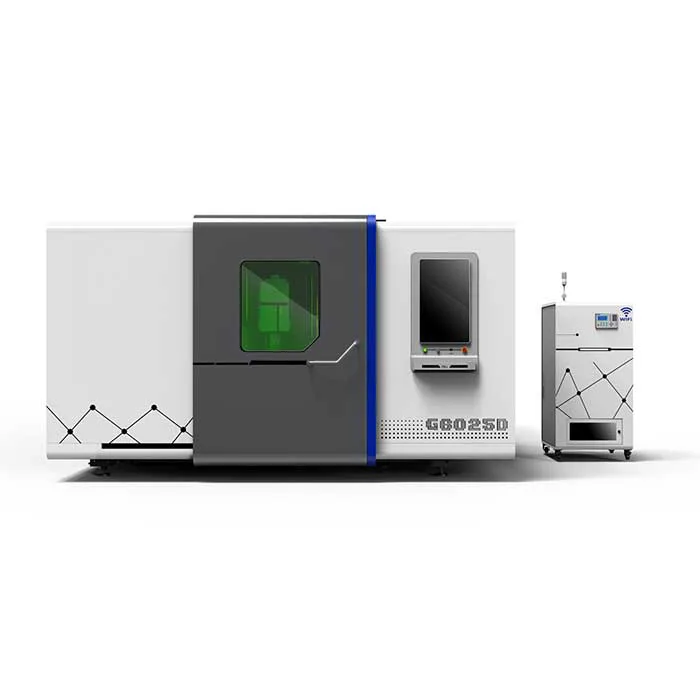
Iron Sheet Laser Cutting Machine: Unmatched Precision for Demanding Fabrication with METMAC
2026/01/06
-
Sheet Metal Press Brake: Ultimate Guide to Precision Bending Technology in 2024
2026/03/13 -
Metal Punching Machine: Ultimate Guide to Precision Manufacturing in 2024
2026/03/11 -
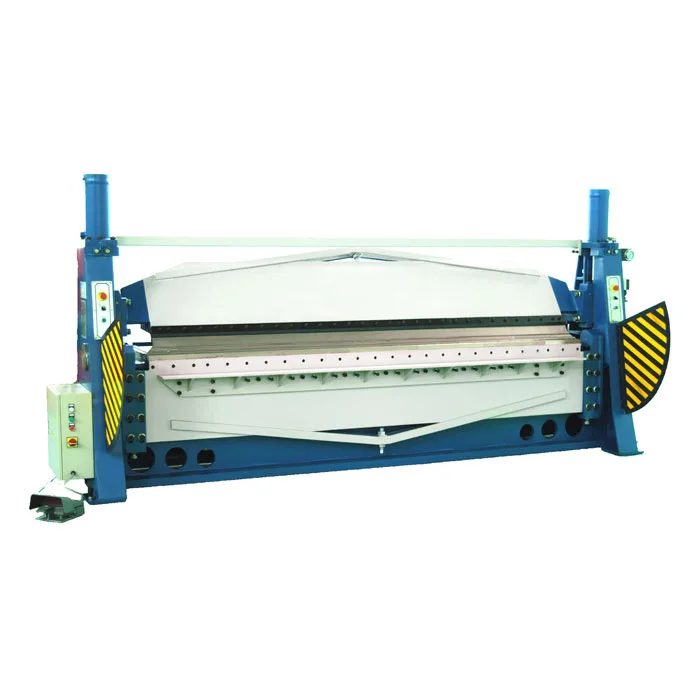
Metal Folding Machine: Comprehensive Guide to Precision Bending in 2024
2026/03/09 -
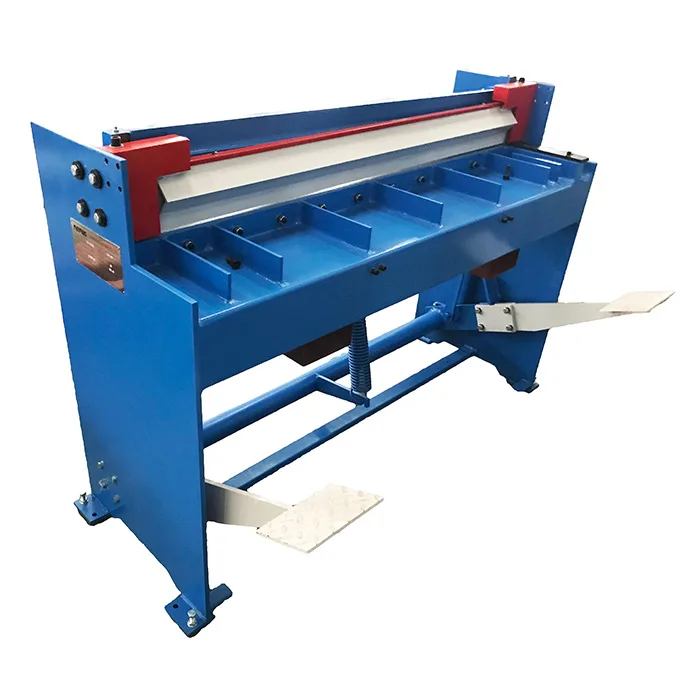
Sheet Metal Equipment: Ultimate Guide to Industrial Fabrication Solutions in 2026
2026/03/06
-
A Guide to the Latest Innovations in Sheet Metal Folding Machines
2024/11/29 -
Key Features to Consider When Investing in a Sheet Metal Folding Machine
2024/11/28 -
Enhancing Precision with Advanced Sheet Metal Folding Machines
2024/11/27 -
How to Choose the Right Sheet Metal Folding Machine for Your Workshop
2024/11/26
