

Comparing Different Types of Metal Punching Machines
Comparing Different Types of Metal Punching Machines: A Guide for Selective Buyers
In the realm of metalworking, the precision and efficiency of cutting and shaping metal sheets are paramount. Metal punching machines, with their ability to create intricate holes and shapes, play a vital role in this arena. Understanding the nuances of different types of punching machines empowers you to make an informed decision, optimizing your production process and maximizing your investment.
Hydraulic vs. Electric Punching Machines
Hydraulic punching machines rely on hydraulic power to drive the punch, providing immense force and pressure. They excel in demanding applications where thick materials or complex hole patterns require high tonnage capacity. Electric punching machines, on the other hand, harness electrical motors to generate their punching force. They offer faster cycle speeds and lower energy consumption, making them ideal for high-volume production environments.
Turret vs. CNC Punching Machines
Turret punching machines feature a rotating turret that holds multiple punches and dies, enabling quick tool changes. They are versatile and cost-effective for small to medium production runs with limited part variety. CNC punching machines, equipped with computer numerical control, provide exceptional precision and flexibility. They can follow complex cutting paths, handle a wide range of materials, and integrate with automation systems for increased efficiency.
Shearing vs. Rotary vs. Nibbling
Shearing punch machines use a reciprocating shear blade to cut sheet metal, producing burr-free edges. Rotary punch machines employ a rotating punch and die to create round holes, offering high-speed operation and smooth hole surfaces. Nibbling punch machines are designed for intricate cutting operations, using a series of small, overlapping punches to eliminate burrs and minimize material deformation.
Servo vs. Cam-Driven Punch Machines
Servo-driven punching machines utilize servo motors to control the punching force and position, ensuring exceptional accuracy and repeatability. They are ideal for precise hole placement and intricate contours. Cam-driven punching machines use camshafts to generate the punching motion, offering reliability and cost-effectiveness for high-volume production.
Conclusion
Choosing the optimal metal punching machine requires careful consideration of your specific production needs. By understanding the key differences between hydraulic vs. electric, turret vs. CNC, shearing vs. rotary vs. nibbling, and servo vs. cam-driven machines, you can select the equipment that will deliver the desired performance, efficiency, and value. By embracing these insights, you can empower your metalworking capabilities and drive your business towards greater success.
-
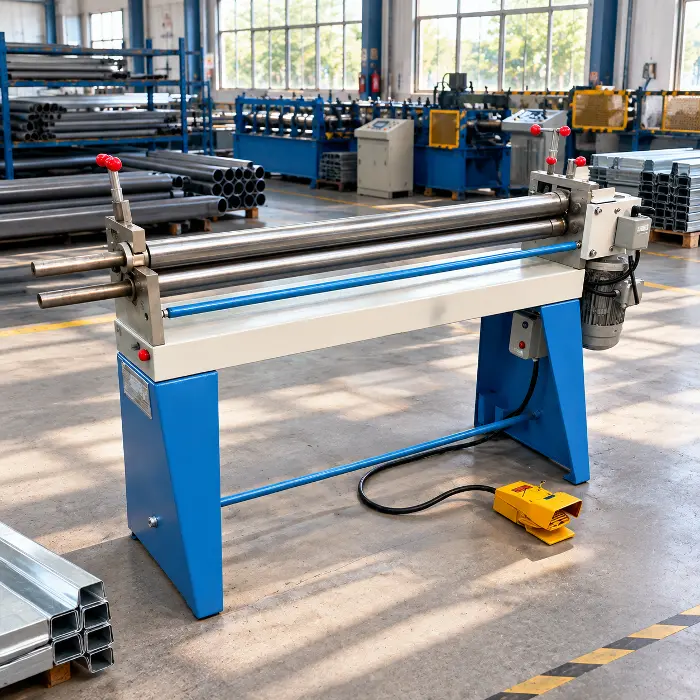
Roll Forming Machines: How Sheet Metal Becomes Structural Shapes
2026/10/08 -
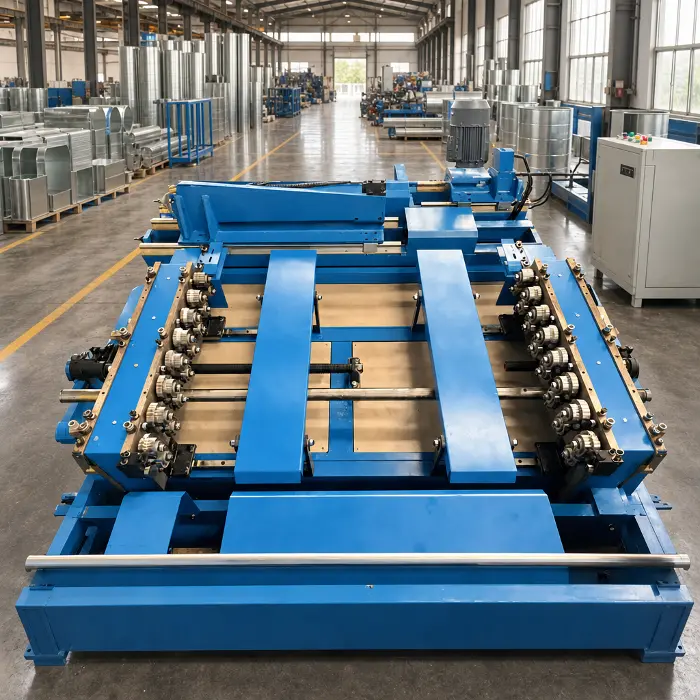
Duct Making Machines for High-Output Rectangular Duct Fabrication
2026/10/08 -
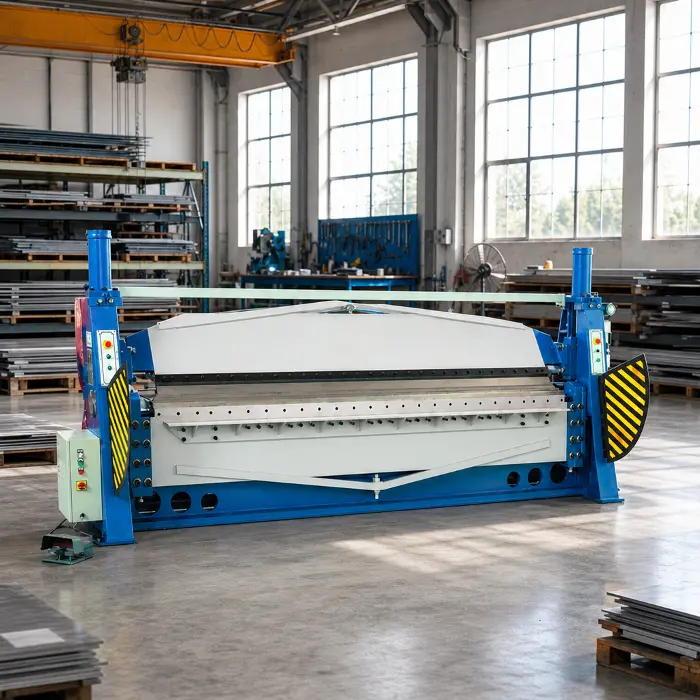
Sheet Metal Machine Selection for Precise Bending and Folding
2026/10/08 -
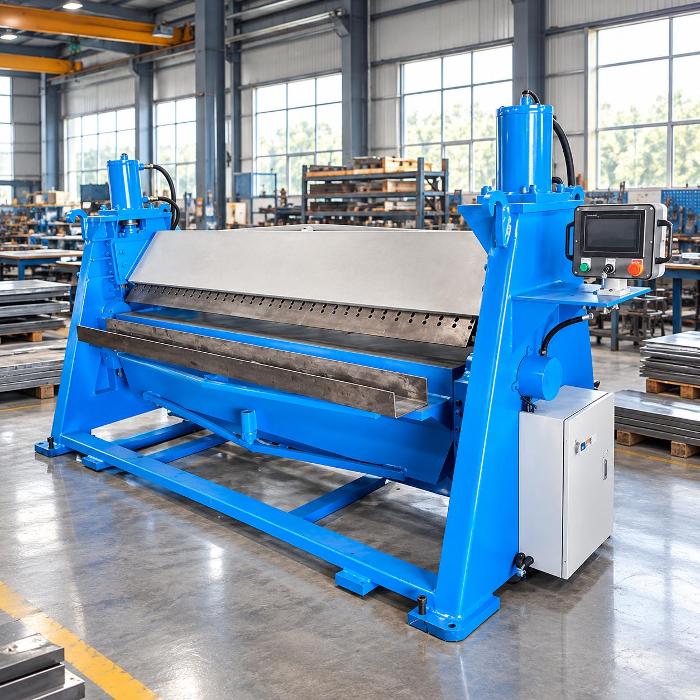
Metalworking Equipment: Choosing the Right Machinery for Modern Fabrication
2026/10/08
-
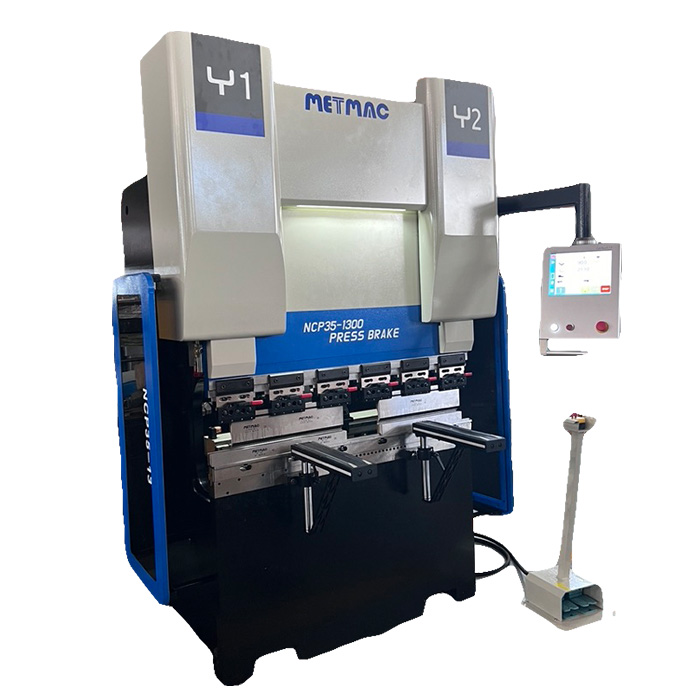
Sheet Metal Press Brake: Ultimate Guide to Precision Bending Technology in 2024
2026/03/13 -
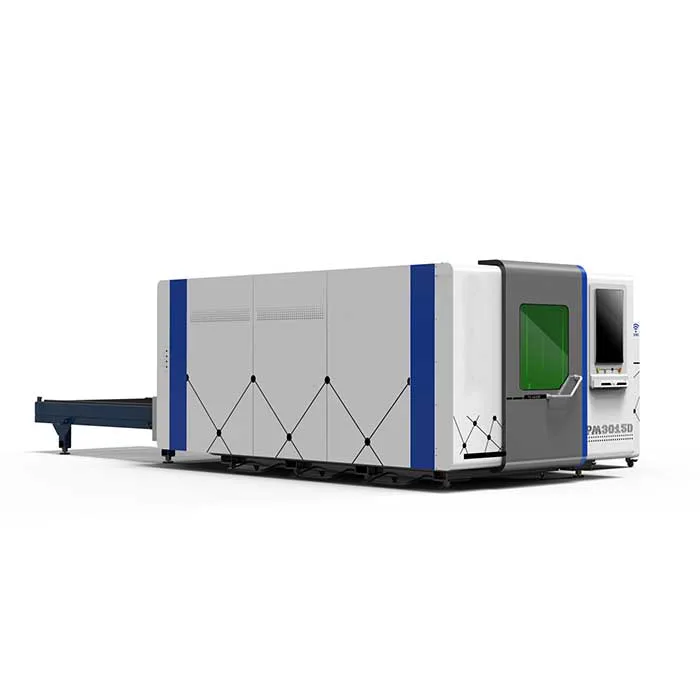
Metal Punching Machine: Ultimate Guide to Precision Manufacturing in 2024
2026/03/11 -
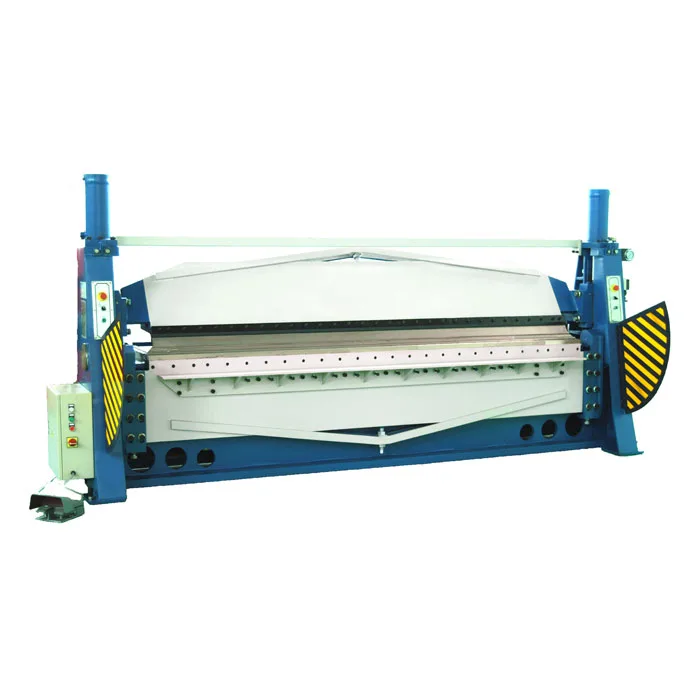
Metal Folding Machine: Comprehensive Guide to Precision Bending in 2024
2026/03/09 -
Sheet Metal Equipment: Ultimate Guide to Industrial Fabrication Solutions in 2026
2026/03/06
-
A Guide to the Latest Innovations in Sheet Metal Folding Machines
2024/11/29 -
Key Features to Consider When Investing in a Sheet Metal Folding Machine
2024/11/28 -
Enhancing Precision with Advanced Sheet Metal Folding Machines
2024/11/27 -
How to Choose the Right Sheet Metal Folding Machine for Your Workshop
2024/11/26
