

Comparing Different Types of Metal Punching Machines
Metal punching machines are essential tools for sheet metal fabrication, allowing manufacturers to create precise holes, cutouts, and other shapes in metal sheets. With various types of punching machines available, selecting the right one for specific needs is crucial. This article explores different types of metal punching machines, comparing their features, advantages, and applications.
Turret Punching Machines
Turret punching machines are versatile machines that use a rotating turret with multiple punches and dies to create holes and shapes. They offer:
Versatility: Can handle various shapes and sizes
High speed and accuracy: Fast and precise punching
Automation: Automated operation for increased efficiency
Laser Punching Machines
Laser punching machines use a high-powered laser to cut and perforate metal sheets. They provide:
Precision and Intricacy: Can create complex shapes with high accuracy
Non-contact cutting: No tool wear or deformation
Heat-affected zone control: Minimal heat distortion
Hydraulic Punching Machines
Hydraulic punching machines employ hydraulic pressure to power a punch and die for hole creation. They offer:
High force capacity: Suitable for thick metal sheets
Durability: Robust construction for heavy-duty applications
Versatility: Can create various shapes by changing punches and dies
Pneumatic Punching Machines
Pneumatic punching machines use compressed air to drive the punch and cut metal sheets. They provide:
Lightweight and portable: Suitable for portable or limited space applications
Low noise and vibration: Quiet operation
Cost-effectiveness: Generally more affordable than other types
Considerations for Choosing
When selecting a metal punching machine, consider the following factors:
Sheet thickness and material: Choose a machine capable of handling the desired material thickness and type.
Hole size and shape: Ensure the machine has punches and dies available for the required hole sizes and shapes.
Production volume and speed: Consider the speed and efficiency of the machine for the intended production volume.
Budget and maintenance: Set a budget and assess the operating and maintenance costs for each type.
Automation and features: Determine the desired level of automation and any additional features, such as automatic tool changers or nesting optimization software.
By comparing different types of metal punching machines and considering key factors, manufacturers can make an informed decision that aligns with their specific requirements and application.
-
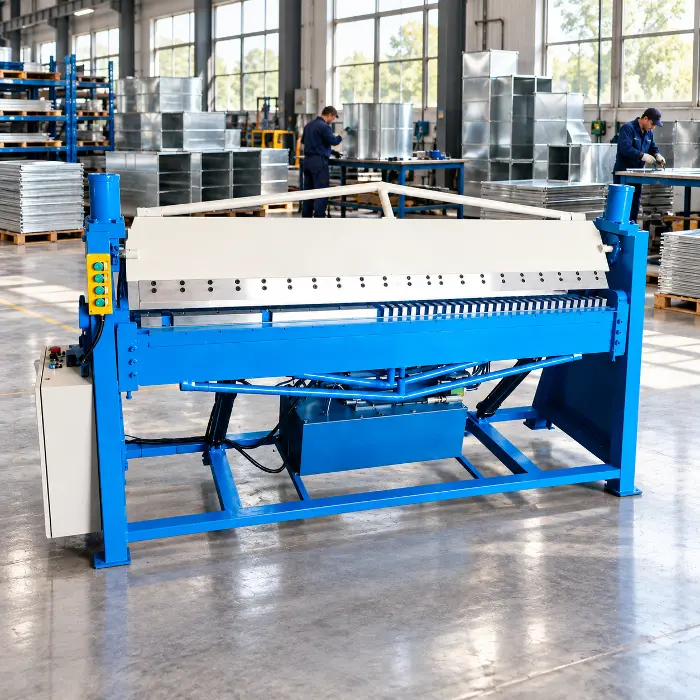
Choosing HVAC Duct Folding Machines for Flange-Safe Bending
2026/10/13 -
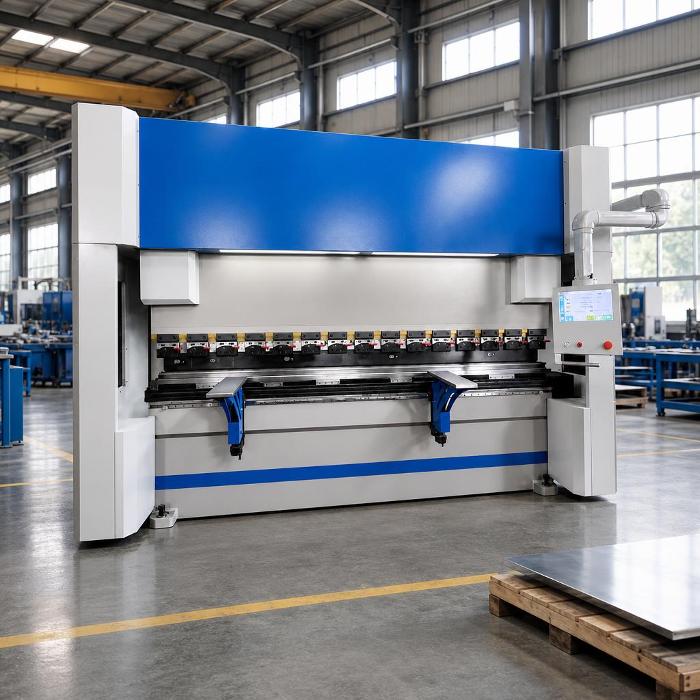
Precision Metal Forming Machines: What Separates Accurate Bends From Scrapped Sheet
2026/10/12 -
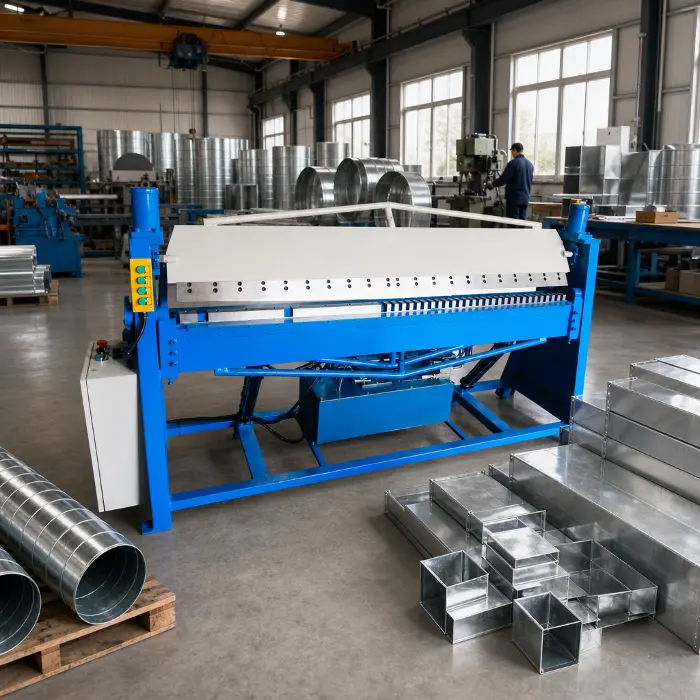
What to Look for in an HVAC Folding Machine Manufacturer
2026/10/11 -
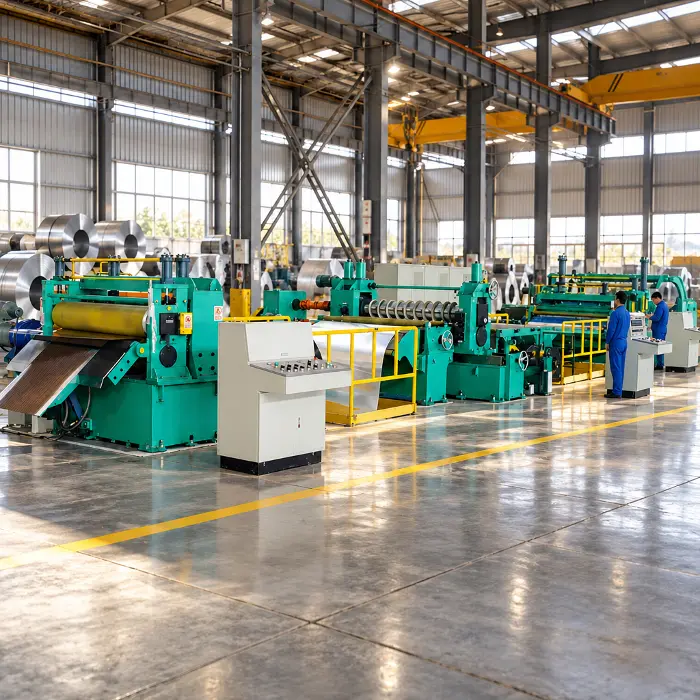
Steel Strip Cutting Machine: Engineering Precision in Modern Metal Processing
2026/10/10
-
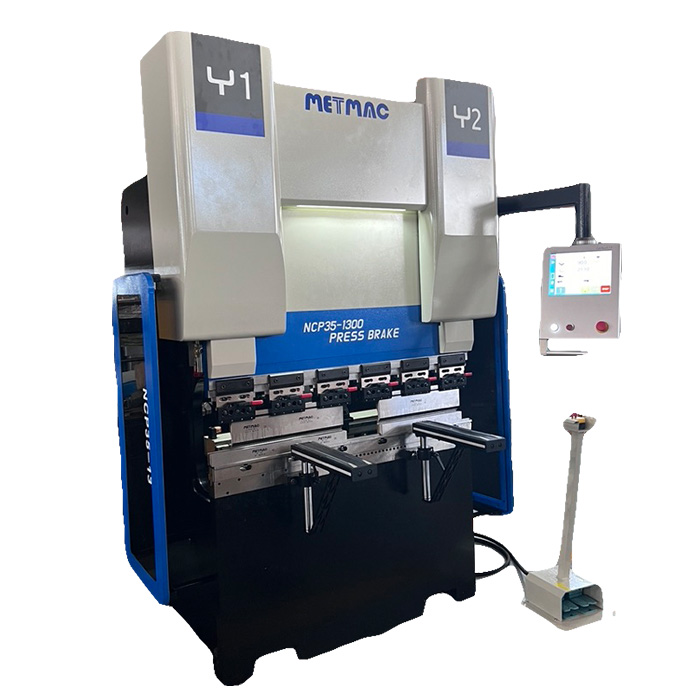
Sheet Metal Press Brake: Ultimate Guide to Precision Bending Technology in 2024
2026/03/13 -
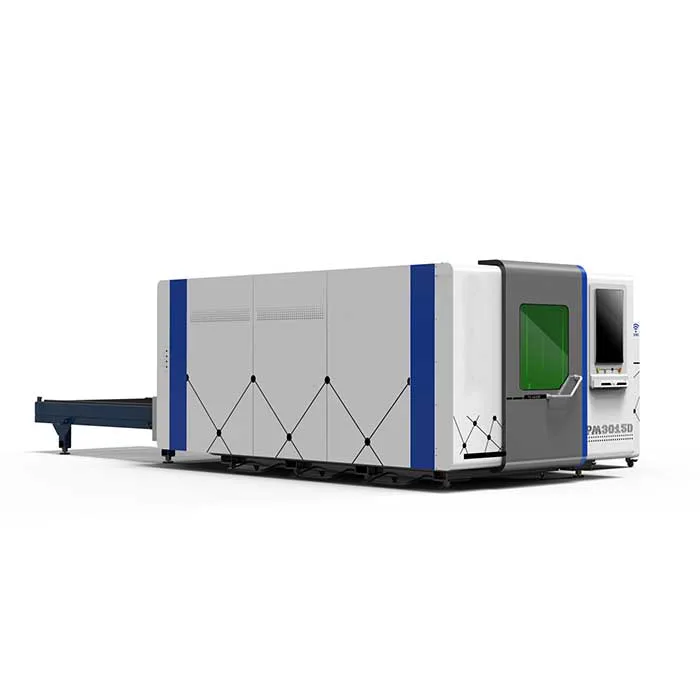
Metal Punching Machine: Ultimate Guide to Precision Manufacturing in 2024
2026/03/11 -
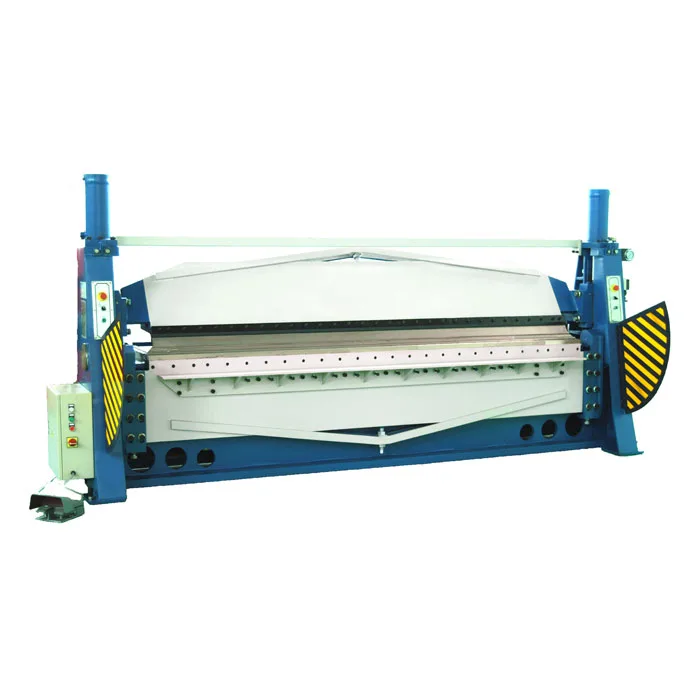
Metal Folding Machine: Comprehensive Guide to Precision Bending in 2024
2026/03/09 -
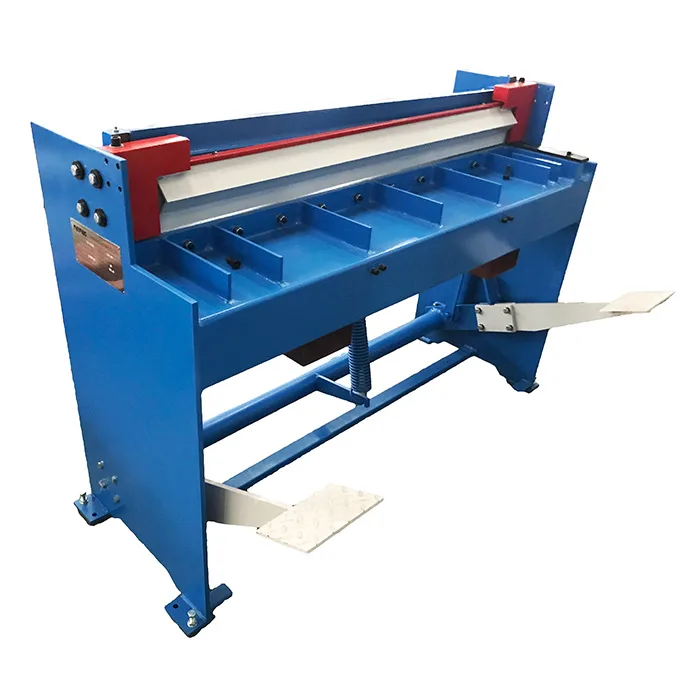
Sheet Metal Equipment: Ultimate Guide to Industrial Fabrication Solutions in 2026
2026/03/06
-
Latest Technological Advancements in Rectangular Duct Machines
2024/05/11 -
Integrating Automation with Rectangular Duct Machines for Enhanced Productivity
2024/05/11 -
Metal Shear Machines- Essential Tools for Precision Metal Cutting
2024/05/11 -
Understanding the Role and Function of Steel Strip Slitting Machines
2024/05/11
-
A Guide to the Latest Innovations in Sheet Metal Folding Machines
2024/11/29 -
Key Features to Consider When Investing in a Sheet Metal Folding Machine
2024/11/28 -
Enhancing Precision with Advanced Sheet Metal Folding Machines
2024/11/27 -
How to Choose the Right Sheet Metal Folding Machine for Your Workshop
2024/11/26
