


Common Sheet Bending Machine Problems and Solutions
In the realm of metal fabrication, sheet bending machines are indispensable tools that transform flat sheets into intricate and functional forms. However, like any mechanical equipment, these machines can encounter various issues that can hinder productivity and quality.
Jammed Material:
One of the most common problems is jammed material, where the sheet gets stuck during the bending process. This can occur due to excessive resistance from the material, dull blades, or improper machine settings.
Solutions:
Check the material thickness and ensure it is within the machine’s capacity.
Sharpen or replace the blades if they have become dull.
Adjust the pressure settings appropriately to prevent excessive force on the material.
Wavy or Uneven Bends:
Another prevalent issue is wavy or uneven bends, resulting in distorted or inaccurate shapes. This problem can arise from improper setup, misaligned rollers, or insufficient lubrication.
Solutions:
Ensure the rollers are aligned correctly and operate smoothly.
Lubricate the rollers regularly to reduce friction and prevent slipping.
Adjust the bend angle settings carefully to achieve the desired result.
Material Damage:
In some cases, the machine can cause damage to the material being bent. This can include scratches, dents, or even broken edges. Such damage can compromise the final product’s integrity.
Solutions:
Use protective materials, such as rubber pads or foam, between the rollers and the sheet.
Avoid over-bending or applying excessive force on the material.
Inspect the rollers and tooling for any signs of damage that could scratch or damage the sheet.
Hydraulic Issues:
Hydraulic sheet bending machines rely on a hydraulic system to provide the necessary force. Problems with this system can lead to insufficient pressure, leaks, or even machine failure.
Solutions:
Monitor the hydraulic fluid levels and ensure they are topped up as needed.
Inspect the hydraulic lines and hoses for leaks and replace any damaged components.
Consult a qualified technician for any major hydraulic repairs or adjustments.
By understanding these common problems and their solutions, operators can effectively diagnose and address issues with their sheet bending machines. Regular maintenance and proper operating techniques can help prevent these problems from occurring in the first place, ensuring efficient and high-quality sheet bending operations.
-
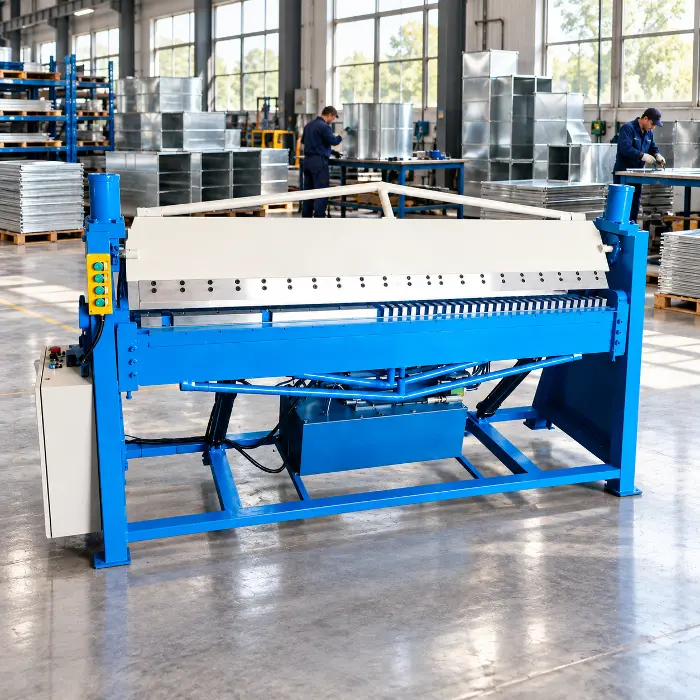
Choosing HVAC Duct Folding Machines for Flange-Safe Bending
2026/10/13 -
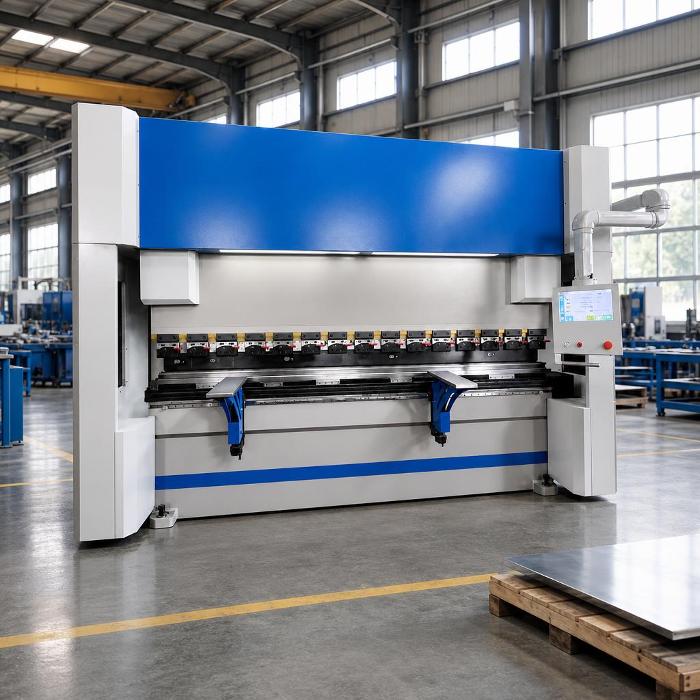
Precision Metal Forming Machines: What Separates Accurate Bends From Scrapped Sheet
2026/10/12 -
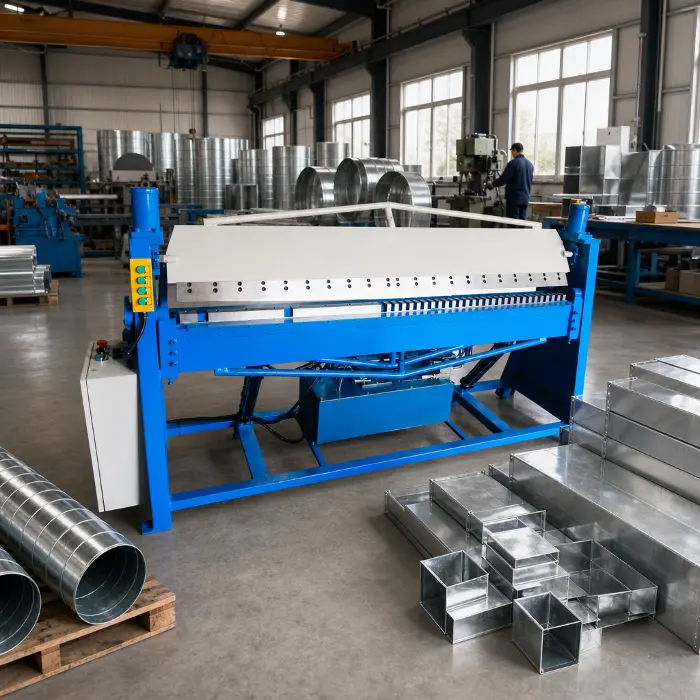
What to Look for in an HVAC Folding Machine Manufacturer
2026/10/11 -
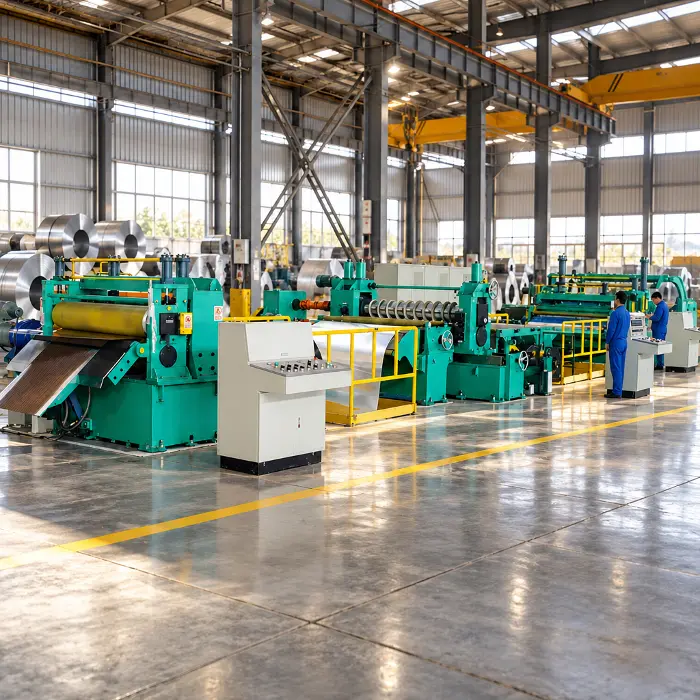
Steel Strip Cutting Machine: Engineering Precision in Modern Metal Processing
2026/10/10
-
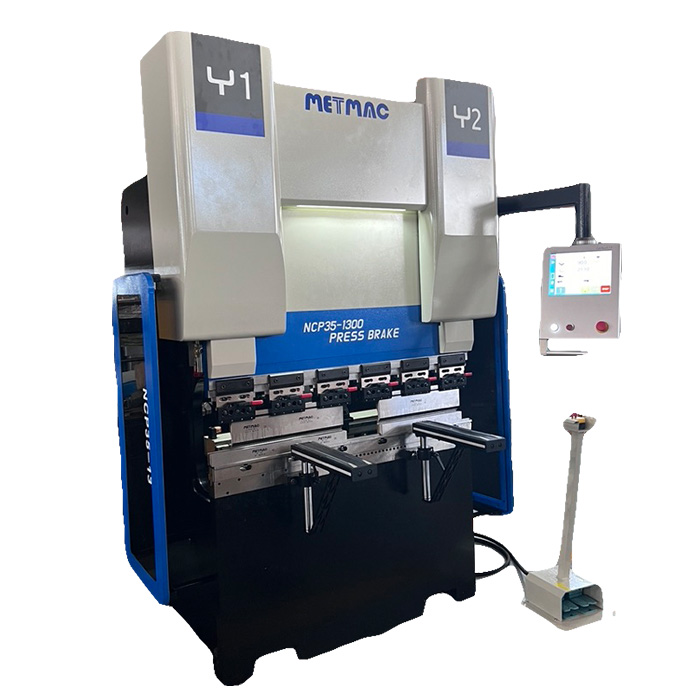
Sheet Metal Press Brake: Ultimate Guide to Precision Bending Technology in 2024
2026/03/13 -
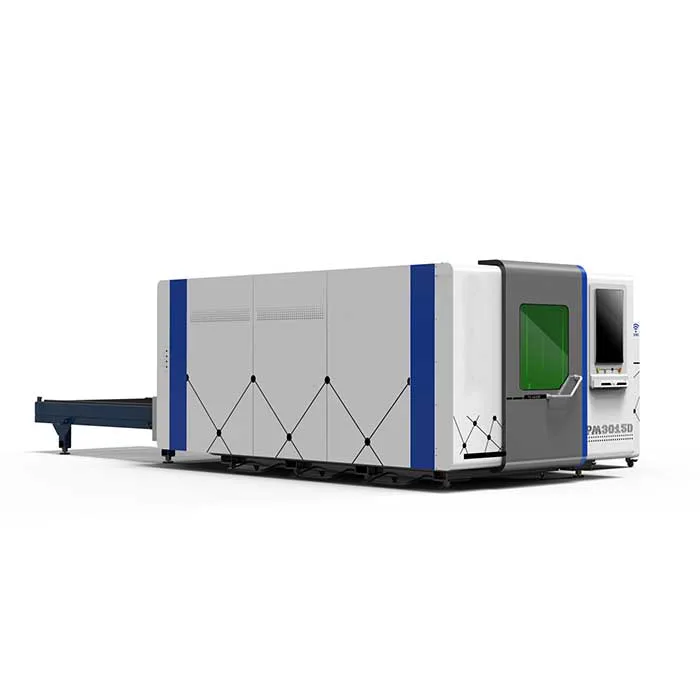
Metal Punching Machine: Ultimate Guide to Precision Manufacturing in 2024
2026/03/11 -
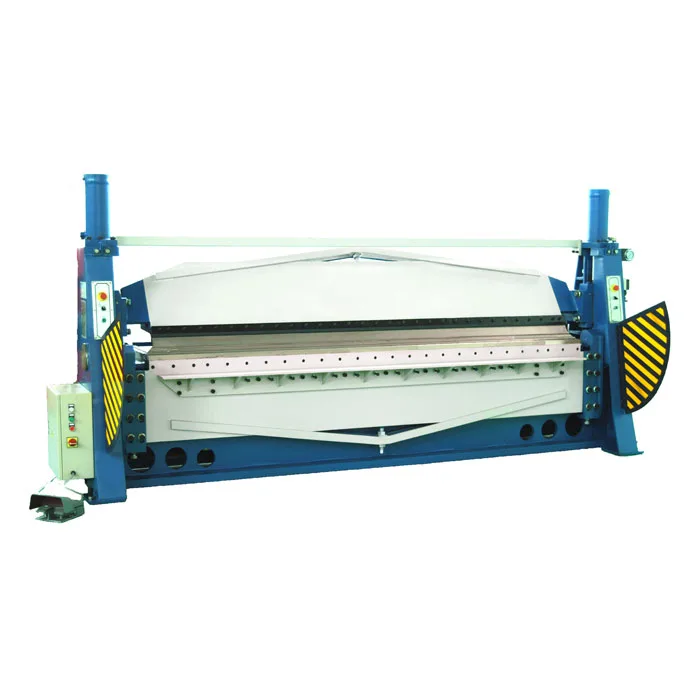
Metal Folding Machine: Comprehensive Guide to Precision Bending in 2024
2026/03/09 -
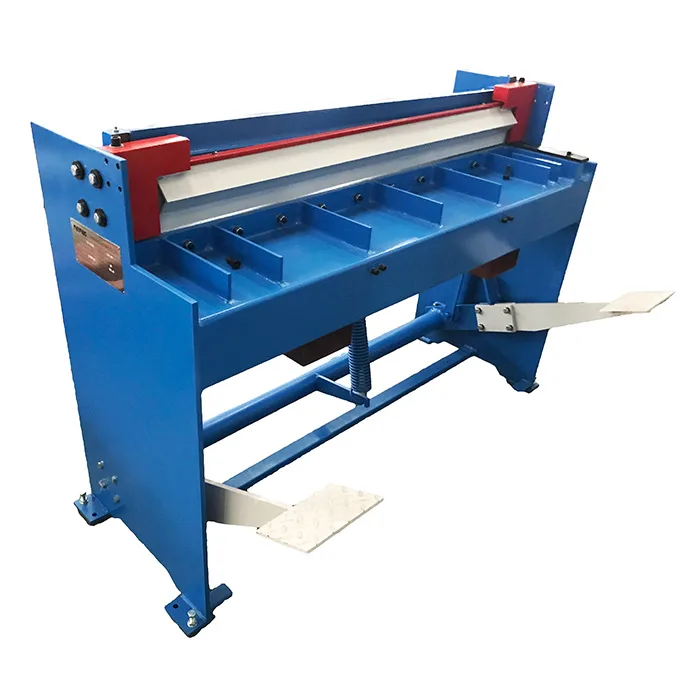
Sheet Metal Equipment: Ultimate Guide to Industrial Fabrication Solutions in 2026
2026/03/06
-
Latest Technological Advancements in Rectangular Duct Machines
2024/05/11 -
Integrating Automation with Rectangular Duct Machines for Enhanced Productivity
2024/05/11 -
Metal Shear Machines- Essential Tools for Precision Metal Cutting
2024/05/11 -
Understanding the Role and Function of Steel Strip Slitting Machines
2024/05/11
-
A Guide to the Latest Innovations in Sheet Metal Folding Machines
2024/11/29 -
Key Features to Consider When Investing in a Sheet Metal Folding Machine
2024/11/28 -
Enhancing Precision with Advanced Sheet Metal Folding Machines
2024/11/27 -
How to Choose the Right Sheet Metal Folding Machine for Your Workshop
2024/11/26
