


Common Issues and Solutions in Metal Plate Bending
Metal plate bending is a fabrication process that involves deforming metal plates into desired shapes. While it offers versatility and precision, it can also present certain challenges. Understanding the common issues encountered during metal plate bending and their effective solutions is crucial for ensuring project success.
Springback
Springback is the phenomenon where bent metal exhibits elastic deformation, returning slightly after bending.
– Causes: Elasticity of the metal, thickness, and bending angle
– Solutions: Overbending the plate beyond the desired angle, using thicker material, employing a smaller bending radius, or applying heat to reduce elasticity
Fracture and Cracking
Exceeding the metal’s bending capacity can lead to fractures or cracks.
– Causes: Insufficient ductility, excessive bending force, or sharp bends
– Solutions: Using a material with higher ductility, gradually increasing bending force, or bending the plate over a larger radius
Distortion
Bending plates can result in unwanted deformations, such as bowing or warping.
– Causes: Eccentric loading, unbalanced stresses, or uneven pressure distribution
– Solutions: Using a balanced bending setup, ensuring uniform pressure distribution, or employing additional supports to prevent distortion
Wrinkling and Buckling
Thin or flexible metal plates can develop wrinkles or buckles during bending.
– Causes: Low material thickness, excessive bending force, or insufficient support
– Solutions: Increasing material thickness, reducing bending force, or providing adequate support for the plate during bending
Surface Defects
Bending operations can introduce surface imperfections, such as scratches, dents, or pitting.
– Causes: Poor tool surfaces, improper handling, or excessive force
– Solutions: Using high-quality bending tools, handling the plate with care, and adjusting bending force to minimize surface damage
Tool Wear and Damage
Bending operations can take a toll on bending tools, leading to wear and damage.
– Causes: Friction, excessive force, or improper alignment
– Solutions: Using durable tools, inspecting and maintaining tools regularly, and ensuring proper alignment to minimize wear and damage
Safety Considerations
Metal plate bending involves handling heavy materials and operating machinery, posing potential safety hazards.
– Solutions: Following safety protocols, wearing protective gear, ensuring proper ventilation, and avoiding overloading or improper operation of equipment
-
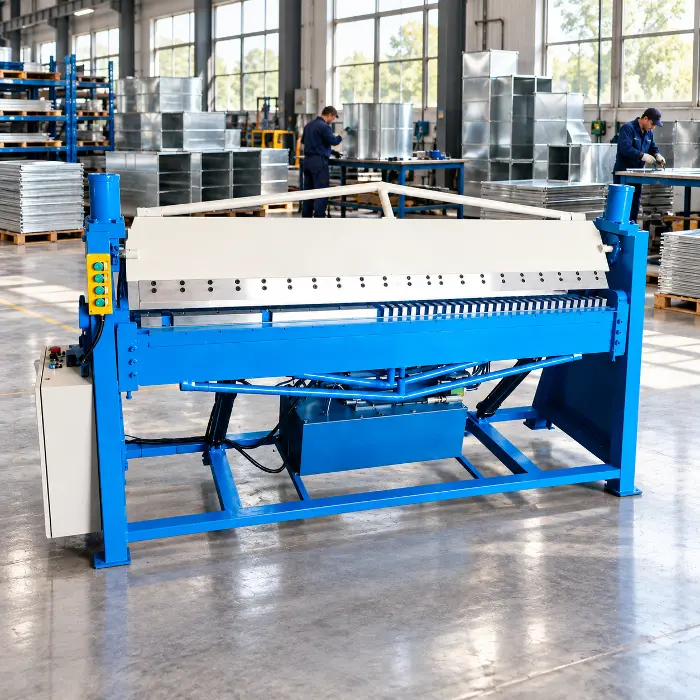
Choosing HVAC Duct Folding Machines for Flange-Safe Bending
2026/10/13 -
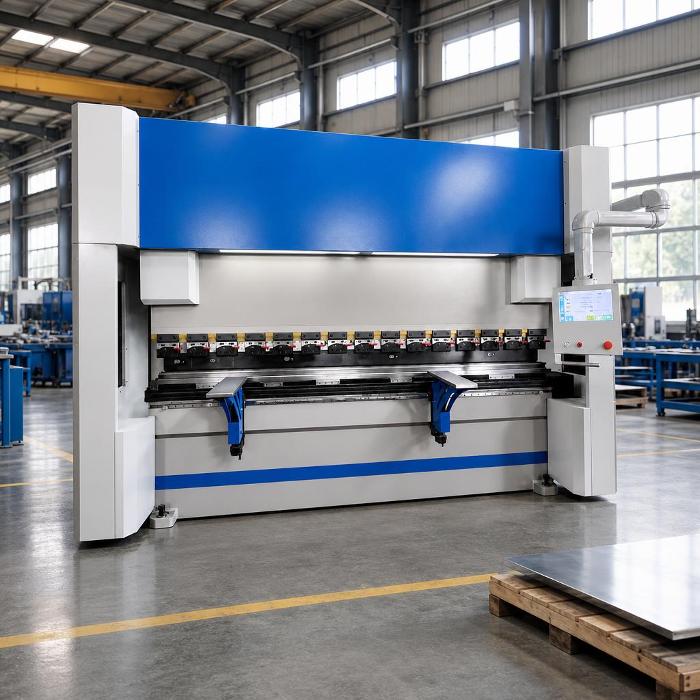
Precision Metal Forming Machines: What Separates Accurate Bends From Scrapped Sheet
2026/10/12 -
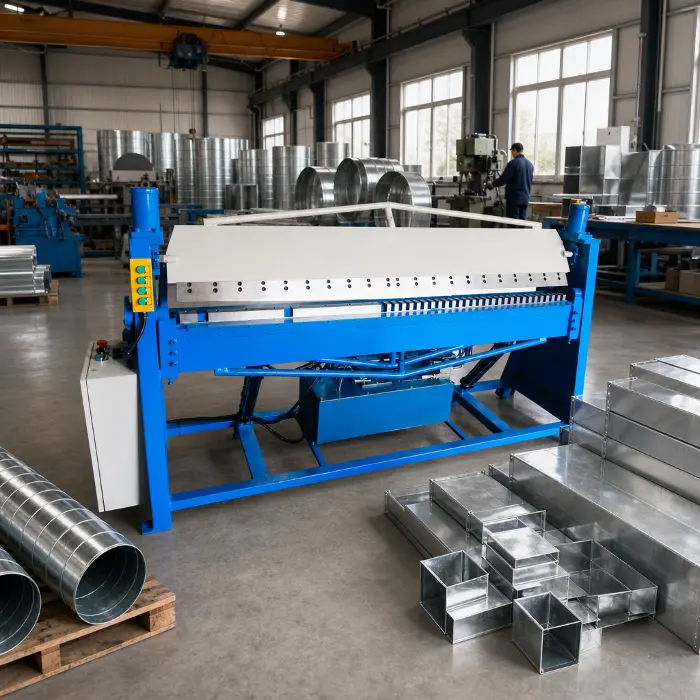
What to Look for in an HVAC Folding Machine Manufacturer
2026/10/11 -
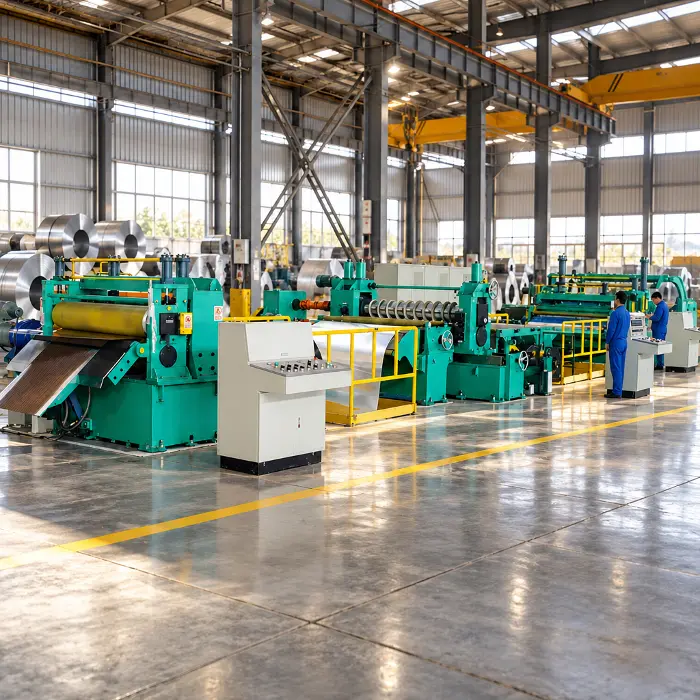
Steel Strip Cutting Machine: Engineering Precision in Modern Metal Processing
2026/10/10
-
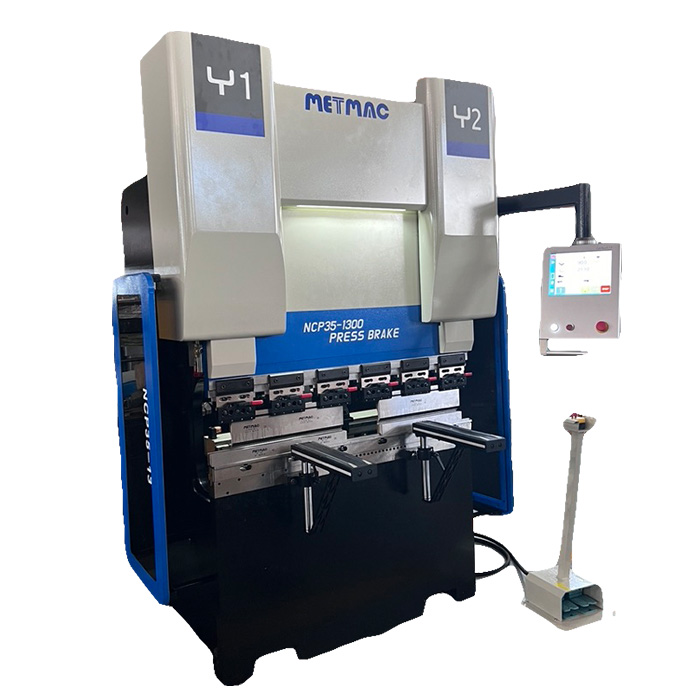
Sheet Metal Press Brake: Ultimate Guide to Precision Bending Technology in 2024
2026/03/13 -
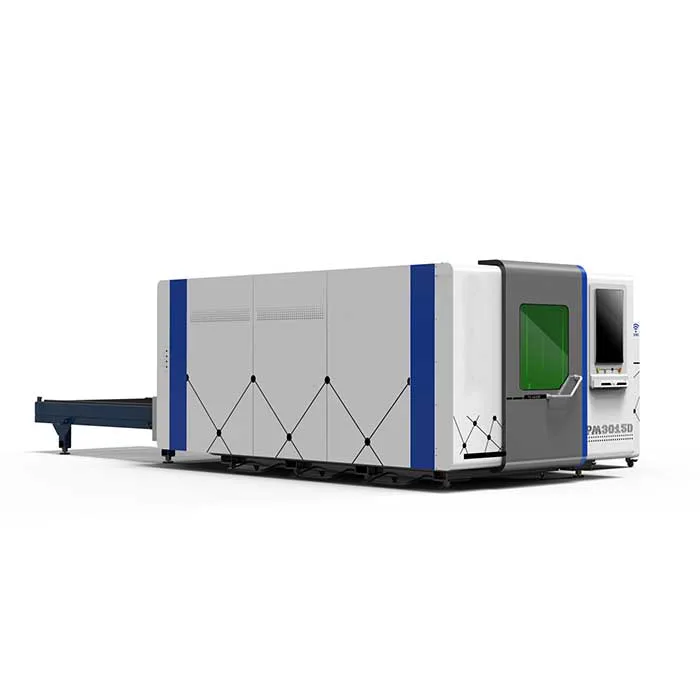
Metal Punching Machine: Ultimate Guide to Precision Manufacturing in 2024
2026/03/11 -
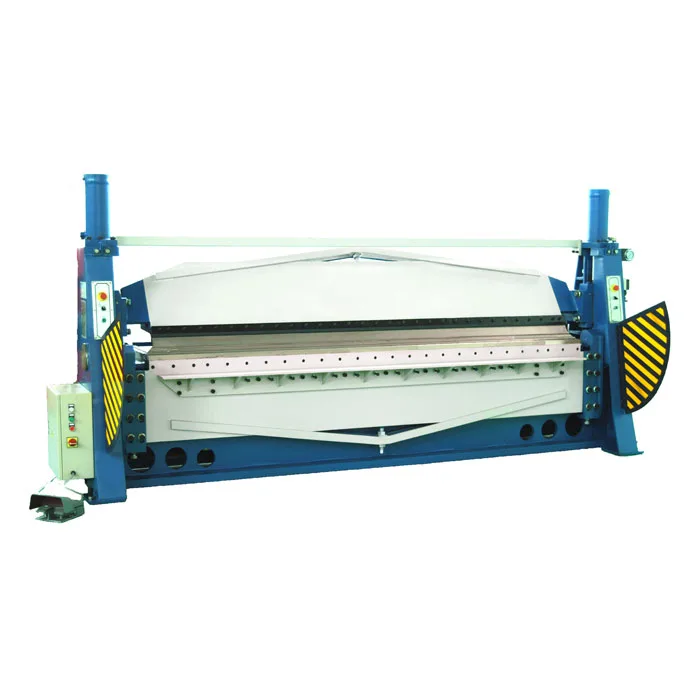
Metal Folding Machine: Comprehensive Guide to Precision Bending in 2024
2026/03/09 -
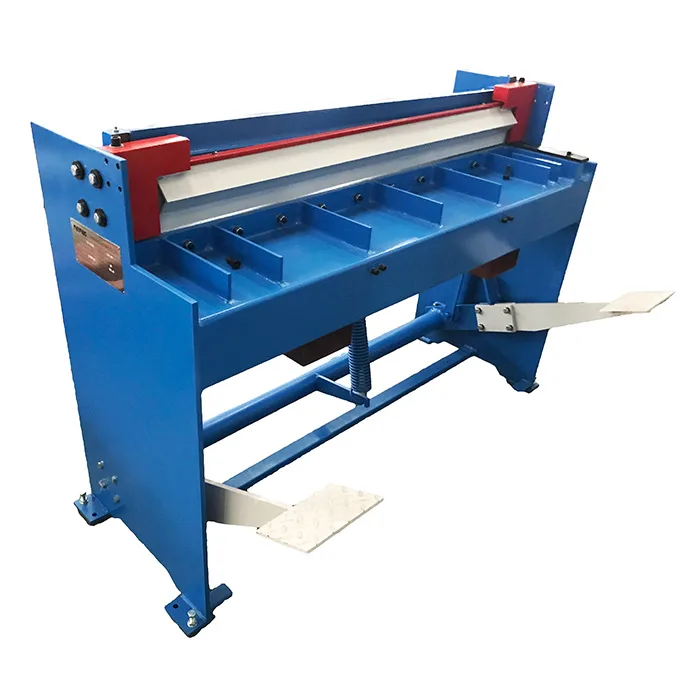
Sheet Metal Equipment: Ultimate Guide to Industrial Fabrication Solutions in 2026
2026/03/06
-
A Guide to the Latest Innovations in Sheet Metal Folding Machines
2024/11/29 -
Key Features to Consider When Investing in a Sheet Metal Folding Machine
2024/11/28 -
Enhancing Precision with Advanced Sheet Metal Folding Machines
2024/11/27 -
How to Choose the Right Sheet Metal Folding Machine for Your Workshop
2024/11/26
