


Common Challenges in Metal Plate Rolling and How to Overcome Them
Metal plate rolling is a crucial process in various industries, involving the shaping and bending of metal plates into desired forms. However, this process can present several challenges that can affect the quality and efficiency of the final product. Understanding these challenges and implementing effective solutions is essential for successful metal plate rolling operations.
Dimensional Accuracy
Dimensional accuracy is a significant concern in metal plate rolling, as the final shape and dimensions of the workpiece must adhere to specified tolerances. Factors such as variations in material thickness, improper bending setup, or uneven heat distribution can lead to dimensional inaccuracies.
Solution: To overcome this challenge, precision measurement tools should be employed throughout the process. Calibrating equipment regularly and ensuring proper maintenance are essential. Additionally, using high-quality rollers with well-machined surfaces and maintaining a uniform temperature during bending can minimize dimensional deviations.
Springback
Springback refers to the tendency of a bent metal plate to return to its original shape after release from the rolling machine. This can cause unwanted deformation and deviation from the desired shape.
Solution: Understanding the springback characteristics of the material being rolled is crucial. Compensating for springback by overbending the plate during rolling can help achieve the desired final shape. Additionally, using appropriate bending tools and controlling the bending speed can minimize springback effects.
Surface Finish
Surface finish is critical for applications where the aesthetic appearance or further processing of the metal plate is important. Scratches, gouges, or other surface defects can compromise the quality of the product.
Solution: Proper handling of the metal plate throughout the rolling process is essential to prevent surface damage. Using protective coatings or lubricants can minimize scratches and abrasions. Ensuring that the rollers are clean and free of debris can also help maintain a high surface finish.
Material Strain
Excessive material strain can occur during metal plate rolling, leading to cracks, fractures, or permanent deformation. This is particularly important for materials with low ductility or high strength.
Solution: Selecting the appropriate rolling technique and parameters is essential to minimize material strain. Using smaller bending radii and multiple passes can help distribute stress more evenly. Additionally, preheating the material or using a suitable forming lubricant can enhance the material’s ductility and prevent strain-induced defects.
Roll Wear and Damage
The rollers used in metal plate rolling can experience wear and damage over time, affecting the accuracy and efficiency of the process. Excessive wear can lead to surface irregularities and reduced bending precision.
Solution: Regular maintenance and inspection of the rollers are crucial to extend their lifespan. Using wear-resistant materials and applying a protective coating can minimize wear. Additionally, proper lubrication and controlling the rolling pressure can reduce the risk of roller damage.
-
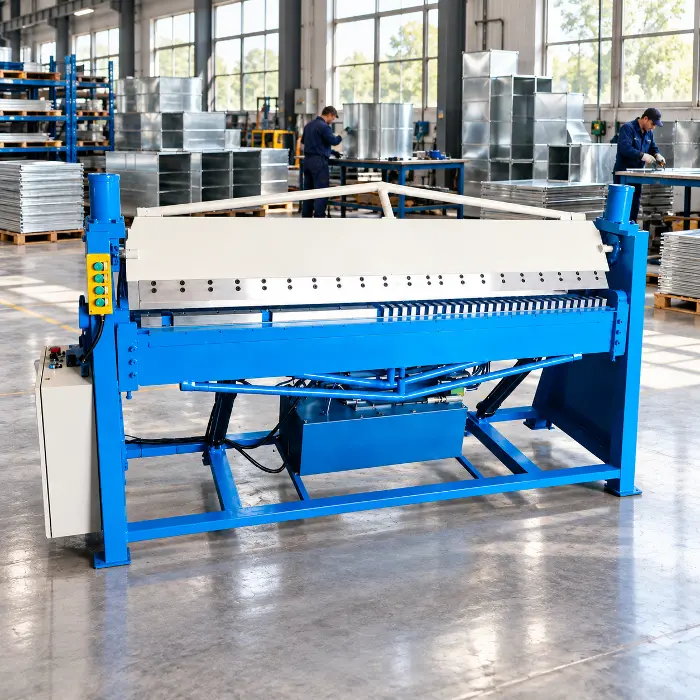
Choosing HVAC Duct Folding Machines for Flange-Safe Bending
2026/10/13 -
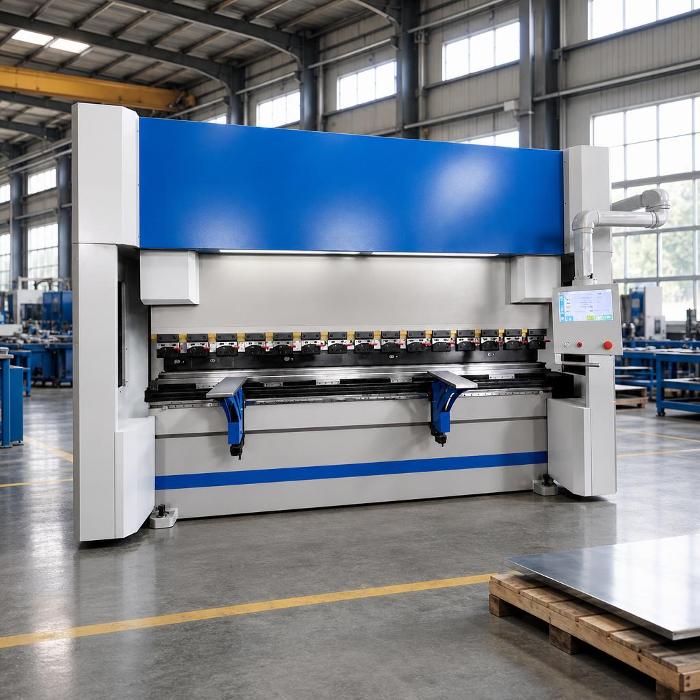
Precision Metal Forming Machines: What Separates Accurate Bends From Scrapped Sheet
2026/10/12 -
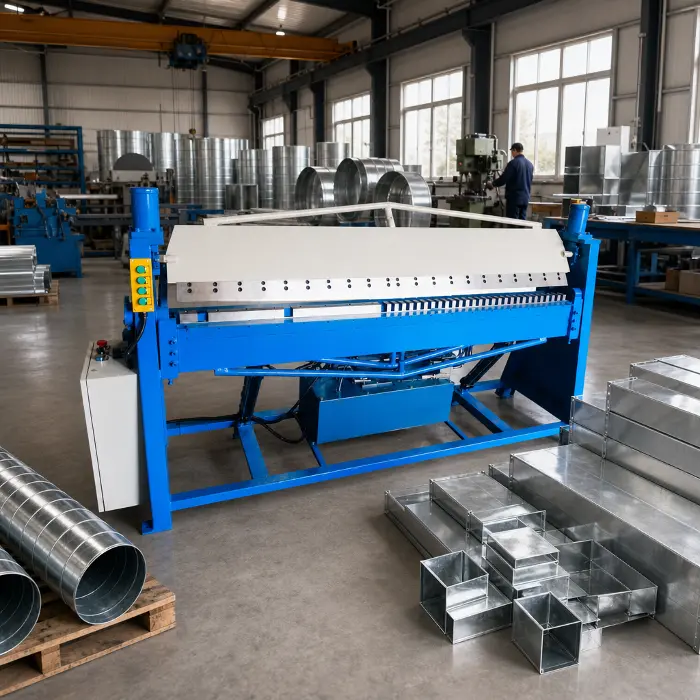
What to Look for in an HVAC Folding Machine Manufacturer
2026/10/11 -
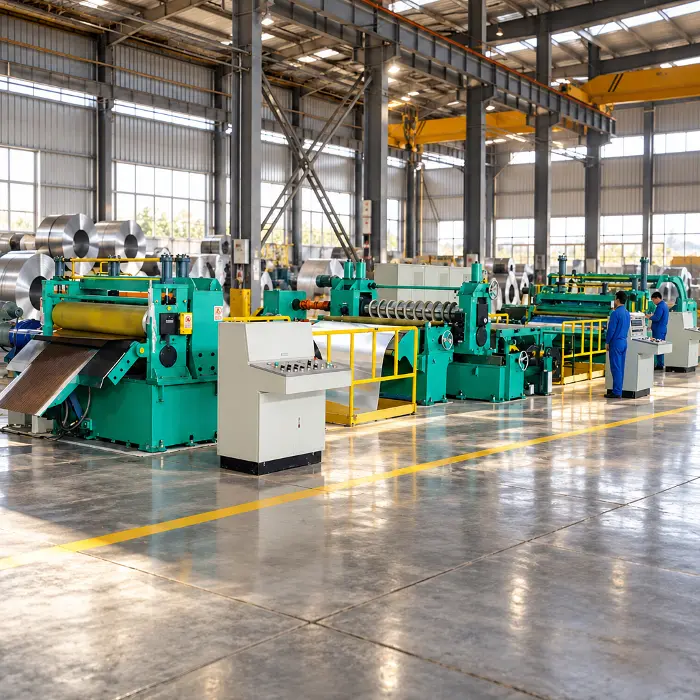
Steel Strip Cutting Machine: Engineering Precision in Modern Metal Processing
2026/10/10
-
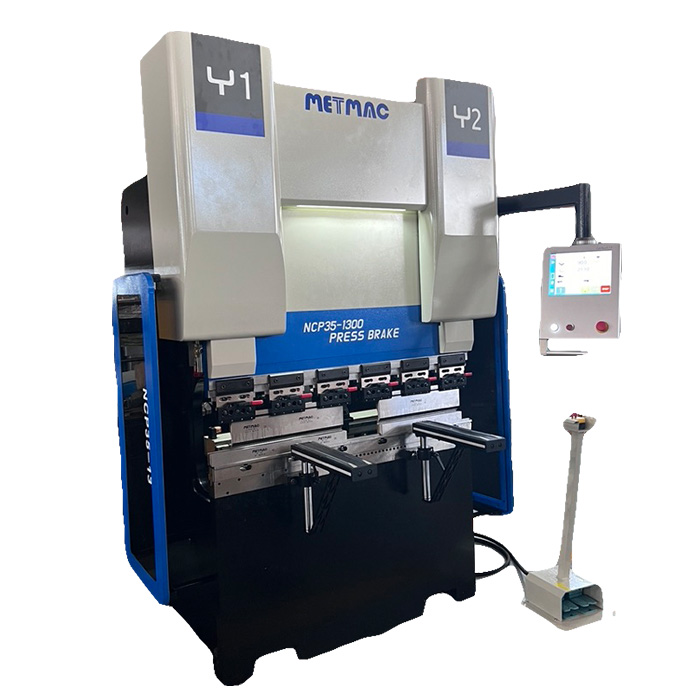
Sheet Metal Press Brake: Ultimate Guide to Precision Bending Technology in 2024
2026/03/13 -
Metal Punching Machine: Ultimate Guide to Precision Manufacturing in 2024
2026/03/11 -
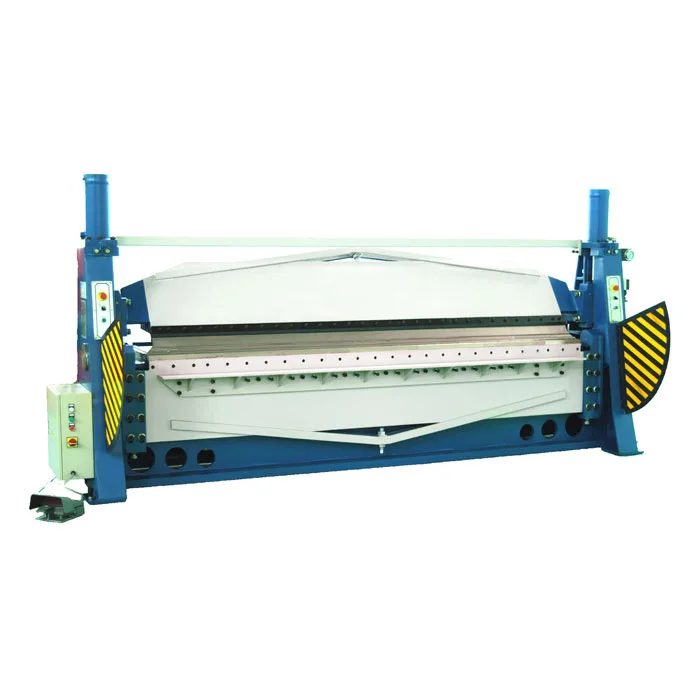
Metal Folding Machine: Comprehensive Guide to Precision Bending in 2024
2026/03/09 -
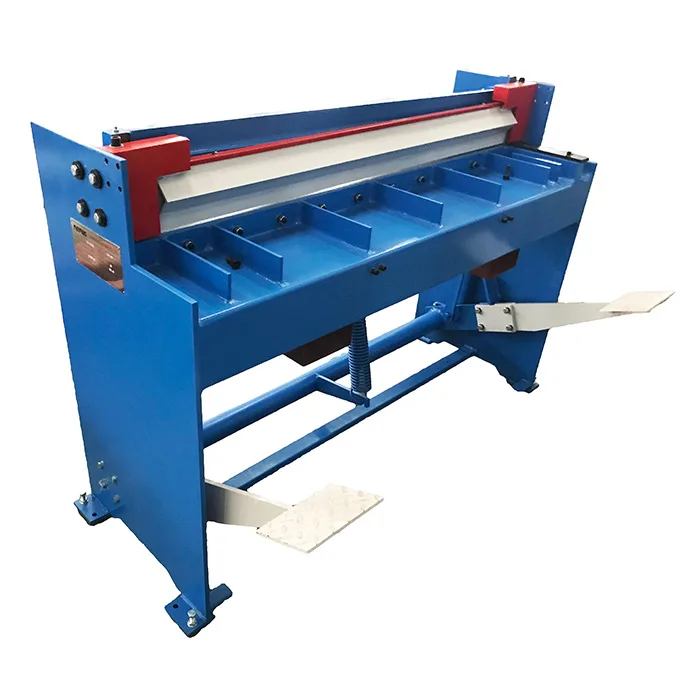
Sheet Metal Equipment: Ultimate Guide to Industrial Fabrication Solutions in 2026
2026/03/06
-
Latest Technological Advancements in Rectangular Duct Machines
2024/05/11 -
Integrating Automation with Rectangular Duct Machines for Enhanced Productivity
2024/05/11 -
Metal Shear Machines- Essential Tools for Precision Metal Cutting
2024/05/11 -
Understanding the Role and Function of Steel Strip Slitting Machines
2024/05/11
-
A Guide to the Latest Innovations in Sheet Metal Folding Machines
2024/11/29 -
Key Features to Consider When Investing in a Sheet Metal Folding Machine
2024/11/28 -
Enhancing Precision with Advanced Sheet Metal Folding Machines
2024/11/27 -
How to Choose the Right Sheet Metal Folding Machine for Your Workshop
2024/11/26
