


Common Challenges and Solutions When Using Press Brake Bending Machines
In the realm of metal fabrication, the press brake bending machine reigns supreme as an indispensable tool for shaping metal sheets. However, like any complex machinery, its intricacies can pose unique challenges for operators. Here, we delve into the common obstacles encountered when using press brake bending machines and explore effective solutions to overcome them.
Springback: The Constant Contender
Springback, the elastic recovery of metal after bending, is an inevitable adversary. It can result in inaccurate bend angles and inconsistent part dimensions. To combat springback, several strategies can be employed:
Overbending: Intentional overbending the metal to compensate for its tendency to spring back.
Bottoming the Punch: Applying enough force to ensure the punch contacts the bottom die, eliminating air gaps that contribute to springback.
Material Selection: Choosing materials with lower yield strength and higher elongation can reduce the extent of springback.
Tooling: The Right Fit for the Job
Improperly selected or worn-out tooling can compromise the quality and efficiency of bending operations. To avoid such pitfalls:
Matching Tooling to Material: Use tooling designed specifically for the thickness and material of the metal being bent.
Regular Maintenance: Inspect and maintain tooling regularly to ensure accuracy and prevent damage.
Appropriate Clearance: Ensure proper clearance between the punch and die to prevent galling and excessive friction.
Safety: A Paramount Concern
Press brake bending machines are inherently powerful machines that pose potential safety hazards. To safeguard operators:
Machine Guarding: Implement proper guarding around the machine to prevent accidental contact with moving parts.
Personal Protective Equipment: Operators should always wear safety glasses, protective gloves, and other appropriate PPE.
Safety Procedures: Establish clear safety protocols for machine operation, maintenance, and emergency situations.
Process Optimization: Enhancing Efficiency
To maximize productivity and maintain quality:
Programmable Controls: Utilize programmable controls for precise positioning and repeatability.
Work Sequencing: Optimize the order of bending operations to minimize material handling and setup time.
Tooling Setup: Implement tooling systems that allow for quick and accurate changes to reduce downtime.
By addressing these challenges effectively, manufacturers can leverage press brake bending machines to their full potential, producing high-quality, accurate parts consistently. Embracing innovation and best practices ensures a safe, efficient, and productive bending process.
-
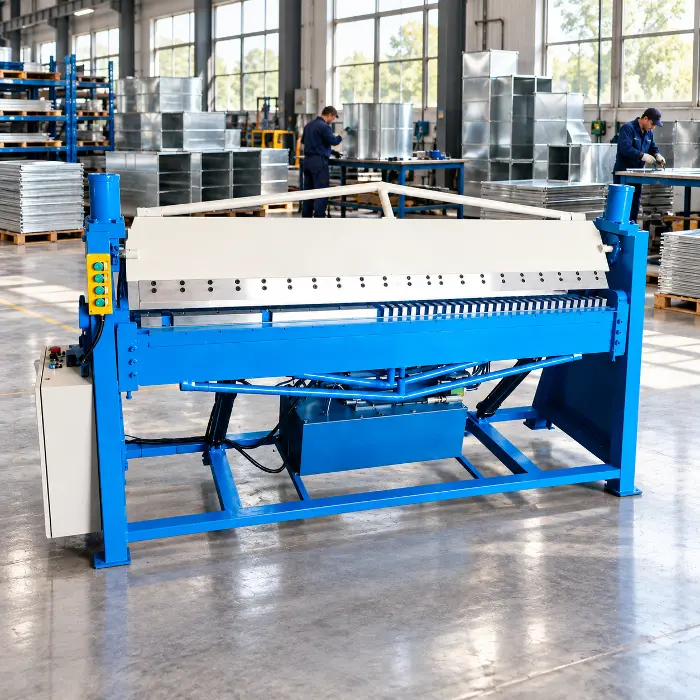
Choosing HVAC Duct Folding Machines for Flange-Safe Bending
2026/10/13 -
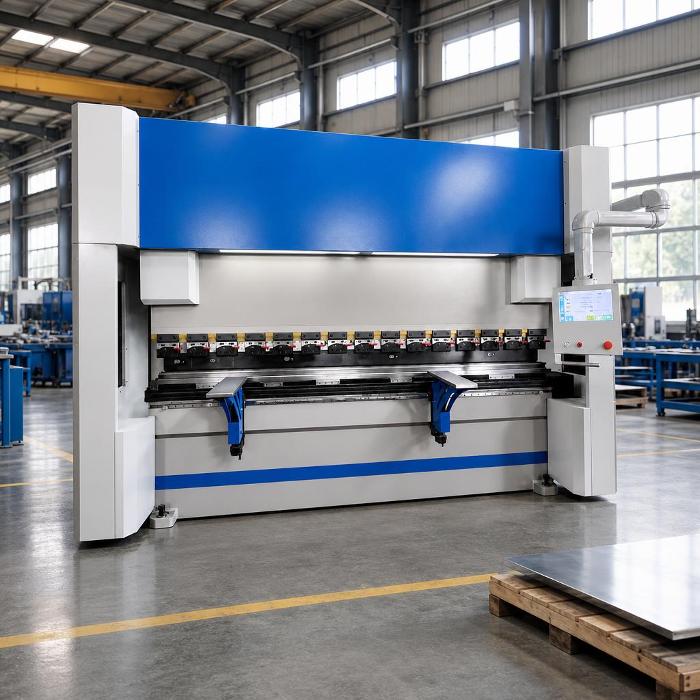
Precision Metal Forming Machines: What Separates Accurate Bends From Scrapped Sheet
2026/10/12 -
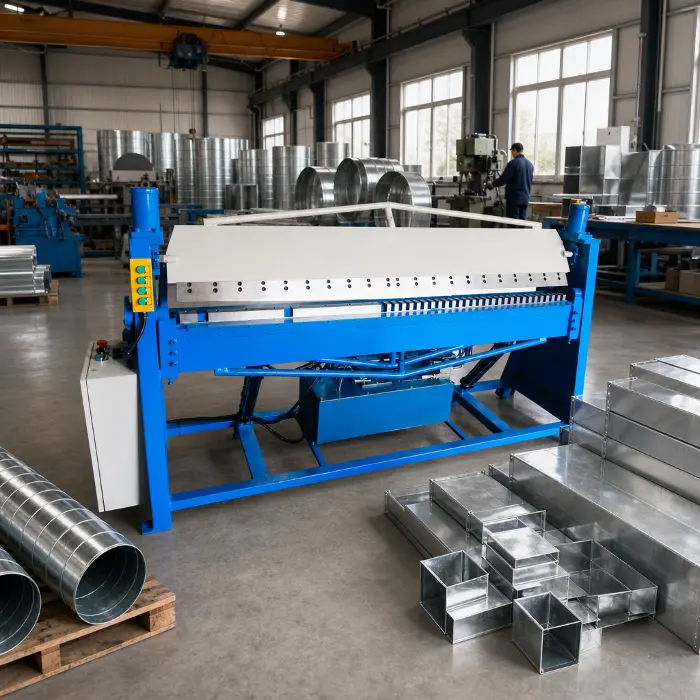
What to Look for in an HVAC Folding Machine Manufacturer
2026/10/11 -
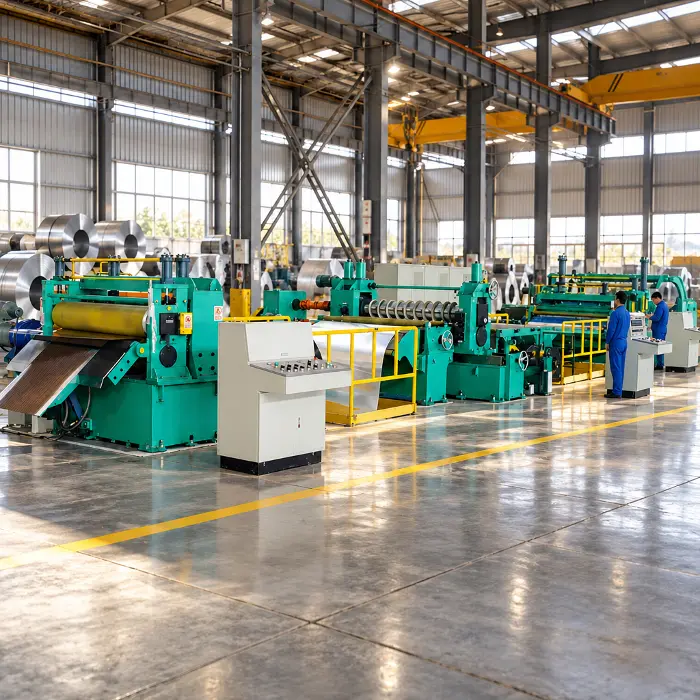
Steel Strip Cutting Machine: Engineering Precision in Modern Metal Processing
2026/10/10
-
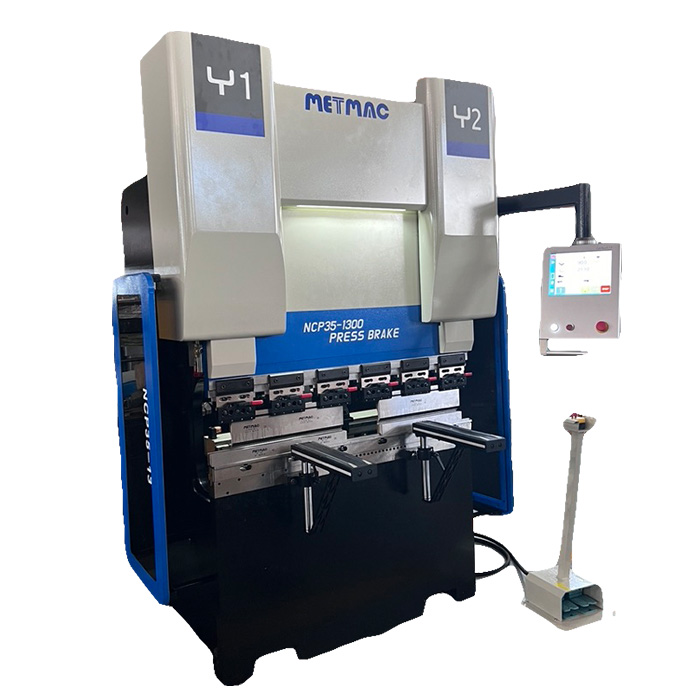
Sheet Metal Press Brake: Ultimate Guide to Precision Bending Technology in 2024
2026/03/13 -
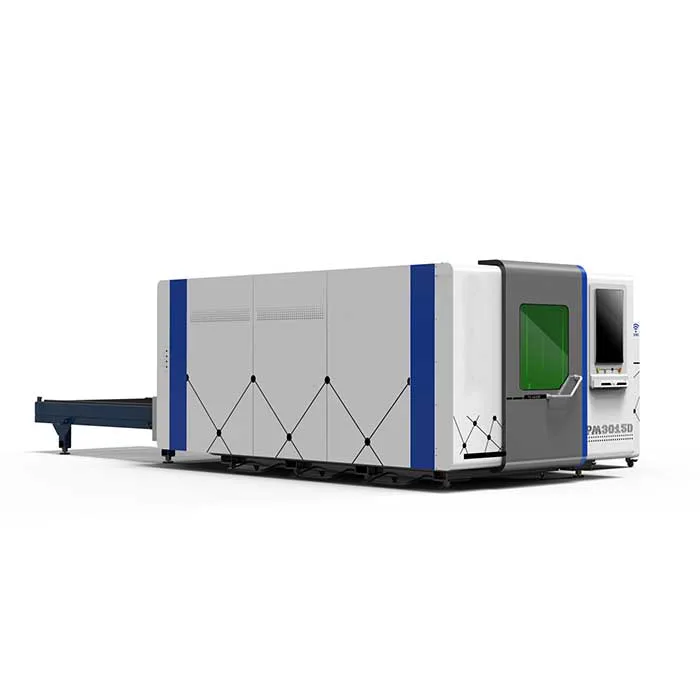
Metal Punching Machine: Ultimate Guide to Precision Manufacturing in 2024
2026/03/11 -
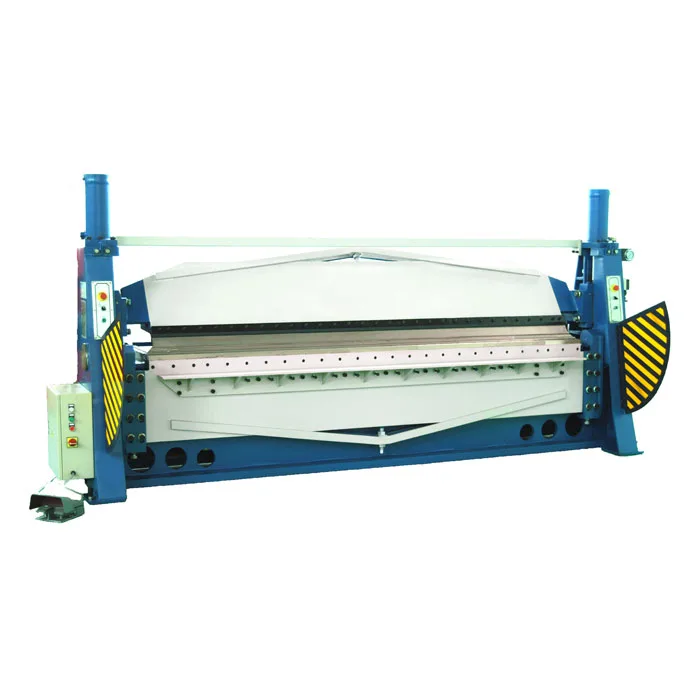
Metal Folding Machine: Comprehensive Guide to Precision Bending in 2024
2026/03/09 -
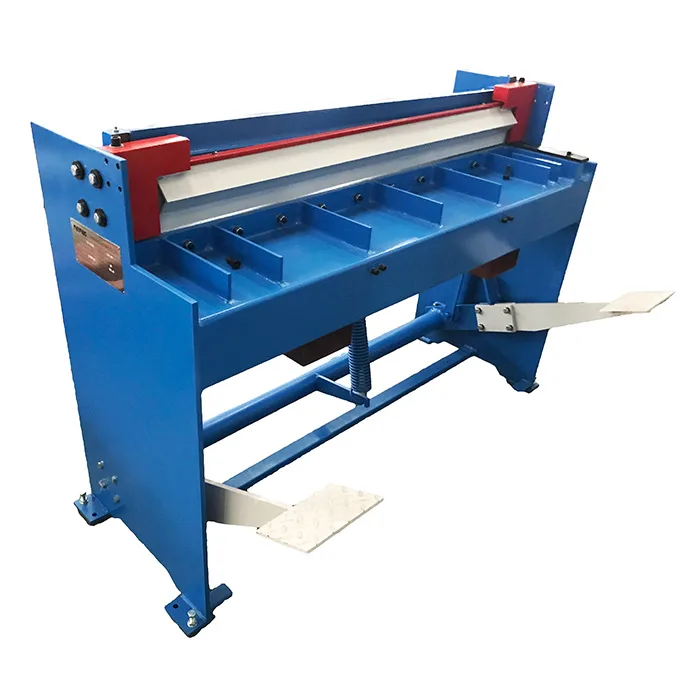
Sheet Metal Equipment: Ultimate Guide to Industrial Fabrication Solutions in 2026
2026/03/06
-
A Guide to the Latest Innovations in Sheet Metal Folding Machines
2024/11/29 -
Key Features to Consider When Investing in a Sheet Metal Folding Machine
2024/11/28 -
Enhancing Precision with Advanced Sheet Metal Folding Machines
2024/11/27 -
How to Choose the Right Sheet Metal Folding Machine for Your Workshop
2024/11/26
