


Clamp Down for Success- The Importance of Clamping Techniques in Pan Brakes
In the realm of metal fabrication, precision and efficiency are paramount. Pan brakes, indispensable tools for bending sheet metal, play a crucial role in achieving desired results. However, the effectiveness of pan brakes hinges on the proper utilization of clamping techniques. “Clamp Down for Success: The Importance of Clamping Techniques in Pan Brakes” delves into the fundamentals of clamping, highlighting its significance in ensuring accurate and effortless bending operations.
Understanding Clamping Basics
Clamping involves securing the workpiece firmly in place on the pan brake’s bed. This prevents the metal from shifting or distorting during the bending process, ensuring precise and consistent results. Clamping systems typically consist of clamps, hold-downs, and brackets, each designed to perform a specific function. Clamp selection depends on the thickness and width of the metal being bent, as well as the desired bend angle.
Benefits of Proper Clamping
Proper clamping techniques offer numerous benefits for pan brake operators:
– Precision Bending: Effective clamping prevents the workpiece from slipping or moving, resulting in precise and accurate bends that meet desired specifications.
– Reduced Material Distortion: By securely holding the workpiece in place, clamping minimizes material distortion, ensuring the integrity of the final product.
– Increased Work Efficiency: Proper clamping eliminates the need for multiple adjustments during the bending process, reducing production time and increasing overall efficiency.
– Improved Safety: Secure clamping prevents accidents and injuries by securely holding the workpiece and preventing it from becoming a hazard during operation.
Clamping Techniques in Practice
Various clamping techniques are employed depending on the specific requirements of the bending operation:
– Finger Clamps: Used for small to medium-sized workpieces, finger clamps provide precise and secure clamping. They are adjustable and can be positioned to hold the workpiece at different locations.
– Hydraulic Clamps: Powerful and versatile, hydraulic clamps offer high clamping force for thicker materials. They can be programmed to automatically open and close, providing a streamlined workflow.
– Magnetic Clamps: Ideal for ferrous materials, magnetic clamps provide non-contact clamping, eliminating workpiece marking. They are quick and easy to use, making them suitable for high-volume operations.
Advanced Clamping Techniques
In addition to the basic clamping techniques, advanced methods are available to meet specific challenges:
– Back Gage Clamping: Utilizes a back gage to clamp the workpiece from behind, providing additional support and preventing material deformation during bending.
– Multi-Axis Clamping: Employs multiple clamps to provide support from different angles, ensuring the workpiece is held securely for complex bending operations.
– Segmental Clamping: Involves using multiple segments of clamps to support the workpiece along its entire length, ideal for bending large or irregularly shaped materials.
Conclusion
Mastering clamping techniques is essential for realizing the full potential of pan brakes. By understanding the fundamentals of clamping, choosing the right clamps for the job, and implementing advanced techniques when necessary, fabricators can ensure precision bending, reduce material distortion, increase work efficiency, and enhance safety. “Clamp Down for Success: The Importance of Clamping Techniques in Pan Brakes” serves as a valuable resource for anyone seeking to optimize their pan brake operations and achieve exceptional results in sheet metal fabrication.
-
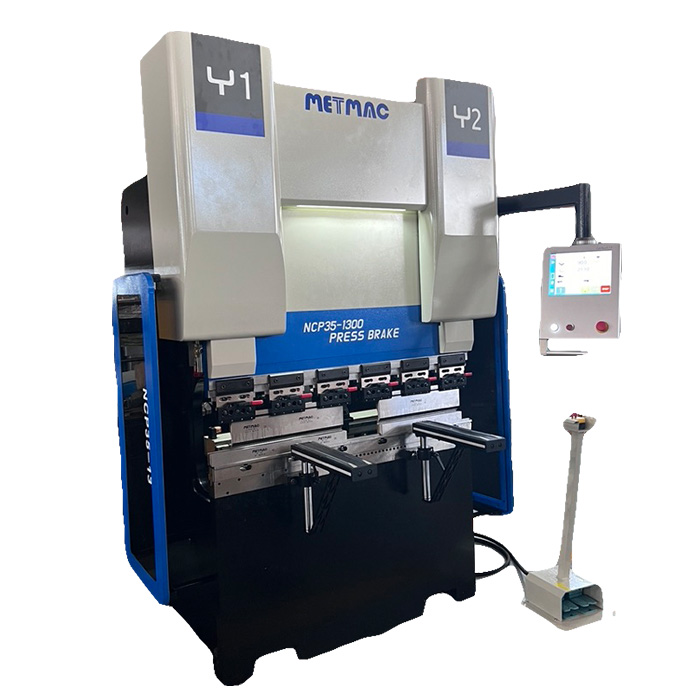
Press Metal Machine: The Definitive Guide to Precision Metal Forming
2026/03/12 -
Metal Punching Machine: The Ultimate Guide to Precision Hole Punching
2026/03/10 -
Sheet Metal Machinery: The Ultimate Guide to Industrial Fabrication Excellence
2026/03/04 -
Iron Sheet Laser Cutting Machine: Unmatched Precision for Demanding Fabrication with METMAC
2026/01/06
-
Sheet Metal Press Brake: Ultimate Guide to Precision Bending Technology in 2024
2026/03/13 -
Metal Punching Machine: Ultimate Guide to Precision Manufacturing in 2024
2026/03/11 -
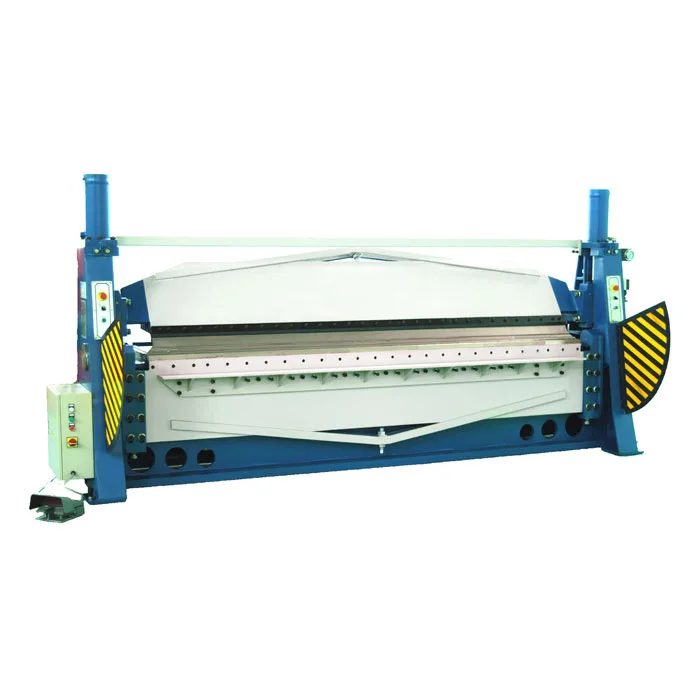
Metal Folding Machine: Comprehensive Guide to Precision Bending in 2024
2026/03/09 -
Sheet Metal Equipment: Ultimate Guide to Industrial Fabrication Solutions in 2026
2026/03/06
-
Latest Technological Advancements in Rectangular Duct Machines
2024/05/11 -
Integrating Automation with Rectangular Duct Machines for Enhanced Productivity
2024/05/11 -
Metal Shear Machines- Essential Tools for Precision Metal Cutting
2024/05/11 -
Understanding the Role and Function of Steel Strip Slitting Machines
2024/05/11
-
A Guide to the Latest Innovations in Sheet Metal Folding Machines
2024/11/29 -
Key Features to Consider When Investing in a Sheet Metal Folding Machine
2024/11/28 -
Enhancing Precision with Advanced Sheet Metal Folding Machines
2024/11/27 -
How to Choose the Right Sheet Metal Folding Machine for Your Workshop
2024/11/26
