


Choosing the Right Size and Capacity for Your Plate Bender Machine
In the realm of metal fabrication, the plate bender machine reigns supreme as a tool for shaping and manipulating metal into intricate forms. Its ability to transform flat sheets into curved structures unlocks endless possibilities for industries ranging from construction to aerospace. However, selecting the right size and capacity for your plate bender is crucial to ensuring its optimal performance and longevity.
Size Matters: Working Area and Thickness
The size of your plate bender dictates the maximum dimensions of the metal sheets it can handle. Consider the size of the projects you typically undertake and choose a machine with an adequate working area to avoid overworking your equipment. Additionally, the plate thickness capacity determines the range of metal thicknesses that the machine can bend without compromising its integrity or causing undue strain.
Capacity: Bending Force and Tonnage
The bending force and tonnage of a plate bender determine the strength of the bend it can produce. These parameters are measured in tons and represent the amount of force applied to the metal during the bending process. Choose a machine with sufficient capacity to handle the thickness and material type of your projects. Insufficient capacity can result in incomplete or distorted bends, while excessive capacity is unnecessary and can be an expensive investment.
Choosing the Right Machine for Your Needs
To determine the ideal size and capacity for your plate bender, consider the following factors:
Project size and complexity: Estimate the maximum dimensions and thicknesses of the metal sheets you will be bending.
Material type: Different materials require varying bending forces. Factor in the types of metal you will be working with.
Production volume and frequency: If you require high-volume or continuous bending operations, choose a machine with higher capacity and durability.
Budget: Plate benders vary significantly in cost. Set a budget and choose a machine that meets your performance requirements within your financial constraints.
Conclusion
Choosing the right size and capacity for your plate bender is essential for ensuring efficient and precise metal fabrication. By carefully considering the dimensions, thickness, and material types of your projects, you can select a machine that empowers your creativity and maximizes productivity. Remember, the perfect plate bender for your business is the one that aligns seamlessly with your unique requirements and sets you on the path to bending success.
-
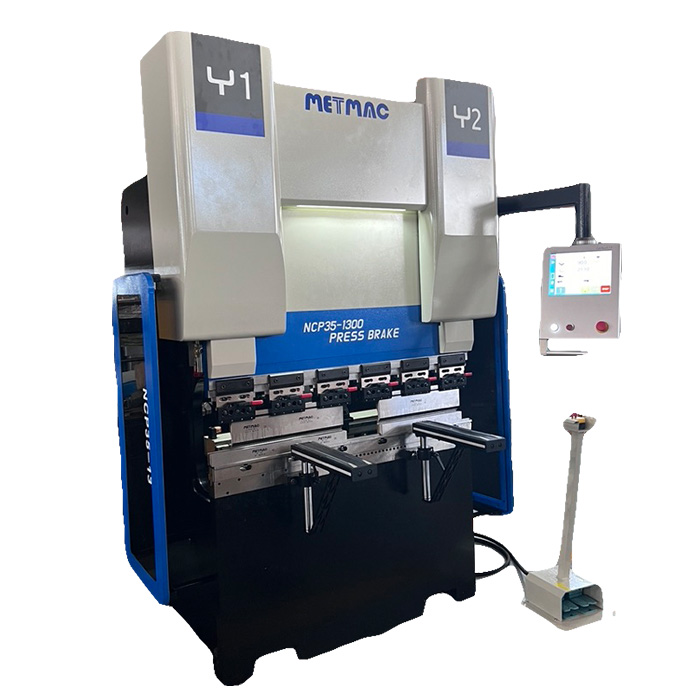
Press Metal Machine: The Definitive Guide to Precision Metal Forming
2026/03/12 -
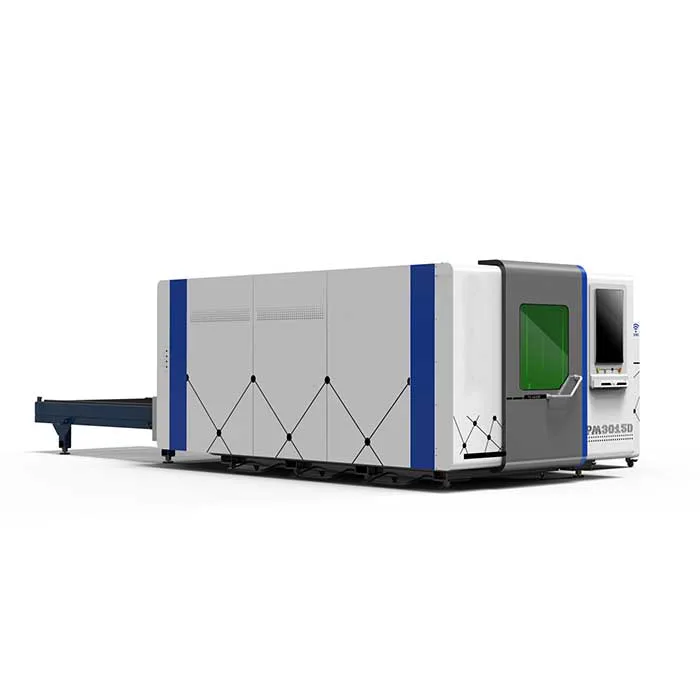
Metal Punching Machine: The Ultimate Guide to Precision Hole Punching
2026/03/10 -
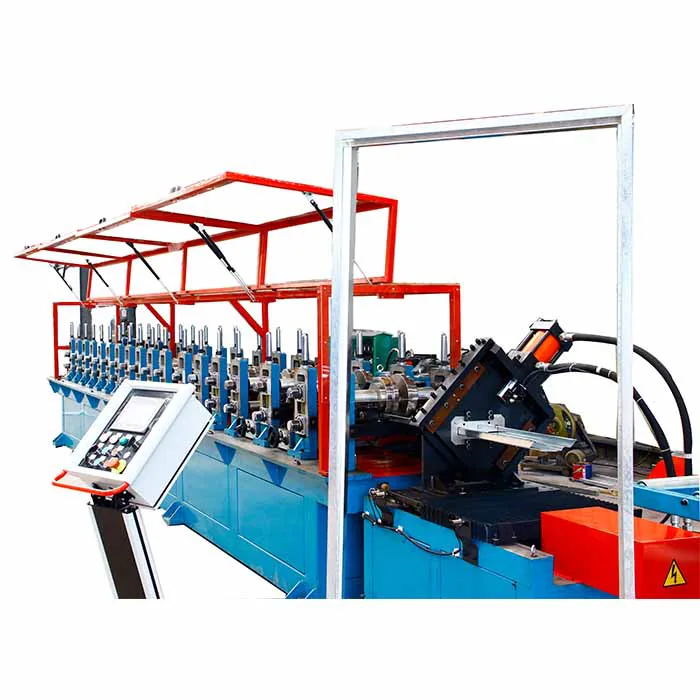
Sheet Metal Machinery: The Ultimate Guide to Industrial Fabrication Excellence
2026/03/04 -
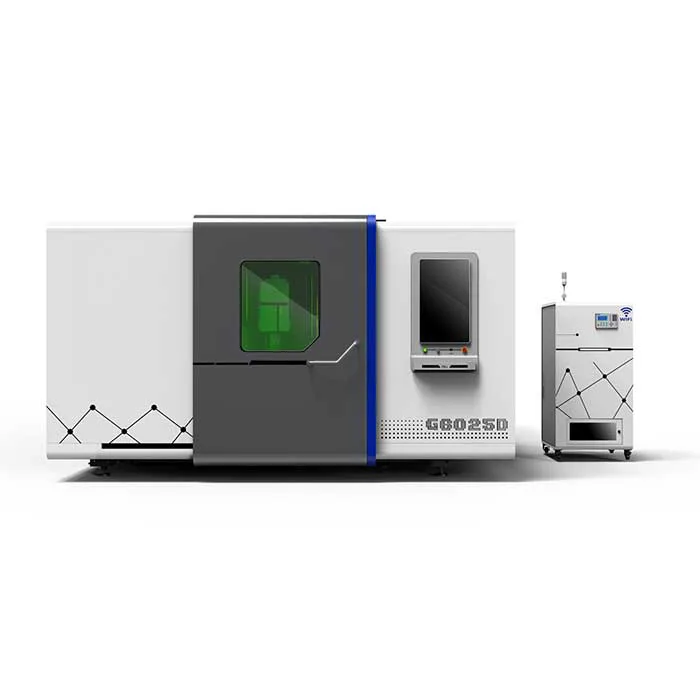
Iron Sheet Laser Cutting Machine: Unmatched Precision for Demanding Fabrication with METMAC
2026/01/06
-
Sheet Metal Press Brake: Ultimate Guide to Precision Bending Technology in 2024
2026/03/13 -
Metal Punching Machine: Ultimate Guide to Precision Manufacturing in 2024
2026/03/11 -
Metal Folding Machine: Comprehensive Guide to Precision Bending in 2024
2026/03/09 -
Sheet Metal Equipment: Ultimate Guide to Industrial Fabrication Solutions in 2026
2026/03/06
-
A Guide to the Latest Innovations in Sheet Metal Folding Machines
2024/11/29 -
Key Features to Consider When Investing in a Sheet Metal Folding Machine
2024/11/28 -
Enhancing Precision with Advanced Sheet Metal Folding Machines
2024/11/27 -
How to Choose the Right Sheet Metal Folding Machine for Your Workshop
2024/11/26
