


Choosing the Right Materials for Laser Sheet Cutting
Introduction
Laser sheet cutting has become an indispensable tool for manufacturers, offering unparalleled precision, speed, and efficiency. However, selecting the optimal material for your laser cutting project is crucial to ensure the best possible results. This article will guide you through the key factors to consider when choosing materials for laser sheet cutting, empowering you to make informed decisions for your next project.
Material Properties
The first step in choosing the right material is understanding its properties. Laser sheet cutting is suitable for various materials, including:
Metals: Stainless steel, aluminum, copper, and brass
Plastics: Acrylic, polycarbonate, PET, and HDPE
Wood: Plywood, MDF, and hardwood
Ceramics: Porcelain, tiles, and glass
Consider the following properties of each material:
Thickness: The laser’s power and wavelengths determine the maximum thickness that can be effectively cut.
Reflectivity: Highly reflective materials, such as aluminum, require higher laser power or wavelength adjustments.
Thermal conductivity: Materials with high thermal conductivity can dissipate heat quickly, affecting the cutting speed and edge quality.
Melting point: The material’s melting point should be higher than the laser’s operating temperature to prevent material vaporization.
Laser Parameters
The laser parameters also play a crucial role in material selection. Consider:
Laser power: Higher laser power allows for thicker cuts and faster cutting speeds.
Wavelength: Different materials respond better to specific laser wavelengths.
Pulse repetition rate: The frequency of laser pulses affects the energy delivered to the material and the cutting speed.
Application Considerations
The intended application of the cut pieces should be a guiding factor in material selection. For example:
Structural components: Opt for materials with high strength-to-weight ratio and durability.
Decorative elements: Consider materials with aesthetic appeal and low reflectivity.
Electrical insulation: Materials with high electrical resistance are essential for electrical applications.
Conclusion
Choosing the right materials for laser sheet cutting requires a thorough understanding of the material properties, laser parameters, and application considerations. By carefully evaluating these factors, you can select the optimal material that ensures high-quality cuts, efficient production, and successful project outcomes. Remember to consult with experienced laser cutting professionals for further guidance and ensure the best possible results.
-
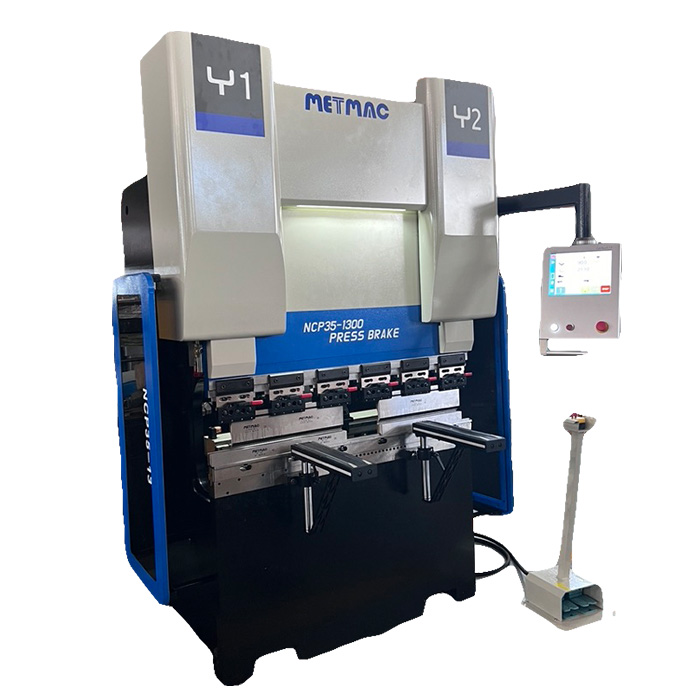
Press Metal Machine: The Definitive Guide to Precision Metal Forming
2026/03/12 -
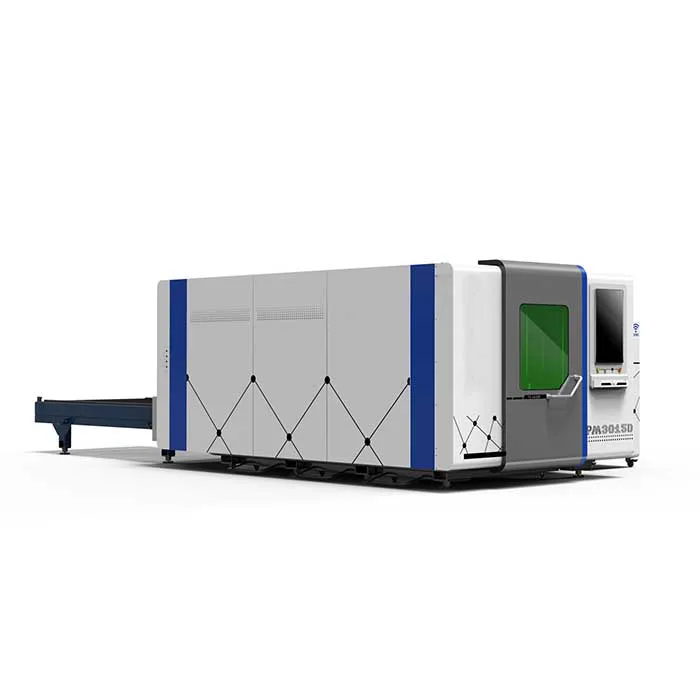
Metal Punching Machine: The Ultimate Guide to Precision Hole Punching
2026/03/10 -
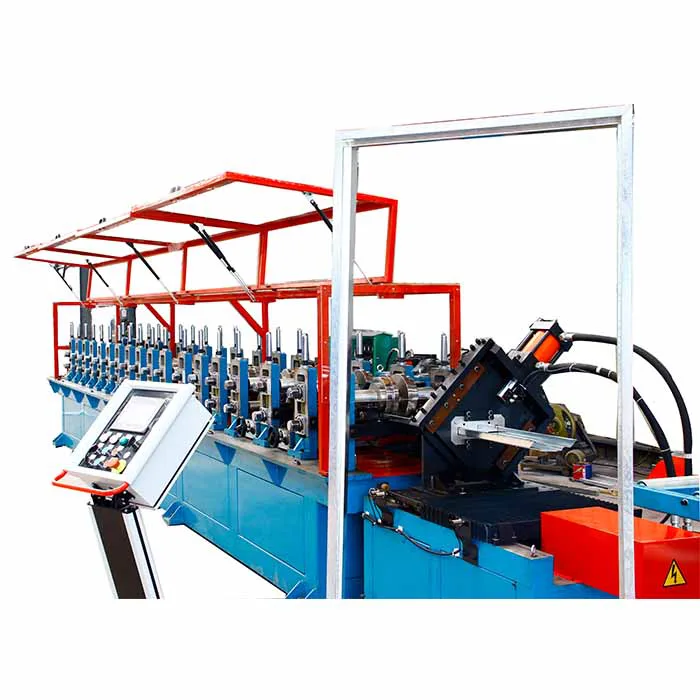
Sheet Metal Machinery: The Ultimate Guide to Industrial Fabrication Excellence
2026/03/04 -
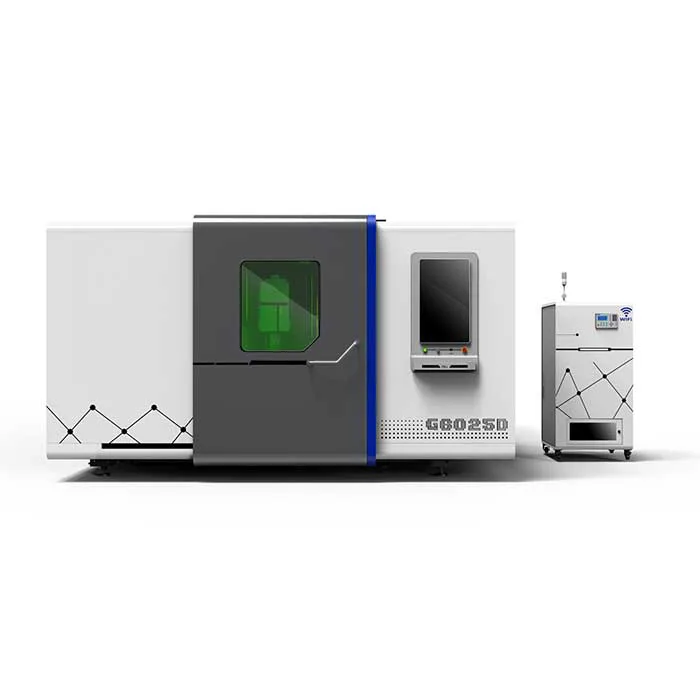
Iron Sheet Laser Cutting Machine: Unmatched Precision for Demanding Fabrication with METMAC
2026/01/06
-
Sheet Metal Press Brake: Ultimate Guide to Precision Bending Technology in 2024
2026/03/13 -
Metal Punching Machine: Ultimate Guide to Precision Manufacturing in 2024
2026/03/11 -
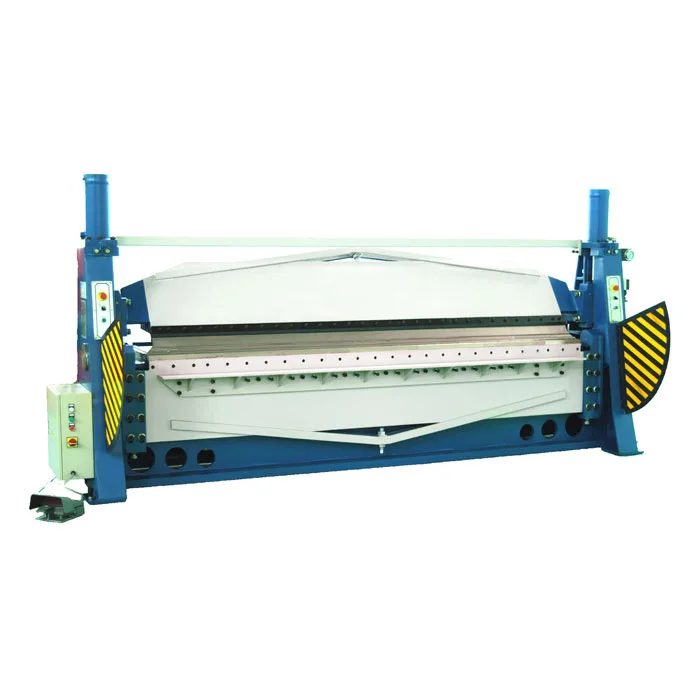
Metal Folding Machine: Comprehensive Guide to Precision Bending in 2024
2026/03/09 -
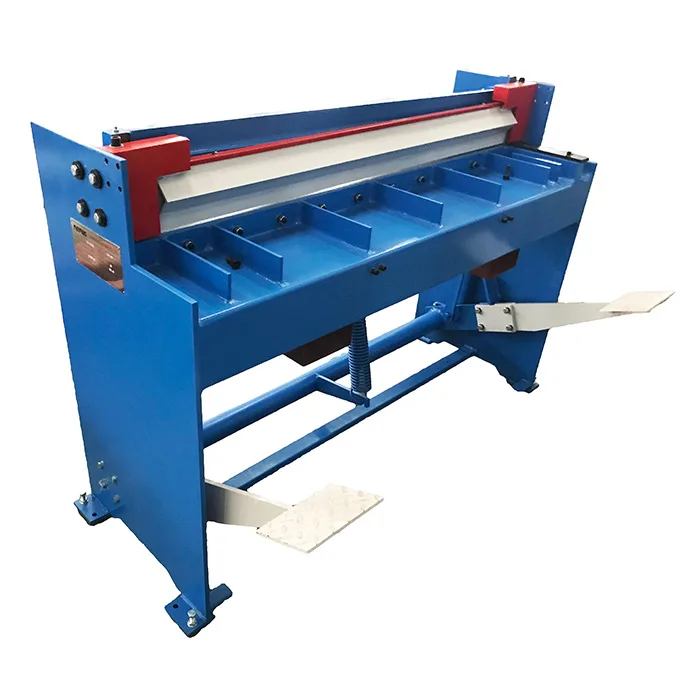
Sheet Metal Equipment: Ultimate Guide to Industrial Fabrication Solutions in 2026
2026/03/06
-
A Guide to the Latest Innovations in Sheet Metal Folding Machines
2024/11/29 -
Key Features to Consider When Investing in a Sheet Metal Folding Machine
2024/11/28 -
Enhancing Precision with Advanced Sheet Metal Folding Machines
2024/11/27 -
How to Choose the Right Sheet Metal Folding Machine for Your Workshop
2024/11/26
