

Choosing the Best Size and Capacity for Steel Sheet Forming Machines
In the realm of metal fabrication, steel sheet forming machines reign supreme, offering unparalleled precision and efficiency in shaping the world’s most enduring material. Selecting the optimal size and capacity for your machine is a critical decision, one that can make or break your productivity and profitability.
Assessing Your Needs: What’s Your Metal Musing?
Before embarking on your machine-hunting quest, it’s essential to determine the specific requirements of your projects. Considerations include:
Material Thickness: From delicate sheet metal to heavy-duty plates, different thicknesses demand varying levels of forming force.
Part Dimensions: The size of your workpieces will dictate the minimum and maximum bed size required.
Production Volume: High-volume operations need machines with robust capacities, while low-volume work may favor smaller, more economical options.
Size Matters: A Tale of Inches and Tonnage
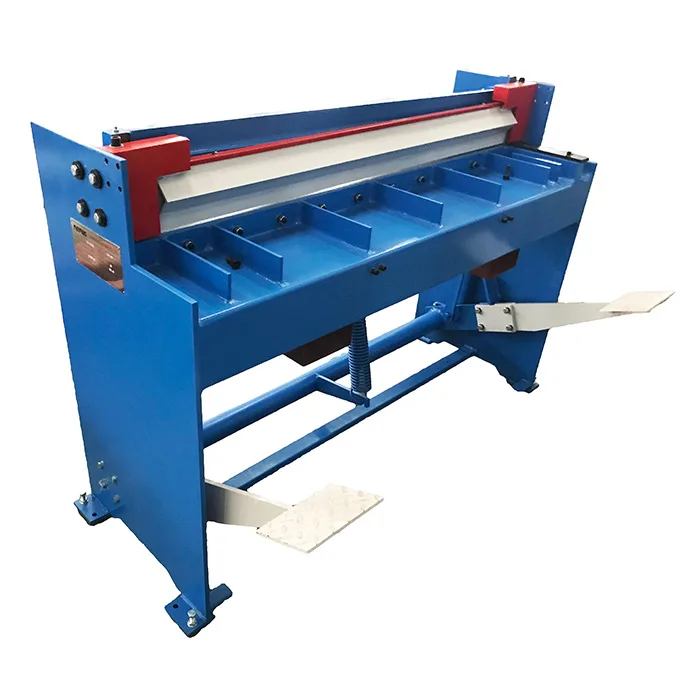
The size of a steel sheet forming machine encompasses its bed dimensions and forming capacity. Bed size refers to the length and width of the work surface, while forming capacity indicates the thickness of the material the machine can handle.
Choosing the right bed size ensures that your parts fit comfortably without overhang. The forming capacity, measured in tons, determines the maximum force the machine can exert to bend, punch, or form the material.
Capacity Considerations: Bending the Rules
Understanding the different types of forming processes is crucial for selecting the appropriate capacity. Bending applications require higher tonnage than shearing or punching, as they involve deforming the material over a larger area.
For instance, a machine with a 10-ton capacity may suffice for punching thin sheets, but it may struggle with bending thicker materials. Conversely, a higher tonnage machine offers greater flexibility, allowing you to tackle a wider range of projects.
Maximizing Your Investment: Size and Capacity Harmony
Choosing the right size and capacity for your steel sheet forming machine ensures optimal performance and efficiency. By carefully assessing your needs and selecting a machine that perfectly aligns with them, you’ll maximize your investment and unleash the full potential of this versatile metalworking workhorse.
-
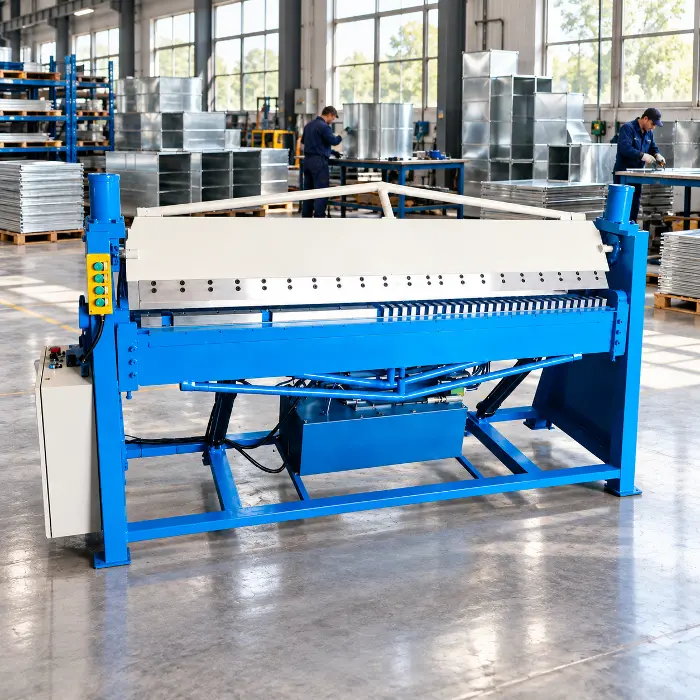
Choosing HVAC Duct Folding Machines for Flange-Safe Bending
2026/10/13 -
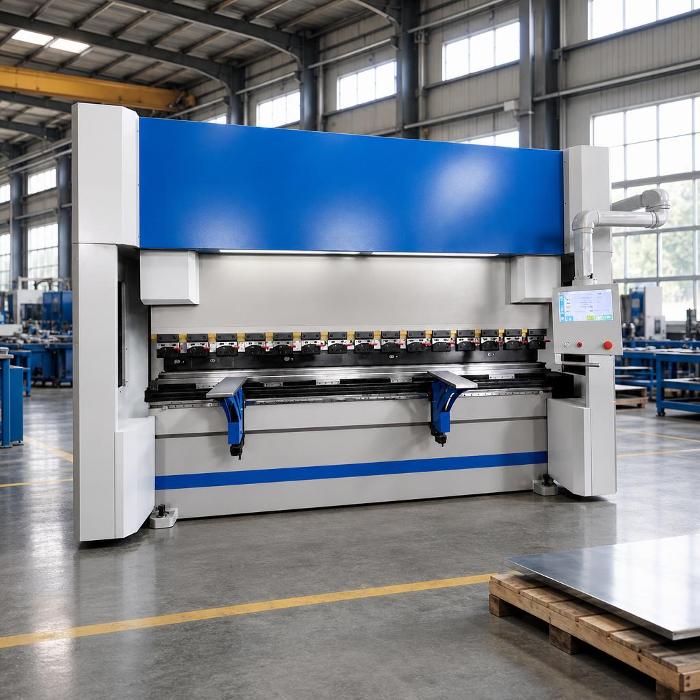
Precision Metal Forming Machines: What Separates Accurate Bends From Scrapped Sheet
2026/10/12 -
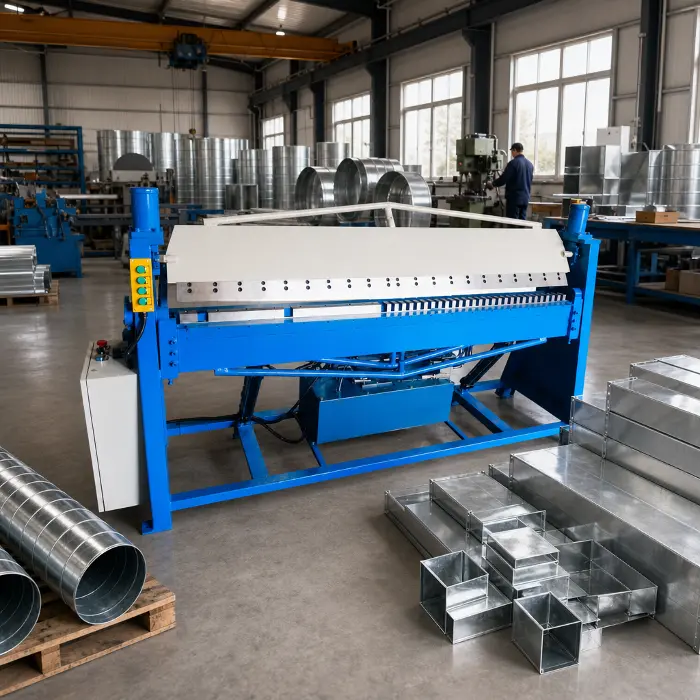
What to Look for in an HVAC Folding Machine Manufacturer
2026/10/11 -
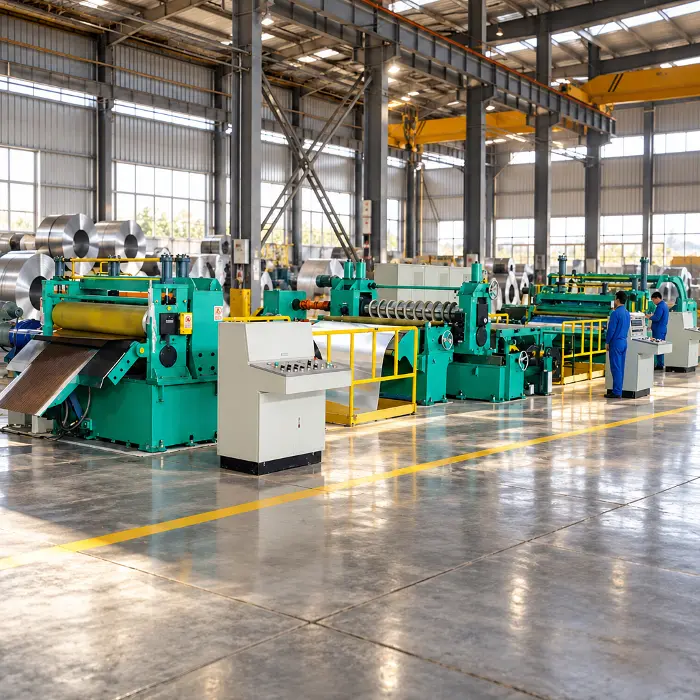
Steel Strip Cutting Machine: Engineering Precision in Modern Metal Processing
2026/10/10
-
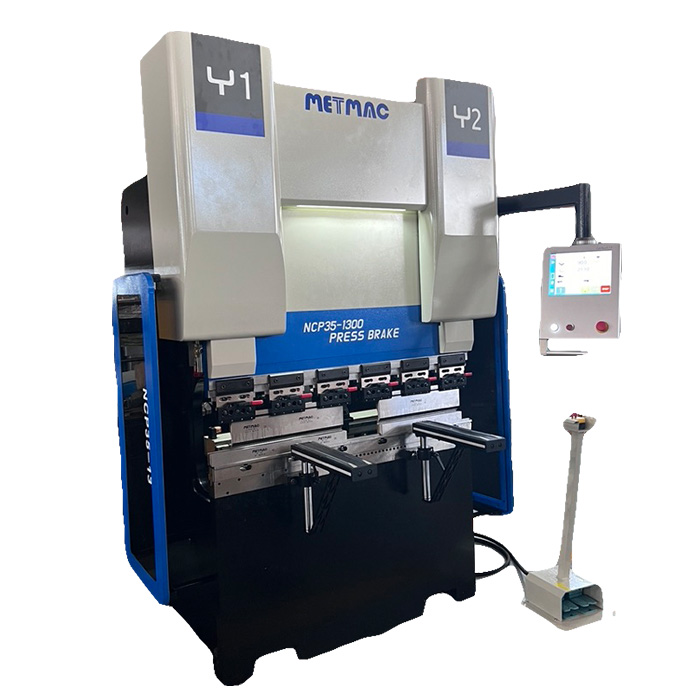
Sheet Metal Press Brake: Ultimate Guide to Precision Bending Technology in 2024
2026/03/13 -
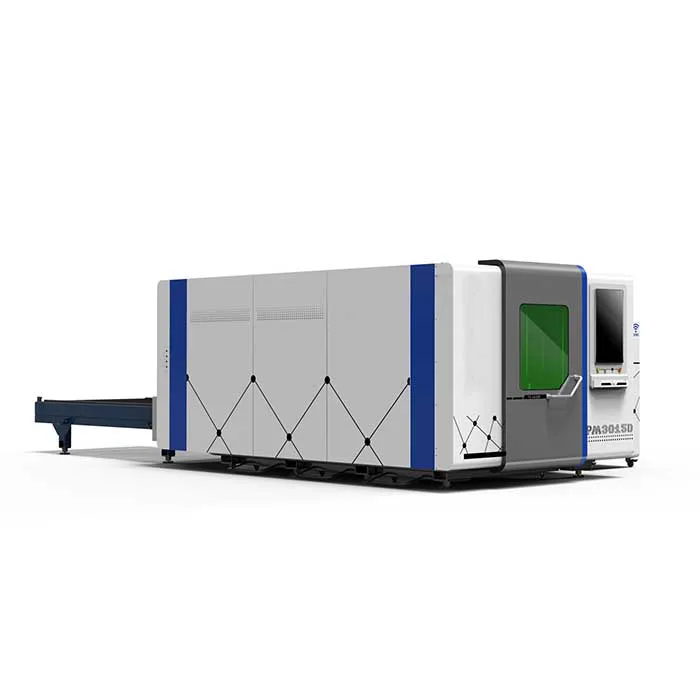
Metal Punching Machine: Ultimate Guide to Precision Manufacturing in 2024
2026/03/11 -
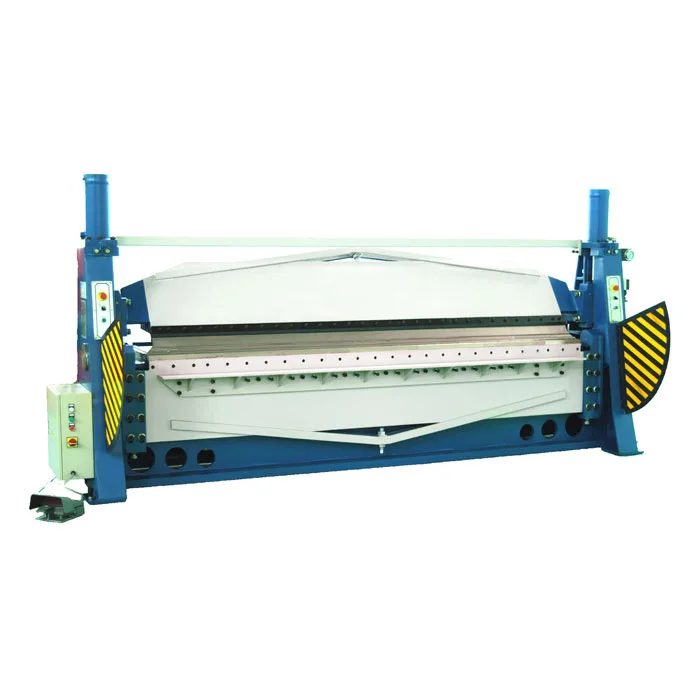
Metal Folding Machine: Comprehensive Guide to Precision Bending in 2024
2026/03/09 -
Sheet Metal Equipment: Ultimate Guide to Industrial Fabrication Solutions in 2026
2026/03/06
-
Understanding the Role and Function of Steel Strip Slitting Machines
2024/05/11 -
Maintenance Tips for Longevity of HVAC Duct Machines
2024/05/11 -
Innovations in Steel Strip Slitting Machine Design and Technology
2024/05/11 -
Improving Accuracy in Metal Fabrication with Laser Metal Shear Machines
2024/05/11
-
A Guide to the Latest Innovations in Sheet Metal Folding Machines
2024/11/29 -
Key Features to Consider When Investing in a Sheet Metal Folding Machine
2024/11/28 -
Enhancing Precision with Advanced Sheet Metal Folding Machines
2024/11/27 -
How to Choose the Right Sheet Metal Folding Machine for Your Workshop
2024/11/26
