


Choosing the Best Size and Capacity for Sheet Metal Rolling Machines
In the realm of metalworking, the choice of the right sheet metal rolling machine is paramount to achieving precision and efficiency. These machines are fundamental tools for bending and shaping sheet metal into intricate forms, unlocking limitless possibilities in various industries.
When selecting a sheet metal rolling machine, determining the ideal size and capacity is crucial. The size of the machine refers to the maximum width and thickness of the sheet metal it can accommodate. The capacity, on the other hand, indicates the maximum bending force it can exert.
Factors to Consider:
Project Requirements: The size and capacity of the rolling machine should align with the specific project requirements. Consider the maximum width and thickness of the sheet metal you intend to work with.
Materials: Different sheet metal materials have varying bendability. For thicker and stronger materials, a machine with a higher capacity is necessary.
Precision: The accuracy of the bending operations is heavily influenced by the machine’s size and capacity. A larger machine with a higher capacity will provide more precise results.
Automation: Advanced rolling machines offer automated features to enhance productivity. These features include automatic feeding and bending, which can significantly improve efficiency.
Portability: If mobility is important, consider machines designed for portability. Compact and lightweight models are ideal for on-site operations.
Calculating Capacity:
The capacity of a sheet metal rolling machine is typically measured in tons. To estimate the required capacity, consider the following formula:
“`
Capacity = (Yield Strength of Material) x (Sheet Metal Thickness) x (3)
“`
Size and Capacity Recommendations:
Small-scale projects: Machines with a working width of up to 4 feet and a capacity of 10 tons are suitable for lighter materials and smaller projects.
Medium-scale projects: Machines with a working width of 5-8 feet and a capacity of 20-50 tons are ideal for a wider range of materials and projects.
Large-scale projects: Machines with a working width of 10 feet or more and a capacity of 75 tons or higher are designed for heavy-duty applications and thick materials.
Conclusion:
Choosing the right size and capacity for a sheet metal rolling machine is essential for optimal performance and project success. By carefully considering the factors discussed above and calculating the required capacity, you can ensure that your machine meets your specific needs and empowers you to achieve exceptional results in metalworking.
-
Choosing HVAC Duct Folding Machines for Flange-Safe Bending
2026/10/13 -
Precision Metal Forming Machines: What Separates Accurate Bends From Scrapped Sheet
2026/10/12 -
What to Look for in an HVAC Folding Machine Manufacturer
2026/10/11 -
Steel Strip Cutting Machine: Engineering Precision in Modern Metal Processing
2026/10/10
-
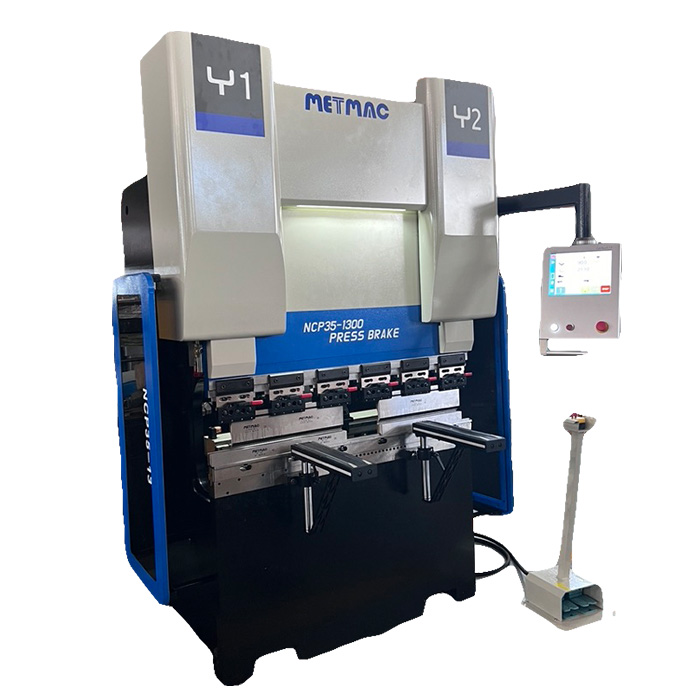
Sheet Metal Press Brake: Ultimate Guide to Precision Bending Technology in 2024
2026/03/13 -
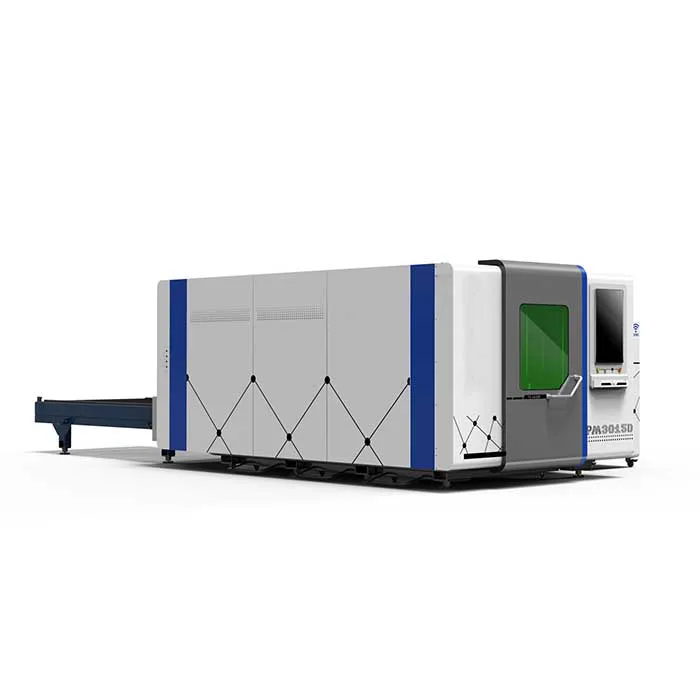
Metal Punching Machine: Ultimate Guide to Precision Manufacturing in 2024
2026/03/11 -
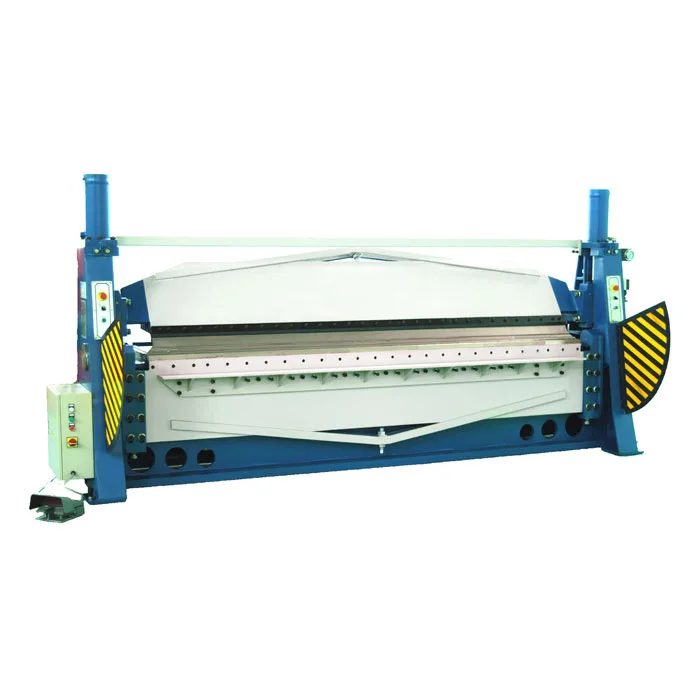
Metal Folding Machine: Comprehensive Guide to Precision Bending in 2024
2026/03/09 -
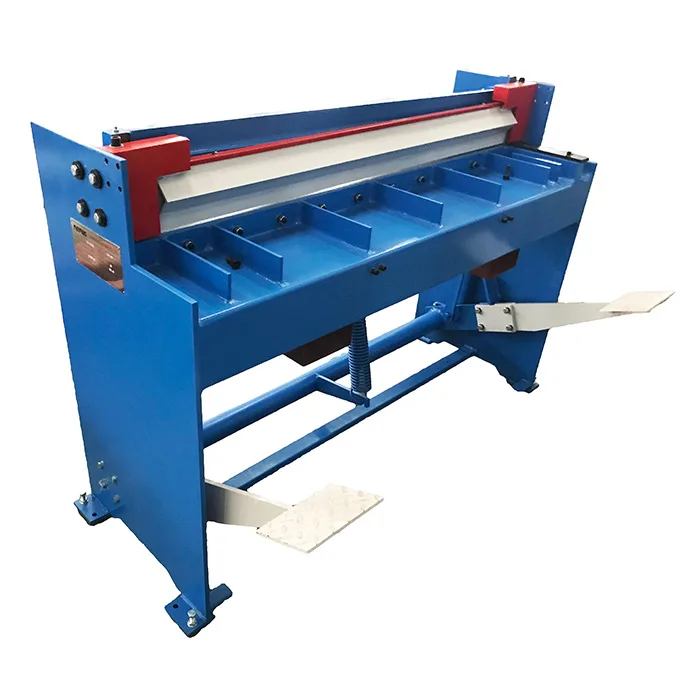
Sheet Metal Equipment: Ultimate Guide to Industrial Fabrication Solutions in 2026
2026/03/06
-
A Guide to the Latest Innovations in Sheet Metal Folding Machines
2024/11/29 -
Key Features to Consider When Investing in a Sheet Metal Folding Machine
2024/11/28 -
Enhancing Precision with Advanced Sheet Metal Folding Machines
2024/11/27 -
How to Choose the Right Sheet Metal Folding Machine for Your Workshop
2024/11/26
