


Choosing the Best Size and Capacity for Sheet Forming Machines
In the realm of metalworking, sheet forming machines reign supreme as indispensable tools for shaping and transforming sheet metal into intricate components and robust structures. Selecting the ideal size and capacity for your sheet forming machine is paramount to ensure optimal performance and efficiency in your fabrication operations.
Size: A Matter of Space and Scope
The size of a sheet forming machine refers to its physical dimensions, which determine the maximum sheet size it can accommodate. Consider the dimensions of the sheet metal you typically work with and the size of the final products you aim to produce. A machine that is too small may restrict your production capabilities, while one that is excessively large may occupy valuable floor space and increase operating costs.
Capacity: Power and Precision
Capacity, on the other hand, relates to the machine’s ability to form and deform sheet metal. It is typically expressed in tons or kilonewtons and represents the maximum force the machine can exert. The capacity you require depends on the thickness and material properties of the sheets you plan to process. Thicker or more resistant materials necessitate higher capacities to achieve the desired deformation.
Factors to Consider
To choose the ideal size and capacity for your sheet forming machine, consider the following factors:
Sheet size and thickness: Determine the maximum sheet dimensions and thickness you need to process.
Forming requirements: Identify the types of forming operations you intend to perform, including bending, shearing, punching, and flanging.
Throughput: Estimate the volume of sheet metal you anticipate forming within a given period.
Available space: Ensure the machine fits comfortably within your workshop or production area.
The Importance of Optimization
Selecting the correct size and capacity for your sheet forming machine not only optimizes production but also enhances safety and productivity. An appropriately sized machine minimizes the risk of accidents and ensures that the machine operates efficiently, reducing downtime and energy consumption.
Conclusion
Choosing the best size and capacity for sheet forming machines is a critical decision that requires careful consideration of your specific requirements. By matching the machine’s dimensions and capabilities to your production needs, you can unlock the full potential of your sheet metal fabrication operations and achieve exceptional results.
-
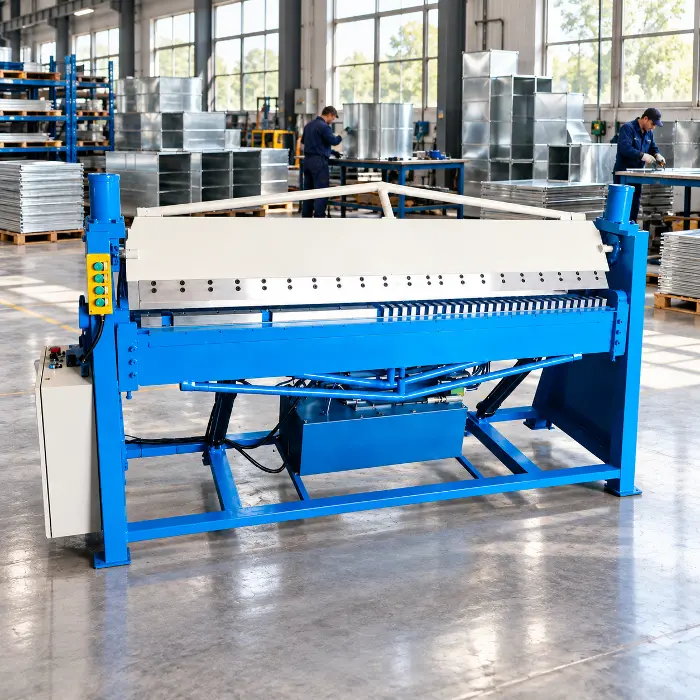
Choosing HVAC Duct Folding Machines for Flange-Safe Bending
2026/10/13 -
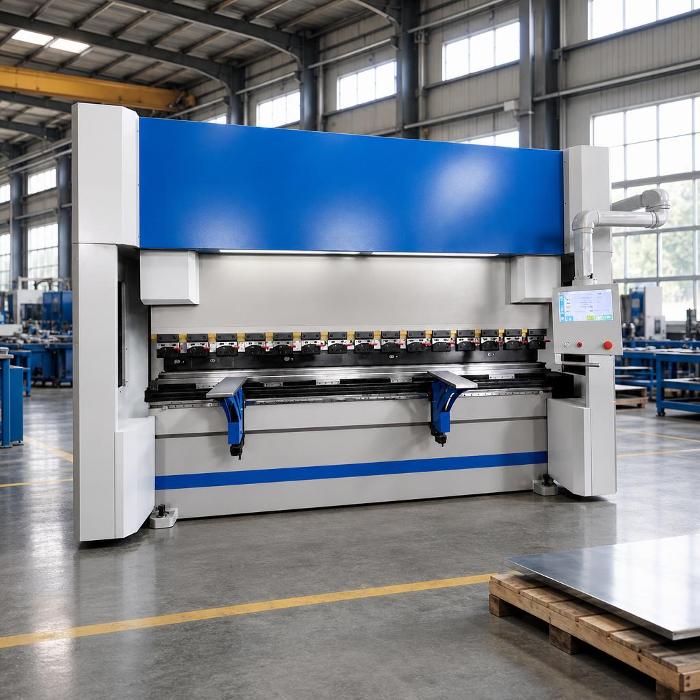
Precision Metal Forming Machines: What Separates Accurate Bends From Scrapped Sheet
2026/10/12 -
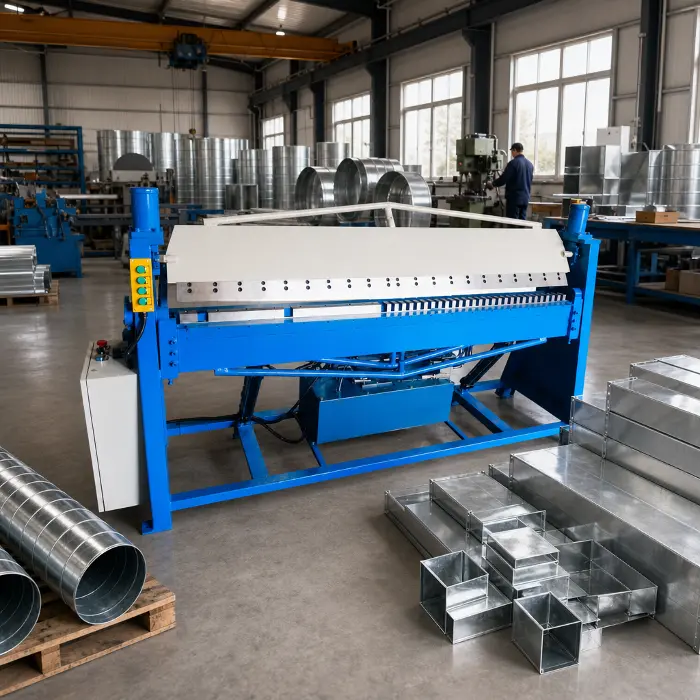
What to Look for in an HVAC Folding Machine Manufacturer
2026/10/11 -
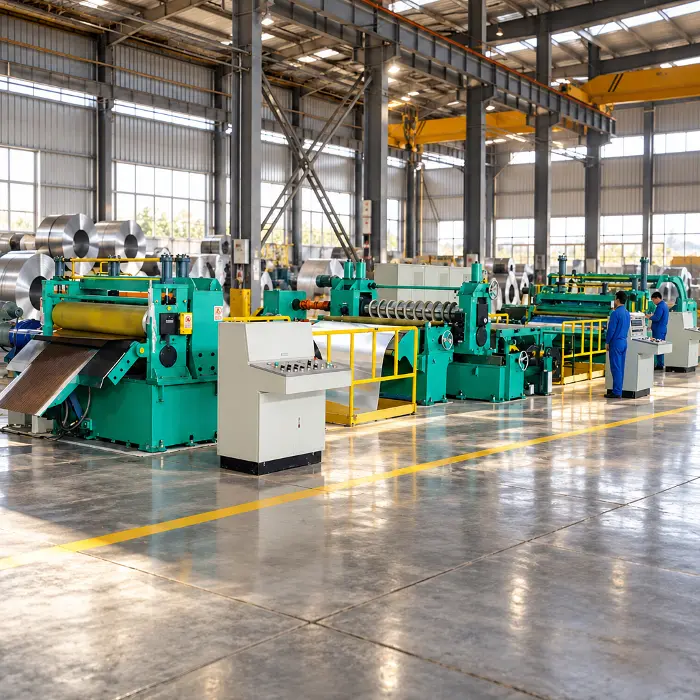
Steel Strip Cutting Machine: Engineering Precision in Modern Metal Processing
2026/10/10
-
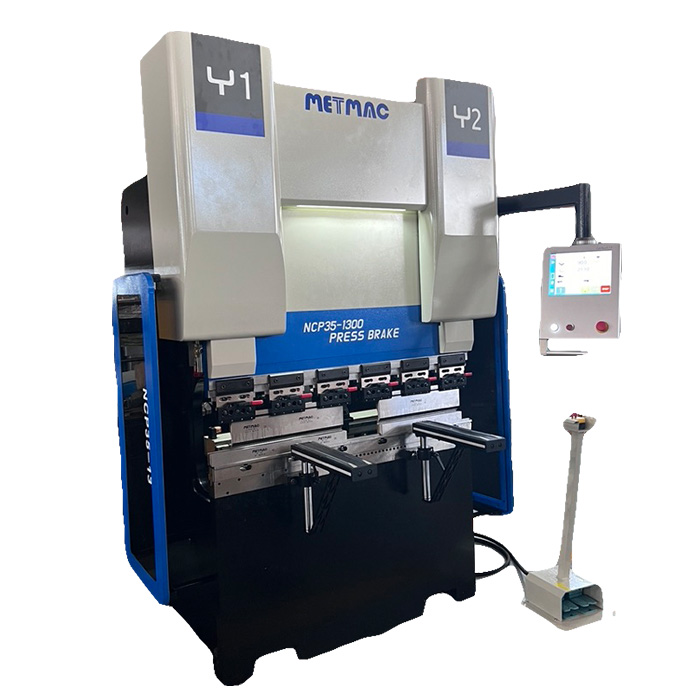
Sheet Metal Press Brake: Ultimate Guide to Precision Bending Technology in 2024
2026/03/13 -
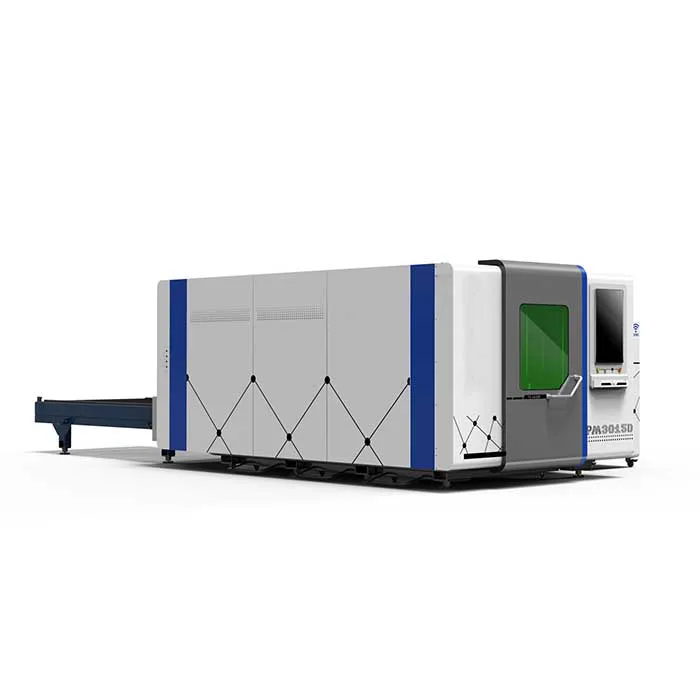
Metal Punching Machine: Ultimate Guide to Precision Manufacturing in 2024
2026/03/11 -
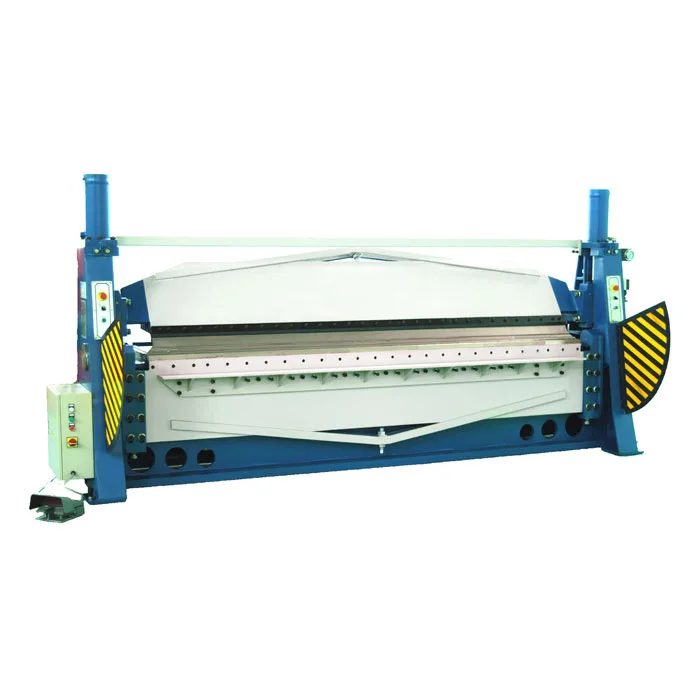
Metal Folding Machine: Comprehensive Guide to Precision Bending in 2024
2026/03/09 -
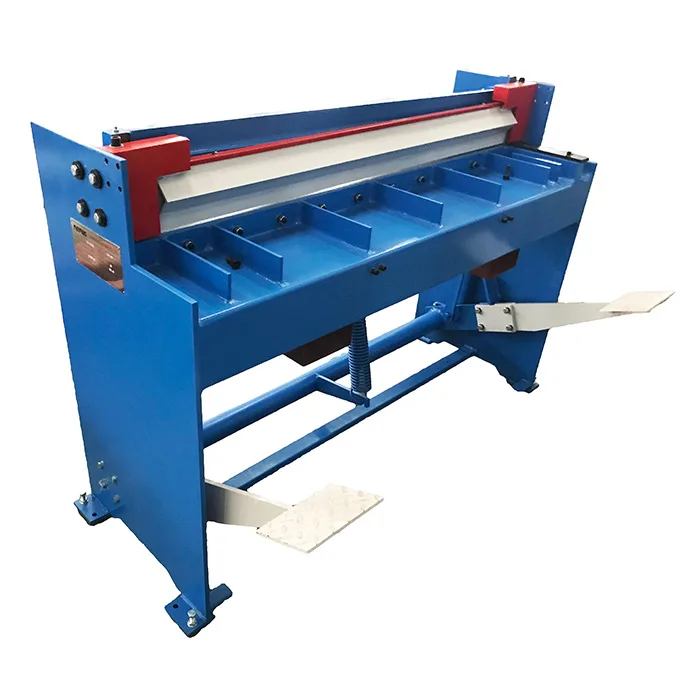
Sheet Metal Equipment: Ultimate Guide to Industrial Fabrication Solutions in 2026
2026/03/06
-
Latest Technological Advancements in Rectangular Duct Machines
2024/05/11 -
Integrating Automation with Rectangular Duct Machines for Enhanced Productivity
2024/05/11 -
Metal Shear Machines- Essential Tools for Precision Metal Cutting
2024/05/11 -
Understanding the Role and Function of Steel Strip Slitting Machines
2024/05/11
-
A Guide to the Latest Innovations in Sheet Metal Folding Machines
2024/11/29 -
Key Features to Consider When Investing in a Sheet Metal Folding Machine
2024/11/28 -
Enhancing Precision with Advanced Sheet Metal Folding Machines
2024/11/27 -
How to Choose the Right Sheet Metal Folding Machine for Your Workshop
2024/11/26
