

Choosing the Best Size and Capacity for Metal Plate Rolling Machines
Metal plate rolling machines are essential tools for bending and shaping metal plates into cylindrical or conical forms. Selecting the right size and capacity machine is crucial to ensure efficient and accurate performance. Several factors should be considered when making this decision:
Plate Thickness and Width
Thickness: The thickness of the metal plate determines the minimum bending radius and roller capacity required. Thicker plates require machines with higher tonnage capacities.
Width: The width of the plate dictates the length of the rollers. Machines with longer rollers can handle wider plates.
Bending Radius and Profile
Bending radius: The minimum bending radius a machine can achieve is based on the roller diameter. Smaller rollers produce tighter radii.
Profile: Different machine types, such as three-roll or four-roll machines, can produce different bending profiles. Consider the desired shape when selecting the machine.
Production Volume and Efficiency
Production volume: High-volume operations require machines with higher tonnage capacities and faster speeds.
Efficiency: Automated machines with features like CNC controls can improve efficiency and reduce labor costs.
Material Type
Material yield strength: The yield strength of the metal plate affects the bending force required. Harder materials necessitate machines with higher tonnage capacities.
Material type: Some machines are designed for specific materials, such as stainless steel or aluminum.
Additional Considerations
Budget: The cost of the machine is a critical factor. Consider the initial investment as well as ongoing maintenance and operating expenses.
Floor space: The footprint of the machine should fit within the available workspace.
Safety features: Ensure the machine complies with safety standards and includes features to protect operators.
Conclusion
Selecting the right size and capacity metal plate rolling machine requires a thorough evaluation of the factors outlined above. By considering the specific application, material characteristics, and production requirements, businesses can optimize their operations and achieve the desired results. An appropriately sized machine will ensure efficient bending, quality output, and a safe and productive work environment.
-
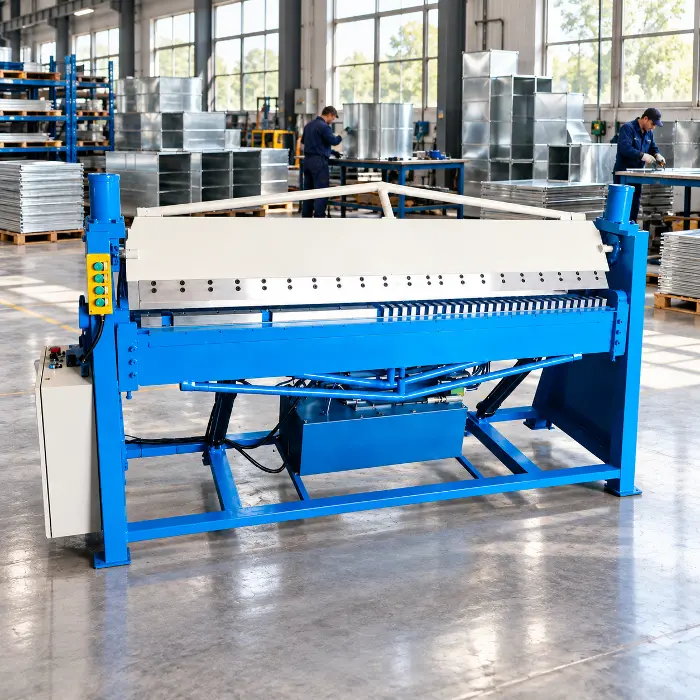
Choosing HVAC Duct Folding Machines for Flange-Safe Bending
2026/10/13 -
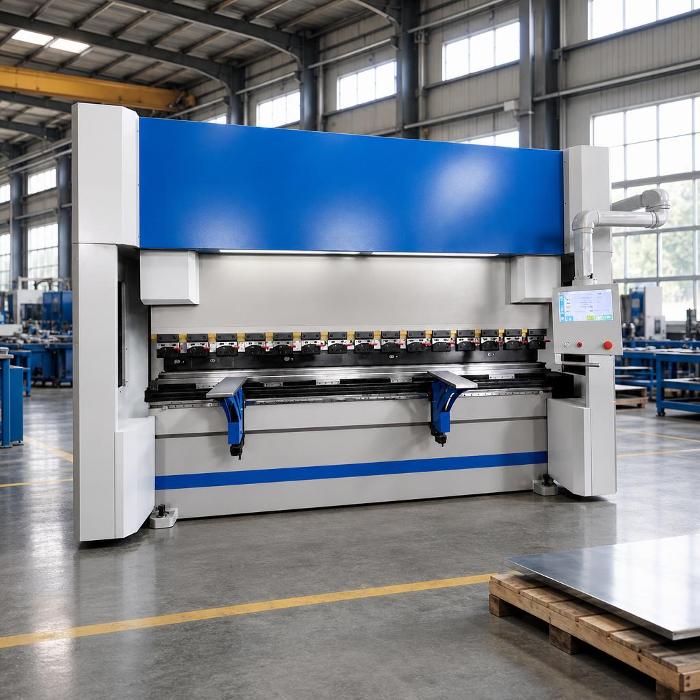
Precision Metal Forming Machines: What Separates Accurate Bends From Scrapped Sheet
2026/10/12 -
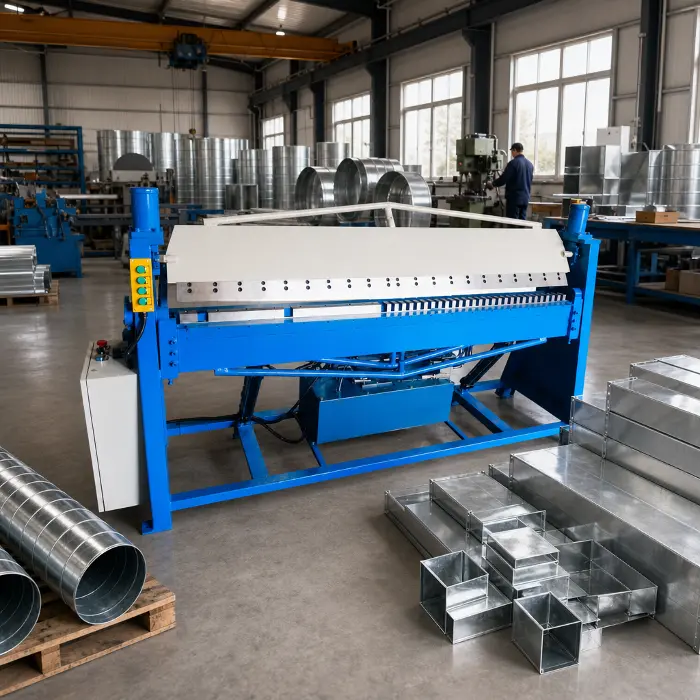
What to Look for in an HVAC Folding Machine Manufacturer
2026/10/11 -
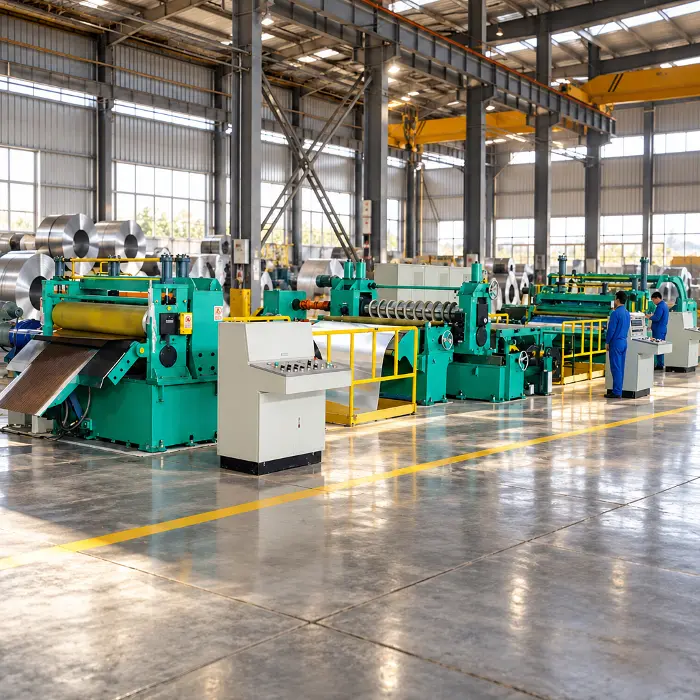
Steel Strip Cutting Machine: Engineering Precision in Modern Metal Processing
2026/10/10
-
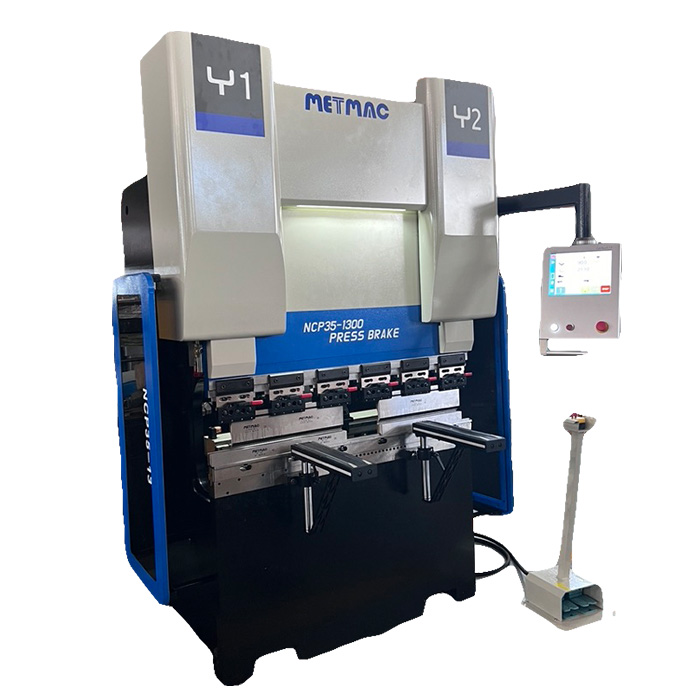
Sheet Metal Press Brake: Ultimate Guide to Precision Bending Technology in 2024
2026/03/13 -
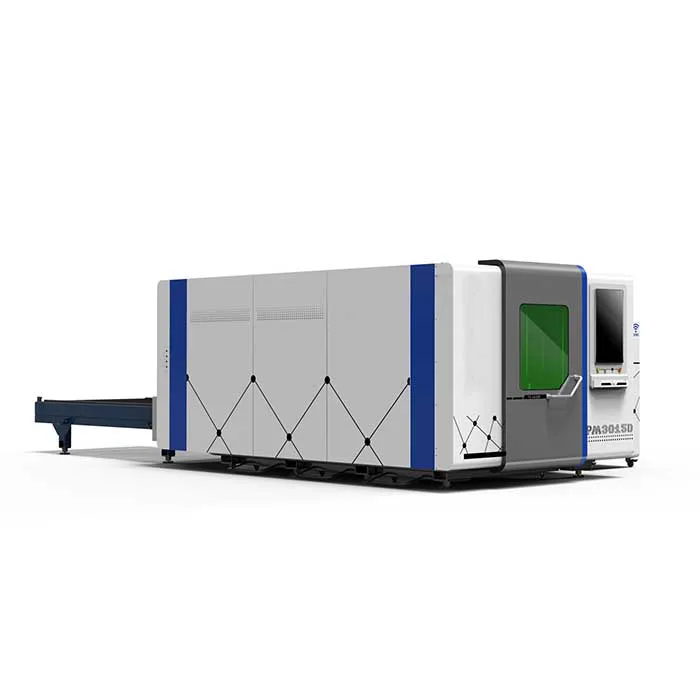
Metal Punching Machine: Ultimate Guide to Precision Manufacturing in 2024
2026/03/11 -
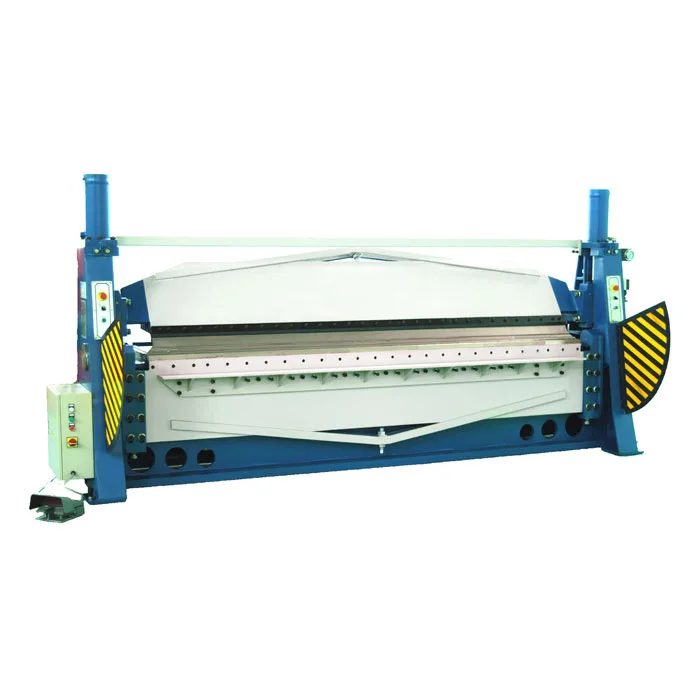
Metal Folding Machine: Comprehensive Guide to Precision Bending in 2024
2026/03/09 -
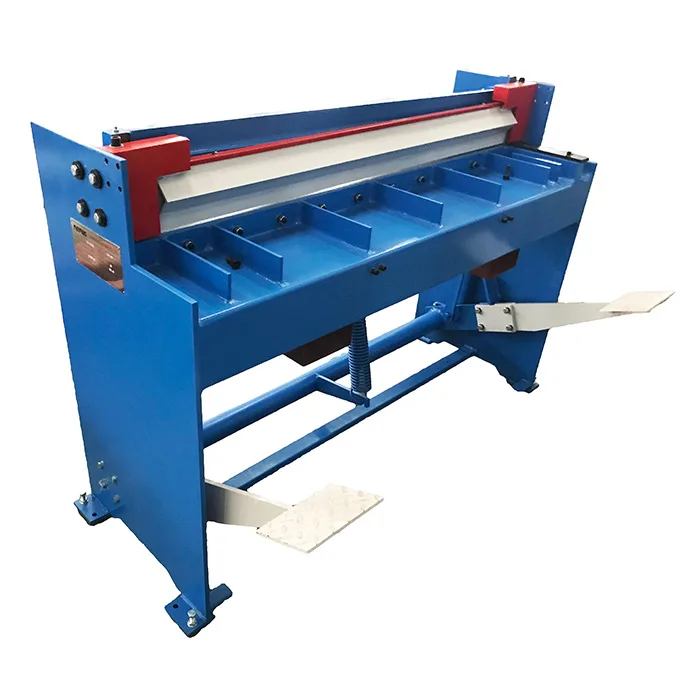
Sheet Metal Equipment: Ultimate Guide to Industrial Fabrication Solutions in 2026
2026/03/06
-
A Guide to the Latest Innovations in Sheet Metal Folding Machines
2024/11/29 -
Key Features to Consider When Investing in a Sheet Metal Folding Machine
2024/11/28 -
Enhancing Precision with Advanced Sheet Metal Folding Machines
2024/11/27 -
How to Choose the Right Sheet Metal Folding Machine for Your Workshop
2024/11/26
