


Choosing Between Manual and CNC Sheet Bending Machines
Choosing Between Manual and CNC Sheet Bending Machines: The Ultimate Guide
In the realm of sheet metal fabrication, precision and efficiency are paramount. When it comes to bending sheets, the choice between manual and CNC (computer numerical control) sheet bending machines can make a world of difference.
Manual Sheet Bending Machines
Manual bending machines are the traditional workhorse of sheet metal shops. They offer a high level of control over the bending process, allowing skilled operators to create intricate bends with precision. However, they are labor-intensive and require significant training and experience to use effectively.
Pros:
Precise control
Low initial investment
Suitable for small batch production
Cons:
Slow production speeds
Labor-intensive
Requires skilled operators
CNC Sheet Bending Machines
CNC bending machines are the next generation of technology in sheet metal fabrication. They use computer-controlled programs to automate the bending process, resulting in faster speeds, higher accuracy, and reduced labor costs.
Pros:
Fast production speeds
High accuracy and repeatability
Reduced labor costs
Can handle complex bending geometries
Cons:
Higher initial investment
Programming required
May require specialized training for operation
The Ultimate Choice
The best choice between manual and CNC sheet bending machines depends on several factors, including:
Production volume: Manual machines are suitable for small-batch production, while CNC machines excel in high-volume environments.
Precision requirements: CNC machines offer superior accuracy and repeatability, making them ideal for applications demanding precise bends.
Labor availability and cost: Manual machines require skilled operators, while CNC machines can automate the process, reducing labor costs.
Complexity of bends: CNC machines can handle complex bending geometries, such as channels, flanges, and radii.
Budget: Manual machines have a lower initial investment, while CNC machines require a significant upfront cost.
By carefully considering these factors, manufacturers can make an informed decision that will optimize their sheet metal fabrication operations.
-
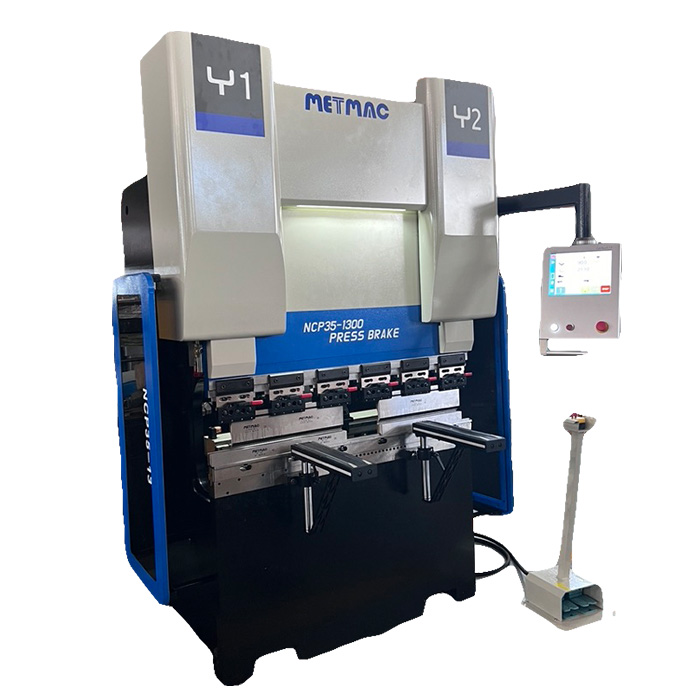
Press Metal Machine: The Definitive Guide to Precision Metal Forming
2026/03/12 -
Metal Punching Machine: The Ultimate Guide to Precision Hole Punching
2026/03/10 -
Sheet Metal Machinery: The Ultimate Guide to Industrial Fabrication Excellence
2026/03/04 -
Iron Sheet Laser Cutting Machine: Unmatched Precision for Demanding Fabrication with METMAC
2026/01/06
-
Sheet Metal Press Brake: Ultimate Guide to Precision Bending Technology in 2024
2026/03/13 -
Metal Punching Machine: Ultimate Guide to Precision Manufacturing in 2024
2026/03/11 -
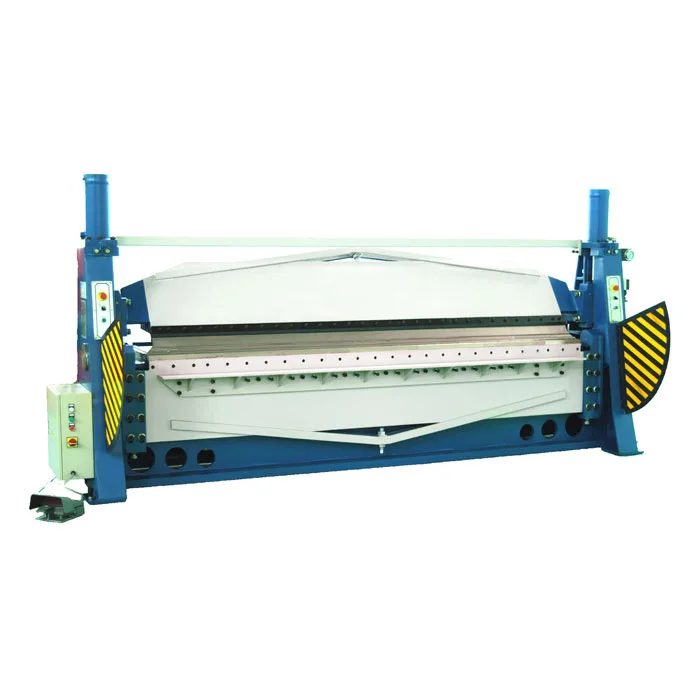
Metal Folding Machine: Comprehensive Guide to Precision Bending in 2024
2026/03/09 -
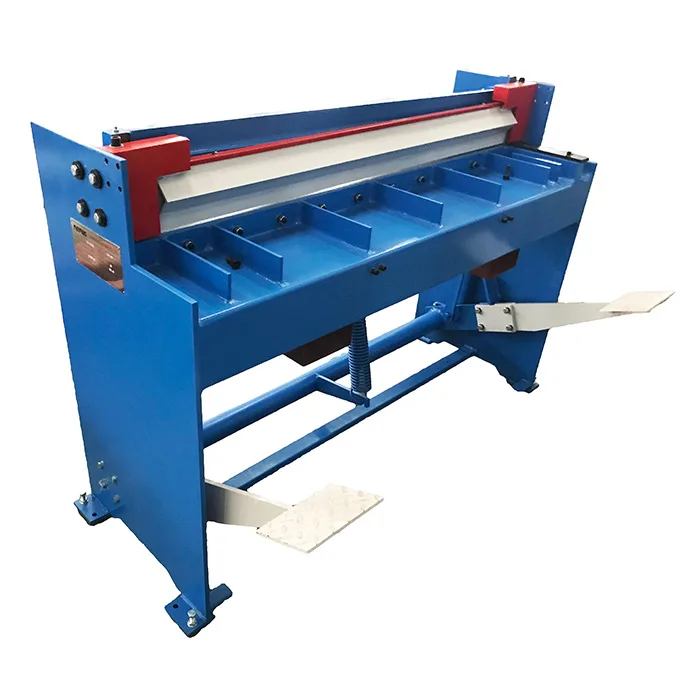
Sheet Metal Equipment: Ultimate Guide to Industrial Fabrication Solutions in 2026
2026/03/06
-
Latest Technological Advancements in Rectangular Duct Machines
2024/05/11 -
Integrating Automation with Rectangular Duct Machines for Enhanced Productivity
2024/05/11 -
Metal Shear Machines- Essential Tools for Precision Metal Cutting
2024/05/11 -
Understanding the Role and Function of Steel Strip Slitting Machines
2024/05/11
-
A Guide to the Latest Innovations in Sheet Metal Folding Machines
2024/11/29 -
Key Features to Consider When Investing in a Sheet Metal Folding Machine
2024/11/28 -
Enhancing Precision with Advanced Sheet Metal Folding Machines
2024/11/27 -
How to Choose the Right Sheet Metal Folding Machine for Your Workshop
2024/11/26
