

Budgeting for a Sheet Bending Machine- Key Considerations
In the arena of sheet metal fabrication, the precision and efficiency of a sheet bending machine are essential for creating intricate and durable components. However, before bringing this formidable tool into your workshop, it’s crucial to embark on a meticulous budgeting journey to ensure you make an informed decision that aligns with your project requirements and financial constraints.
1. Capacity and Size:
Determine the maximum bending length and capacity you need for your projects. Consider not only current requirements but also future potential. A machine that is too small will limit your operations, while an oversized one can lead to underutilization and unnecessary expenses.
2. Type of Bending:
Decide between manual, semi-automatic, and fully automatic bending machines. Manual machines require more physical labor but are cost-effective for low-volume operations. Semi-automatic machines offer a balance of efficiency and affordability, while fully automatic machines excel in high-volume production with precision and speed.
3. Material Thickness and Type:
Identify the thickness and type of sheet metals you will be working with. Different machines have varying capabilities in terms of material thickness and strength. Ensure the machine you choose can handle the materials you need to bend.
4. Tooling and Accessories:
Consider the tooling and accessories required for your specific applications. Specialized bending tools, such as V-dies, U-dies, and radius tools, enhance versatility and enable complex bends. Additional accessories, like back gauges and safety features, improve precision and operator safety.
5. Labor and Training Costs:
Factor in the labor costs associated with operating the machine and the potential need for training for your staff. Consider whether the machine requires specialized operators or if existing staff can be trained quickly and efficiently.
6. Maintenance and Upkeep:
Regular maintenance is essential for the longevity and performance of your sheet bending machine. Estimate the costs of servicing, repairs, and replacement parts. Choose a machine with a proven track record of reliability and easy maintenance.
7. Return on Investment:
Evaluate the potential return on investment (ROI) based on the estimated increased productivity, efficiency, and accuracy that the machine will bring to your operations. Consider both short-term and long-term benefits.
Remember, budgeting for a sheet bending machine is not just about the initial cost but also about making a strategic investment that will empower your fabrication capabilities for years to come. By carefully considering these key factors, you can make an informed decision that aligns with your project goals and ensures a profitable return on your investment.
-
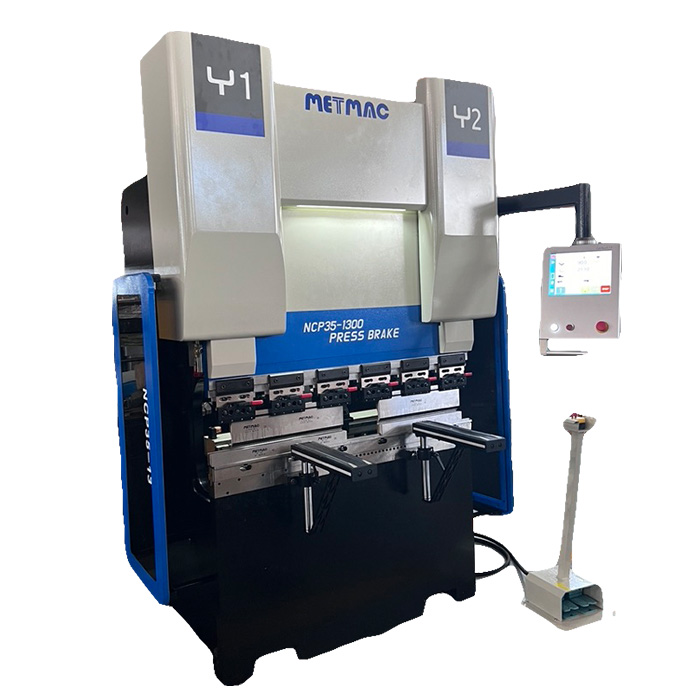
Press Metal Machine: The Definitive Guide to Precision Metal Forming
2026/03/12 -
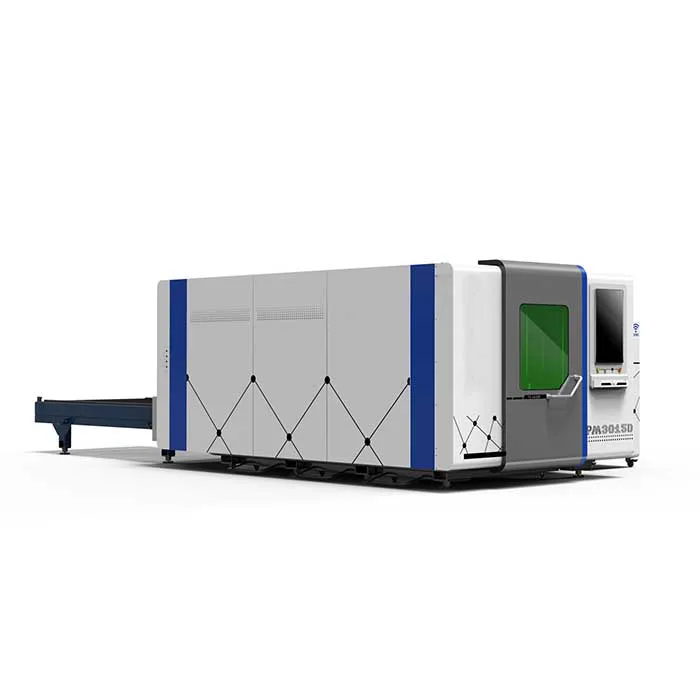
Metal Punching Machine: The Ultimate Guide to Precision Hole Punching
2026/03/10 -
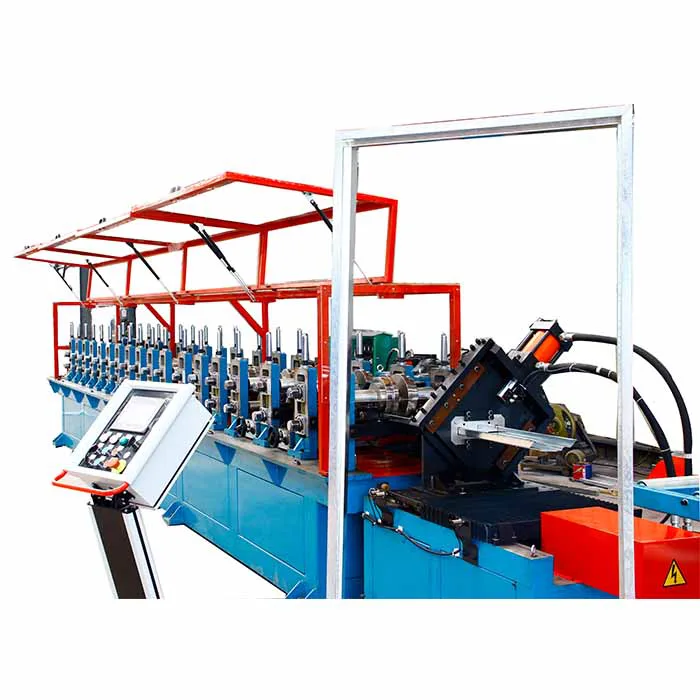
Sheet Metal Machinery: The Ultimate Guide to Industrial Fabrication Excellence
2026/03/04 -
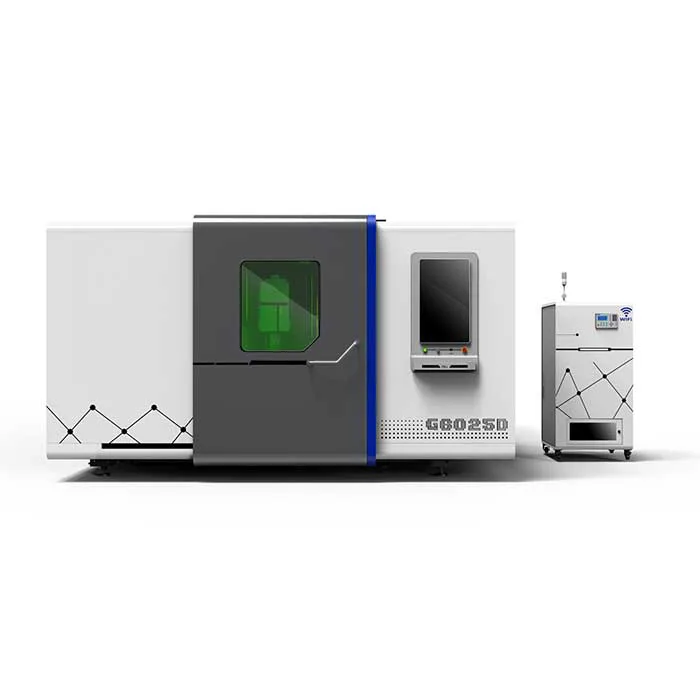
Iron Sheet Laser Cutting Machine: Unmatched Precision for Demanding Fabrication with METMAC
2026/01/06
-
Sheet Metal Press Brake: Ultimate Guide to Precision Bending Technology in 2024
2026/03/13 -
Metal Punching Machine: Ultimate Guide to Precision Manufacturing in 2024
2026/03/11 -
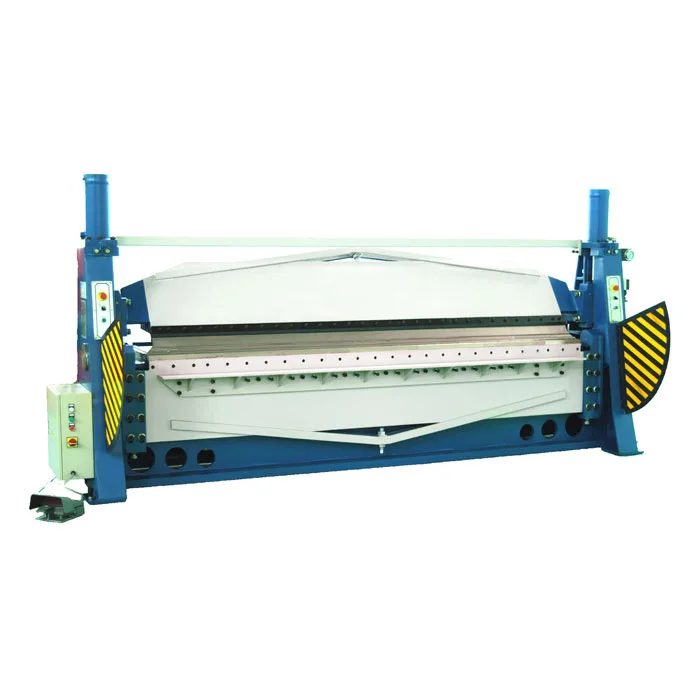
Metal Folding Machine: Comprehensive Guide to Precision Bending in 2024
2026/03/09 -
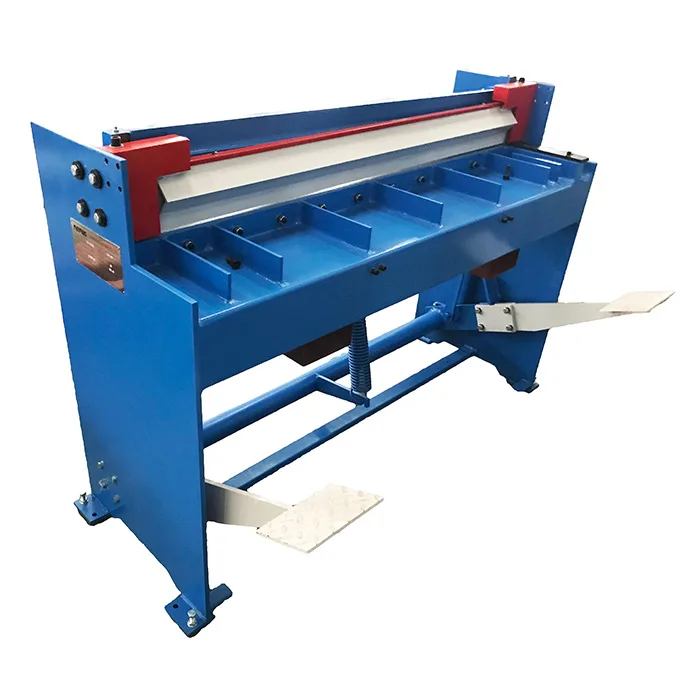
Sheet Metal Equipment: Ultimate Guide to Industrial Fabrication Solutions in 2026
2026/03/06
-
A Guide to the Latest Innovations in Sheet Metal Folding Machines
2024/11/29 -
Key Features to Consider When Investing in a Sheet Metal Folding Machine
2024/11/28 -
Enhancing Precision with Advanced Sheet Metal Folding Machines
2024/11/27 -
How to Choose the Right Sheet Metal Folding Machine for Your Workshop
2024/11/26
