


Best Practices for Training Staff on Plate Bender Machine Operations
Best Practices for Training Staff on Plate Bender Machine Operations: Empowering Precision and Safety
In the realm of metal fabrication, the precision and safety of plate bending operations are paramount. To ensure that staff members are equipped with the knowledge and skills to operate plate bender machines effectively, comprehensive training is essential. The following best practices serve as a guide to empower staff and maximize bending accuracy while upholding safety standards:
1. Instructor Selection:
Choose seasoned professionals with a deep understanding of plate bending theory and practical experience. Their expertise will ensure that trainees receive accurate information and guidance.
2. Hands-On Exercises:
Complement theoretical lessons with ample hands-on practice. Allow trainees to operate the machine under supervision, guiding them through different bending scenarios. This practical experience fosters confidence and skill development.
3. Machine-Specific Training:
Tailor training to the specific plate bender machine being used. Highlight its unique features, capabilities, and safety protocols. This tailored approach ensures optimal utilization and minimizes potential risks.
4. Safety Emphasis:
Prioritize safety throughout the training process. Reinforce proper machine operation, personal protective equipment usage, and emergency procedures. Trainees must be aware of the potential hazards associated with plate bending operations and know how to mitigate them.
5. Assessment and Evaluation:
Throughout training, assess trainees’ understanding and competency through regular quizzes and practical demonstrations. Provide constructive feedback to identify areas for improvement and reinforce key concepts.
6. Ongoing Training and Support:
Training should be an ongoing process. As new machines or technologies emerge, provide additional training to keep staff up to date. Offer support and guidance to ensure continuous improvement and maintain a high level of competence.
7. Documentation and Certification:
Maintain comprehensive documentation of all training sessions, including the topics covered and trainee performance. Consider providing certifications or certificates of completion to recognize staff proficiency and enhance their credibility.
By adhering to these best practices, organizations can empower their staff to operate plate bender machines with precision and safety. The resulting increase in efficiency, reduced risk of accidents, and enhanced product quality will ultimately contribute to the overall success and reputation of the organization.
-
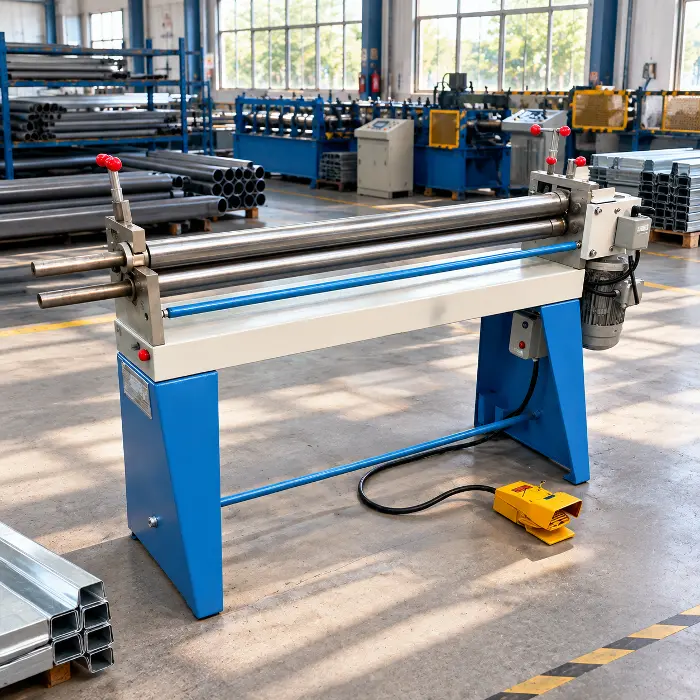
Roll Forming Machines: How Sheet Metal Becomes Structural Shapes
2026/10/08 -
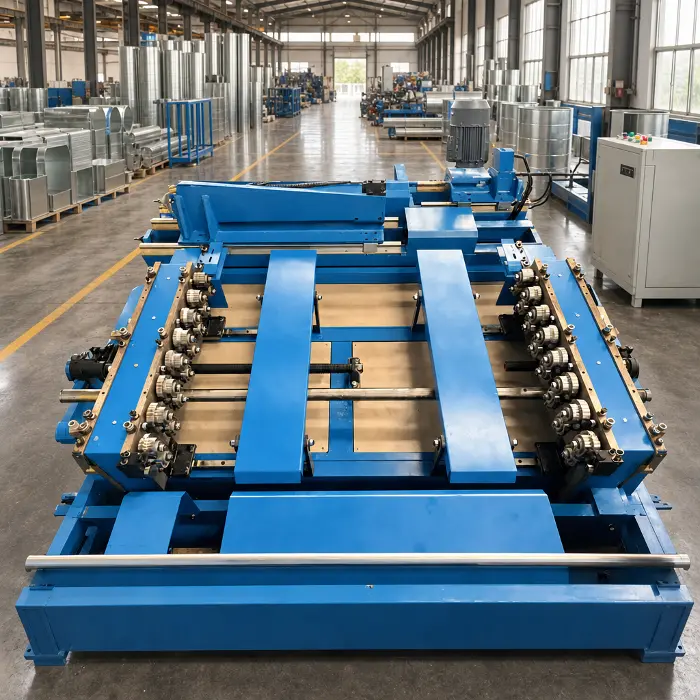
Duct Making Machines for High-Output Rectangular Duct Fabrication
2026/10/08 -
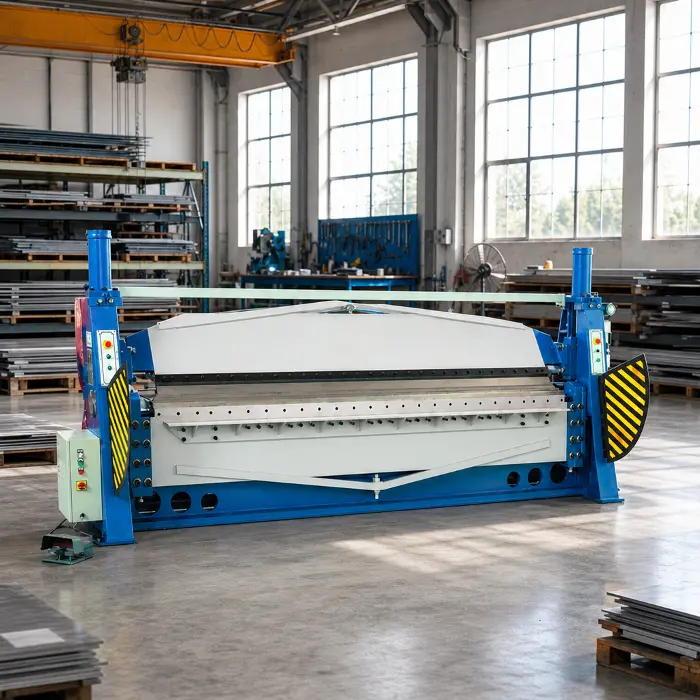
Sheet Metal Machine Selection for Precise Bending and Folding
2026/10/08 -
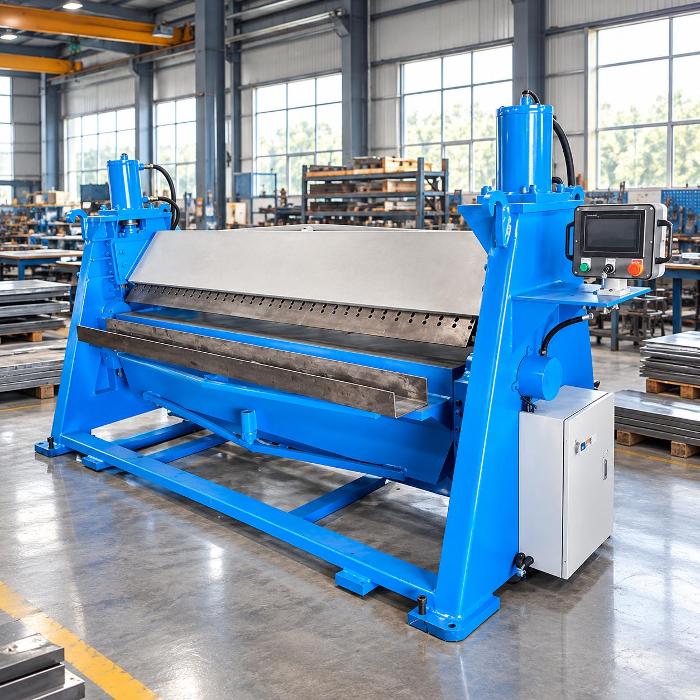
Metalworking Equipment: Choosing the Right Machinery for Modern Fabrication
2026/10/08
-
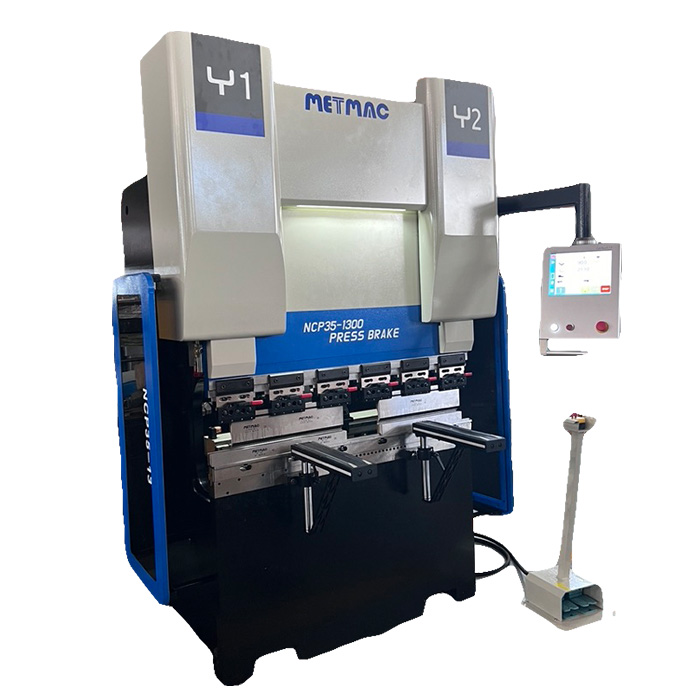
Sheet Metal Press Brake: Ultimate Guide to Precision Bending Technology in 2024
2026/03/13 -
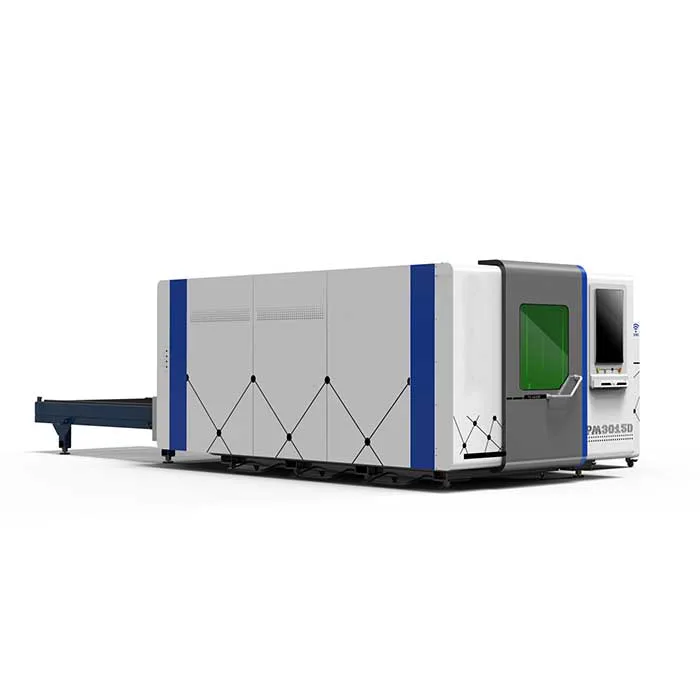
Metal Punching Machine: Ultimate Guide to Precision Manufacturing in 2024
2026/03/11 -
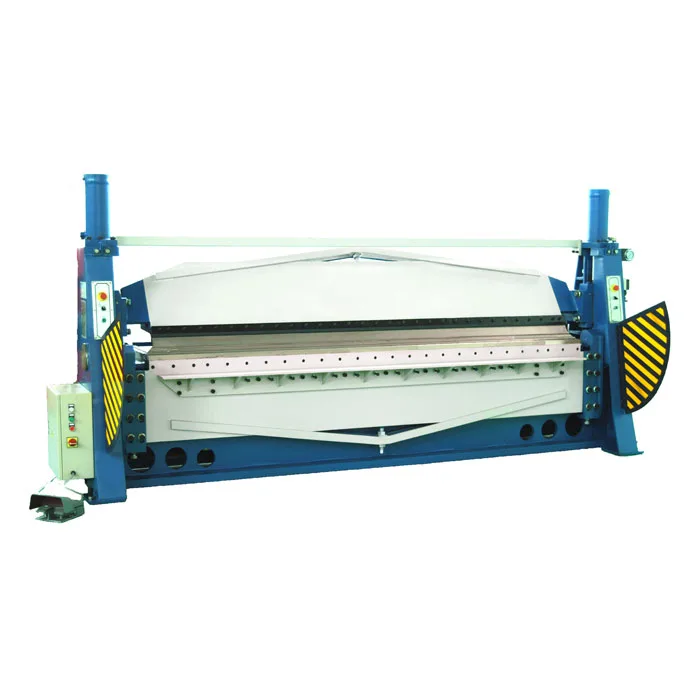
Metal Folding Machine: Comprehensive Guide to Precision Bending in 2024
2026/03/09 -
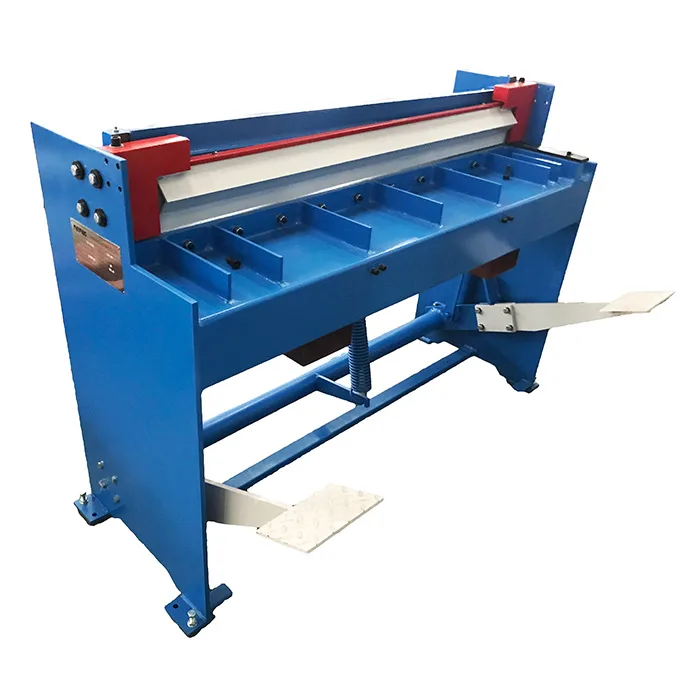
Sheet Metal Equipment: Ultimate Guide to Industrial Fabrication Solutions in 2026
2026/03/06
-
A Guide to the Latest Innovations in Sheet Metal Folding Machines
2024/11/29 -
Key Features to Consider When Investing in a Sheet Metal Folding Machine
2024/11/28 -
Enhancing Precision with Advanced Sheet Metal Folding Machines
2024/11/27 -
How to Choose the Right Sheet Metal Folding Machine for Your Workshop
2024/11/26
