


Best Practices for Setting Up a Rectangular Duct Machine
Setting up a rectangular duct machine is a crucial step in ensuring efficient and accurate ductwork fabrication. By following best practices, you can minimize downtime, improve productivity, and enhance the overall quality of your ductwork.
Proper Machine Alignment
Proper alignment is essential for precise cutting and forming operations. Ensure that the machine is level and that the rollers and blades are aligned correctly. Use a spirit level and alignment tools to fine-tune the machine’s position.
Regularly inspect and adjust the alignment to compensate for wear and tear. Improper alignment can lead to uneven cuts, misaligned corners, and reduced efficiency.
Material Preparation
Preparing the raw material before loading it into the machine is equally important. Remove any burrs, rust, or debris that may interfere with the cutting or forming process.
Lubricate the material to reduce friction and prevent sticking. Use a compatible lubricant that will not damage the material or the machine.
Blade Selection and Maintenance
Selecting the appropriate blade for the specific material and thickness is crucial. Consult the machine manufacturer’s recommendations and consider the material’s tensile strength and hardness.
Sharpen the blades regularly to ensure clean cuts and minimize burr formation. Dull blades can cause uneven cuts, increased wear on the machine, and reduced productivity.
Speed and Feed Settings
Adjust the machine’s speed and feed settings to match the material and blade capabilities. Excessively high speeds can result in overheating, blade damage, and poor cut quality.
Use a test piece to determine the optimal settings for each material. The ideal setting will provide a clean cut with minimal burrs and deformation.
Dust Collection and Safety
Install an efficient dust collection system to remove metal dust and debris generated during cutting and forming. This will improve air quality, prevent machine damage, and ensure a safer working environment.
Wear appropriate safety gear, including gloves, safety glasses, and a dust mask, to protect yourself from dust and sharp edges.
Regular Maintenance and Calibration
Regular maintenance is essential to maintain the machine’s accuracy and extend its lifespan. Lubricate moving parts, inspect belts, and clean sensors regularly.
Calibrate the machine periodically to ensure that it is cutting and forming to the specified dimensions. Use calibration tools and follow the manufacturer’s guidelines for calibration procedures.
Conclusion
Following these best practices for setting up a rectangular duct machine will help you achieve optimal performance, reduce downtime, and improve the quality and efficiency of your ductwork fabrication process. By paying attention to machine alignment, material preparation, blade selection, speed and feed settings, dust collection, safety, and maintenance, you can ensure that your machine operates at its best.
-
Press Metal Machine: The Definitive Guide to Precision Metal Forming
2026/03/12 -
Metal Punching Machine: The Ultimate Guide to Precision Hole Punching
2026/03/10 -
Sheet Metal Machinery: The Ultimate Guide to Industrial Fabrication Excellence
2026/03/04 -
Iron Sheet Laser Cutting Machine: Unmatched Precision for Demanding Fabrication with METMAC
2026/01/06
-
Sheet Metal Press Brake: Ultimate Guide to Precision Bending Technology in 2024
2026/03/13 -
Metal Punching Machine: Ultimate Guide to Precision Manufacturing in 2024
2026/03/11 -
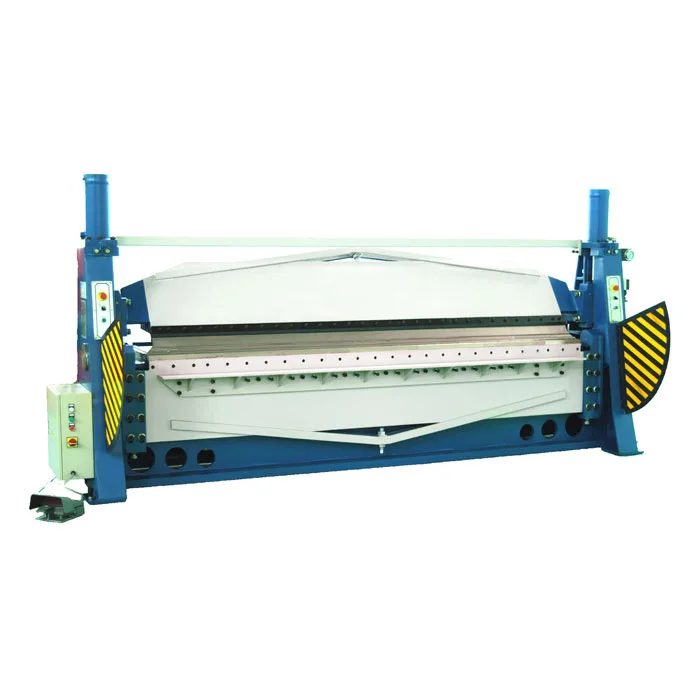
Metal Folding Machine: Comprehensive Guide to Precision Bending in 2024
2026/03/09 -
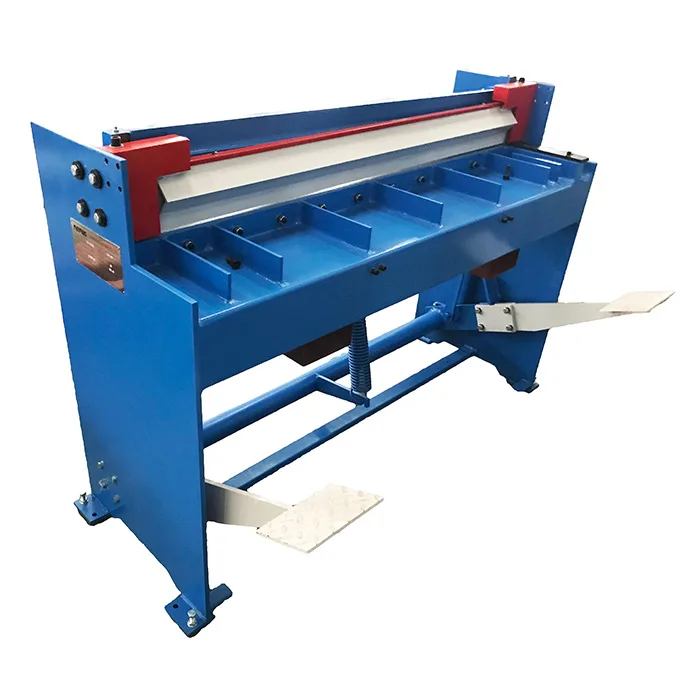
Sheet Metal Equipment: Ultimate Guide to Industrial Fabrication Solutions in 2026
2026/03/06
-
A Guide to the Latest Innovations in Sheet Metal Folding Machines
2024/11/29 -
Key Features to Consider When Investing in a Sheet Metal Folding Machine
2024/11/28 -
Enhancing Precision with Advanced Sheet Metal Folding Machines
2024/11/27 -
How to Choose the Right Sheet Metal Folding Machine for Your Workshop
2024/11/26
