


Best Practices for Setting Up a Duct Forming Machine
Best Practices for Setting Up a Duct Forming Machine: A Guide to Unlocking Efficiency and Precision
In the realm of HVAC fabrication, duct forming machines stand as indispensable tools for crafting intricate and precise airflow systems. To harness the full potential of these transformative machines, it’s imperative to establish a solid foundation through proper setup. By meticulously adhering to best practices, you can not only enhance efficiency but also ensure geometric accuracy and structural integrity.
Choosing the Ideal Location
Laying the groundwork for successful duct forming begins with selecting an appropriate workspace. Adequate ventilation is paramount to dispel potentially hazardous fumes and dust generated during operation. Consider a dedicated area with ample natural or artificial lighting to facilitate seamless visual inspection and precise forming.
Leveling and Alignment
Precise duct formation hinges upon a level and aligned machine. Utilizing a spirit level or inclinometer, meticulously adjust the machine’s base to achieve a perfectly flat surface. Employ alignment tools to ensure proper alignment of forming rolls and other rotating components. This meticulous attention to detail will prevent unwanted distortions or variations in duct geometry.
Lubrication and Maintenance
Regular lubrication is the lifeblood of a well-functioning duct forming machine. Grease or oil all moving parts according to manufacturer’s specifications to minimize friction and extend the machine’s lifespan. Proactively perform maintenance checks, periodically inspecting bearings and other critical components for wear or damage.
Roll Selection and Adjustment
The choice of forming rolls is pivotal in determining the quality of the formed duct. Select rolls that are specifically designed for the desired duct shape and material. Adjust the rolls to the appropriate spacing, ensuring they provide the requisite forming pressure without compromising material integrity.
Material Handling and Feeding
Careful handling of the duct material is essential to prevent damage or deformation. Use gloves when handling metal sheets to avoid scratches or fingerprints. Employ a material feeder or manipulator to smoothly and accurately feed the material into the forming rolls, ensuring consistent and uniform results.
Safety Precautions
Safety should always be paramount. Wear appropriate personal protective equipment, including safety glasses, gloves, and earplugs. Disconnect the machine from power before performing any maintenance or adjustments. Proper training and adherence to operating instructions are crucial for minimizing potential hazards.
By meticulously following these best practices, you can empower your duct forming machine to deliver exceptional performance and precision. Embrace these guidelines to unlock the full potential of your equipment, ensuring efficient and error-free duct fabrication every time.
-
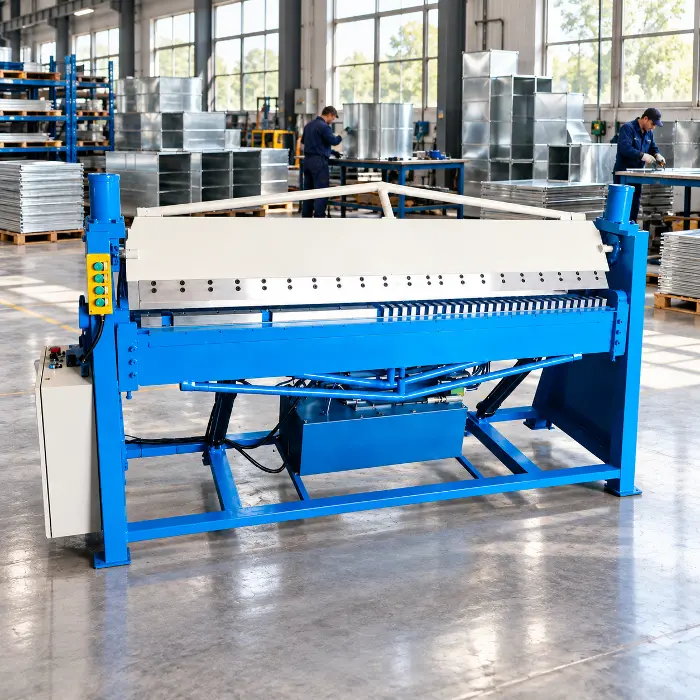
Choosing HVAC Duct Folding Machines for Flange-Safe Bending
2026/10/13 -
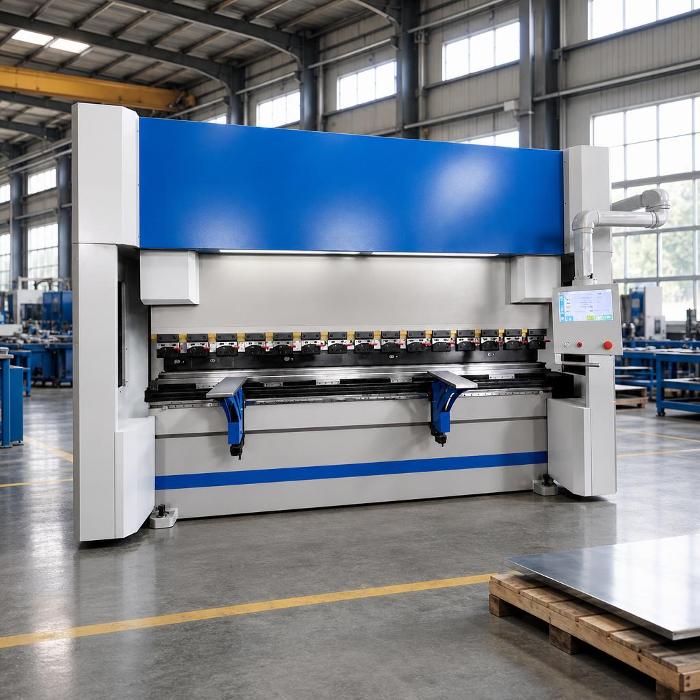
Precision Metal Forming Machines: What Separates Accurate Bends From Scrapped Sheet
2026/10/12 -
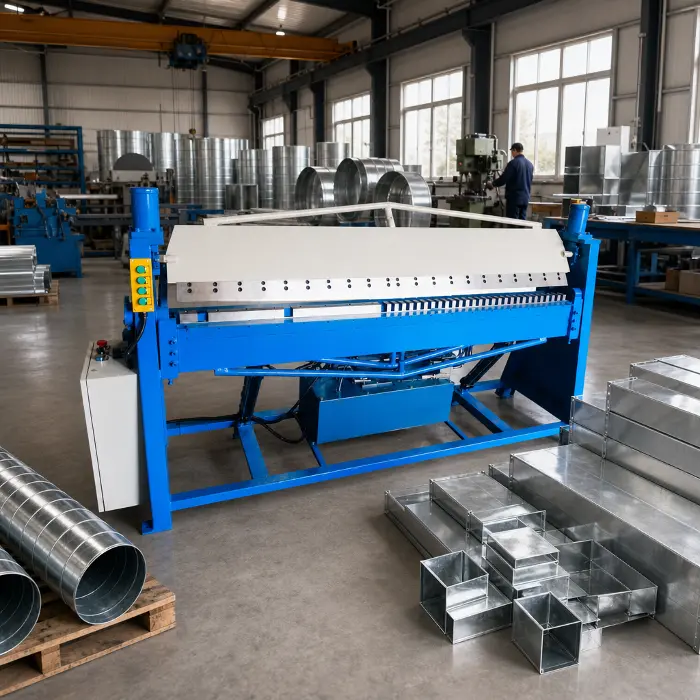
What to Look for in an HVAC Folding Machine Manufacturer
2026/10/11 -
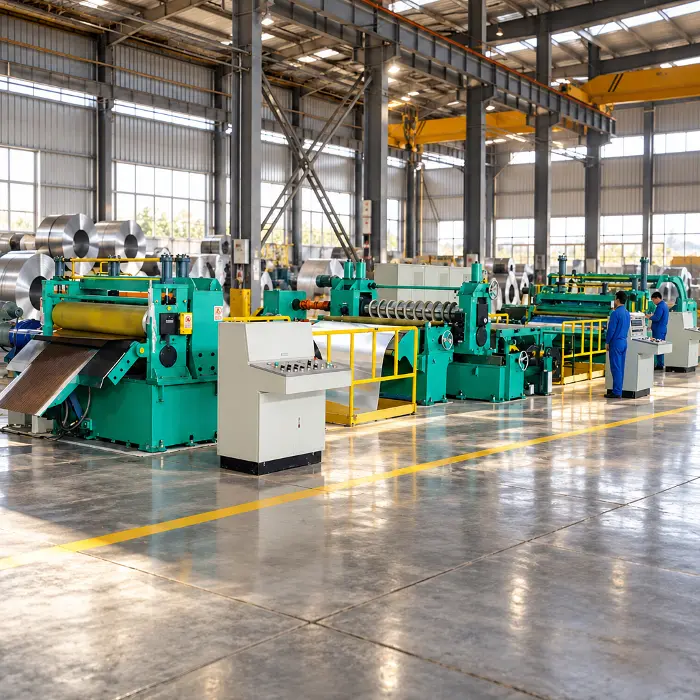
Steel Strip Cutting Machine: Engineering Precision in Modern Metal Processing
2026/10/10
-
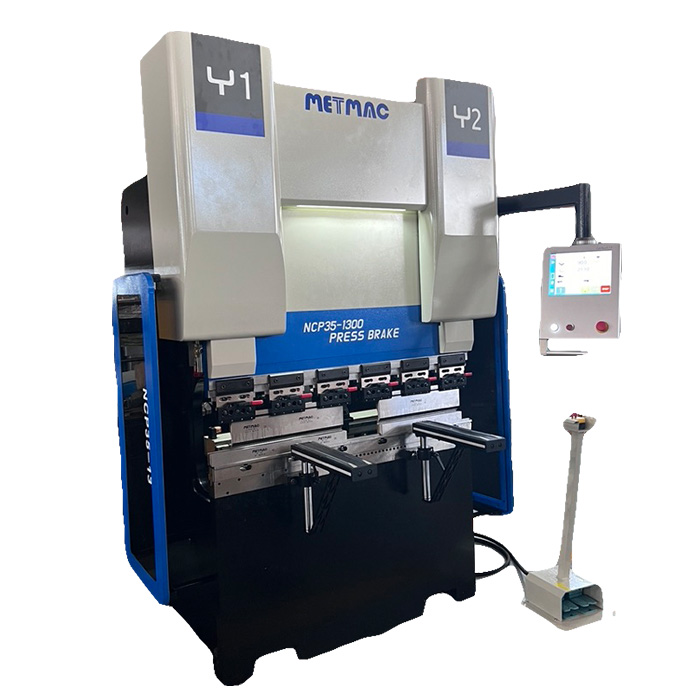
Sheet Metal Press Brake: Ultimate Guide to Precision Bending Technology in 2024
2026/03/13 -
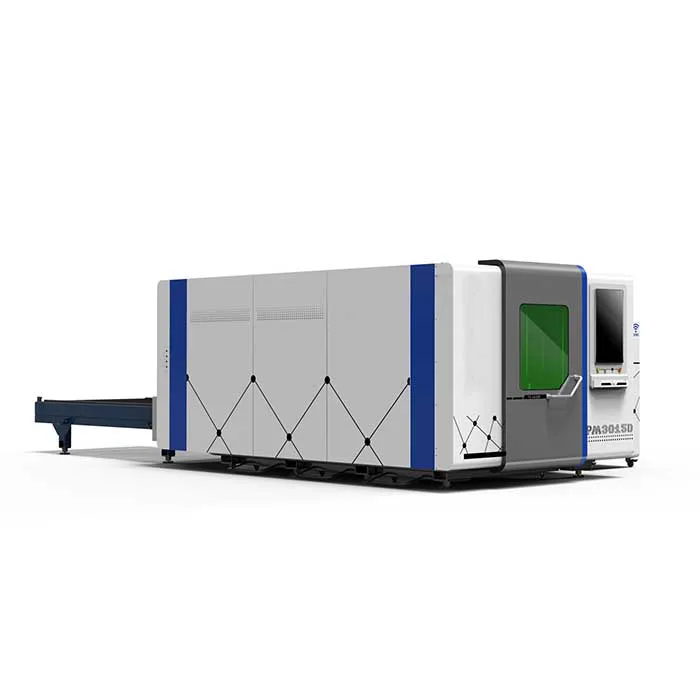
Metal Punching Machine: Ultimate Guide to Precision Manufacturing in 2024
2026/03/11 -
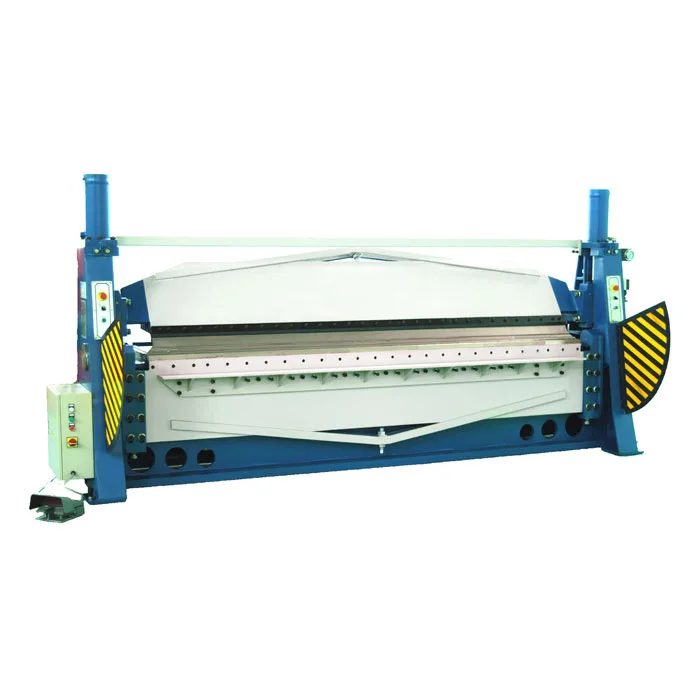
Metal Folding Machine: Comprehensive Guide to Precision Bending in 2024
2026/03/09 -
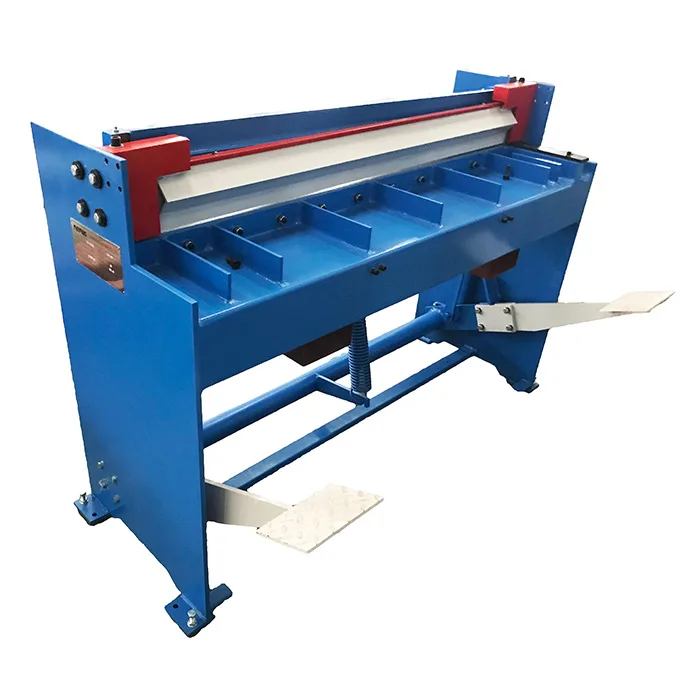
Sheet Metal Equipment: Ultimate Guide to Industrial Fabrication Solutions in 2026
2026/03/06
-
A Guide to the Latest Innovations in Sheet Metal Folding Machines
2024/11/29 -
Key Features to Consider When Investing in a Sheet Metal Folding Machine
2024/11/28 -
Enhancing Precision with Advanced Sheet Metal Folding Machines
2024/11/27 -
How to Choose the Right Sheet Metal Folding Machine for Your Workshop
2024/11/26
