


Best Practices for Operating and Storing Laser Sheet Cutting Machines
In today’s competitive manufacturing environment, optimizing the performance and longevity of your laser sheet cutting machines is paramount to maintaining productivity and cost-effectiveness. Best practices for operating and storing these machines extend their lifespan, minimize downtime, and ensure precision cutting results.
Operating Best Practices
Machine Setup and Calibration
Before operation, verify the machine’s alignment and calibration. Ensure proper laser beam alignment, cutting head perpendicularity, and focal point accuracy. A misaligned or uncalibrated machine can compromise cutting quality and damage the workpiece.
Material Handling
Handle sheet materials with care to avoid bending, scratching, or warping. Use appropriate support platforms and lifting equipment to prevent material damage and maintain stability during cutting.
Cutting Parameters
Optimize cutting parameters based on the material type and thickness. Factors such as laser power, speed, and assist gas flow impact cutting quality and efficiency. Consult the machine manufacturer’s recommendations and experimentation to determine the optimal settings.
Chip and Dust Removal
Properly maintain the chip and dust removal system. Regularly clean the collection tray and filters to prevent clogging and ensure efficient airflow. This safeguards the machine’s components from damage and reduces the risk of fires.
Operator Safety
Operators must adhere to safety protocols. Wear appropriate personal protective equipment, including eye protection, fire-resistant clothing, and gloves. Follow established operating procedures and maintain safe distances from the cutting area.
Storage Best Practices
Environmental Control
Store the laser cutting machine in a controlled environment with moderate temperature and humidity. Extreme conditions can damage sensitive components and compromise machine performance.
Cleaning and Maintenance
Regularly clean the machine’s exterior and interior surfaces. Remove dust and debris to prevent corrosion and keep the machine in optimal condition. Perform routine maintenance tasks as per the manufacturer’s recommendations, including lubrication and component inspection.
Electrical Protection
Protect the machine from electrical surges and power outages. Use a surge protector or uninterruptible power supply (UPS) to safeguard the machine’s electronics.
Software and Data Backup
Back up the machine’s software and operating data regularly. This ensures the preservation of critical settings and prevents data loss in the event of a system failure.
Logistics
When storing the machine for an extended period, follow proper logistics practices. Securely transport the machine using appropriate equipment. Store the machine in a stable and level location to prevent damage during handling and storage.
-
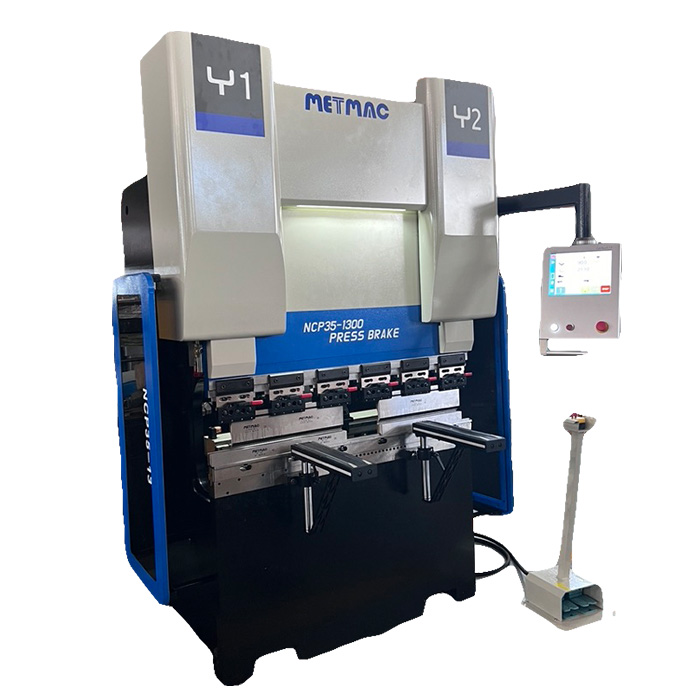
Press Metal Machine: The Definitive Guide to Precision Metal Forming
2026/03/12 -
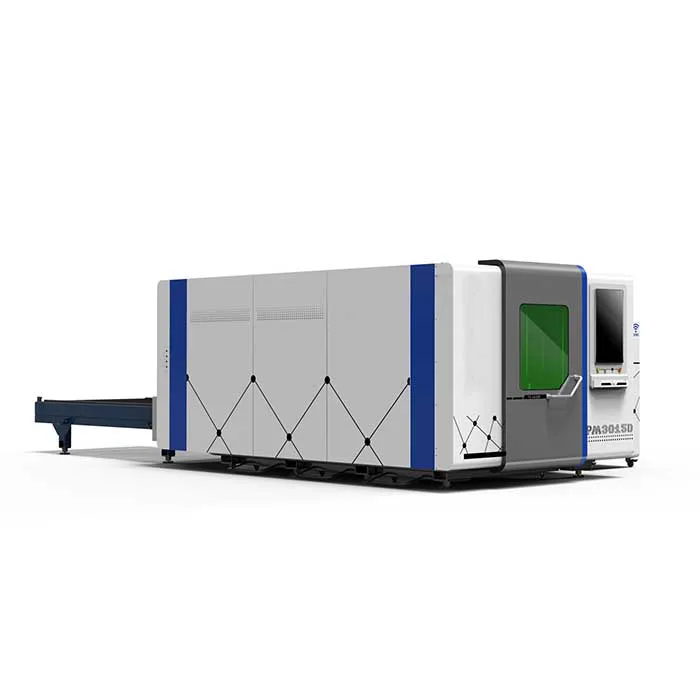
Metal Punching Machine: The Ultimate Guide to Precision Hole Punching
2026/03/10 -
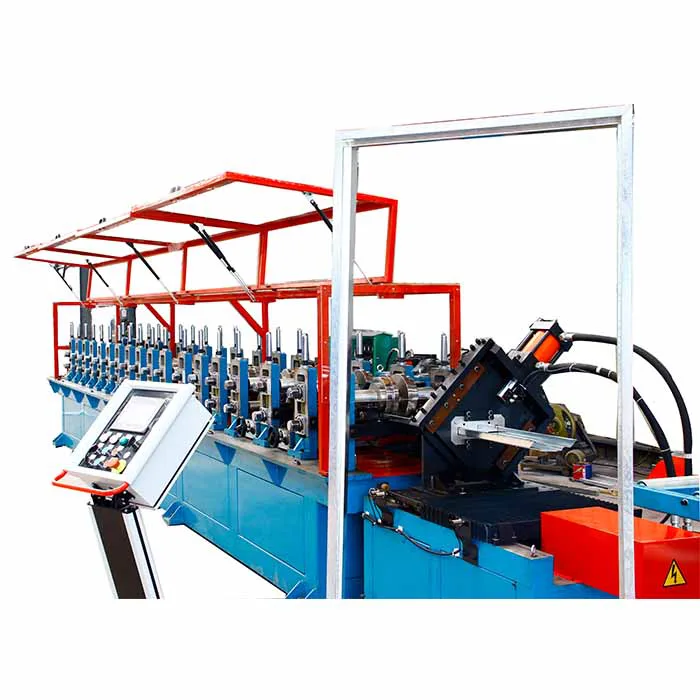
Sheet Metal Machinery: The Ultimate Guide to Industrial Fabrication Excellence
2026/03/04 -
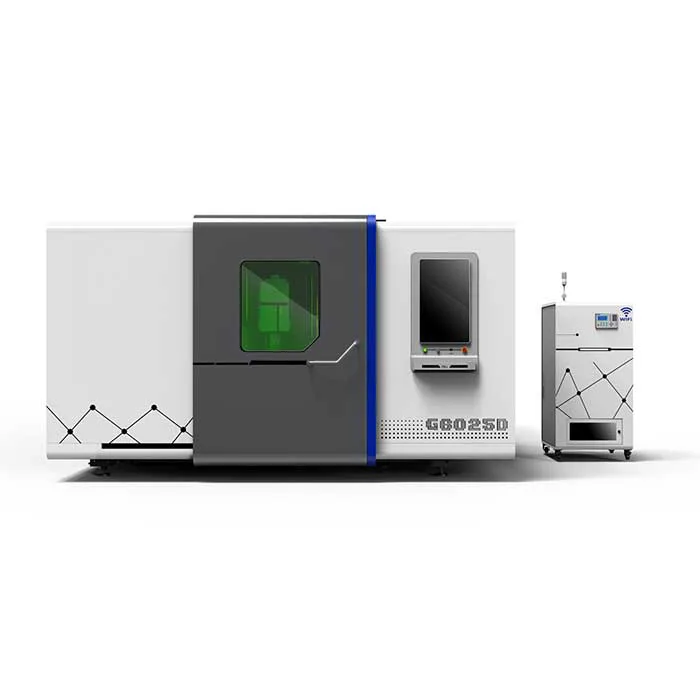
Iron Sheet Laser Cutting Machine: Unmatched Precision for Demanding Fabrication with METMAC
2026/01/06
-
Sheet Metal Press Brake: Ultimate Guide to Precision Bending Technology in 2024
2026/03/13 -
Metal Punching Machine: Ultimate Guide to Precision Manufacturing in 2024
2026/03/11 -
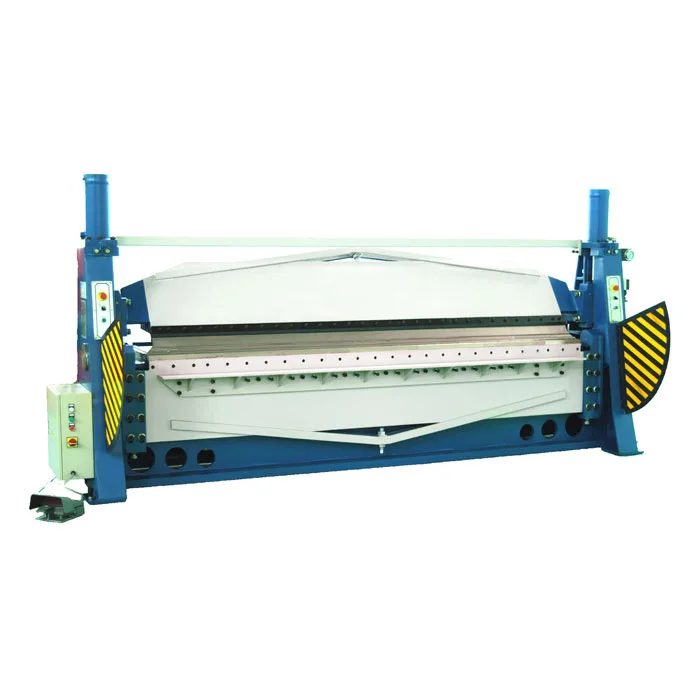
Metal Folding Machine: Comprehensive Guide to Precision Bending in 2024
2026/03/09 -
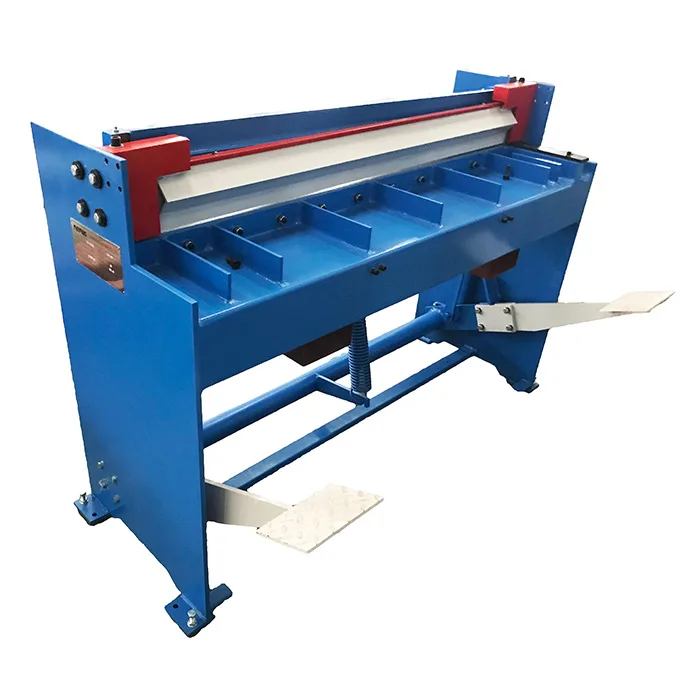
Sheet Metal Equipment: Ultimate Guide to Industrial Fabrication Solutions in 2026
2026/03/06
-
A Guide to the Latest Innovations in Sheet Metal Folding Machines
2024/11/29 -
Key Features to Consider When Investing in a Sheet Metal Folding Machine
2024/11/28 -
Enhancing Precision with Advanced Sheet Metal Folding Machines
2024/11/27 -
How to Choose the Right Sheet Metal Folding Machine for Your Workshop
2024/11/26
