


Automated vs. Manual Duct Fabrication- Which is Right for You?
In today’s competitive manufacturing landscape, optimizing production processes is crucial for businesses to thrive. In the HVAC industry, the choice between automated vs. manual duct fabrication has a significant impact on efficiency, quality, and cost. Understanding the advantages and disadvantages of each method is essential to make the right decision for your business.
Automated Duct Fabrication
Advantages:
Increased Efficiency: Automated duct fabrication utilizes specialized machinery, such as plasma cutters and automated benders, to streamline the production process. This results in significantly faster fabrication times and higher production output.
Improved Accuracy: Automated machines follow precise programming instructions, eliminating human error and ensuring consistent quality throughout production. This minimizes the need for rework and reduces the risk of costly mistakes.
Labor Savings: Automated duct fabrication requires fewer skilled laborers, resulting in lower labor costs. The machinery handles repetitive tasks, allowing skilled workers to focus on more complex aspects of the project.
Disadvantages:
High Initial Investment: Automated duct fabrication equipment requires a substantial upfront cost. The machinery is complex and requires specialized operators, which can add to the operating expenses.
Limited Flexibility: Automated machines are designed for specific duct geometries and sizes. They may not be suitable for complex or custom ductwork, requiring additional manual processes.
Manual Duct Fabrication
Advantages:
Flexibility: Manual duct fabrication allows for greater flexibility in design and production. Skilled fabricators can create custom ductwork to meet specific project requirements, including complex geometries and tight spaces.
Lower Initial Investment: Manual duct fabrication does not require specialized equipment, making it more accessible for small businesses or those with limited capital.
Disadvantages:
Lower Efficiency: Manual duct fabrication is inherently slower than automated methods. It requires significant time and effort from skilled workers, which can lead to longer lead times.
Inconsistent Quality: Human error is a factor in manual duct fabrication. Skilled workers may vary in experience and attention to detail, resulting in inconsistencies in quality.
Higher Labor Costs: Manual duct fabrication requires more skilled laborers, which can increase labor expenses. The need for rework due to errors can further add to the costs.
Making the Right Choice
Choosing between automated and manual duct fabrication depends on several factors:
Production Volume: Automated duct fabrication is ideal for high-volume production, where speed and efficiency are paramount.
Product Complexity: Manual duct fabrication is suitable for complex or custom ductwork that requires flexibility in design.
Labor Availability: If skilled labor is scarce or expensive, automated duct fabrication can save on labor costs.
Capital Availability: Automated duct fabrication requires a significant initial investment, while manual duct fabrication has lower upfront costs.
By carefully considering these factors, businesses can determine which duct fabrication method is right for them. Automated fabrication can provide superior efficiency and quality for high-volume production, while manual fabrication offers flexibility and lower costs for smaller or more complex projects.
-
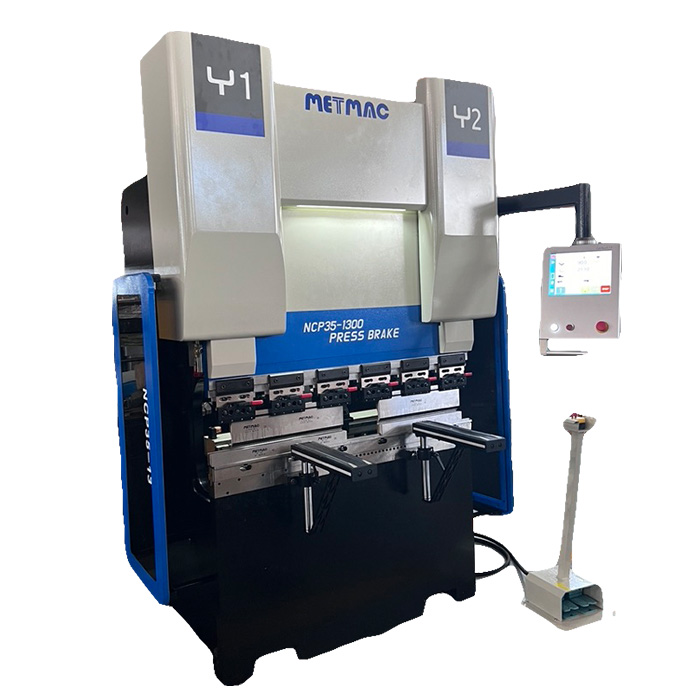
Press Metal Machine: The Definitive Guide to Precision Metal Forming
2026/03/12 -
Metal Punching Machine: The Ultimate Guide to Precision Hole Punching
2026/03/10 -
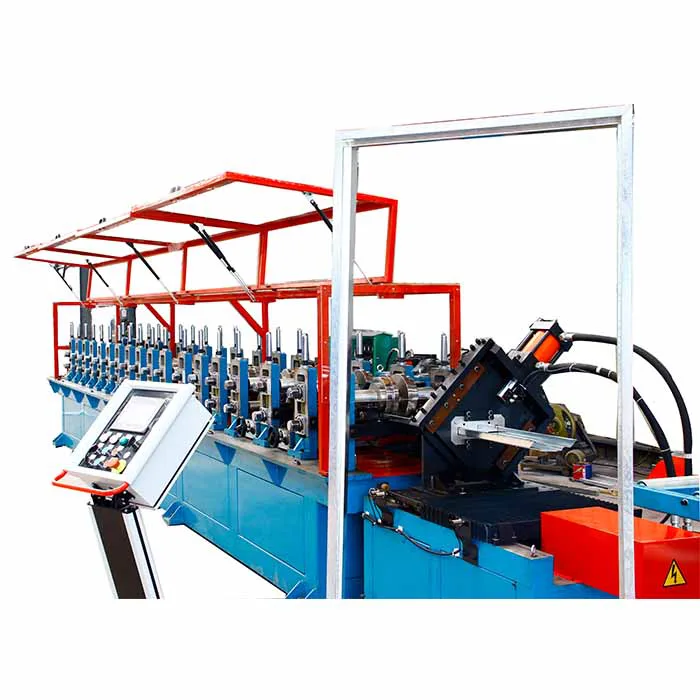
Sheet Metal Machinery: The Ultimate Guide to Industrial Fabrication Excellence
2026/03/04 -
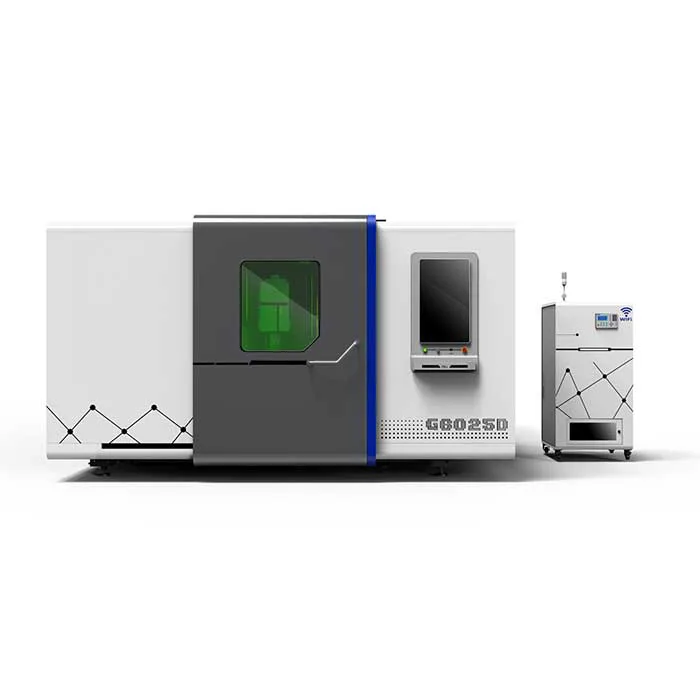
Iron Sheet Laser Cutting Machine: Unmatched Precision for Demanding Fabrication with METMAC
2026/01/06
-
Sheet Metal Press Brake: Ultimate Guide to Precision Bending Technology in 2024
2026/03/13 -
Metal Punching Machine: Ultimate Guide to Precision Manufacturing in 2024
2026/03/11 -
Metal Folding Machine: Comprehensive Guide to Precision Bending in 2024
2026/03/09 -
Sheet Metal Equipment: Ultimate Guide to Industrial Fabrication Solutions in 2026
2026/03/06
-
A Guide to the Latest Innovations in Sheet Metal Folding Machines
2024/11/29 -
Key Features to Consider When Investing in a Sheet Metal Folding Machine
2024/11/28 -
Enhancing Precision with Advanced Sheet Metal Folding Machines
2024/11/27 -
How to Choose the Right Sheet Metal Folding Machine for Your Workshop
2024/11/26
