

A Comparison of Hydraulic vs. Mechanical Presses in Metal Sheet Forming
A Clash of Titans: Hydraulic vs. Mechanical Presses in Metal Sheet Forming
In the realm of metalworking, where precision and force collide, two titans stand tall: hydraulic and mechanical presses. These towering machines wield immense power, shaping metal sheets into intricate forms that underpin countless industries. But which press reigns supreme? Join us as we delve into a riveting comparison that will leave you in awe of their engineering prowess.
Hydraulic Presses: Fluid Power Unleashed
Hydraulic presses harness the might of Pascal’s Principle, utilizing pressurized hydraulic fluid to generate colossal force. This fluid amplifies pressure, allowing for precise control over the press’s power. Its fluid-filled system provides smooth operation, reducing vibration and ensuring a uniform distribution of force.
Advantages of Hydraulic Presses:
High force-to-weight ratio
Precise pressure control
Smooth and vibration-free operation
Versatility in forming complex shapes
Mechanical Presses: Brute Force at Lightning Speed
Mechanical presses rely on brute force, using a flywheel and mechanical linkages to generate rapid, repetitive strokes. Their high-speed operation enables mass production of consistent parts. However, this comes at the expense of control and flexibility compared to hydraulic presses.
Advantages of Mechanical Presses:
High speed and productivity
Low pressure requirements
Cost-effective for mass production
Ideal for large stamping operations
Choosing the Right Titan for the Job
The ideal press choice depends on the specific requirements of your metalworking application:
High precision and control: Hydraulic presses excel in forming complex shapes and intricate features.
Mass production: Mechanical presses dominate in high-volume operations where speed and consistency are paramount.
Force requirements: Hydraulic presses offer higher force-to-weight ratios for heavy-duty applications.
Cost considerations: Mechanical presses are typically more cost-effective for large-scale production.
As you navigate the labyrinthine world of metal forming, the choice between hydraulic and mechanical presses becomes a strategic decision. Understanding their unique strengths and limitations will empower you to harness the right titan for your forging endeavors. Whether you seek fluid control or unbridled power, these mighty machines stand ready to shape your future.
-
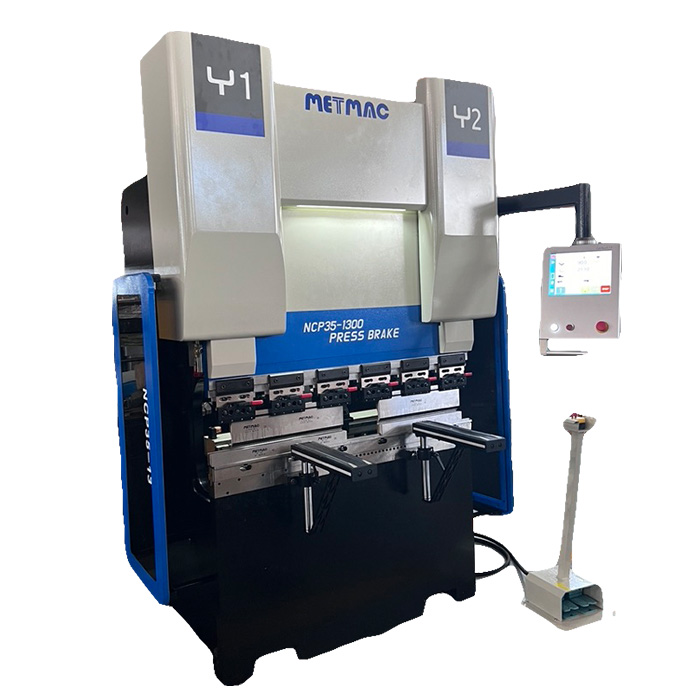
Press Metal Machine: The Definitive Guide to Precision Metal Forming
2026/03/12 -
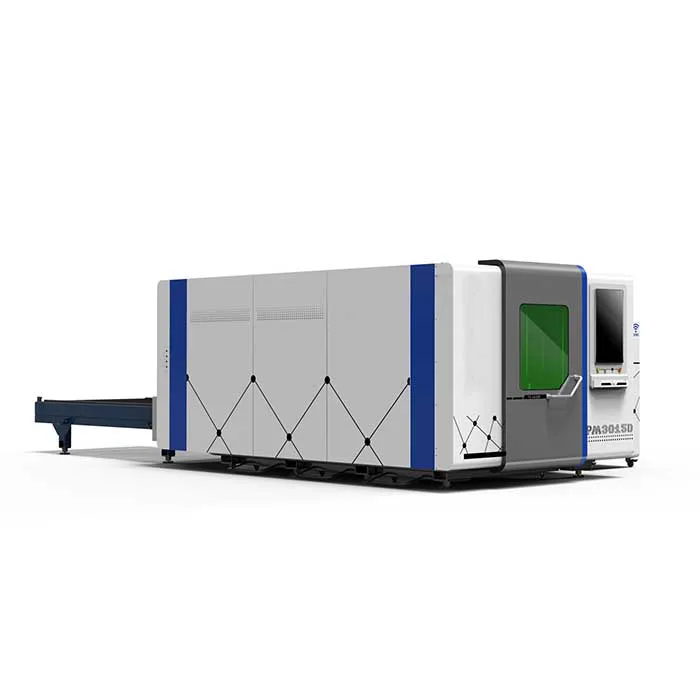
Metal Punching Machine: The Ultimate Guide to Precision Hole Punching
2026/03/10 -
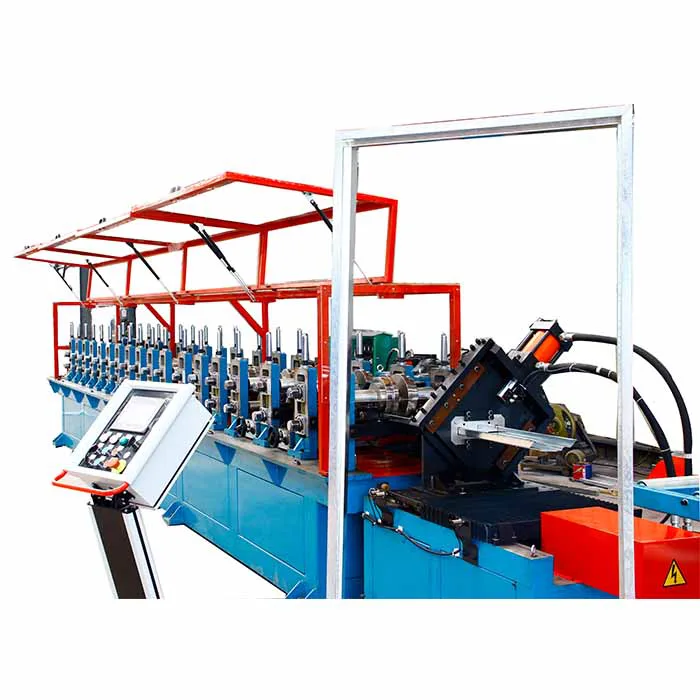
Sheet Metal Machinery: The Ultimate Guide to Industrial Fabrication Excellence
2026/03/04 -
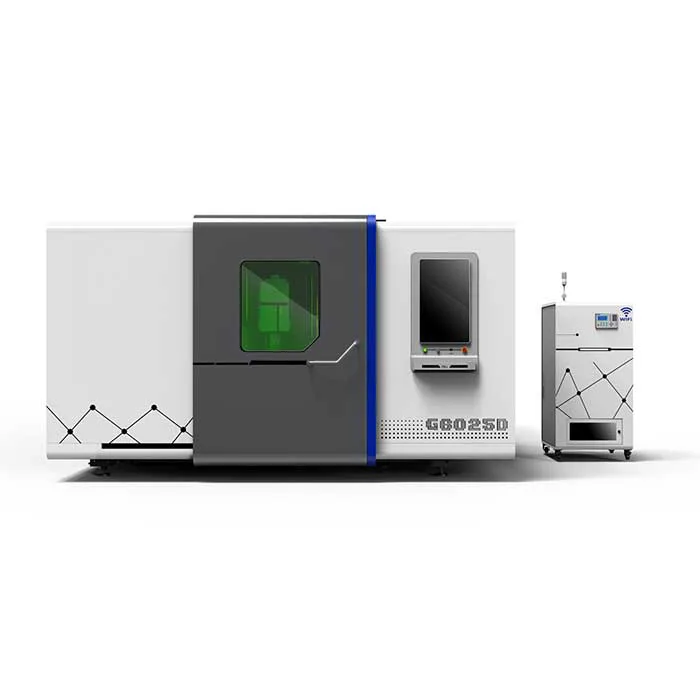
Iron Sheet Laser Cutting Machine: Unmatched Precision for Demanding Fabrication with METMAC
2026/01/06
-
Sheet Metal Press Brake: Ultimate Guide to Precision Bending Technology in 2024
2026/03/13 -
Metal Punching Machine: Ultimate Guide to Precision Manufacturing in 2024
2026/03/11 -
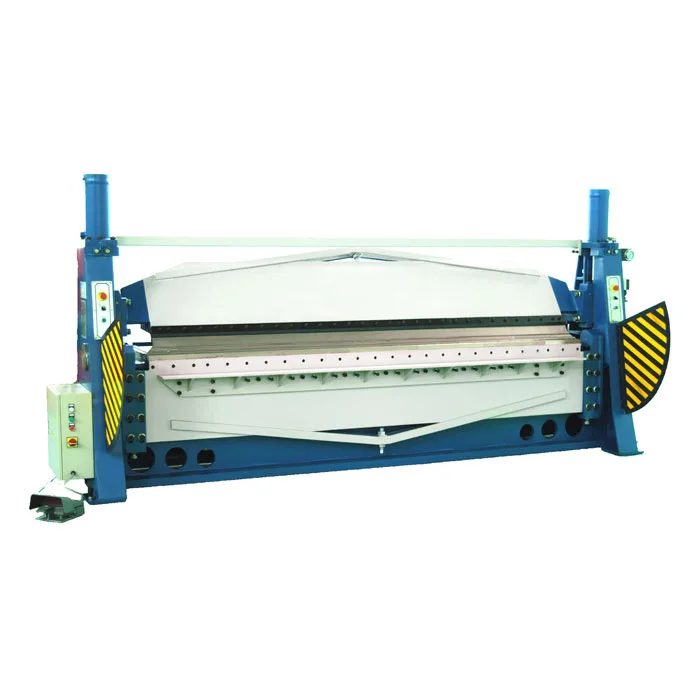
Metal Folding Machine: Comprehensive Guide to Precision Bending in 2024
2026/03/09 -
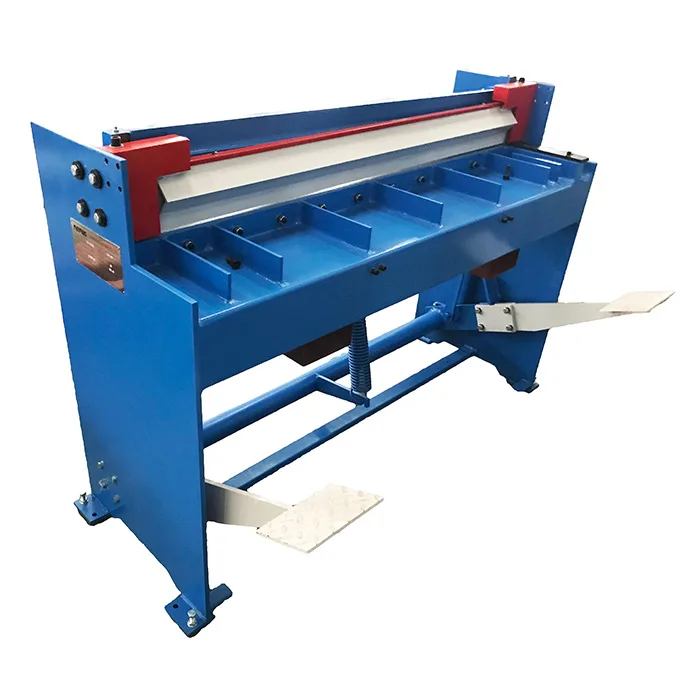
Sheet Metal Equipment: Ultimate Guide to Industrial Fabrication Solutions in 2026
2026/03/06
-
A Guide to the Latest Innovations in Sheet Metal Folding Machines
2024/11/29 -
Key Features to Consider When Investing in a Sheet Metal Folding Machine
2024/11/28 -
Enhancing Precision with Advanced Sheet Metal Folding Machines
2024/11/27 -
How to Choose the Right Sheet Metal Folding Machine for Your Workshop
2024/11/26
