


The Impact of Automation on Efficiency in Roll Forming Operations
Introduction
In the modern industrial landscape, automation is transforming every aspect of manufacturing, and roll forming operations are no exception. As businesses strive for greater efficiency and productivity, the adoption of automated solutions has become a crucial strategy to stay competitive.
Automation: A Catalyst for Enhanced Efficiency
Automation introduces a host of technological advancements that streamline processes and eliminate human errors. Automated roll formers, guided by sophisticated software, can precisely control material feeding, forming, and cutting operations. This eliminates manual intervention, reducing the risk of inaccuracies and increasing throughput.
Real-Time Monitoring and Control
Sensors integrated into automated systems provide real-time data on machine performance, material flow, and product quality. This information enables operators to monitor and adjust processes continuously, optimizing production parameters for maximum efficiency.
Reduced Setup Time
Automating roll forming operations significantly reduces setup times. Programmable controllers can quickly configure the machine for different product profiles, eliminating the need for manual changeovers. This reduces downtime and allows for faster product changeovers, leading to increased productivity.
Increased Capacity and Output
Automated roll forming systems operate 24/7 with minimal human supervision. This extended operating time allows manufacturers to maximize their production capacity and meet higher demand without additional labor costs.
Improved Quality and Consistency
Automated systems eliminate human error, ensuring consistent product quality. Precise control over forming parameters minimizes defects and variations, resulting in high-quality products that meet customer specifications.
Reduced Labor Costs
Automation frees up skilled labor for more value-added activities, reducing overall labor costs. By automating repetitive and labor-intensive tasks, manufacturers can allocate their workforce to higher-level operations that require human expertise.
Conclusion
The adoption of automation in roll forming operations has revolutionized the industry, driving significant efficiency gains. With reduced setup times, increased capacity, improved quality, and lower labor costs, automated systems have become indispensable for manufacturers looking to enhance their competitive advantage. As technology continues to evolve, automation will continue to play a transformative role in shaping the future of roll forming operations.
-
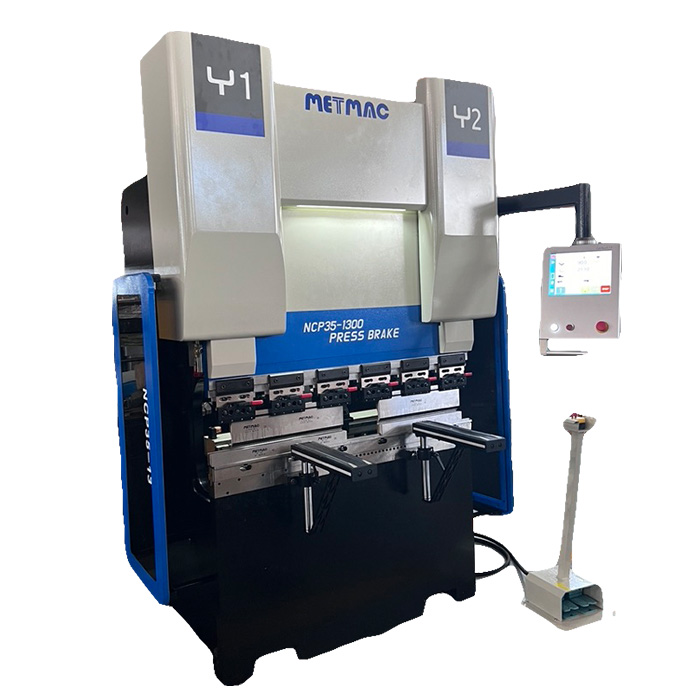
Press Metal Machine: The Definitive Guide to Precision Metal Forming
2026/03/12 -
Metal Punching Machine: The Ultimate Guide to Precision Hole Punching
2026/03/10 -
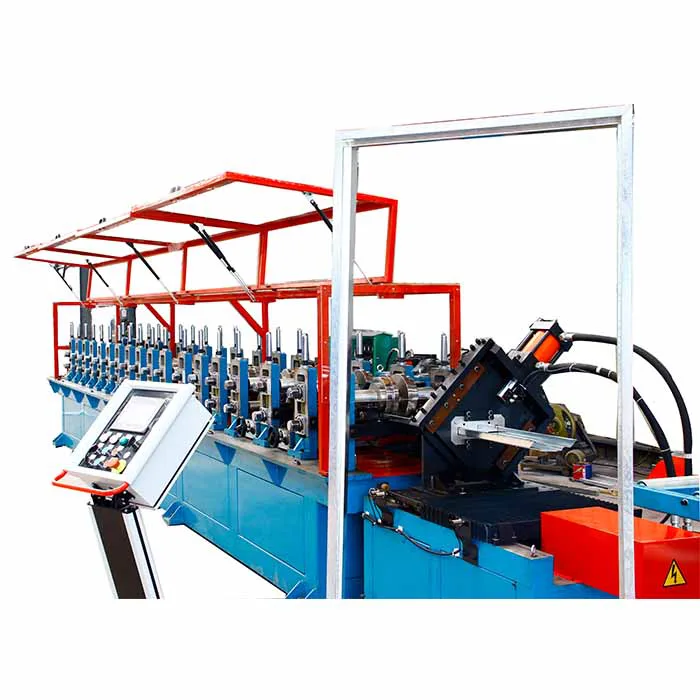
Sheet Metal Machinery: The Ultimate Guide to Industrial Fabrication Excellence
2026/03/04 -
Iron Sheet Laser Cutting Machine: Unmatched Precision for Demanding Fabrication with METMAC
2026/01/06
-
Sheet Metal Press Brake: Ultimate Guide to Precision Bending Technology in 2024
2026/03/13 -
Metal Punching Machine: Ultimate Guide to Precision Manufacturing in 2024
2026/03/11 -
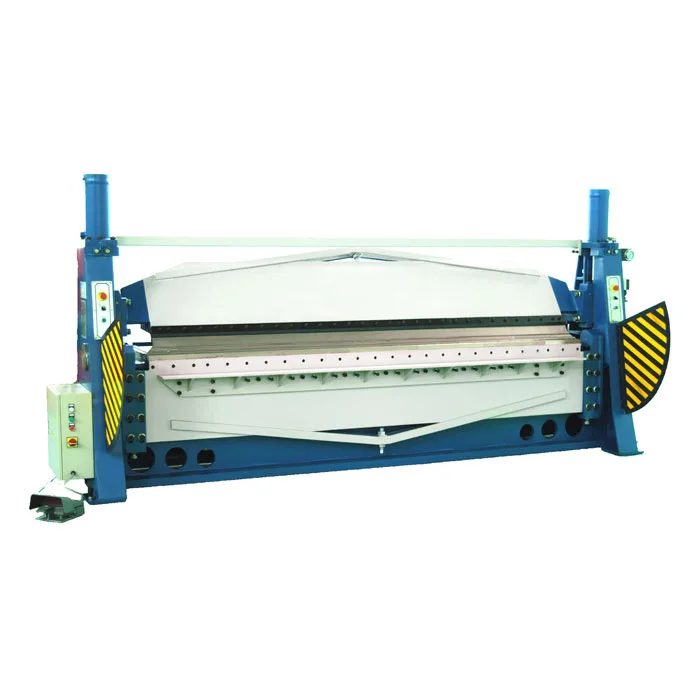
Metal Folding Machine: Comprehensive Guide to Precision Bending in 2024
2026/03/09 -
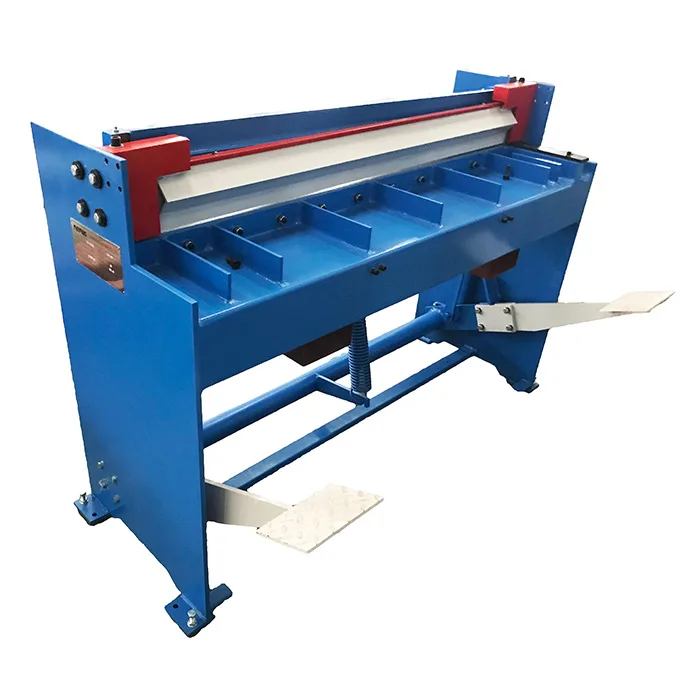
Sheet Metal Equipment: Ultimate Guide to Industrial Fabrication Solutions in 2026
2026/03/06
-
A Guide to the Latest Innovations in Sheet Metal Folding Machines
2024/11/29 -
Key Features to Consider When Investing in a Sheet Metal Folding Machine
2024/11/28 -
Enhancing Precision with Advanced Sheet Metal Folding Machines
2024/11/27 -
How to Choose the Right Sheet Metal Folding Machine for Your Workshop
2024/11/26
