


Safety Precautions and Best Practices for Operating Roll Forming Machines
Roll forming machines are essential for shaping metal into a variety of profiles. However, they can also be dangerous if not operated properly. To ensure the safety of operators and prevent accidents, it is crucial to adhere to established safety precautions and best practices.
Mechanical Safety Precaution
– Wear appropriate personal protective equipment (PPE), including safety glasses, earplugs, gloves, and steel-toe shoes.
– Inspect the machine regularly for any signs of damage or wear. Repair or replace any faulty components before operating the machine.
– Keep the work area clean and organized to prevent tripping or slipping hazards.
– Use proper lifting techniques when handling heavy materials.
– Never operate the machine while under the influence of drugs or alcohol.
Electrical Safety Precaution
– Ensure that the machine is properly grounded to prevent electrical shock.
– Do not operate the machine with exposed wires or damaged electrical components.
– Use caution when working near electrical panels or other electrical equipment.
– Turn off the power to the machine before performing any maintenance or repairs.
– Have the machine inspected by a qualified electrician on a regular basis.
Operational Safety Precaution
– Receive proper training on how to operate the roll forming machine safely.
– Follow the manufacturer’s instructions carefully.
– Use the correct tools and materials for the job.
– Pay attention to the alignment of the rolls to ensure proper forming.
– Monitor the machine constantly for any unusual sounds, vibrations, or other indications of problems.
Emergency Procedures
– Know the location of the emergency stop button and how to use it.
– Have a plan in place for what to do in case of an emergency.
– Practice emergency procedures regularly to ensure that everyone knows what to do.
– If an accident occurs, seek medical attention immediately and report it to the appropriate authorities.
Best Practices
– Use sharp, well-maintained rolls to ensure accurate forming and prevent premature wear.
– Lubricate the rolls regularly according to the manufacturer’s specifications.
– Keep the machine clean and free of debris to prevent jams and other problems.
– Follow a regular maintenance schedule to ensure that the machine is in good working condition.
– Store materials safely to prevent damage or injury.
-
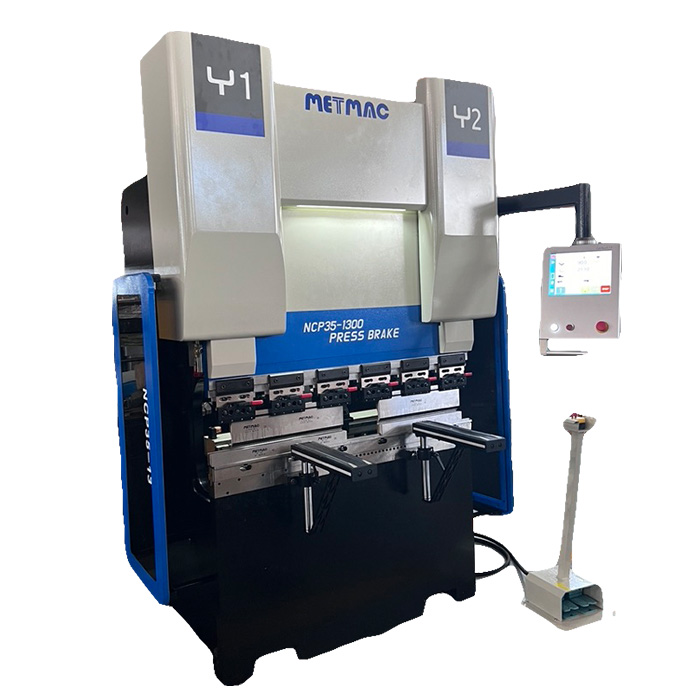
Press Metal Machine: The Definitive Guide to Precision Metal Forming
2026/03/12 -
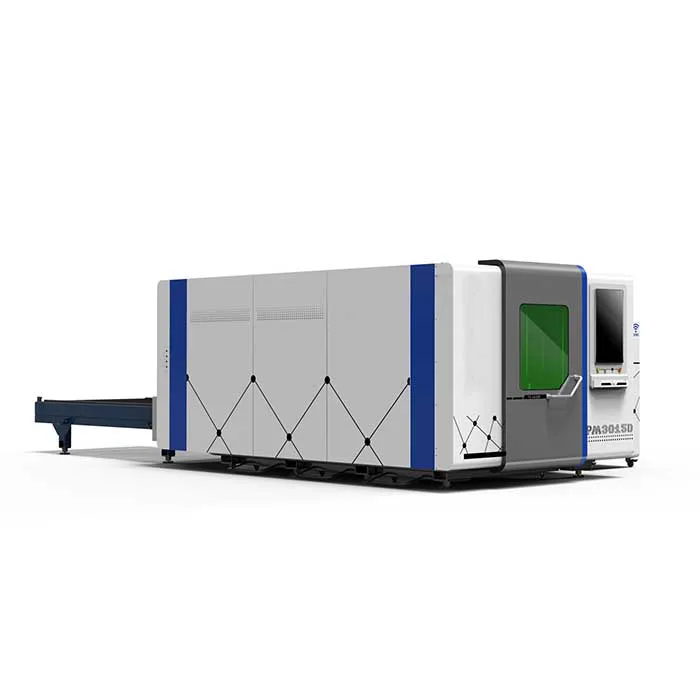
Metal Punching Machine: The Ultimate Guide to Precision Hole Punching
2026/03/10 -
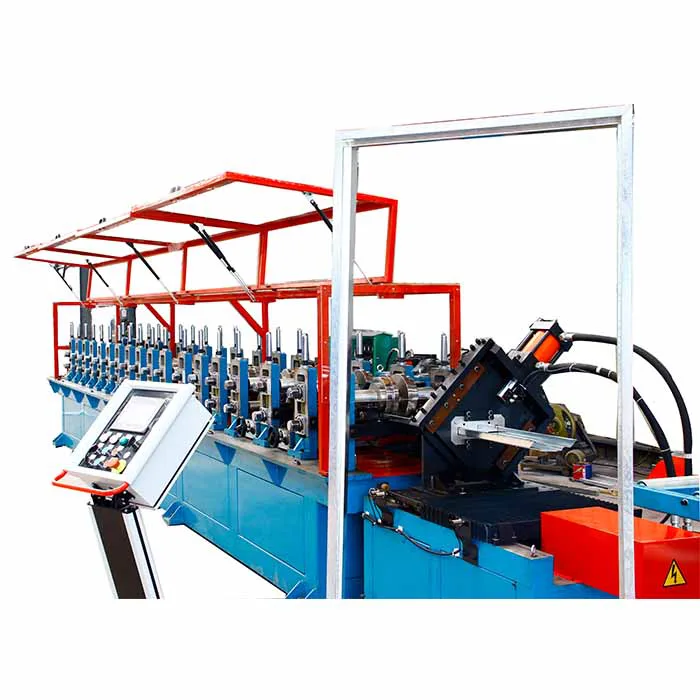
Sheet Metal Machinery: The Ultimate Guide to Industrial Fabrication Excellence
2026/03/04 -
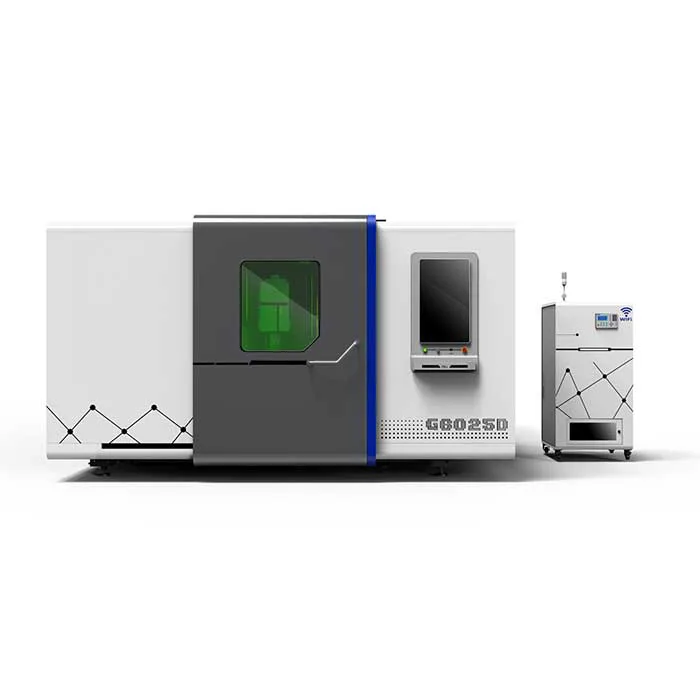
Iron Sheet Laser Cutting Machine: Unmatched Precision for Demanding Fabrication with METMAC
2026/01/06
-
Sheet Metal Press Brake: Ultimate Guide to Precision Bending Technology in 2024
2026/03/13 -
Metal Punching Machine: Ultimate Guide to Precision Manufacturing in 2024
2026/03/11 -
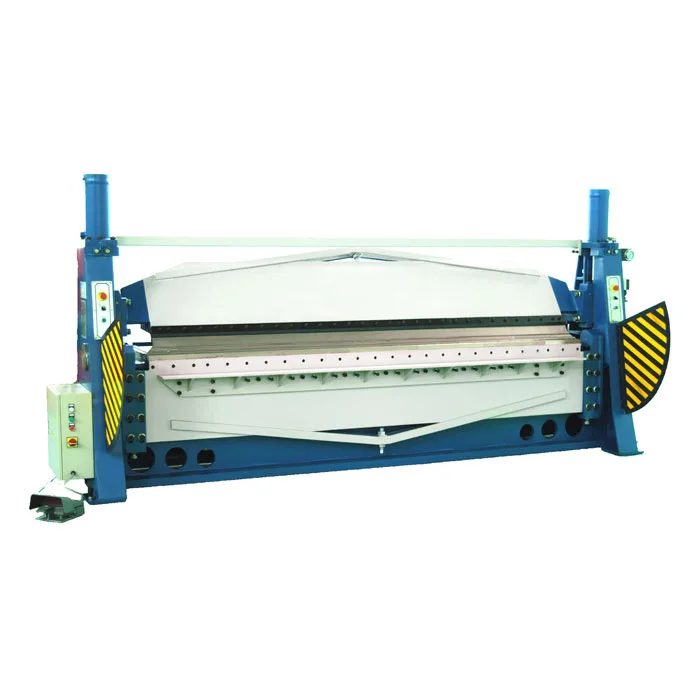
Metal Folding Machine: Comprehensive Guide to Precision Bending in 2024
2026/03/09 -
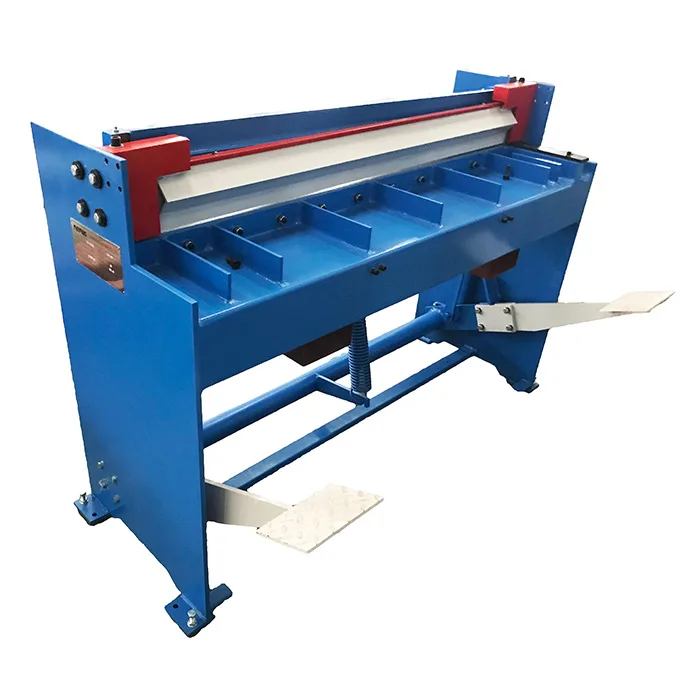
Sheet Metal Equipment: Ultimate Guide to Industrial Fabrication Solutions in 2026
2026/03/06
-
A Guide to the Latest Innovations in Sheet Metal Folding Machines
2024/11/29 -
Key Features to Consider When Investing in a Sheet Metal Folding Machine
2024/11/28 -
Enhancing Precision with Advanced Sheet Metal Folding Machines
2024/11/27 -
How to Choose the Right Sheet Metal Folding Machine for Your Workshop
2024/11/26
