


Regulatory Compliance in Metal Sheet Press Brake Manufacturing
Regulatory Compliance in Metal Sheet Press Brake Manufacturing: An Imperative for Safety and Quality
In the realm of metal fabrication, the manufacturing of press brakes for shaping metal sheets plays a pivotal role. However, this process is subject to a myriad of regulatory requirements designed to ensure worker safety, product quality, and environmental protection. Regulatory compliance is paramount for metal sheet press brake manufacturers to navigate this complex landscape and achieve operational excellence.
Legal Obligations
Adhering to regulatory standards is a legal obligation for manufacturers. Failure to comply can result in hefty fines, permit revocations, and even criminal charges. Key regulations include the Occupational Safety and Health Act (OSHA) in the United States, the Machinery Directive (MD) in Europe, and the National Electrical Code (NEC) for electrical safety. These standards establish specific guidelines for machine design, operation, and maintenance.
Worker Safety
Regulatory compliance prioritizes the well-being of workers. Manufacturers must implement measures to minimize hazards associated with press brake operation. This includes providing proper training, using guarding devices (e.g., light curtains, barriers), and implementing appropriate lockout-tagout procedures to prevent accidental activation. Adherence to these regulations ensures a safe and conducive work environment for employees.
Product Quality and Reliability
Regulatory compliance contributes to the production of high-quality press brakes that can consistently meet customer specifications. Standards such as ISO 9001:2015 establish quality management guidelines, ensuring that manufacturers follow best practices for design, fabrication, and testing. This improves product performance, reduces warranty claims, and enhances customer satisfaction.
Environmental Protection
Manufacturing processes can impact the environment. Regulatory compliance requires manufacturers to adhere to environmental standards, such as the Clean Air Act and the Clean Water Act. These regulations control emissions, waste disposal, and hazardous materials handling. By complying with these standards, manufacturers contribute to a cleaner and healthier environment.
Improved Efficiency and Productivity
Regulatory compliance may not only prevent legal issues but can also improve operational efficiency. By implementing standardized procedures and ensuring proper equipment maintenance, manufacturers can minimize downtime and production delays. This increases productivity and profitability, making regulatory compliance a wise investment for long-term success.
Importance of Certification
To demonstrate regulatory compliance, manufacturers may seek certification from third-party organizations. Certifications such as UL (Underwriters Laboratories) and ISO (International Organization for Standardization) provide assurance to customers that the manufacturer meets industry standards. Certification can also facilitate market access and open doors to international markets.
Conclusion
Regulatory compliance in metal sheet press brake manufacturing is a multifaceted imperative for safety, quality, environmental protection, and operational excellence. By adhering to these standards, manufacturers can protect their employees, ensure product reliability, contribute to a healthier environment, improve efficiency, and position themselves as responsible and competitive players in the global marketplace. Non-compliance, on the other hand, can have severe consequences and undermine the very foundations of a successful manufacturing enterprise.
-
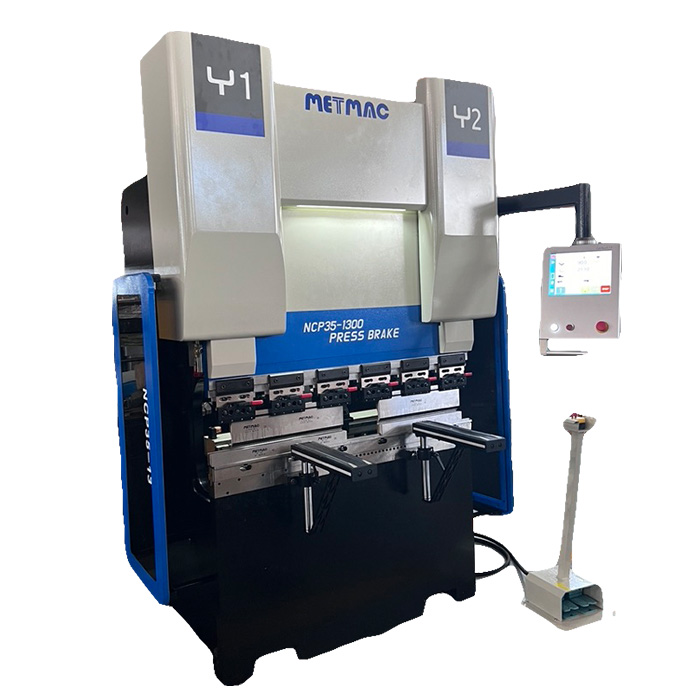
Press Metal Machine: The Definitive Guide to Precision Metal Forming
2026/03/12 -
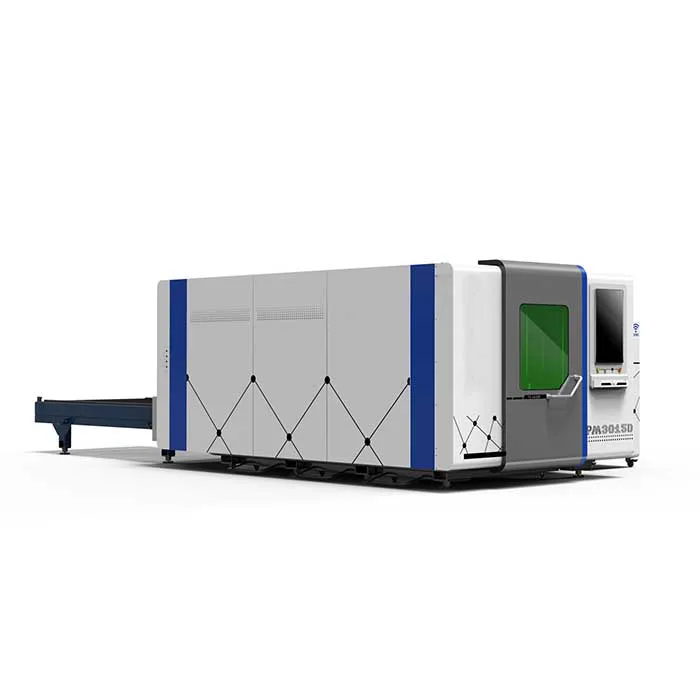
Metal Punching Machine: The Ultimate Guide to Precision Hole Punching
2026/03/10 -
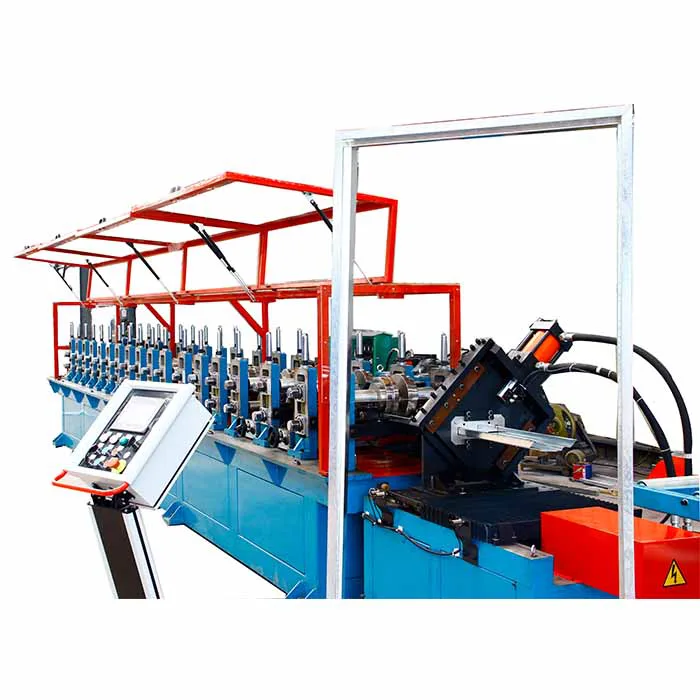
Sheet Metal Machinery: The Ultimate Guide to Industrial Fabrication Excellence
2026/03/04 -

Iron Sheet Laser Cutting Machine: Unmatched Precision for Demanding Fabrication with METMAC
2026/01/06
-
Sheet Metal Press Brake: Ultimate Guide to Precision Bending Technology in 2024
2026/03/13 -
Metal Punching Machine: Ultimate Guide to Precision Manufacturing in 2024
2026/03/11 -
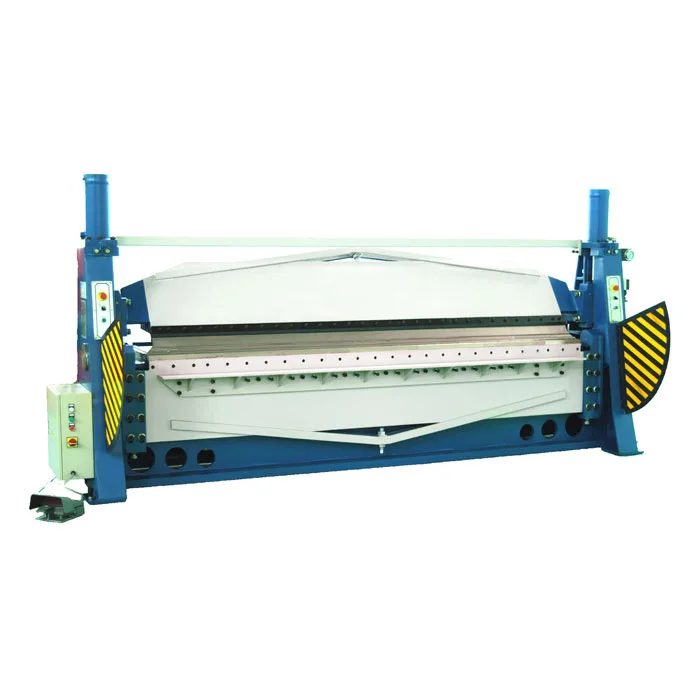
Metal Folding Machine: Comprehensive Guide to Precision Bending in 2024
2026/03/09 -
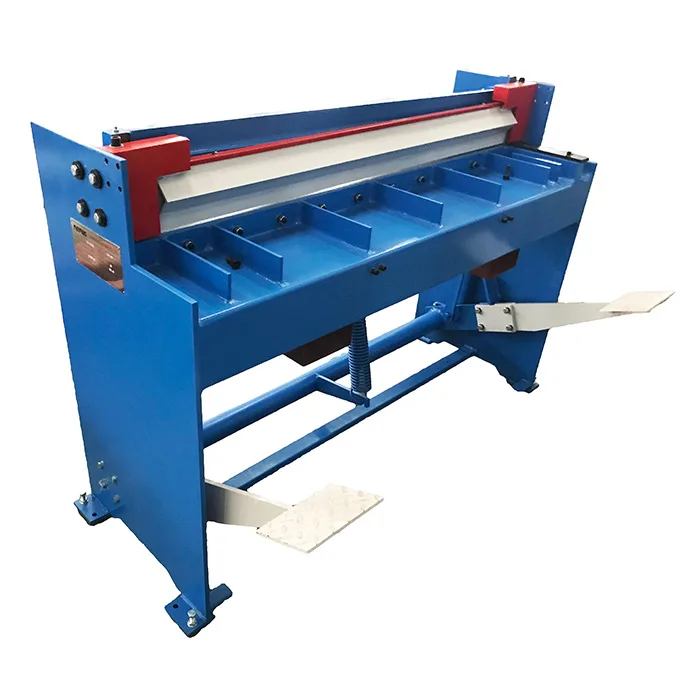
Sheet Metal Equipment: Ultimate Guide to Industrial Fabrication Solutions in 2026
2026/03/06
-
A Guide to the Latest Innovations in Sheet Metal Folding Machines
2024/11/29 -
Key Features to Consider When Investing in a Sheet Metal Folding Machine
2024/11/28 -
Enhancing Precision with Advanced Sheet Metal Folding Machines
2024/11/27 -
How to Choose the Right Sheet Metal Folding Machine for Your Workshop
2024/11/26
