


Expert Tips for Operating Plasma Cutting Nozzles Safely
Plasma cutting nozzles are essential components of plasma cutting systems, and their proper operation is crucial for safety and efficiency. Expert Tips for Operating Plasma Cutting Nozzles Safely provides comprehensive guidance on safe handling and operation of these nozzles to prevent accidents and optimize performance.
Pre-Operation Precautions
Before using plasma cutting nozzles, it is essential to take precautionary measures to ensure safety.
Inspect the nozzle for any damage or wear. Replace damaged nozzles immediately.
Ensure the nozzle is properly installed and tightened according to the manufacturer’s instructions. Loose nozzles can lead to leaks and instability.
Connect the nozzle to a power source that matches its recommended voltage and amperage. Mismatched connections can damage the nozzle or cause electrical hazards.
Wear appropriate protective gear, including gloves, eye protection, and a welding helmet, to shield yourself from harmful sparks and emissions.
Safe Operation Techniques
During plasma cutting, follow these safe operating techniques to minimize risks.
Hold the torch nozzle perpendicular to the workpiece to achieve a clean and consistent cut. Tilting the nozzle can result in uneven cutting and increased spatter.
Maintain the correct distance between the nozzle and the workpiece, as specified by the manufacturer. Excessive distance can lead to poor cut quality, while too close a distance can overheat the nozzle.
Avoid sudden movements or contact between the nozzle and the workpiece. Abrupt movements can cause the nozzle to overheat or break.
Adjust the cutting speed according to the material thickness and nozzle diameter. Too fast a speed can result in incomplete cuts, while too slow a speed can damage the nozzle.
Post-Operation Maintenance
After plasma cutting, proper maintenance of the nozzle is crucial to extend its lifespan and prevent future issues.
Clean the nozzle after each use to remove slag and other debris. Use a wire brush or compressed air to remove stubborn buildup.
Inspect the nozzle regularly for signs of wear or damage. If the orifices are clogged or the shielding cup is melted, replace the nozzle to avoid potential hazards.
Store the nozzle in a dry and protected location to prevent corrosion and damage.
Troubleshooting Common Issues
In the event of any issue while operating a plasma cutting nozzle, it is important to identify and mitigate the problem promptly.
No Plasma Arc
Check the power connections and ensure the nozzle is properly installed.
Replace the nozzle if the orifice is clogged or damaged.
Adjust the cutting speed or amperage according to the nozzle recommendations.
Poor Cut Quality
Inspect the nozzle for excessive wear or damage.
Ensure the nozzle is perpendicular to the workpiece and at the proper distance.
Adjust the cutting speed or amperage to optimize cut quality.
Overheating
Check the nozzle for proper fit and tightness.
Increase the cutting speed or adjust the amperage to reduce heat buildup.
Allow the nozzle to cool before continuing operation.
By adhering to these expert tips, operators can ensure the safe and effective operation of plasma cutting nozzles, optimizing performance and minimizing risks.
-
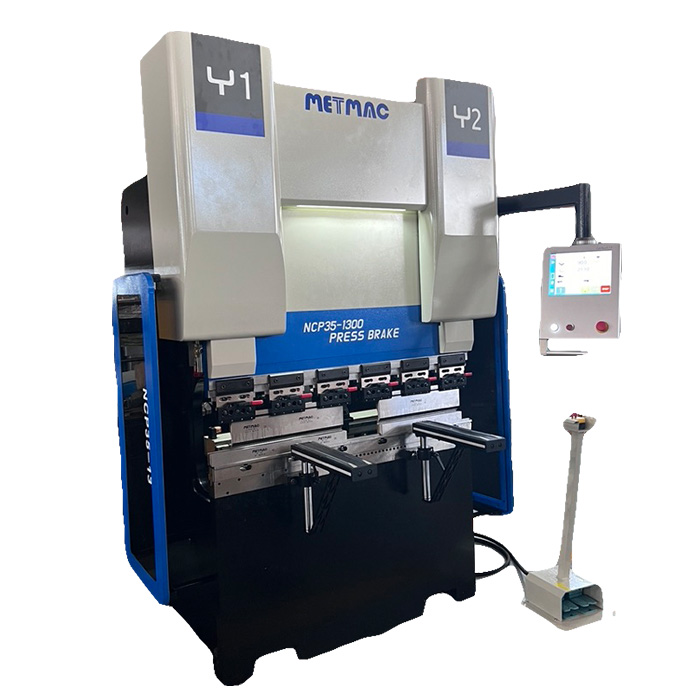
Press Metal Machine: The Definitive Guide to Precision Metal Forming
2026/03/12 -
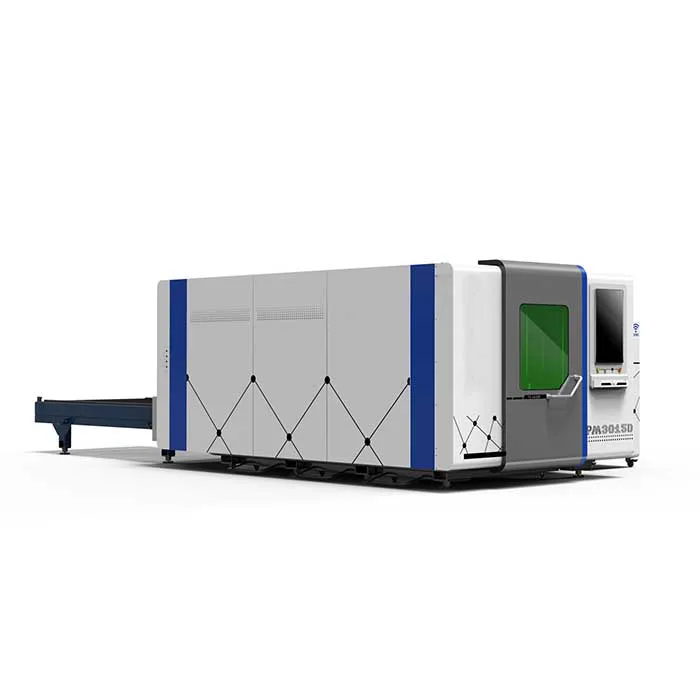
Metal Punching Machine: The Ultimate Guide to Precision Hole Punching
2026/03/10 -
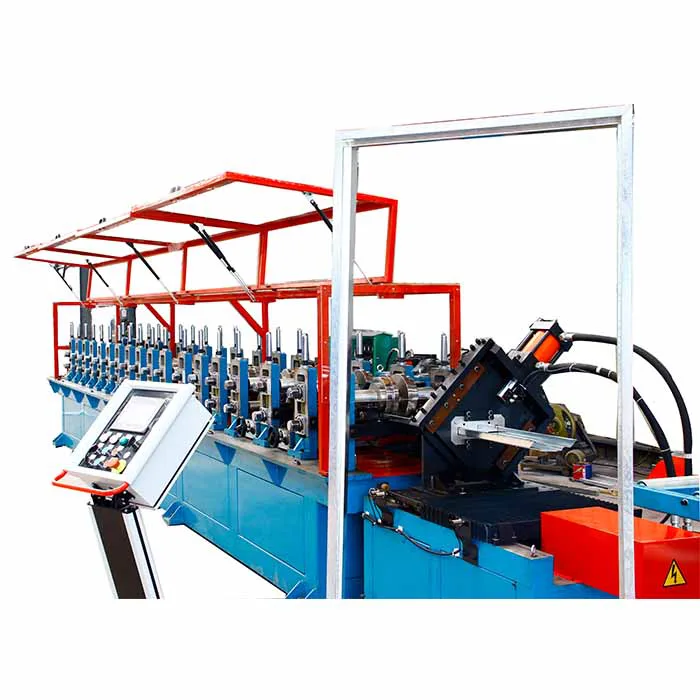
Sheet Metal Machinery: The Ultimate Guide to Industrial Fabrication Excellence
2026/03/04 -
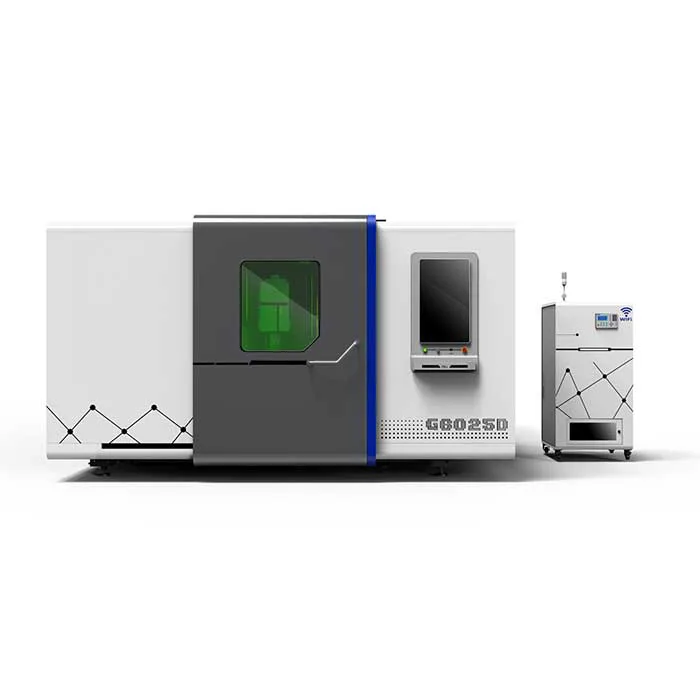
Iron Sheet Laser Cutting Machine: Unmatched Precision for Demanding Fabrication with METMAC
2026/01/06
-
Sheet Metal Press Brake: Ultimate Guide to Precision Bending Technology in 2024
2026/03/13 -
Metal Punching Machine: Ultimate Guide to Precision Manufacturing in 2024
2026/03/11 -
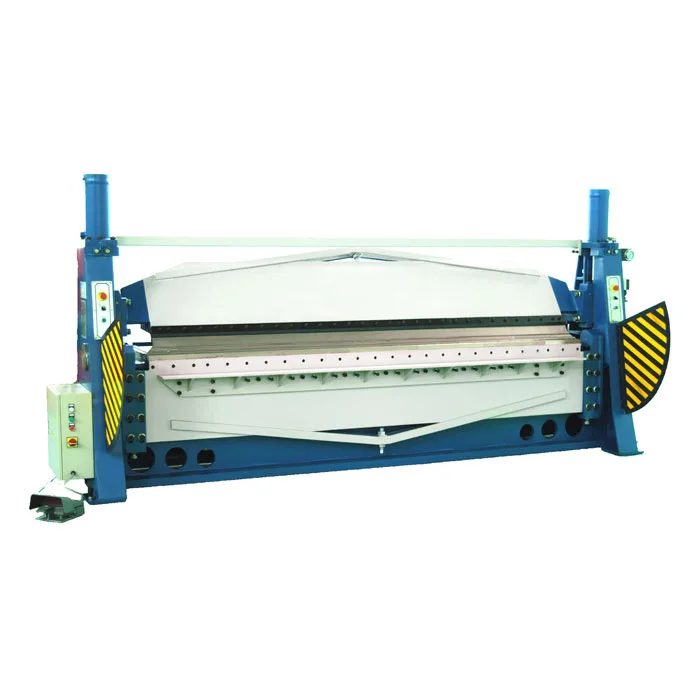
Metal Folding Machine: Comprehensive Guide to Precision Bending in 2024
2026/03/09 -
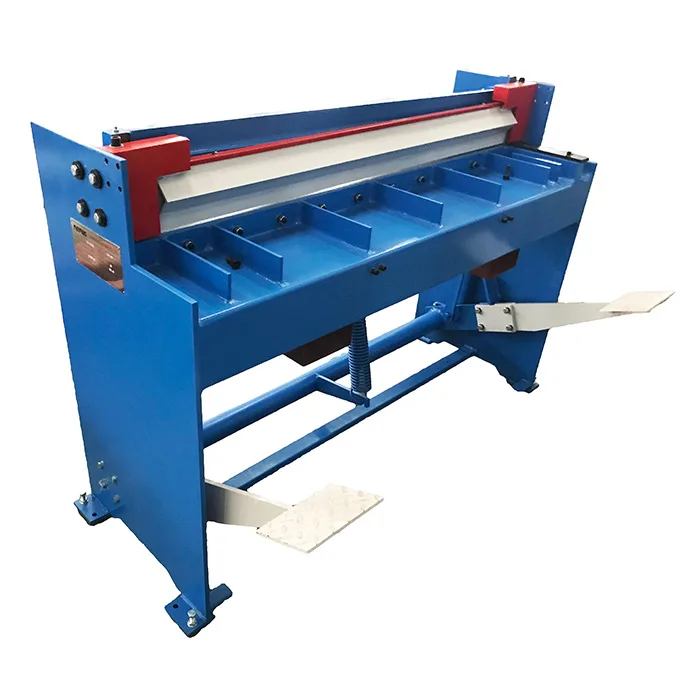
Sheet Metal Equipment: Ultimate Guide to Industrial Fabrication Solutions in 2026
2026/03/06
-
A Guide to the Latest Innovations in Sheet Metal Folding Machines
2024/11/29 -
Key Features to Consider When Investing in a Sheet Metal Folding Machine
2024/11/28 -
Enhancing Precision with Advanced Sheet Metal Folding Machines
2024/11/27 -
How to Choose the Right Sheet Metal Folding Machine for Your Workshop
2024/11/26
