


Troubleshooting for Top-Tier Quality- Common Sheet Metal Press Issues Solved
In the relentless pursuit of pristine sheet metal masterpieces, even the most seasoned fabricators can encounter vexing obstacles. From unsightly burrs to dreaded part deformation, the road to flawless craftsmanship is often riddled with unforeseen challenges. Fear not, for this compendium of sage advice seeks to unravel the mysteries behind common sheet metal press issues, empowering you to triumph over adversity with surgical precision.
Burrs: The Unsightly Scourge
A plague tormenting sheet metal fabricators, burrs are sharp protrusions that mar the edges of cut components. They arise from the tearing action of the punch and die, leaving behind a legacy of aesthetic compromise. To vanquish burrs, consider:
Sharpening Punch and Die: A dull punch and die will exacerbate burr formation. Ensure they are properly sharpened and honed to a razor’s edge.
Adjusting Clearance: Optimize the clearance between the punch and die to minimize material shearing and burr formation.
Employing a Shear: For complex cuts, employing a shear can mitigate burrs by cleanly separating the material instead of tearing it.
Part Deformation: A Structural Nightmare
When pressed into submission, sheet metal can succumb to deformation, compromising its structural integrity and dimensional accuracy. To prevent this unwanted warping:
Employ Proper Blank Size: Ensure the blank size is sufficient to accommodate the desired part geometry without excessive material stretching or compression.
Optimize Hold-Down Pressure: Adjust the hold-down pressure to adequately restrain the material during piercing and cutting operations, preventing deflection.
Consider Lubrication: Apply a lubricant to the material to reduce friction and minimize resistance to bending, thereby preventing distortions.
Tears: A Harrowing Ripping
Tears occur when the material’s tensile strength is exceeded, resulting in a jagged, unsightly rupture. To prevent this catastrophe:
Employ a Suitable Material: Select a sheet metal material with appropriate tensile strength for the intended application.
Optimize Punch Geometry: Design the punch geometry to minimize stress concentrations and reduce the risk of material tearing.
Adjust Cutting Parameters: Fine-tune the cutting parameters, such as speed and pressure, to ensure the material is cleanly severed without excessive force.
Harnessing the Power of Troubleshooting
By meticulously diagnosing and resolving common sheet metal press issues, fabricators can ascend to the zenith of quality. This intricate dance of troubleshooting demands a keen eye, a methodical approach, and a relentless pursuit of precision. May this guide serve as your trusted companion, guiding you along the path to sheet metal mastery, where every component gleams with flawless excellence.
-
Press Metal Machine: The Definitive Guide to Precision Metal Forming
2026/03/12 -
Metal Punching Machine: The Ultimate Guide to Precision Hole Punching
2026/03/10 -
Sheet Metal Machinery: The Ultimate Guide to Industrial Fabrication Excellence
2026/03/04 -
Iron Sheet Laser Cutting Machine: Unmatched Precision for Demanding Fabrication with METMAC
2026/01/06
-
Sheet Metal Press Brake: Ultimate Guide to Precision Bending Technology in 2024
2026/03/13 -
Metal Punching Machine: Ultimate Guide to Precision Manufacturing in 2024
2026/03/11 -
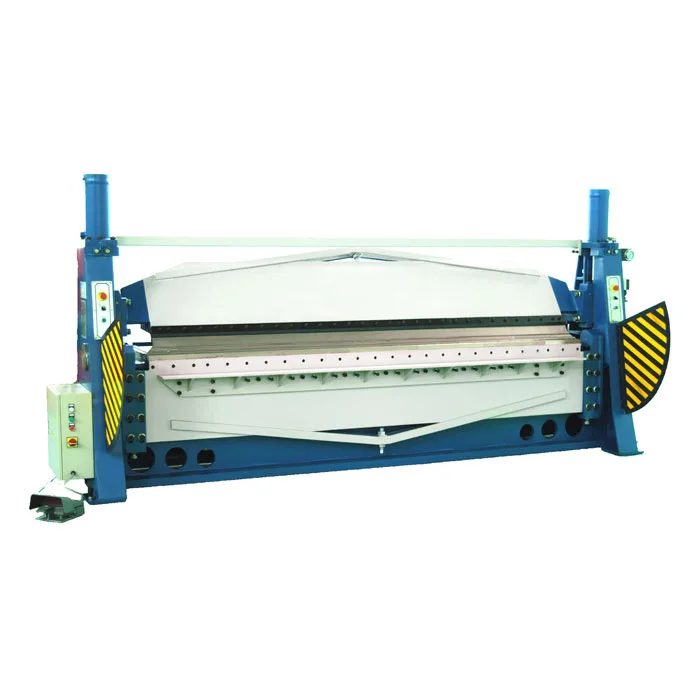
Metal Folding Machine: Comprehensive Guide to Precision Bending in 2024
2026/03/09 -
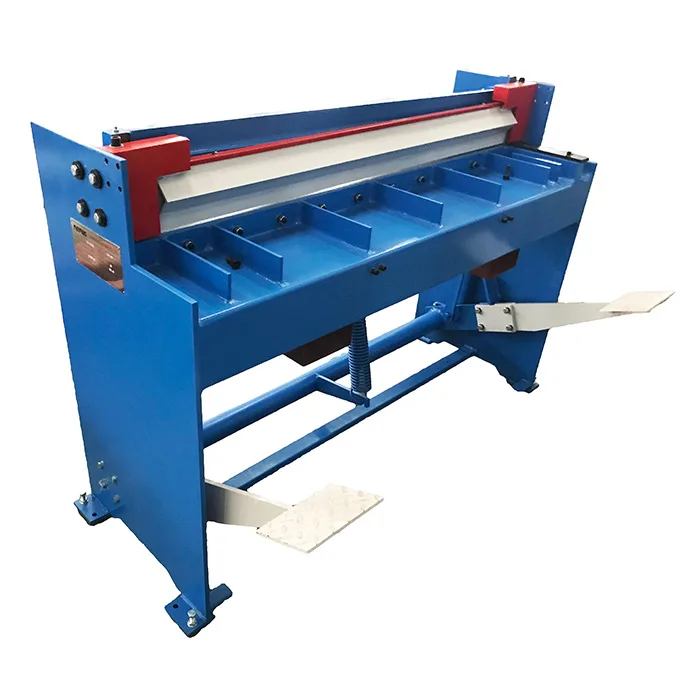
Sheet Metal Equipment: Ultimate Guide to Industrial Fabrication Solutions in 2026
2026/03/06
-
A Guide to the Latest Innovations in Sheet Metal Folding Machines
2024/11/29 -
Key Features to Consider When Investing in a Sheet Metal Folding Machine
2024/11/28 -
Enhancing Precision with Advanced Sheet Metal Folding Machines
2024/11/27 -
How to Choose the Right Sheet Metal Folding Machine for Your Workshop
2024/11/26
