

Sustainable Bending Practices- Eco-Friendly Solutions for Press Brakes
Introduction:
In the realm of metal fabrication, the relentless pursuit of efficiency and precision has often overshadowed environmental concerns. Press brakes, indispensable tools in shaping metal, can leave a significant carbon footprint. This article unveils innovative and sustainable bending practices that harmoniously blend productivity with environmental stewardship.
Energy-Efficient Machines:
Modern press brakes are equipped with advanced servo-electric drives that consume significantly less energy than traditional hydraulic systems. By eliminating the need for pumps and fluids, these machines not only reduce electricity consumption but also minimize maintenance costs.
Recyclable Materials:
Sustainable bending practices prioritize the use of recyclable materials. By selecting metals with high recycling rates, manufacturers can reduce waste and contribute to a circular economy. Steel, aluminum, and other ferrous and non-ferrous alloys offer excellent bending properties and are widely recyclable.
Biodegradable Lubricants:
Traditional lubricants used in press brakes can harm the environment. Biodegradable lubricants offer an eco-friendly alternative. Derived from plant-based oils, these lubricants are non-toxic, decompose naturally, and reduce the risk of soil and water contamination.
Noise Reduction:
Excessive noise pollution can be a nuisance for operators and the surrounding environment. Press brakes with noise-reducing enclosures and vibration dampening technologies create a quieter work environment, promoting operator well-being and reducing workplace noise levels.
Waste Reduction:
Zero-waste bending is a goal that can be achieved through advanced nesting techniques and optimized material utilization. By minimizing material scrap and maximizing the yield, manufacturers can reduce waste, conserve resources, and lower disposal costs.
Conclusion:
Sustainable bending practices are essential for a responsible and eco-conscious metal fabrication industry. By embracing energy-efficient machines, recyclable materials, biodegradable lubricants, noise reduction technologies, and waste reduction strategies, manufacturers can minimize their environmental impact while enhancing their productivity and profitability. As the demand for sustainable products and manufacturing processes grows, businesses that prioritize environmental stewardship will gain a competitive edge and contribute to a greener future.
-
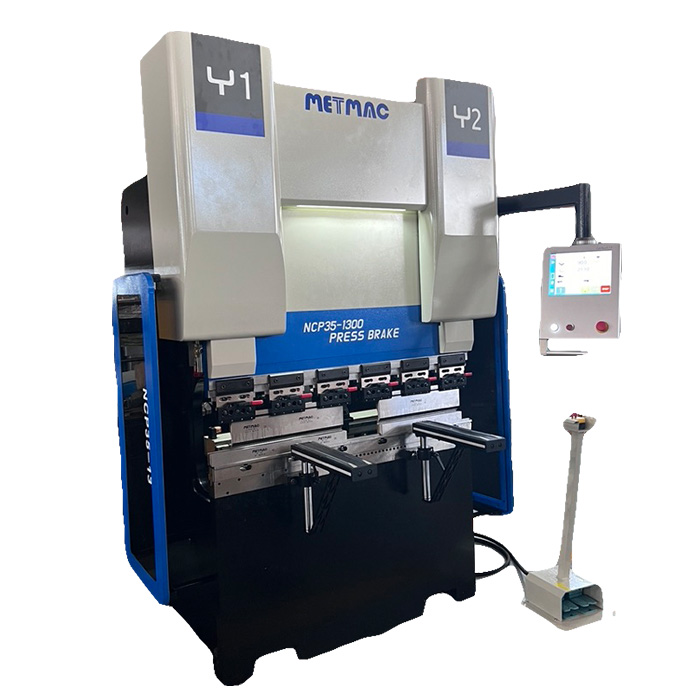
Press Metal Machine: The Definitive Guide to Precision Metal Forming
2026/03/12 -
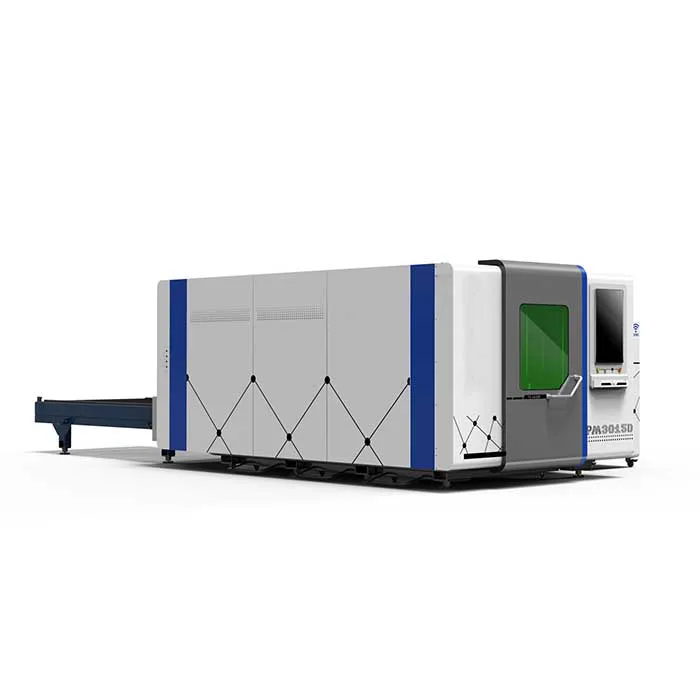
Metal Punching Machine: The Ultimate Guide to Precision Hole Punching
2026/03/10 -
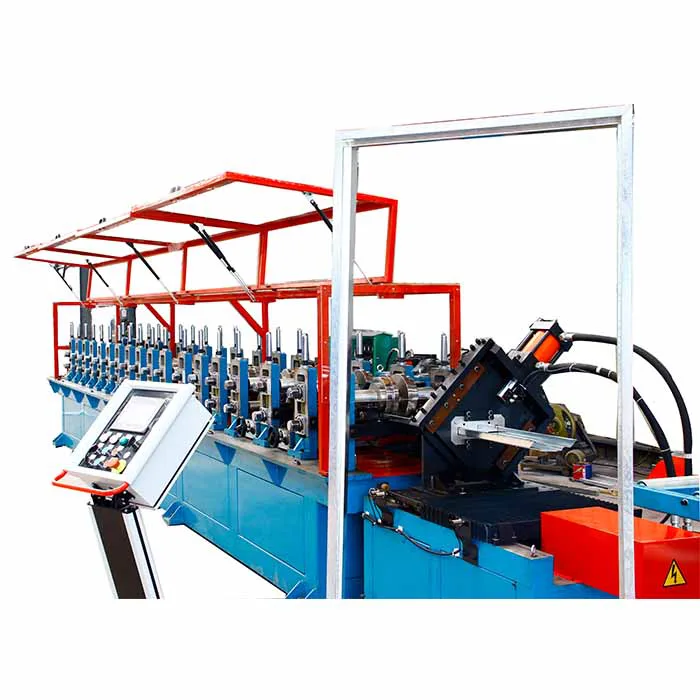
Sheet Metal Machinery: The Ultimate Guide to Industrial Fabrication Excellence
2026/03/04 -
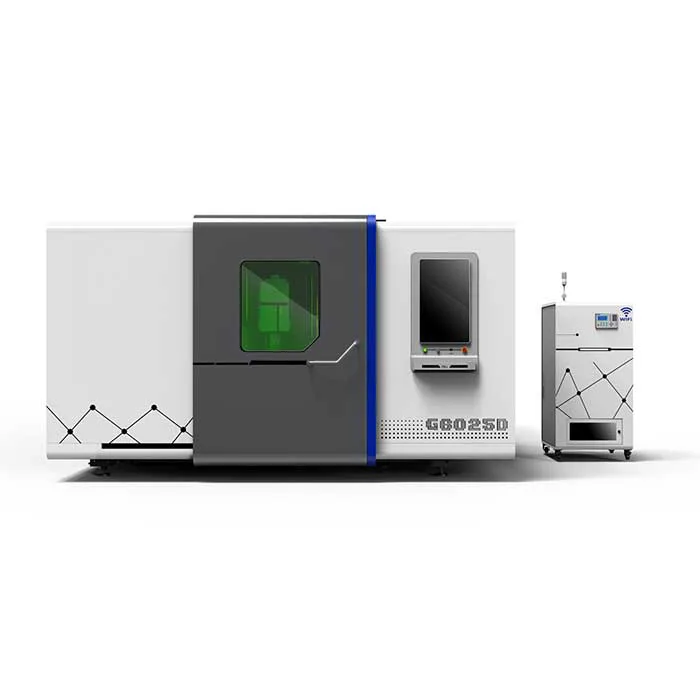
Iron Sheet Laser Cutting Machine: Unmatched Precision for Demanding Fabrication with METMAC
2026/01/06
-
Sheet Metal Press Brake: Ultimate Guide to Precision Bending Technology in 2024
2026/03/13 -
Metal Punching Machine: Ultimate Guide to Precision Manufacturing in 2024
2026/03/11 -
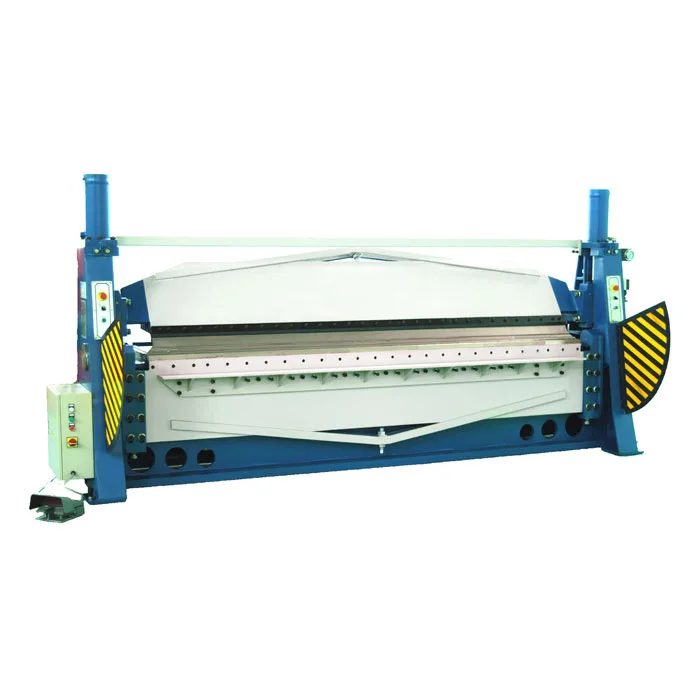
Metal Folding Machine: Comprehensive Guide to Precision Bending in 2024
2026/03/09 -
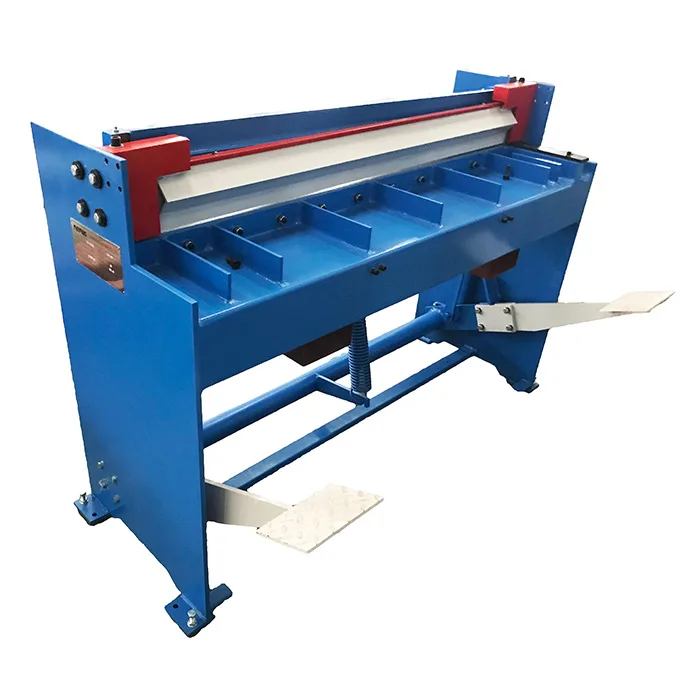
Sheet Metal Equipment: Ultimate Guide to Industrial Fabrication Solutions in 2026
2026/03/06
-
Understanding the Role and Function of Steel Strip Slitting Machines
2024/05/11 -
Maintenance Tips for Longevity of HVAC Duct Machines
2024/05/11 -
Innovations in Steel Strip Slitting Machine Design and Technology
2024/05/11 -
Improving Accuracy in Metal Fabrication with Laser Metal Shear Machines
2024/05/11
-
A Guide to the Latest Innovations in Sheet Metal Folding Machines
2024/11/29 -
Key Features to Consider When Investing in a Sheet Metal Folding Machine
2024/11/28 -
Enhancing Precision with Advanced Sheet Metal Folding Machines
2024/11/27 -
How to Choose the Right Sheet Metal Folding Machine for Your Workshop
2024/11/26
