


Sustainable Bending- Eco-Friendly Options in Plate Bending Technology
In the realm of metal fabrication, plate bending technology plays a crucial role in shaping metal sheets into intricate and functional components. However, traditional plate bending processes often involve the use of hazardous chemicals and generate significant environmental waste. To address these concerns, the industry has developed sustainable bending techniques that prioritize environmental stewardship while maintaining productivity.
Ultrasonic Bending: A Clean and Efficient Alternative
Ultrasonic bending utilizes high-frequency vibrations to induce plastic deformation in metal sheets. Unlike traditional bending methods that use force, ultrasonic bending does not produce any hazardous fumes or chemical waste. The process is also highly efficient and precise, resulting in consistent bends with minimal material consumption.
Friction Stir Welding: Joining without Melting
Friction stir welding (FSW) is a solid-state joining technique that bonds metal sheets together without melting them. FSW reduces the need for adhesives and reduces energy consumption compared to traditional welding methods. It also eliminates the production of harmful fumes and emissions, contributing to a cleaner work environment and reduced environmental impact.
Energy-Saving Machines: Optimizing Efficiency
Modern plate bending machines are designed to minimize energy consumption through advanced features such as variable-speed drives and regenerative braking systems. These technologies adjust machine speed and recover energy during the bending process, reducing overall power consumption and operating costs. Additionally, energy-efficient lighting and optimized machine design further contribute to sustainable operations.
Recycled Materials: Closing the Loop
Sustainable plate bending also involves using recycled materials in the production process. By incorporating recycled steel or aluminum into bending operations, manufacturers can reduce the need for raw material extraction and minimize the environmental impact associated with mining and refining.
Waste Reduction: Minimizing Environmental Footprint
Plate bending operations can generate significant amounts of scrap metal. To reduce waste, manufacturers can implement waste reduction strategies such as scrap recycling and process optimization. By reusing scrap metal and optimizing bending processes to minimize waste, manufacturers can conserve resources and reduce their environmental footprint.
Environmental Compliance: Meeting Regulations
Sustainable bending practices are essential for businesses to meet environmental regulations and demonstrate their commitment to environmental stewardship. Adherence to standards such as ISO 14001 ensures that plate bending operations are conducted in a manner that minimizes environmental impact and promotes sustainability.
In conclusion, Sustainable Bending: Eco-Friendly Options in Plate Bending Technology offers a comprehensive approach to reducing the environmental impact of metal fabrication. By adopting ultrasonic bending, friction stir welding, energy-saving machines, recycled materials, waste reduction strategies, and environmental compliance measures, manufacturers can achieve sustainable plate bending practices that preserve the environment and contribute to a greener future.
-
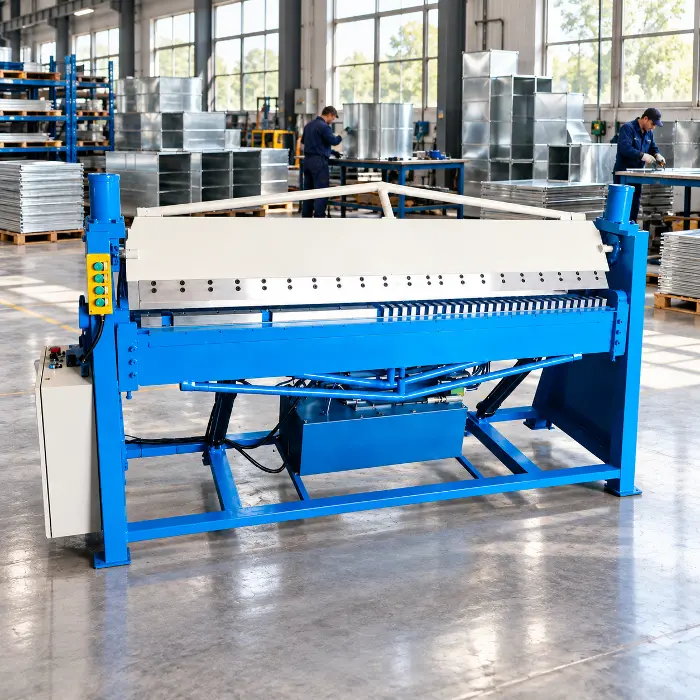
Choosing HVAC Duct Folding Machines for Flange-Safe Bending
2026/10/13 -
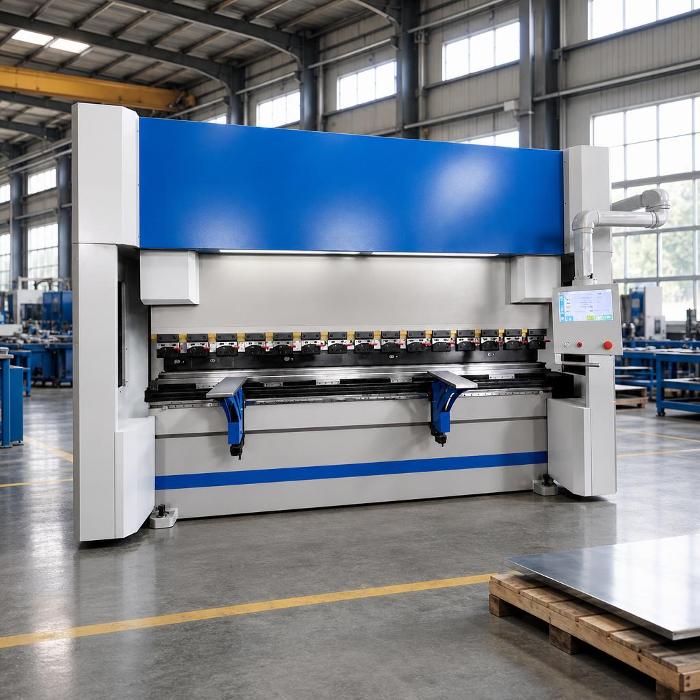
Precision Metal Forming Machines: What Separates Accurate Bends From Scrapped Sheet
2026/10/12 -
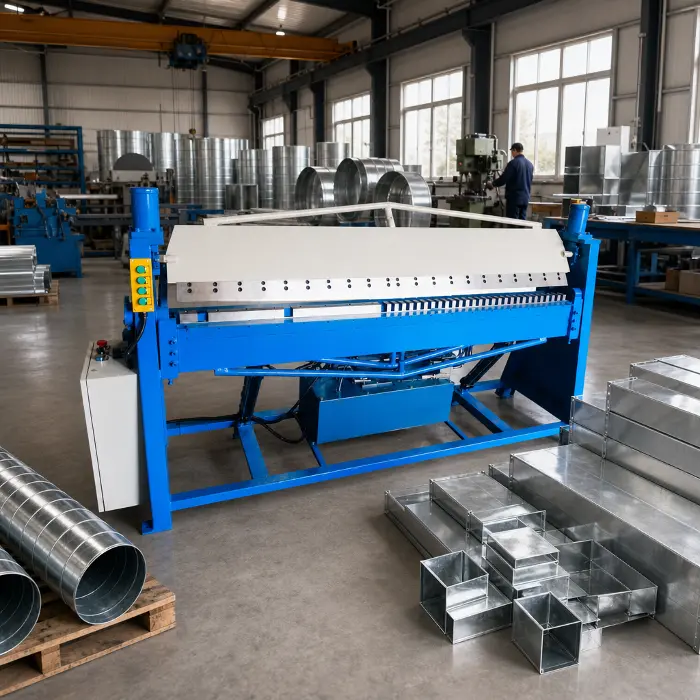
What to Look for in an HVAC Folding Machine Manufacturer
2026/10/11 -
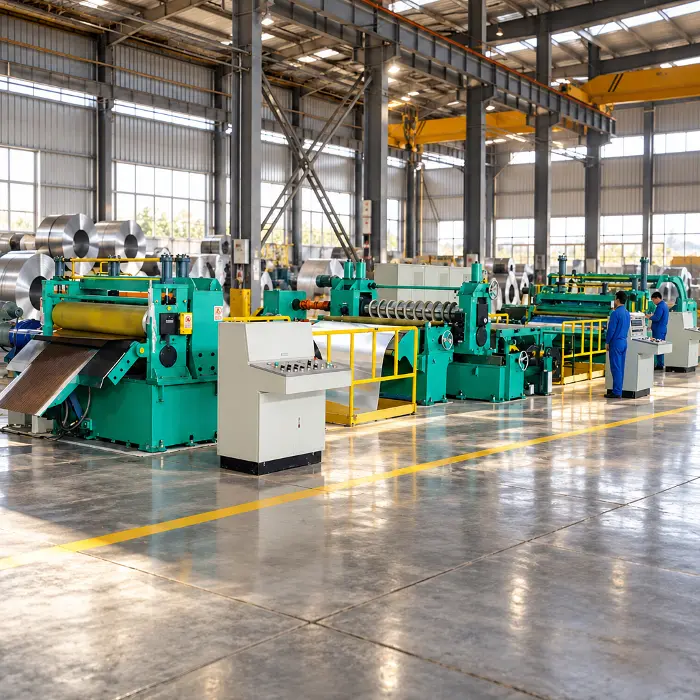
Steel Strip Cutting Machine: Engineering Precision in Modern Metal Processing
2026/10/10
-
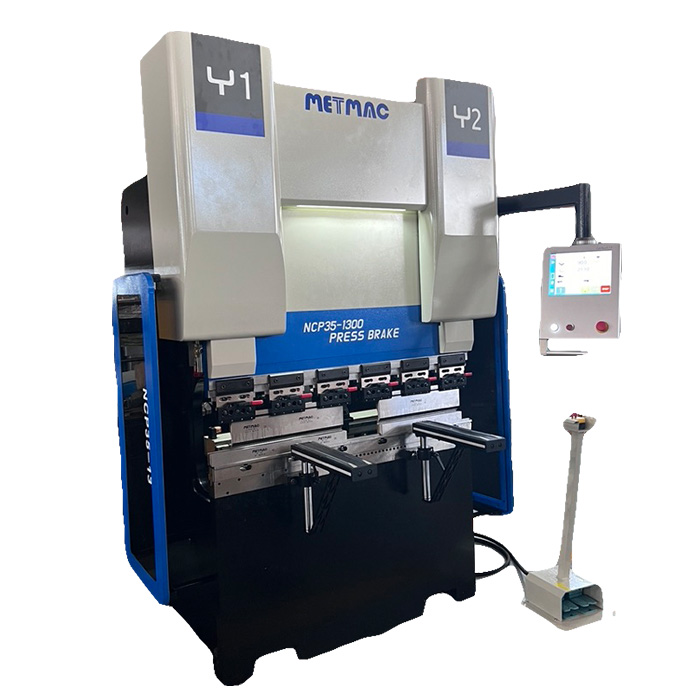
Sheet Metal Press Brake: Ultimate Guide to Precision Bending Technology in 2024
2026/03/13 -
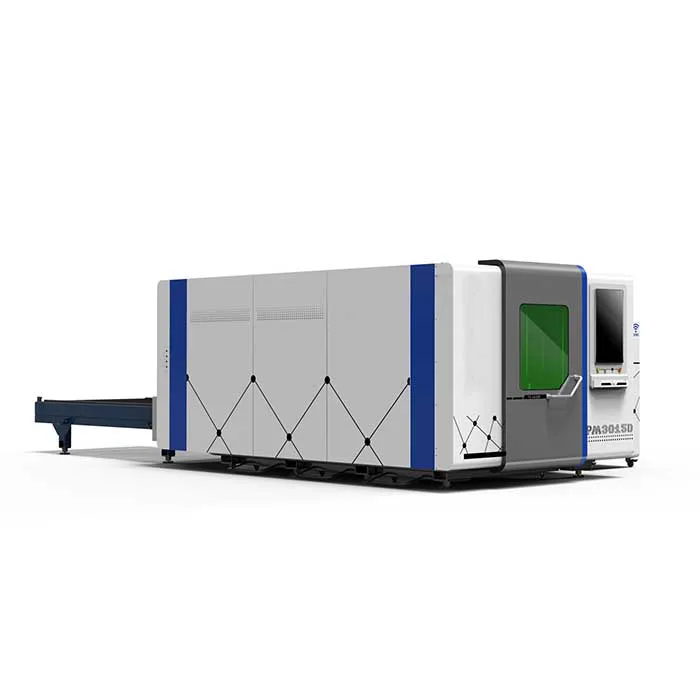
Metal Punching Machine: Ultimate Guide to Precision Manufacturing in 2024
2026/03/11 -
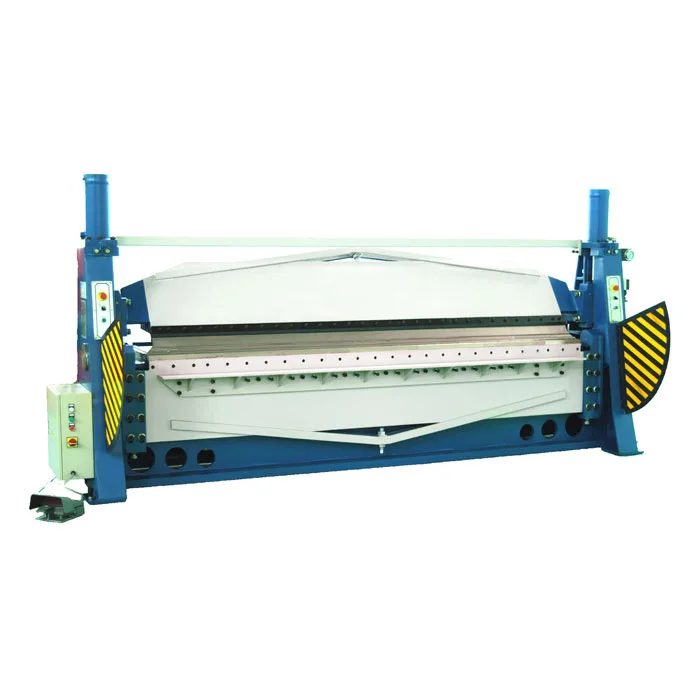
Metal Folding Machine: Comprehensive Guide to Precision Bending in 2024
2026/03/09 -
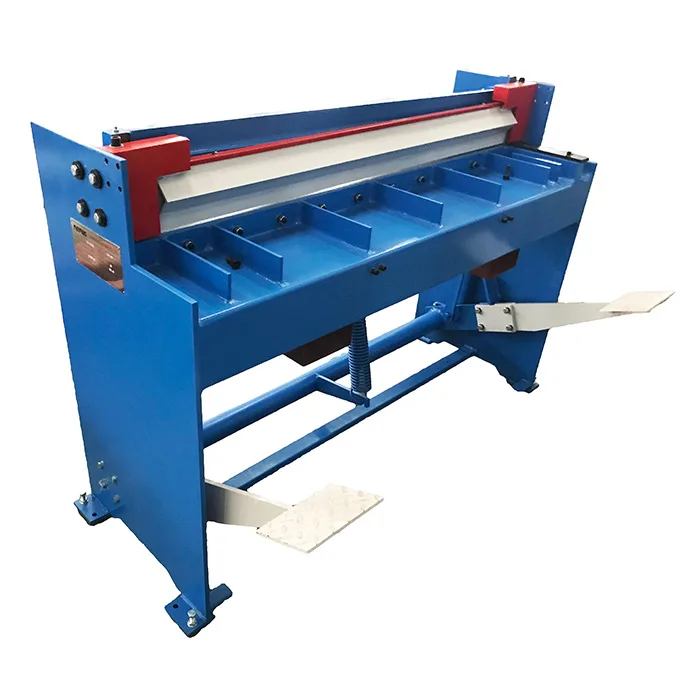
Sheet Metal Equipment: Ultimate Guide to Industrial Fabrication Solutions in 2026
2026/03/06
-
Innovations in Steel Strip Slitting Machine Design and Technology
2024/05/11 -
Improving Accuracy in Metal Fabrication with Laser Metal Shear Machines
2024/05/11 -
Latest Technological Advancements in Rectangular Duct Machines
2024/05/11 -
Integrating Automation with Rectangular Duct Machines for Enhanced Productivity
2024/05/11
-
A Guide to the Latest Innovations in Sheet Metal Folding Machines
2024/11/29 -
Key Features to Consider When Investing in a Sheet Metal Folding Machine
2024/11/28 -
Enhancing Precision with Advanced Sheet Metal Folding Machines
2024/11/27 -
How to Choose the Right Sheet Metal Folding Machine for Your Workshop
2024/11/26
