


Safety First- Essential Tips for Operating Plate Bending Machines
In the realm of metal fabrication, plate bending machines reign supreme, capable of transforming flat sheets into complex and precise shapes. However, these behemoths demand utmost respect and adherence to safety protocols to ensure that every operation is a symphony of efficiency and safety.
1. Clear the Workspace and Secure the Machine
Before embarking on any bending mission, clear the work area of obstacles. Verify that the machine is securely anchored to the floor, preventing any unwanted movements.
2. Wear Appropriate Personal Protective Equipment (PPE)
Don’t be caught naked when bending metal. Wear PPE including safety glasses, earplugs, gloves, and sturdy boots. Gloves provide a vital barrier against sharp edges and potential pinches.
3. Inspect the Equipment Regularly
A stitch in time saves nine. Regular inspections of the machine’s hydraulic system, electrical connections, and tooling ensure that it’s in tip-top shape. Catching any anomalies early on prevents catastrophic failures.
4. Evaluate the Material’s Properties
Different metals have different bending characteristics. Understand the material’s thickness, yield strength, and grain orientation to determine the appropriate bending parameters.
5. Position the Material Correctly
Alignment is everything. Position the material accurately on the bending table using reference points. Ensure that the bottom edge of the plate is aligned with the bending line.
6. Measure and Mark the Bend
Precision is paramount. Mark the desired bending angle and the location of any flanges or bends. Use a protractor or angle finder to ensure accuracy.
7. Engage the Machine Safely
Follow the manufacturer’s instructions meticulously. Engage the machine with both hands, ensuring that you’re clear of all moving parts. Maintain a safe distance throughout the process.
8. Monitor the Bending Process
Keep a watchful eye on the bending operation. Check for any signs of material deformation or equipment malfunction. If anything seems amiss, stop the machine immediately.
9. Eject the Material Safely
Once the bend is complete, use the ejector button to remove the material from the machine. Avoid touching the hot or bent areas to prevent burns or cuts.
10. Clean and Lubricate the Machine
Post-operation maintenance is crucial. Clean the machine of any metal shavings or debris. Lubricate all moving parts as per the manufacturer’s specifications to ensure smooth operation in the future.
Remember, safety is not just a word; it’s a mantra that should be echoed throughout every plate bending operation. By adhering to these essential tips, you’ll not only protect yourself and others but also ensure that your plate bending machine delivers flawless results for years to come.
-
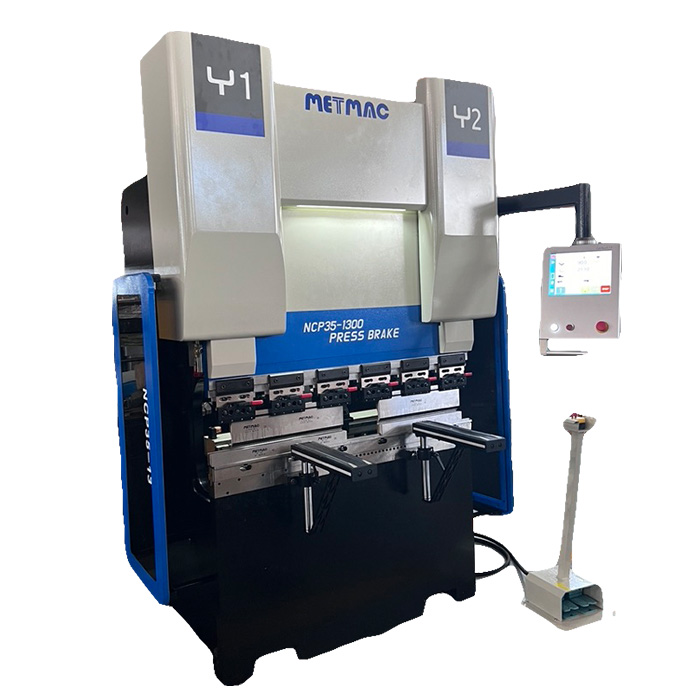
Press Metal Machine: The Definitive Guide to Precision Metal Forming
2026/03/12 -
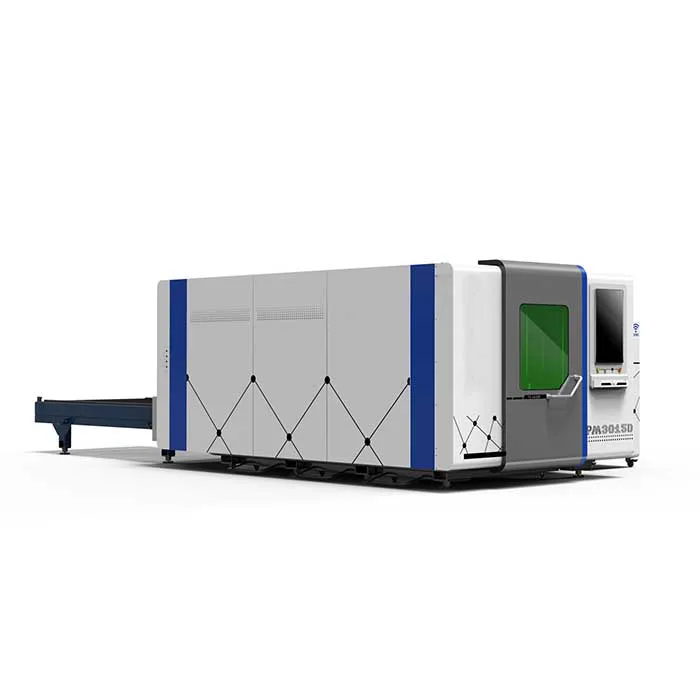
Metal Punching Machine: The Ultimate Guide to Precision Hole Punching
2026/03/10 -
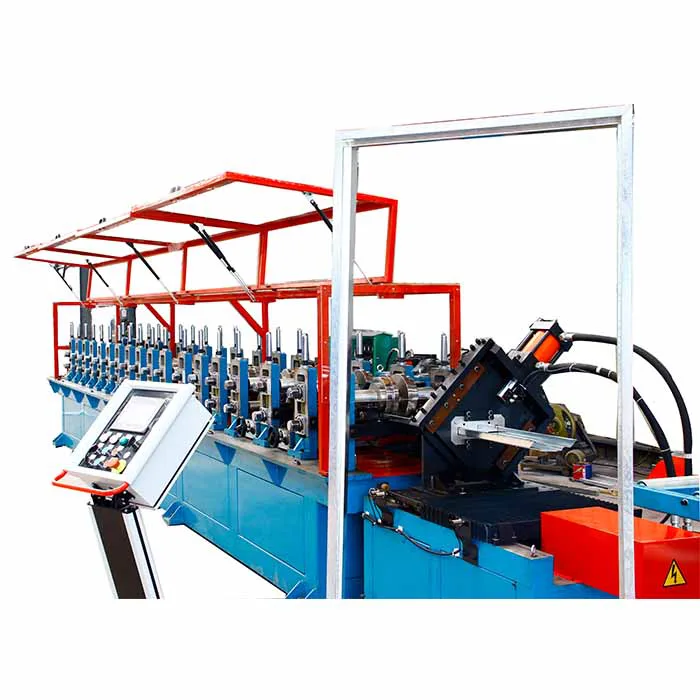
Sheet Metal Machinery: The Ultimate Guide to Industrial Fabrication Excellence
2026/03/04 -
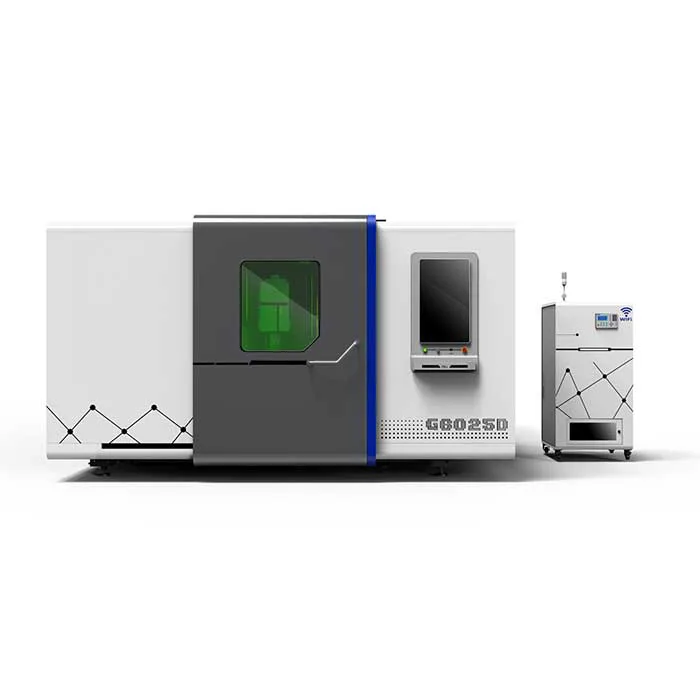
Iron Sheet Laser Cutting Machine: Unmatched Precision for Demanding Fabrication with METMAC
2026/01/06
-
Sheet Metal Press Brake: Ultimate Guide to Precision Bending Technology in 2024
2026/03/13 -
Metal Punching Machine: Ultimate Guide to Precision Manufacturing in 2024
2026/03/11 -
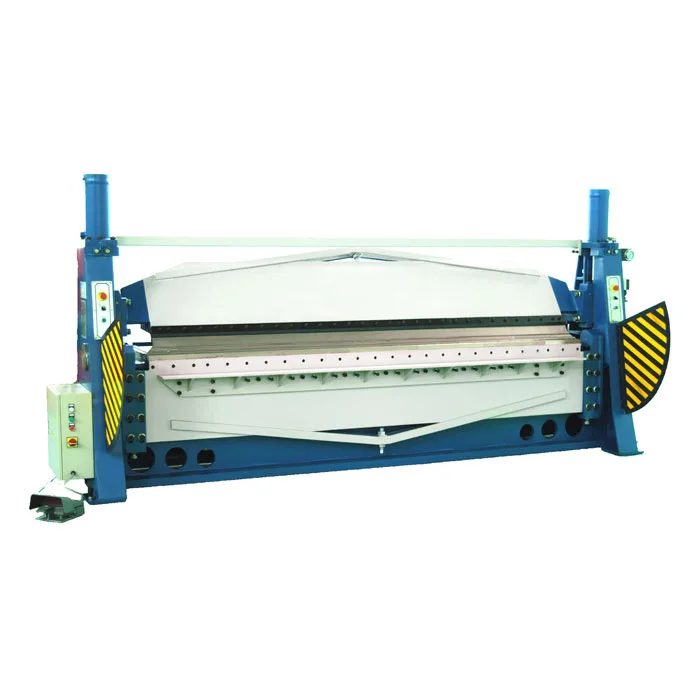
Metal Folding Machine: Comprehensive Guide to Precision Bending in 2024
2026/03/09 -
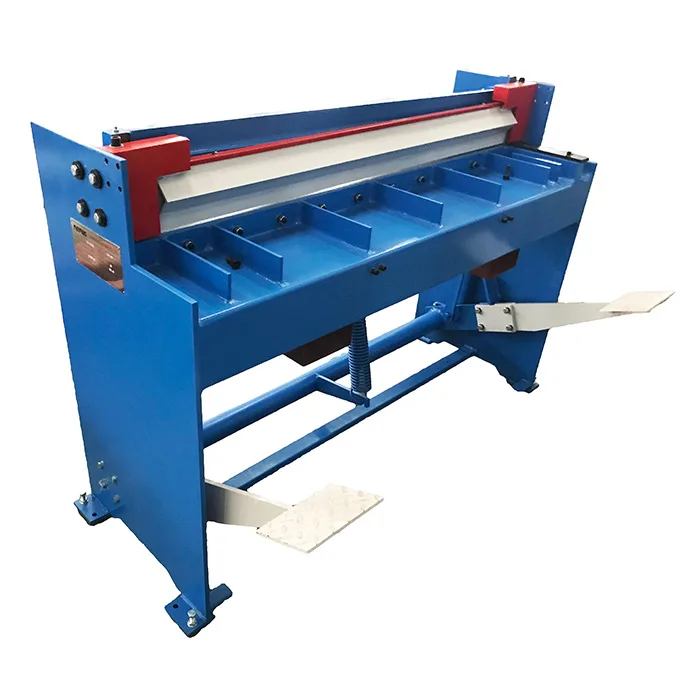
Sheet Metal Equipment: Ultimate Guide to Industrial Fabrication Solutions in 2026
2026/03/06
-
Integrating Automation with Rectangular Duct Machines for Enhanced Productivity
2024/05/11 -
Metal Shear Machines- Essential Tools for Precision Metal Cutting
2024/05/11 -
Understanding the Role and Function of Steel Strip Slitting Machines
2024/05/11 -
Maintenance Tips for Longevity of HVAC Duct Machines
2024/05/11
-
A Guide to the Latest Innovations in Sheet Metal Folding Machines
2024/11/29 -
Key Features to Consider When Investing in a Sheet Metal Folding Machine
2024/11/28 -
Enhancing Precision with Advanced Sheet Metal Folding Machines
2024/11/27 -
How to Choose the Right Sheet Metal Folding Machine for Your Workshop
2024/11/26
