

Metal Shearing- A Foundation for Successful Metal Fabrication
Metal shearing is a foundational process in metal fabrication, shaping raw materials into desired forms through precise cutting techniques. This intricate process requires specialized equipment and skilled operators to ensure accurate and efficient results. In “Metal Shearing: A Foundation for Successful Metal Fabrication,” the comprehensive guide delves into the essential principles, techniques, and applications of metal shearing, providing a thorough understanding for professionals in the industry.
Understanding Metal Shearing
Metal shearing involves applying force to cut sheet metal into linear paths. The process utilizes sharp blades that exert pressure on the metal, separating it along the desired cut line. Different types of shearing machines are employed, each designed for specific shearing requirements, ranging from manual shears to advanced hydraulic models.
The Role of Blade Design
The design of the shearing blades plays a crucial role in determining the quality of the cut. Blades come in various shapes and sizes, optimized for different thicknesses and hardness of metal. Sharp blades produce clean and precise cuts, while dull or damaged blades can result in rough edges, burrs, or tearing. Proper blade maintenance and timely replacements are essential for maintaining shearing accuracy.
Types of Metal Shearing
Metal shearing can be categorized into different types based on the method of cutting:
– Guillotine Shearing: A guillotine shear uses a descending blade to cut sheet metal, similar to a paper guillotine.
– Rotary Shearing: Rotary shears employ rotating blades to cut curved shapes or complex patterns.
– Slitting: Slitting machines are used for high-volume cutting of strip material into narrow widths.
– Laser Cutting: Laser cutting utilizes a focused laser beam to precisely cut intricate shapes and features in metals.
Applications of Metal Shearing
Metal shearing is widely employed in various industries, including:
– Automotive: Fabrication of body panels, chassis components, and exhaust systems.
– Construction: Creation of sheet metal roofing, siding, and ductwork.
– Aerospace: Production of aircraft components, such as wings, skins, and engine casings.
– Appliances: Manufacturing of refrigerator panels, oven liners, and washing machine drums.
Choosing the Right Metal Shearing Machine
Selecting the appropriate metal shearing machine depends on the specific requirements of the fabrication process. Factors to consider include:
– Sheet Thickness: The thickness of the metal being cut determines the required shearing force.
– Length and Width: The size of the sheet metal dictates the machine’s capacity.
– Shape Complexity: Intricate shapes require specialized shearing machines capable of precise cuts.
– Production Volume: The volume of production influences the efficiency and speed required from the machine.
Conclusion
“Metal Shearing: A Foundation for Successful Metal Fabrication” provides a comprehensive overview of the principles, techniques, and applications of metal shearing. Understanding these principles empowers metal fabrication professionals with the knowledge to select the right machinery, optimize cutting processes, and achieve high-quality results. Metal shearing remains a vital process in the metalworking industry, enabling the production of precise and durable metal components for a wide range of applications.
-
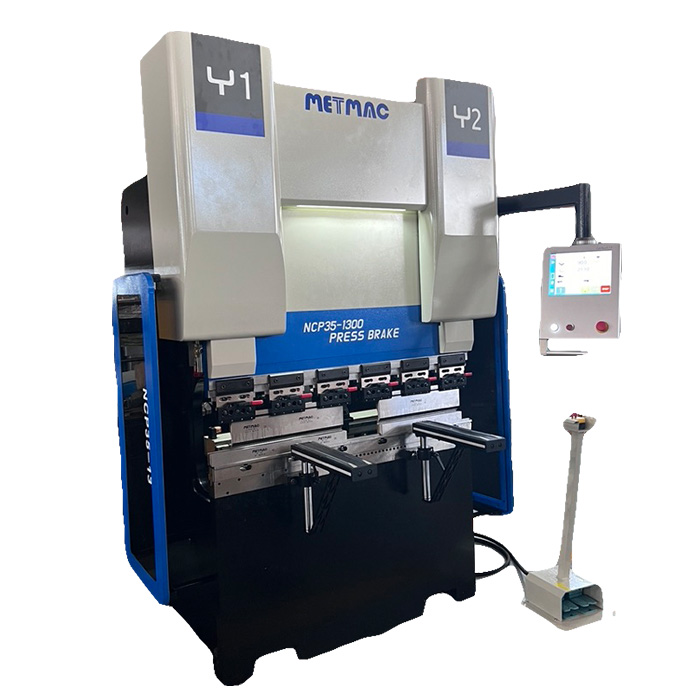
Press Metal Machine: The Definitive Guide to Precision Metal Forming
2026/03/12 -
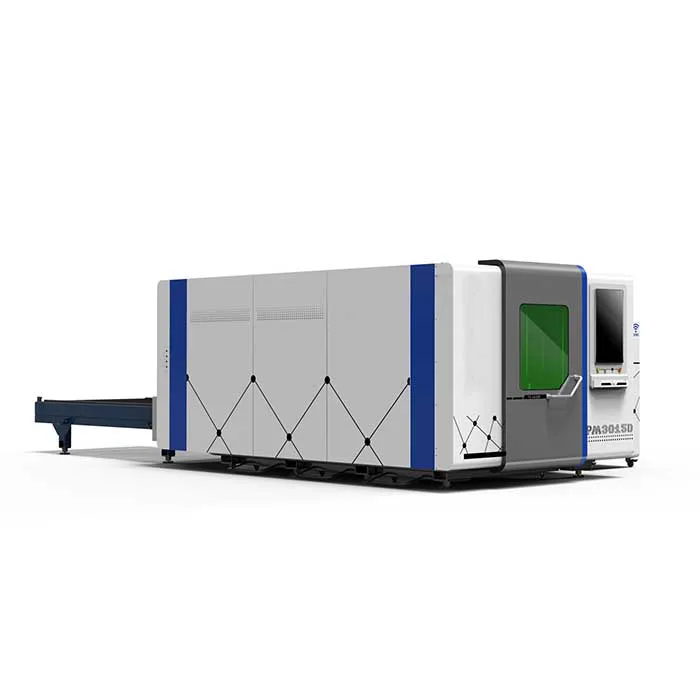
Metal Punching Machine: The Ultimate Guide to Precision Hole Punching
2026/03/10 -
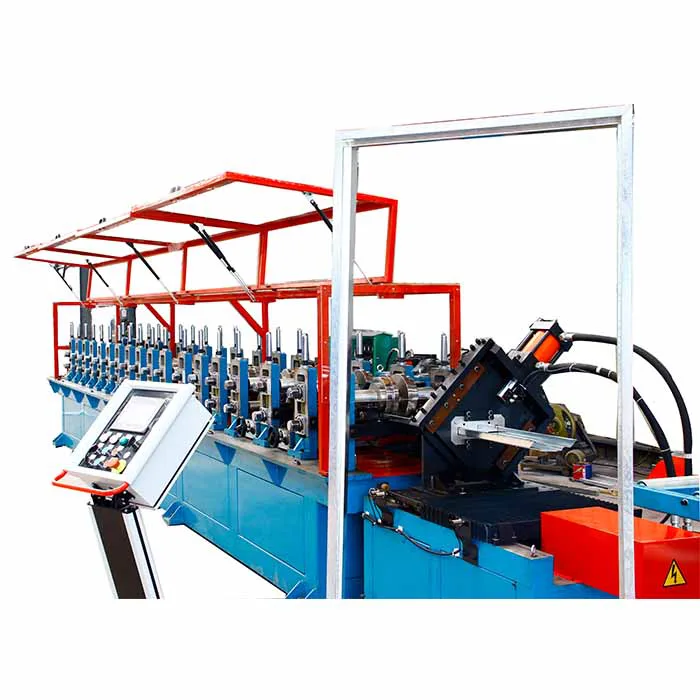
Sheet Metal Machinery: The Ultimate Guide to Industrial Fabrication Excellence
2026/03/04 -
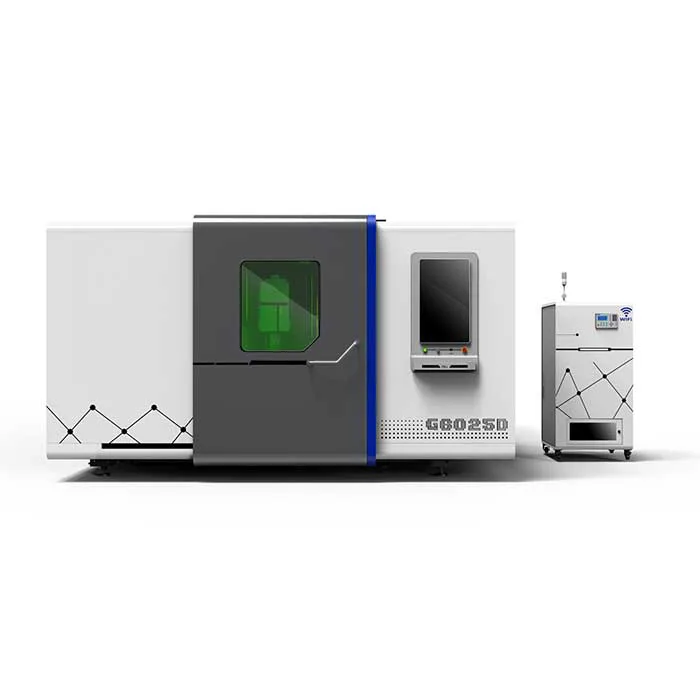
Iron Sheet Laser Cutting Machine: Unmatched Precision for Demanding Fabrication with METMAC
2026/01/06
-
Sheet Metal Press Brake: Ultimate Guide to Precision Bending Technology in 2024
2026/03/13 -
Metal Punching Machine: Ultimate Guide to Precision Manufacturing in 2024
2026/03/11 -
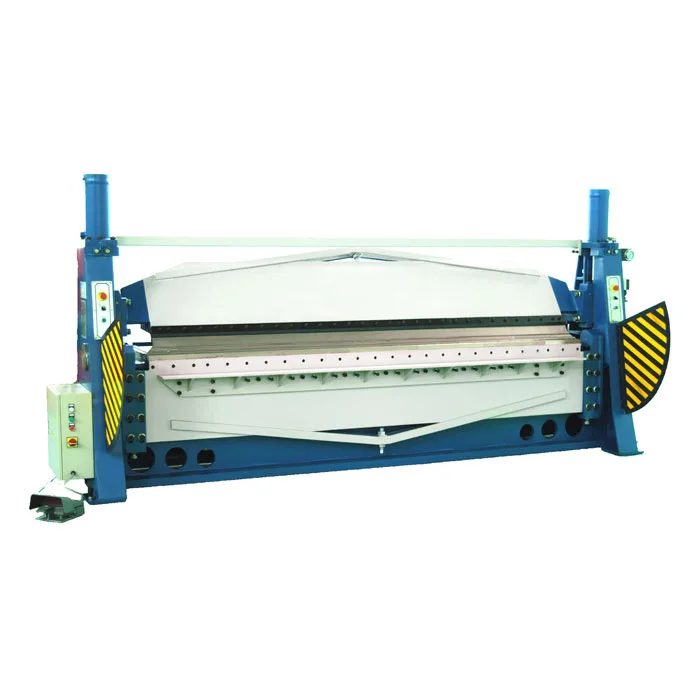
Metal Folding Machine: Comprehensive Guide to Precision Bending in 2024
2026/03/09 -
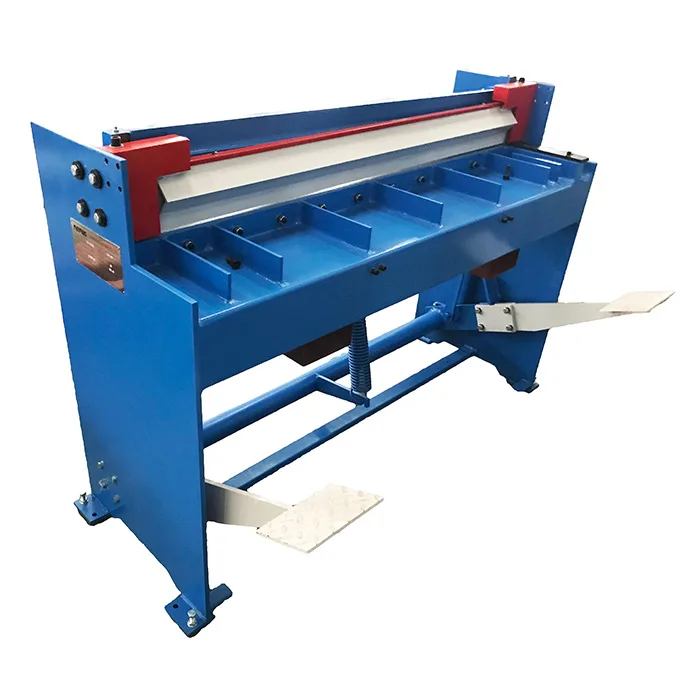
Sheet Metal Equipment: Ultimate Guide to Industrial Fabrication Solutions in 2026
2026/03/06
-
Latest Technological Advancements in Rectangular Duct Machines
2024/05/11 -
Integrating Automation with Rectangular Duct Machines for Enhanced Productivity
2024/05/11 -
Metal Shear Machines- Essential Tools for Precision Metal Cutting
2024/05/11 -
Understanding the Role and Function of Steel Strip Slitting Machines
2024/05/11
-
A Guide to the Latest Innovations in Sheet Metal Folding Machines
2024/11/29 -
Key Features to Consider When Investing in a Sheet Metal Folding Machine
2024/11/28 -
Enhancing Precision with Advanced Sheet Metal Folding Machines
2024/11/27 -
How to Choose the Right Sheet Metal Folding Machine for Your Workshop
2024/11/26
