


DIY with Precision- Using Press Brakes for Small-Scale Bending Projects
In the realm of DIY craftsmanship, precision is paramount. Bending metal is a crucial technique for creating custom brackets, frames, and other intricate components. Enter the press brake, an indispensable tool that empowers hobbyists and makers to achieve professional-grade bends with remarkable accuracy and control. Embark on this comprehensive guide to “DIY with Precision: Using Press Brakes for Small-Scale Bending Projects” and elevate your metalworking prowess to new heights.
Understanding Press Brakes
Press brakes are machines designed to shape metal sheets by applying pressure through a punch and die. The punch, mounted on a movable ram, descends onto the metal sheet, forcing it into the die, which is secured to the base of the machine. This process creates a precise bend along the desired angle. Press brakes vary in size and capacity, with manual models suitable for small-scale projects and hydraulic or electric models capable of handling larger loads.
Choosing the Right Press Brake
When selecting a press brake for DIY projects, consider the following factors:
Tonnage Capacity: This determines the thickness and width of the metal sheets you can bend.
Bend Length: This is the maximum length of material that can be bent in a single pass.
Angle of Bend: Ensure the press brake can achieve the desired bend angles for your projects.
Manual or Powered: Manual brakes require manual force, while powered brakes utilize hydraulic or electric motors for greater ease of use.
Essential Techniques and Tips
Mastering press brake operation is crucial for achieving precise results. Follow these tips:
Prepare the Metal: Ensure the metal sheet is clean, free of burrs, and within the capacity of the press brake.
Set the Bend Angle: Adjust the press brake’s angle of bend to the desired angle.
Position the Metal: Place the metal sheet under the punch and align it with the die.
Apply Pressure: Gradually apply pressure until the metal sheet bends to the desired shape.
Check and Adjust: Verify the bend angle and make necessary adjustments to ensure accuracy.
Safety Considerations
Press brakes can be hazardous, so prioritize safety:
Wear Proper Safety Gear: Wear gloves, safety glasses, and ear protection.
Secure the Metal: Ensure the metal sheet is securely clamped or held in place.
Maintain a Clear Work Area: Keep the work area free of obstacles and debris.
Avoid Overloading: Do not exceed the press brake’s capacity.
Inspect Regularly: Regularly inspect the press brake for any damage or wear and tear.
-
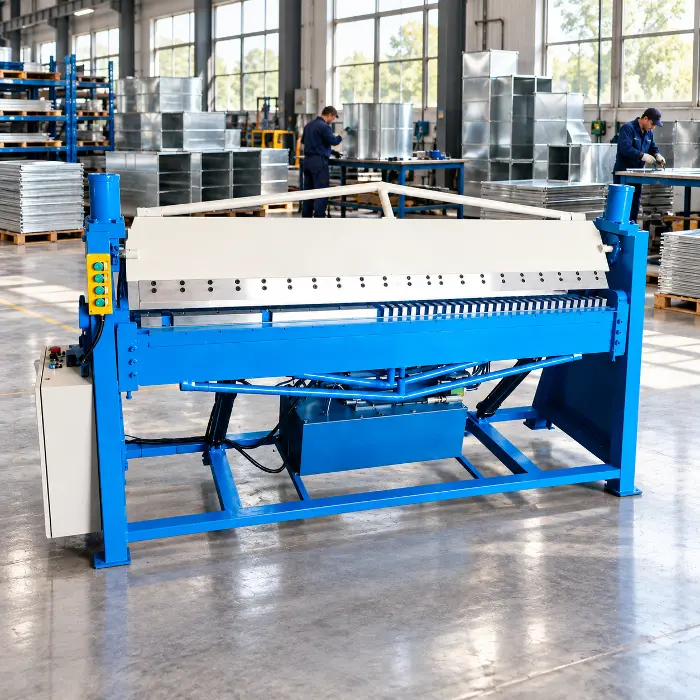
Choosing HVAC Duct Folding Machines for Flange-Safe Bending
2026/10/13 -
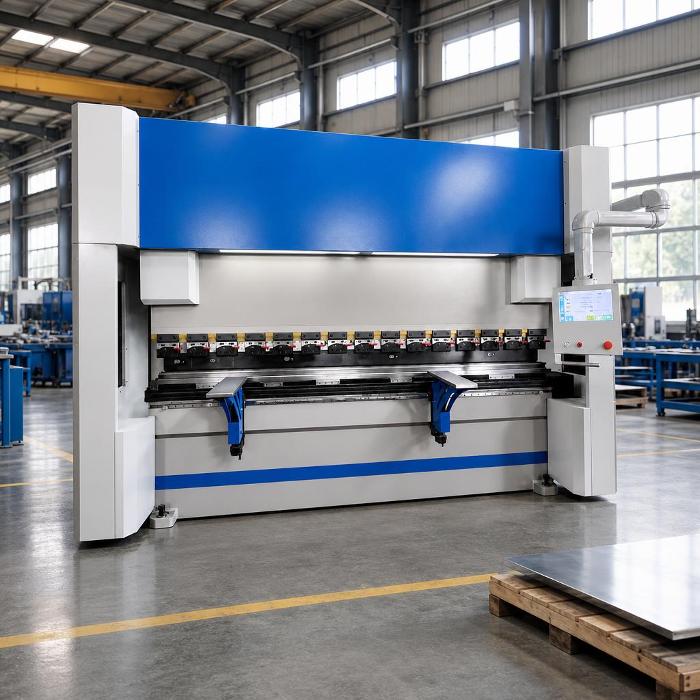
Precision Metal Forming Machines: What Separates Accurate Bends From Scrapped Sheet
2026/10/12 -
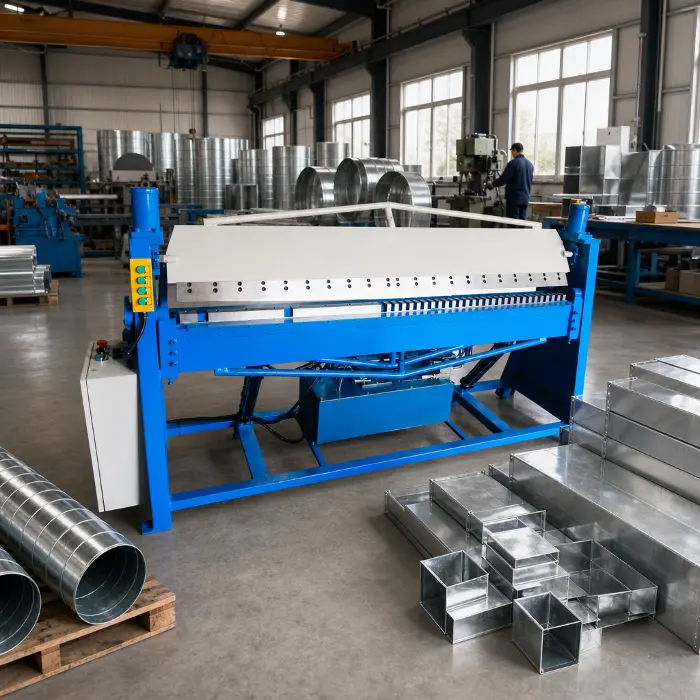
What to Look for in an HVAC Folding Machine Manufacturer
2026/10/11 -
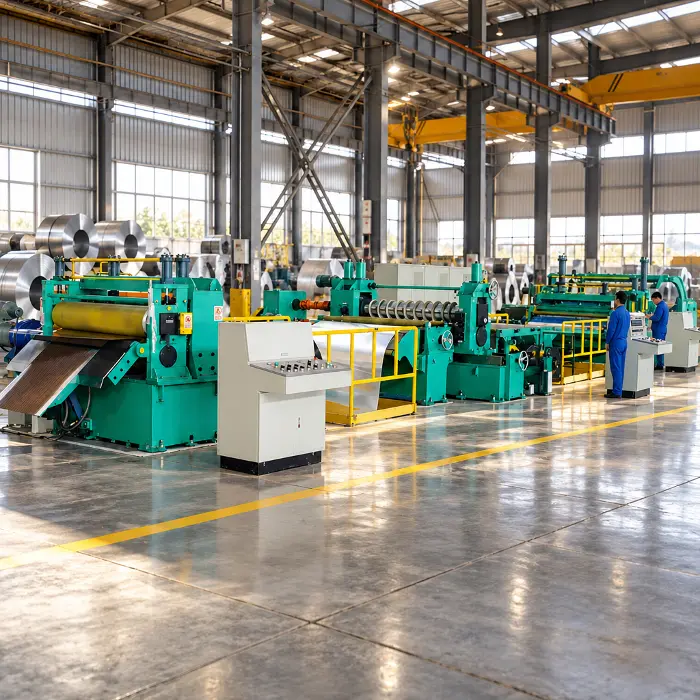
Steel Strip Cutting Machine: Engineering Precision in Modern Metal Processing
2026/10/10
-
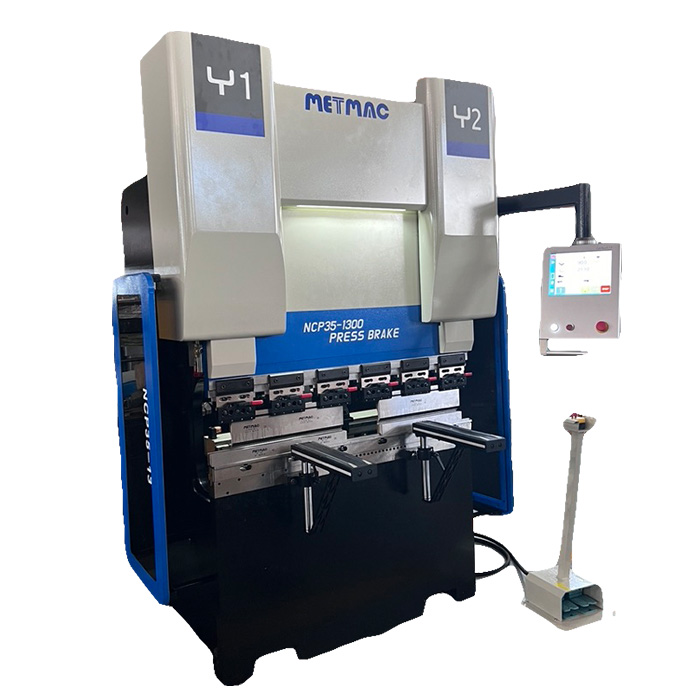
Sheet Metal Press Brake: Ultimate Guide to Precision Bending Technology in 2024
2026/03/13 -
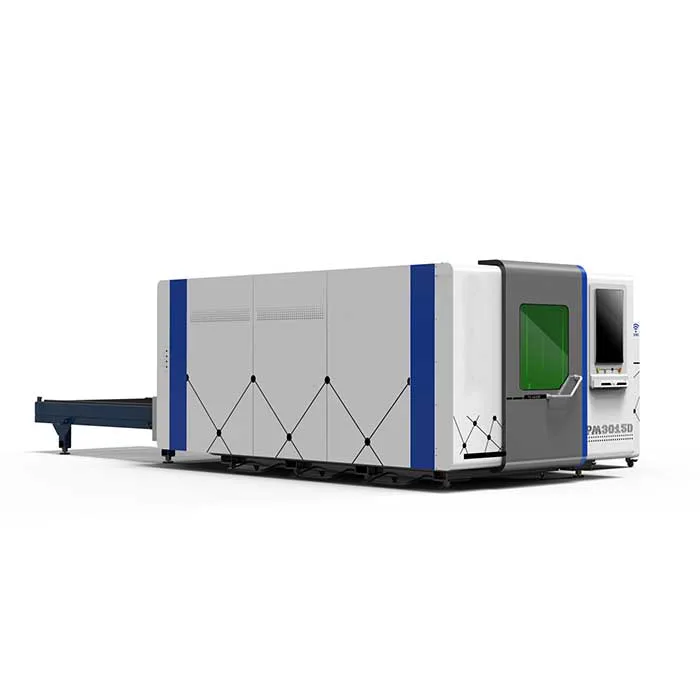
Metal Punching Machine: Ultimate Guide to Precision Manufacturing in 2024
2026/03/11 -
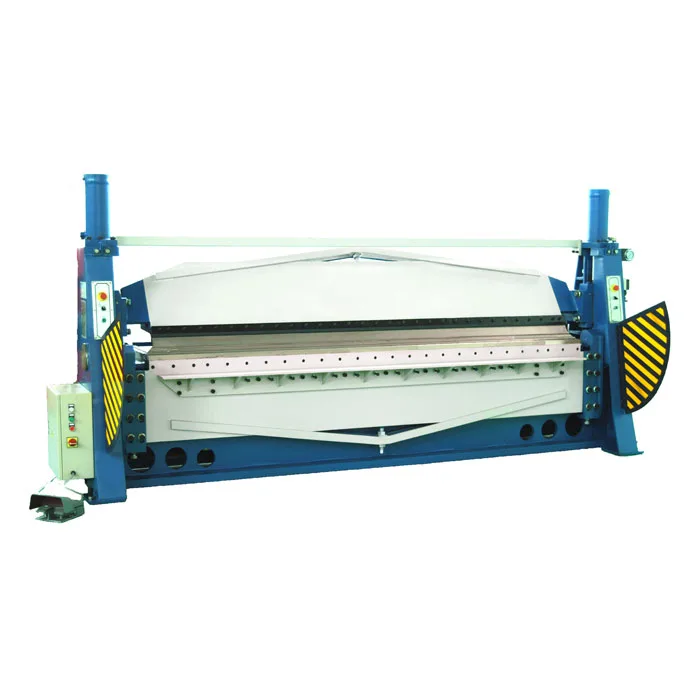
Metal Folding Machine: Comprehensive Guide to Precision Bending in 2024
2026/03/09 -
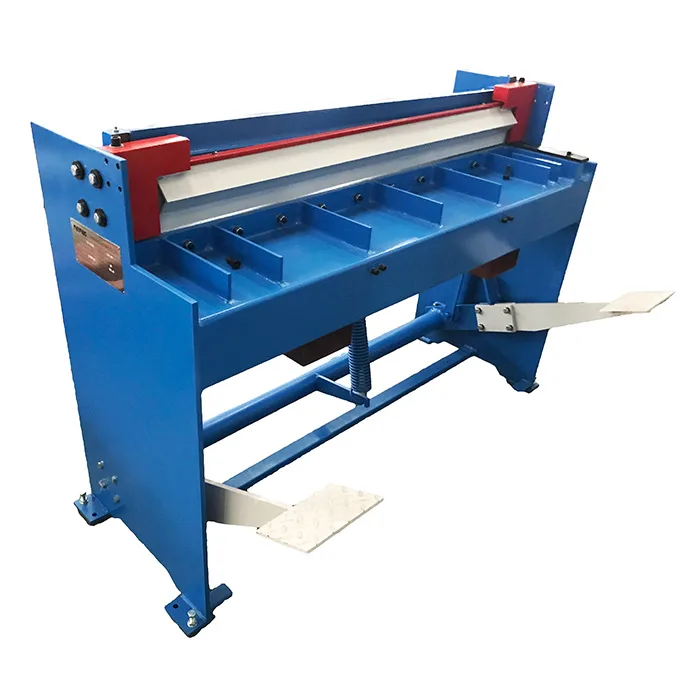
Sheet Metal Equipment: Ultimate Guide to Industrial Fabrication Solutions in 2026
2026/03/06
-
A Guide to the Latest Innovations in Sheet Metal Folding Machines
2024/11/29 -
Key Features to Consider When Investing in a Sheet Metal Folding Machine
2024/11/28 -
Enhancing Precision with Advanced Sheet Metal Folding Machines
2024/11/27 -
How to Choose the Right Sheet Metal Folding Machine for Your Workshop
2024/11/26
