


A Historical Look- The Evolution of Press Brake Bending Technology
Introduction
Press brake bending, a pivotal process in sheet metal fabrication, has undergone remarkable advancements throughout history. Trace the evolution of this technology in this comprehensive article, exploring its origins, technological milestones, and impact on modern manufacturing.
Origins and Early Developments (19th Century)
The roots of press brake bending can be traced back to rudimentary ironworkers in the late 19th century. These hand-operated machines employed a lever system to manually bend metal sheets. By the early 20th century, steam-powered press brakes emerged, providing greater bending force and efficiency.
Mechanical Press Brakes (20th Century)
The advent of mechanical press brakes in the mid-20th century marked a significant leap forward. These machines utilized gears, linkages, and clutches to generate high bending forces. Mechanical press brakes offered increased speed, precision, and repeatability, becoming the industry standard.
Hydraulic Press Brakes (Late 20th Century)
In the latter half of the 20th century, hydraulic press brakes gained prominence. Powered by hydraulic cylinders, these machines offered smooth, controlled bending and the ability to handle thick materials. Hydraulic press brakes enabled greater flexibility and customization in bending operations.
Computer Numerical Control (CNC) Press Brakes (1980s)
The integration of CNC technology into press brake bending revolutionized the industry. CNC press brakes employ computer-controlled systems to automate movements, optimize parameters, and achieve extremely precise bending results. This advancement significantly improved efficiency, accuracy, and the ability to handle complex shapes.
Hybrid Press Brakes (21st Century)
Combining the advantages of mechanical and hydraulic systems, hybrid press brakes emerged in the 21st century. They utilize a combination of gears and hydraulics to achieve high bending forces and precise control. Hybrid press brakes offer exceptional performance in a wide range of applications.
Recent Advancements and Future Trends
Ongoing advancements in press brake bending technology continue to drive innovation. Advanced control systems, sensor technologies, and automated loading/unloading systems have further enhanced efficiency and reduced the need for manual intervention. 3D bending and tube bending techniques are also expanding the capabilities of press brakes.
Conclusion
The evolution of press brake bending technology has been driven by the constant pursuit of improved efficiency, precision, and versatility. From the humble beginnings of manual ironworkers to the sophisticated CNC and hybrid press brakes of today, this technology has played a crucial role in shaping the metalworking industry. As advancements continue, press brake bending is poised to remain an essential tool in modern manufacturing processes.
-
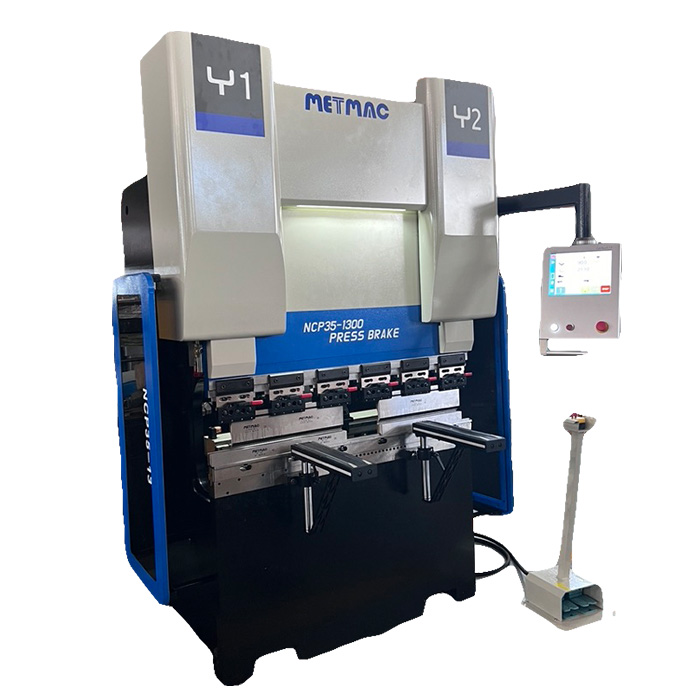
Press Metal Machine: The Definitive Guide to Precision Metal Forming
2026/03/12 -
Metal Punching Machine: The Ultimate Guide to Precision Hole Punching
2026/03/10 -
Sheet Metal Machinery: The Ultimate Guide to Industrial Fabrication Excellence
2026/03/04 -
Iron Sheet Laser Cutting Machine: Unmatched Precision for Demanding Fabrication with METMAC
2026/01/06
-
Sheet Metal Press Brake: Ultimate Guide to Precision Bending Technology in 2024
2026/03/13 -
Metal Punching Machine: Ultimate Guide to Precision Manufacturing in 2024
2026/03/11 -
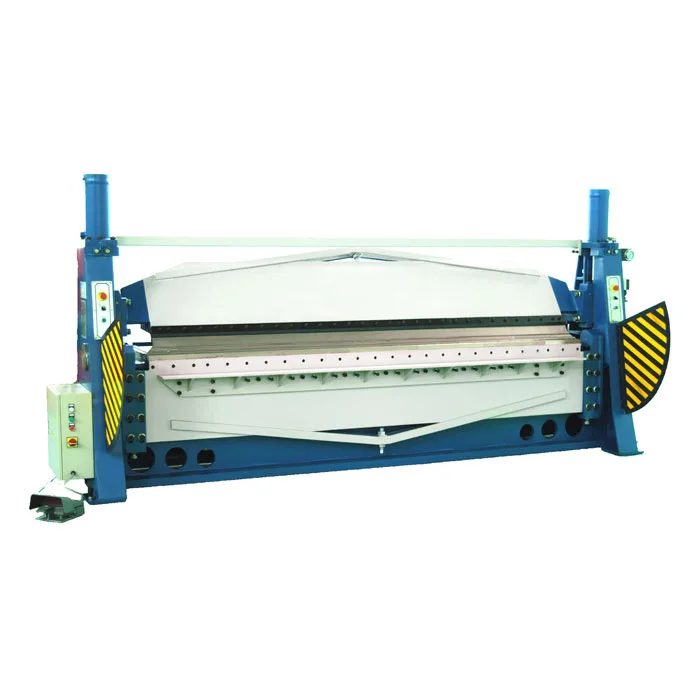
Metal Folding Machine: Comprehensive Guide to Precision Bending in 2024
2026/03/09 -
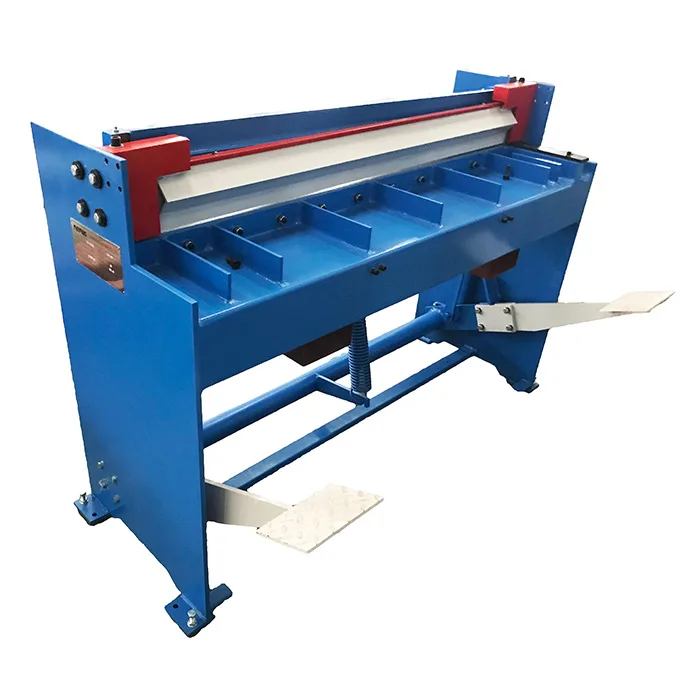
Sheet Metal Equipment: Ultimate Guide to Industrial Fabrication Solutions in 2026
2026/03/06
-
A Guide to the Latest Innovations in Sheet Metal Folding Machines
2024/11/29 -
Key Features to Consider When Investing in a Sheet Metal Folding Machine
2024/11/28 -
Enhancing Precision with Advanced Sheet Metal Folding Machines
2024/11/27 -
How to Choose the Right Sheet Metal Folding Machine for Your Workshop
2024/11/26
