

The Pros and Cons of Different Press Brake Bending Machine Designs
In the metalworking industry, press brake bending machines are essential for shaping metal sheets into various forms. Press brake machines come in various designs, each with its advantages and disadvantages. This article will delve into the pros and cons of different press brake bending machine designs to assist you in selecting the best solution for your needs.
Mechanical Press Brakes: Pros
1. Cost-effective: Mechanical press brakes are generally less expensive to purchase and maintain compared to other designs.
2. Simple to operate: Mechanical press brakes have simple controls, making them easy to operate, even for beginners.
3. Rugged construction: Mechanical press brakes are designed for heavy-duty applications and can withstand high bending forces.
Mechanical Press Brakes: Cons
1. Limited precision: Compared to other designs, mechanical press brakes offer less precision in bending due to backlash in the gears.
2. Slow speed: Mechanical press brakes operate at a relatively slower speed, which can limit productivity in high-volume operations.
3. Noise and vibration: Mechanical press brakes generate significant noise and vibration during operation, requiring proper soundproofing measures.
Hydraulic Press Brakes: Pros
1. High precision: Hydraulic press brakes provide excellent precision in bending operations, as the hydraulic system allows for precise control of the bending force.
2. Smooth bending: Hydraulic press brakes offer smooth and controlled bending, reducing the risk of material damage.
3. Variable bending speed: Hydraulic press brakes allow for adjustable bending speeds, accommodating different material thicknesses and shapes.
Hydraulic Press Brakes: Cons
1. Higher cost: Hydraulic press brakes are typically more expensive than mechanical press brakes.
2. Regular maintenance: Hydraulic systems require regular maintenance to ensure optimal performance and prevent leaks.
3. Hydraulic fluid sensitivity: Hydraulic press brakes are sensitive to the cleanliness and temperature of the hydraulic fluid, affecting performance and longevity.
Servo-Electric Press Brakes: Pros
1. High precision and repeatability: Servo-electric press brakes offer the highest precision and repeatability among press brake designs, making them suitable for critical applications.
2. Fast and efficient: Servo-electric press brakes operate at high speeds and offer rapid cycle times, increasing productivity.
3. Energy-efficient: Servo-electric press brakes consume less energy than other designs, reducing operating costs.
Servo-Electric Press Brakes: Cons
1. High investment cost: Servo-electric press brakes are the most expensive press brake design.
2. Complexity: Servo-electric press brakes require skilled technicians for installation and maintenance.
3. Limited bending force: Compared to mechanical and hydraulic press brakes, servo-electric press brakes have a lower maximum bending force.
-
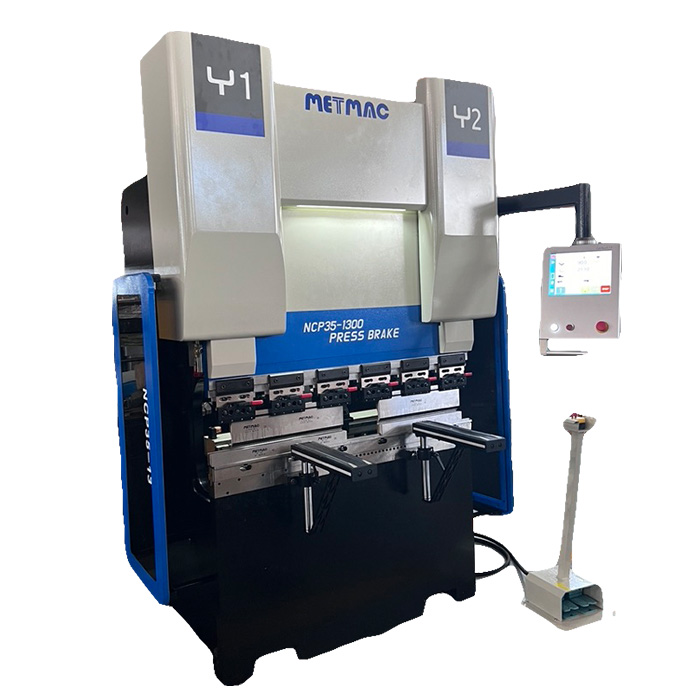
Press Metal Machine: The Definitive Guide to Precision Metal Forming
2026/03/12 -
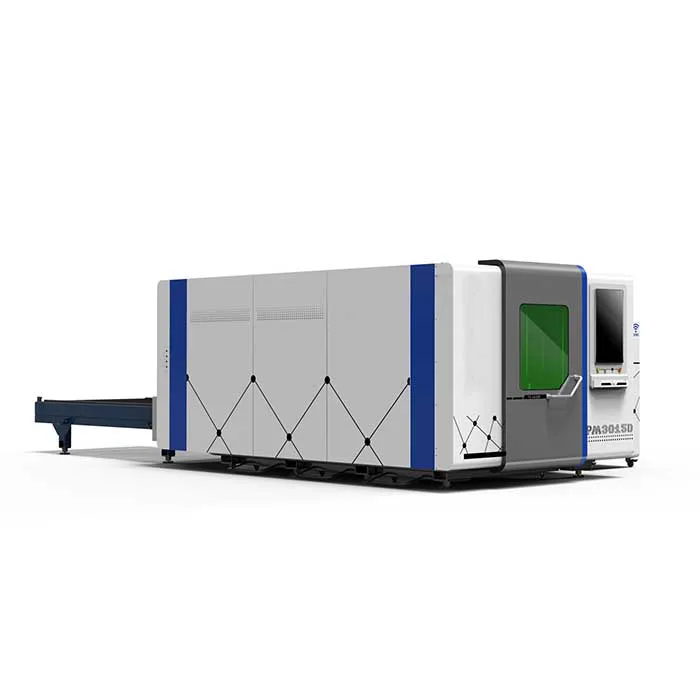
Metal Punching Machine: The Ultimate Guide to Precision Hole Punching
2026/03/10 -
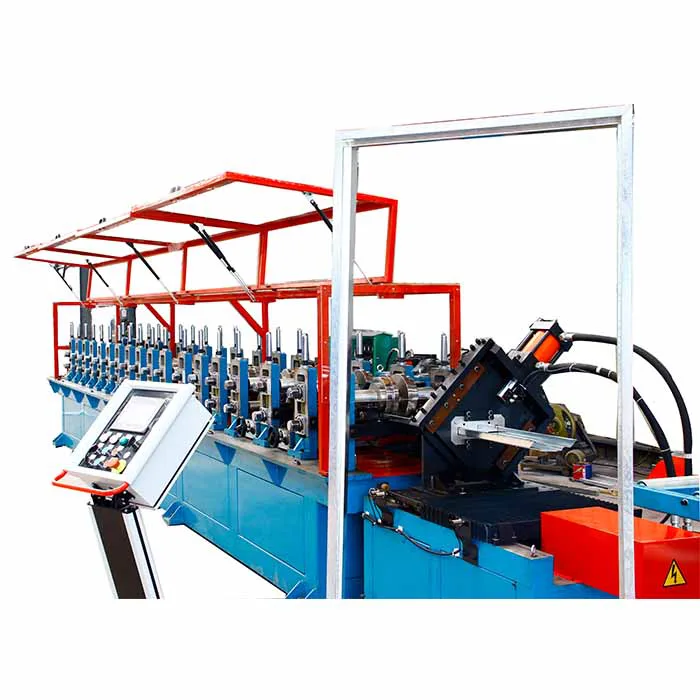
Sheet Metal Machinery: The Ultimate Guide to Industrial Fabrication Excellence
2026/03/04 -
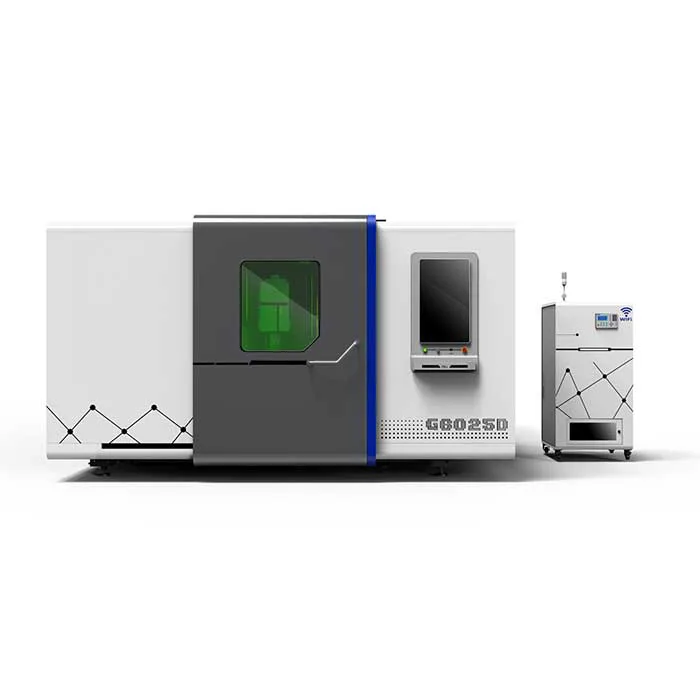
Iron Sheet Laser Cutting Machine: Unmatched Precision for Demanding Fabrication with METMAC
2026/01/06
-
Sheet Metal Press Brake: Ultimate Guide to Precision Bending Technology in 2024
2026/03/13 -
Metal Punching Machine: Ultimate Guide to Precision Manufacturing in 2024
2026/03/11 -
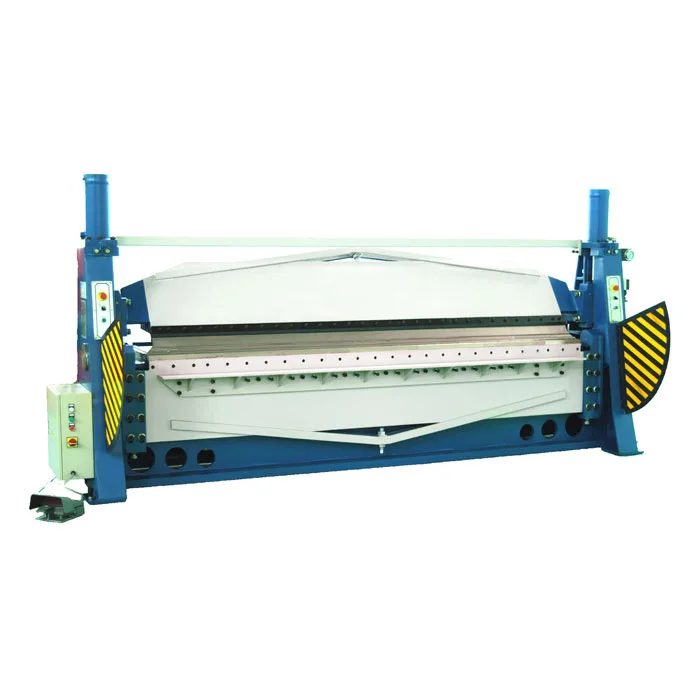
Metal Folding Machine: Comprehensive Guide to Precision Bending in 2024
2026/03/09 -
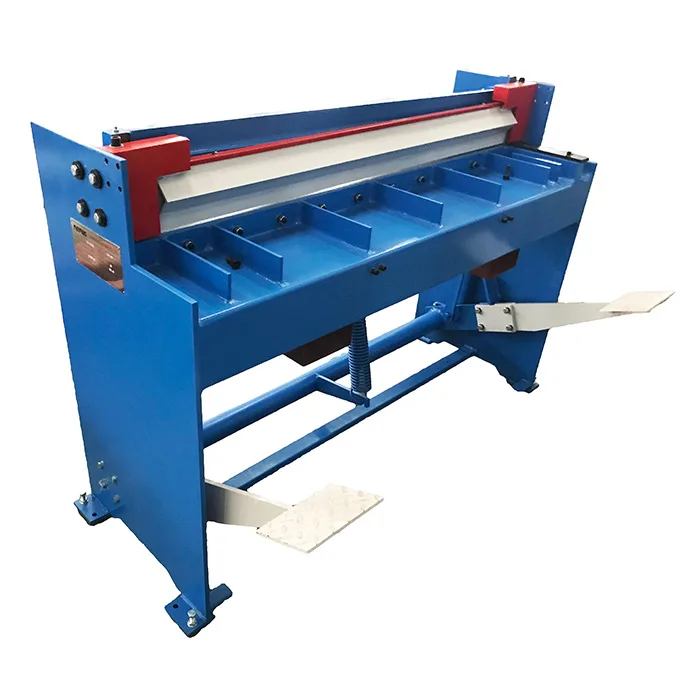
Sheet Metal Equipment: Ultimate Guide to Industrial Fabrication Solutions in 2026
2026/03/06
-
Understanding the Role and Function of Steel Strip Slitting Machines
2024/05/11 -
Maintenance Tips for Longevity of HVAC Duct Machines
2024/05/11 -
Innovations in Steel Strip Slitting Machine Design and Technology
2024/05/11 -
Improving Accuracy in Metal Fabrication with Laser Metal Shear Machines
2024/05/11
-
A Guide to the Latest Innovations in Sheet Metal Folding Machines
2024/11/29 -
Key Features to Consider When Investing in a Sheet Metal Folding Machine
2024/11/28 -
Enhancing Precision with Advanced Sheet Metal Folding Machines
2024/11/27 -
How to Choose the Right Sheet Metal Folding Machine for Your Workshop
2024/11/26
