


Understanding the Basics of Metal Punching Machines
Metal punching machines are invaluable tools in the manufacturing industry, enabling precise and efficient processing of metal sheets, plates, and tubes. These machines utilize a punch and die to shape and cut metal, creating a wide range of components for various applications. To fully utilize the capabilities of metal punching machines, it is essential to understand their fundamental principles and components.
Types of Metal Punching Machines
Metal punching machines come in various types, each designed for specific applications. Some common types include:
Turret Punching Machines: Offer versatility with multiple tool stations, allowing for rapid tool changes and complex part production.
Shear Punching Machines: Feature a shearing action, ideal for high-volume production of simple shapes.
CNC Punching Machines: Computer-controlled, providing high precision and repeatability for intricate designs.
Hydraulic Punching Machines: Utilize hydraulic power for high force applications, such as punching thick metals.
Essential Components of Metal Punching Machines
The core components of a metal punching machine include:
Punch: The cutting tool that forms the desired shape in the metal.
Die: The stationary counterpart of the punch, providing support and guiding the metal during punching.
Stripper Plate: Removes the punched material from the die, preventing it from sticking.
Worktable: Supports the metal sheet during punching operations.
Control System: Operates the machine, including positioning, feeding, and programming.
Punching Process
The punching process involves several distinct steps:
1. Material Loading: The metal sheet is loaded onto the worktable and aligned with the desired punching location.
2. Positioning: The punch and die are positioned over the metal sheet according to the programmed coordinates.
3. Punching: The punch applies force to the metal sheet, pushing it through the die and creating the desired shape.
4. Stripping: The stripper plate removes the punched material from the die.
5. Repositioning: The punch and die reposition for the next punching operation.
Material Considerations
The type of metal being punched greatly influences the choice of punch and die materials. Common materials used for punching include:
Carbon Steel: Suitable for punching soft materials like aluminum and copper.
Alloy Steel: Offers higher strength and durability for punching tougher materials.
Carbide: Provides superior wear resistance and edge sharpness for punching hard and abrasive materials.
Safety Considerations
Metal punching machines pose potential safety hazards, including:
Flying Debris: Wear appropriate safety gear to protect from sharp metal fragments.
Mechanical Hazards: Keep hands clear of moving parts to avoid injuries.
Electrical Hazards: Follow proper electrical safety precautions to prevent shocks or fires.
Noise Exposure: Wear hearing protection to minimize noise-related hearing loss.
Conclusion
Understanding the basics of metal punching machines is essential for effective use and safety in the manufacturing process. By familiarizing yourself with the different types, components, punching process, material considerations, and safety measures, you can optimize the performance of your punching machine and achieve high-quality results while maintaining a safe work environment.
-
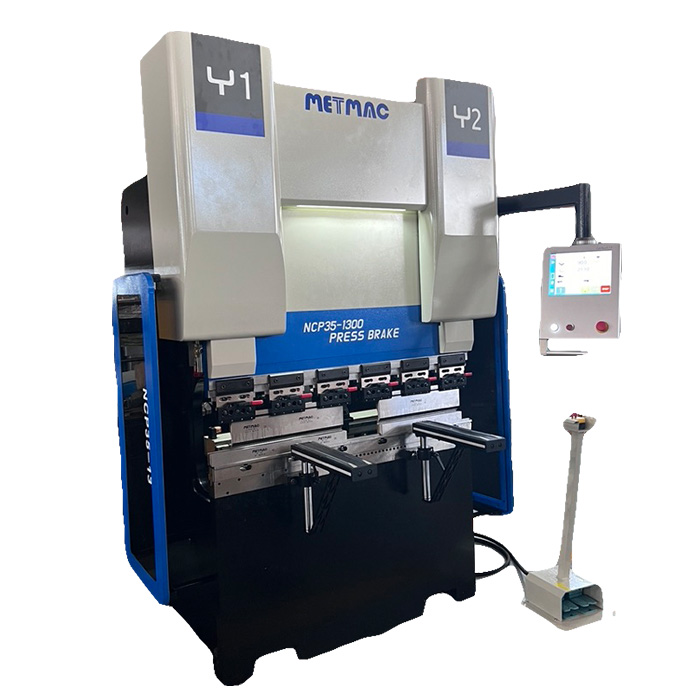
Press Metal Machine: The Definitive Guide to Precision Metal Forming
2026/03/12 -
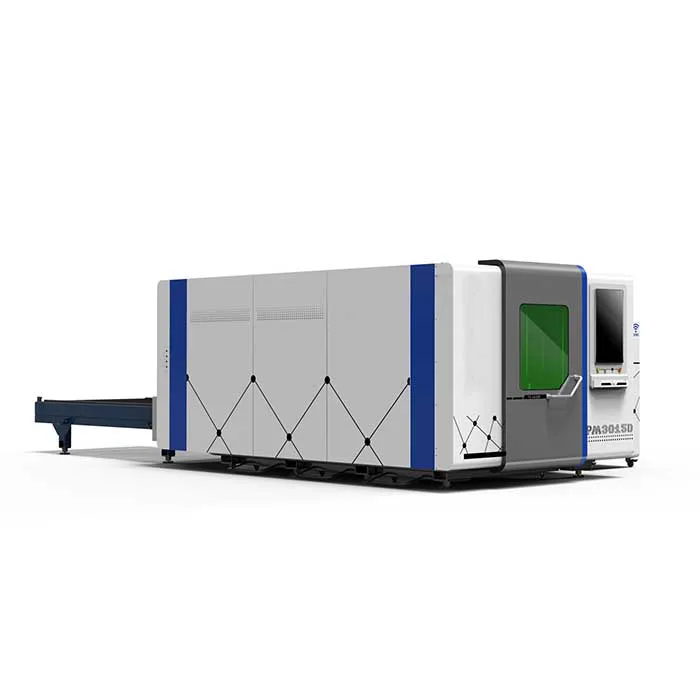
Metal Punching Machine: The Ultimate Guide to Precision Hole Punching
2026/03/10 -
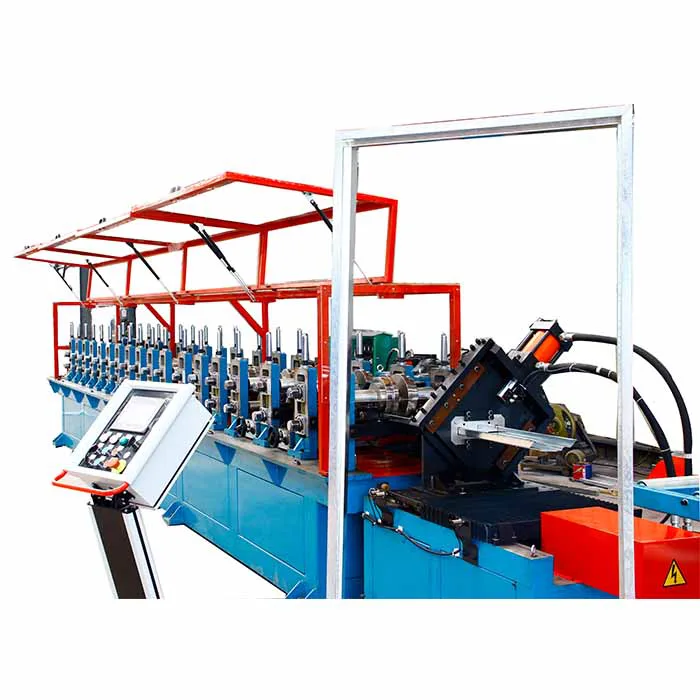
Sheet Metal Machinery: The Ultimate Guide to Industrial Fabrication Excellence
2026/03/04 -
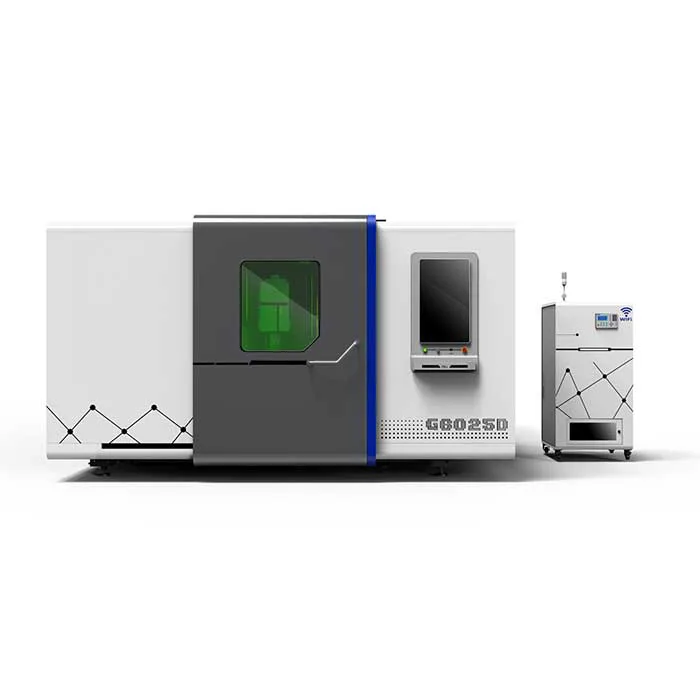
Iron Sheet Laser Cutting Machine: Unmatched Precision for Demanding Fabrication with METMAC
2026/01/06
-
Sheet Metal Press Brake: Ultimate Guide to Precision Bending Technology in 2024
2026/03/13 -
Metal Punching Machine: Ultimate Guide to Precision Manufacturing in 2024
2026/03/11 -
Metal Folding Machine: Comprehensive Guide to Precision Bending in 2024
2026/03/09 -
Sheet Metal Equipment: Ultimate Guide to Industrial Fabrication Solutions in 2026
2026/03/06
-
A Guide to the Latest Innovations in Sheet Metal Folding Machines
2024/11/29 -
Key Features to Consider When Investing in a Sheet Metal Folding Machine
2024/11/28 -
Enhancing Precision with Advanced Sheet Metal Folding Machines
2024/11/27 -
How to Choose the Right Sheet Metal Folding Machine for Your Workshop
2024/11/26
