


Metal Punching Machine: The Ultimate Guide to Precision Hole Punching
Metal Punching Machine: Core Principles and Industrial Significance
What is a Metal Punching Machine and How Does It Work?
A metal punching machine is a specialized piece of equipment designed to create holes, slots, or notches in metal sheets using a punch and die system. The core mechanism involves a punch (a hardened steel tool) that applies force to the metal sheet, which is placed over a die with a matching shape. This force causes the metal to shear and form the desired hole. Key components include: 1) Frame: Provides structural support for the machine. 2) Ram: Moves up and down to apply force. 3) Punch and Die: The tooling that shapes the metal. 4) Bed: Supports the die and metal sheet. 5) Control System: Regulates the force, speed, and stroke length. Metal punching machines are used for a wide range of operations, including hole punching, slotting, notching, and forming. For example, a metal punching machine can create precise holes in electrical enclosures, automotive components, and construction materials with high accuracy.
Why Metal Punching Machines Are Indispensable in Modern Manufacturing
Metal punching machines are critical for industries like automotive, aerospace, electronics, and construction, where precision and efficiency are paramount. Without specialized machinery, creating holes in metal sheets would be time-consuming, costly, and prone to errors. For instance, an electrical enclosure manufacturer relies on metal punching machines to create precise holes for cables and connectors, ensuring proper fit and functionality. Metal punching machines also improve production efficiency by automating repetitive tasks, reducing labor costs, and increasing output. Additionally, advanced machinery like CNC (Computer Numerical Control) metal punching machines allows for precise, repeatable production, which is essential for mass manufacturing. The ability to work with a wide range of materials (steel, aluminum, copper) and thicknesses (0.1–10 mm) makes metal punching machines versatile and adaptable to diverse industry needs.
Key Types and Design Features of Metal Punching Machines
Essential Types of Metal Punching Machines
The metal punching machine market includes several key types, each designed for specific tasks: 1. Mechanical Punching Machines: Use a flywheel and clutch system to apply force. Ideal for high-volume production of simple holes. 2. Hydraulic Punching Machines: Use hydraulic fluid to apply force, offering precise control and high force capacity. Ideal for thick metal sheets and complex shapes. 3. CNC Punching Machines: Computer-controlled machines that offer automated operation and high precision. Ideal for complex parts and small-batch production. 4. Turret Punching Machines: Use a turret with multiple punch tools to create different hole sizes and shapes without changing tooling. 5. Portable Punching Machines: Lightweight, handheld machines for on-site punching of metal sheets. 6. Sheet Metal Punching Machines: Designed for punching holes in large metal sheets. 7. Angle Punching Machines: Specialized machines for punching holes in angle iron and other structural steel.
Advanced Design Features for Enhanced Performance
Modern metal punching machines incorporate innovative features to meet evolving industry needs: 1. CNC Control: Allows for precise programming of hole positions, sizes, and shapes, reducing human error and improving consistency. 2. Automation Integration: Robotic arms and material handling systems to load and unload parts, reducing labor costs and improving safety. 3. Sensor Technology: Real-time monitoring of force, temperature, and tool wear to optimize performance and prevent breakdowns. 4. Energy Efficiency: Servo motors and regenerative braking systems to reduce energy consumption by up to 50%. 5. Tooling Compatibility: Quick-change tooling systems to reduce setup time and increase productivity. 6. Safety Features: Light curtains, emergency stop buttons, and overload protection to ensure operator safety. 7. Data Logging: Recording of production data for quality control and process optimization.
How to Choose the Right Metal Punching Machine for Your Business
Key Factors to Consider When Selecting a Metal Punching Machine
Selecting the right machine requires a thorough analysis of your production needs: 1. Production Volume: High-volume production requires mechanical or hydraulic punching machines, while small-batch production may use CNC or turret punching machines. 2. Material Type and Thickness: Different machines are designed for specific materials (e.g., steel vs. aluminum) and thicknesses (e.g., thin sheets vs. heavy plates). 3. Precision Requirements: Industries like aerospace or medical require high-precision machines (±0.01 mm), while construction may accept lower tolerances. 4. Hole Size and Shape: Choose a machine that can create the required hole sizes and shapes (e.g., round, square, rectangular). 5. Budget: Consider the initial cost, maintenance expenses, and operational costs (e.g., energy, tooling) when selecting a machine. 6. Space Constraints: Ensure the machine fits in your facility and has adequate space for operation and maintenance. 7. After-Sales Support: Choose manufacturers that provide training, spare parts, and technical support to minimize downtime.
Top Metal Punching Machine Manufacturers and Their Product Lines
When choosing a manufacturer, consider their expertise in your industry: 1. Metmac: A leading Chinese manufacturer specializing in metal punching machines, including CNC punching machines, hydraulic punching machines, and turret punching machines. Their products are known for precision, durability, and cost-effectiveness. 2. Amada: Japanese manufacturer of metal punching machines, including mechanical punching machines, hydraulic punching machines, and CNC punching machines. Known for advanced technology and high-quality components. 3. Trumpf: German company offering a wide range of metal punching machines, including servo punching machines and CNC punching machines. Known for innovation and automation. 4. Bystronic: Swiss manufacturer of metal punching machines, including hydraulic punching machines and CNC punching machines. Ideal for high-precision applications in aerospace and medical industries. 5. Haco: Belgian company specializing in metal punching machines, including mechanical punching machines and hydraulic punching machines. Known for reliability and customer support. When evaluating manufacturers, request product demonstrations and reference customer case studies to verify performance.
Best Practices for Operating and Maintaining Metal Punching Machines
Step-by-Step Guide to Operating a Metal Punching Machine
Proper operation is critical for achieving optimal results: 1. Pre-Operation Checks: Inspect the machine for damage, ensure all safety guards are in place, and verify that the power supply is correct. 2. Material Preparation: Ensure the metal sheet is clean, flat, and free of contaminants. Measure and mark the sheet according to the design specifications. 3. Tooling Setup: Install the punch and die according to the manufacturer’s instructions. Ensure the tooling is properly aligned and secured. 4. Setting Parameters: Adjust the machine settings (e.g., force, speed, stroke length) based on the material type and thickness. 5. Test Run: Perform a test run on a scrap piece of metal to verify the settings and ensure the desired result. 6. Production Run: Load the metal sheet into the machine and start the operation. Monitor the process to ensure quality and safety. 7. Post-Operation Cleaning: Clean the machine after each use to remove metal shavings, dust, and debris. Lubricate moving parts as recommended. 8. Safety Precautions: Always wear protective gear (gloves, goggles, ear protection) and follow the manufacturer’s safety guidelines. Never operate machinery without proper training.
Maintenance Tips to Extend the Lifespan of Your Metal Punching Machine
Regular maintenance is essential to prevent breakdowns: 1. Daily Maintenance: Clean the machine, check for leaks, and inspect the tooling for wear. 2. Weekly Maintenance: Lubricate moving parts (e.g., bearings, gears) as recommended by the manufacturer. Check the hydraulic or pneumatic systems for pressure and leaks. 3. Monthly Maintenance: Inspect the electrical components (wiring, switches) for damage. Test the safety interlocks to ensure they are functioning correctly. 4. Quarterly Maintenance: Replace worn parts (e.g., punch, die, seals) to maintain precision and efficiency. Calibrate the machine for accurate settings. 5. Annual Maintenance: Schedule a professional service to inspect the entire machine, including the motor, drive system, and control panel. Keep detailed maintenance records to track performance and identify potential issues early.
Case Studies: Successful Applications of Metal Punching Machines
Case Study 1: Electrical Enclosure Manufacturer – High-Volume Production of Precision Holes
A leading electrical enclosure manufacturer was struggling with high production costs and long lead times for enclosures with precise holes. They invested in a Metmac CNC metal punching machine, which reduced production time by 40% and material waste by 25%. The machine’s precision allowed for tighter tolerances (±0.05 mm), improving the fit and functionality of enclosures. The manufacturer was able to increase production volume by 30% while reducing labor costs by 20%. The investment paid for itself within 18 months.
Case Study 2: Automotive Industry – Precision Punching of Chassis Components
An automotive company needed to produce high-precision chassis components with multiple holes. They chose a Metmac hydraulic metal punching machine, which allowed for precise punching of holes in thick steel sheets (up to 10 mm). The machine’s automation features reduced production time by 35% and improved consistency. The company was able to meet strict automotive standards and deliver components on schedule, resulting in a 15% increase in customer satisfaction.
Future Trends in Metal Punching Machine Technology
Emerging Technologies Shaping the Future of Metal Punching
The metal punching machine industry is evolving with these innovations: 1. Industry 4.0 Integration: IoT (Internet of Things) technology allows real-time monitoring of machine performance, predictive maintenance, and remote operation. 2. AI-Powered Systems: Artificial intelligence algorithms optimize punching parameters, reduce material waste, and improve production efficiency. 3. 3D Printing: Additive manufacturing is being integrated with metal punching machines to produce complex components with minimal material waste. 4. Green Technology: Energy-efficient machines with reduced carbon emissions are becoming more common, aligning with sustainability goals. 5. Automation and Robotics: Robotic arms are being used to load and unload materials, reducing labor costs and improving safety. 6. Advanced Materials: Machines are being designed to work with new materials like high-strength steel, aluminum alloys, and composite materials.
How to Stay Ahead of the Curve with Metal Punching Machine Innovations
To remain competitive, businesses should: 1. Invest in R&D: Collaborate with manufacturers to test new technologies and customize machines for specific applications. 2. Train Employees: Ensure operators are trained on the latest metal punching machine technologies and best practices. 3. Monitor Industry Trends: Stay updated on new developments through trade shows, industry publications, and manufacturer newsletters. 4. Upgrade Existing Equipment: Consider retrofitting older machines with smart technology to improve efficiency and performance. 5. Partner with Experts: Work with consultants or manufacturers to optimize punching processes and troubleshoot issues. 6. Focus on Sustainability: Choose energy-efficient machines and adopt green manufacturing practices to reduce costs and meet environmental regulations.
Conclusion: Maximizing the Value of Your Metal Punching Machine
A metal punching machine is a critical investment for businesses in industries ranging from automotive and aerospace to electronics and construction. By understanding the core principles, choosing the right machine, and following best practices for operation and maintenance, you can achieve consistent product quality, improve production efficiency, and gain a competitive edge. As technology continues to evolve, staying informed about emerging trends and innovations will help you maximize the value of your metal punching machine and drive business growth. Whether you’re a small-scale fabricator or a large industrial operation, the right metal punching machine can transform your production processes and deliver tangible results.
-
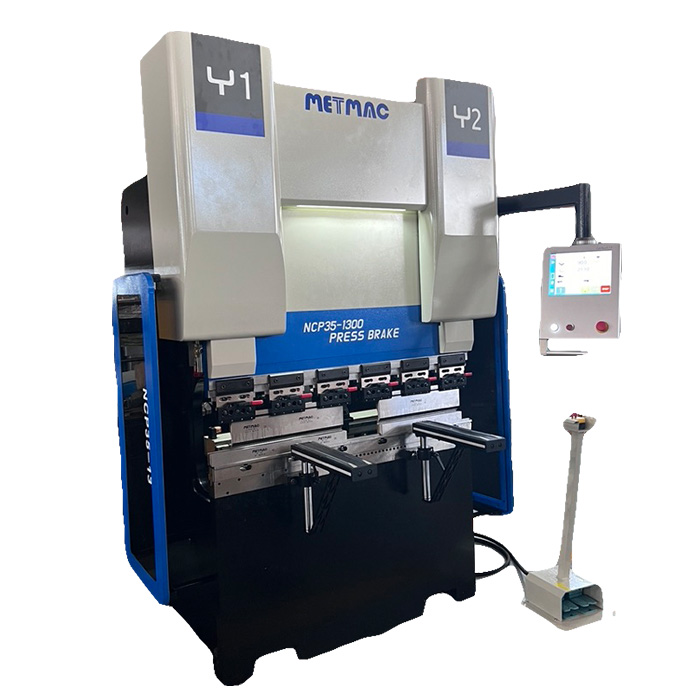
Press Metal Machine: The Definitive Guide to Precision Metal Forming
2026/03/12 -
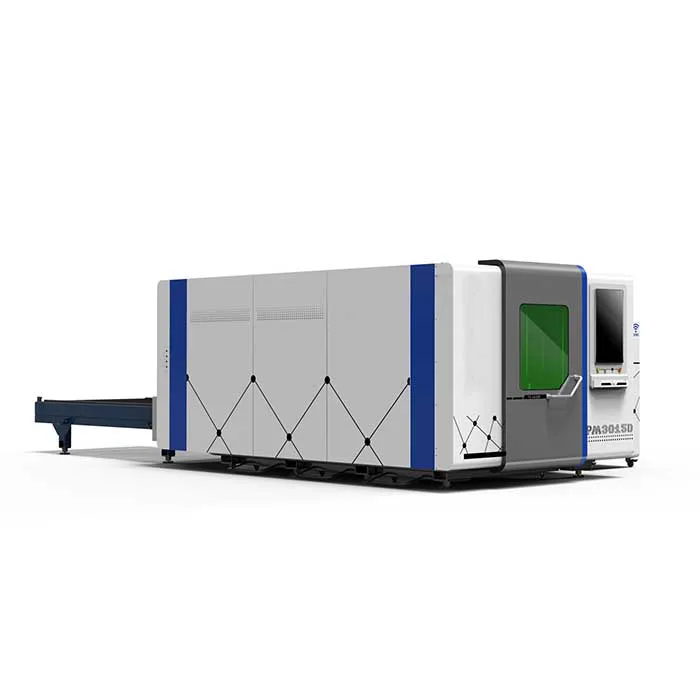
Metal Punching Machine: The Ultimate Guide to Precision Hole Punching
2026/03/10 -
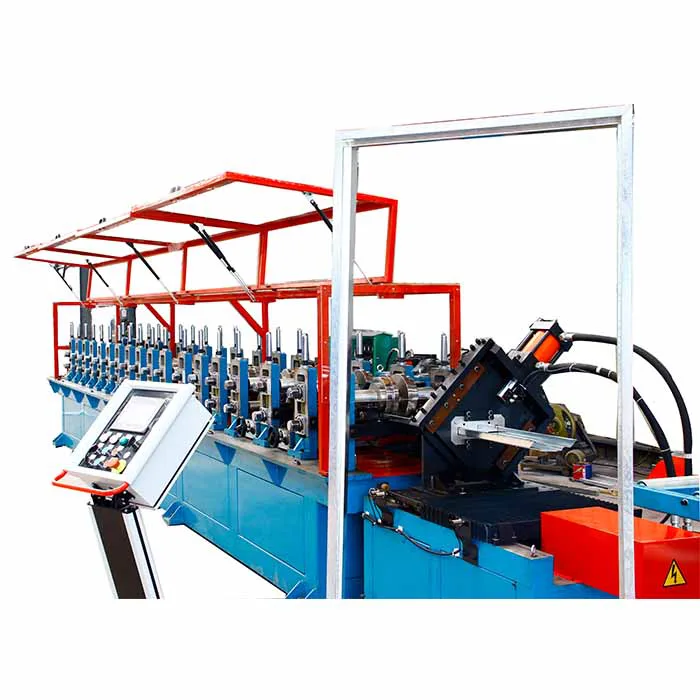
Sheet Metal Machinery: The Ultimate Guide to Industrial Fabrication Excellence
2026/03/04 -
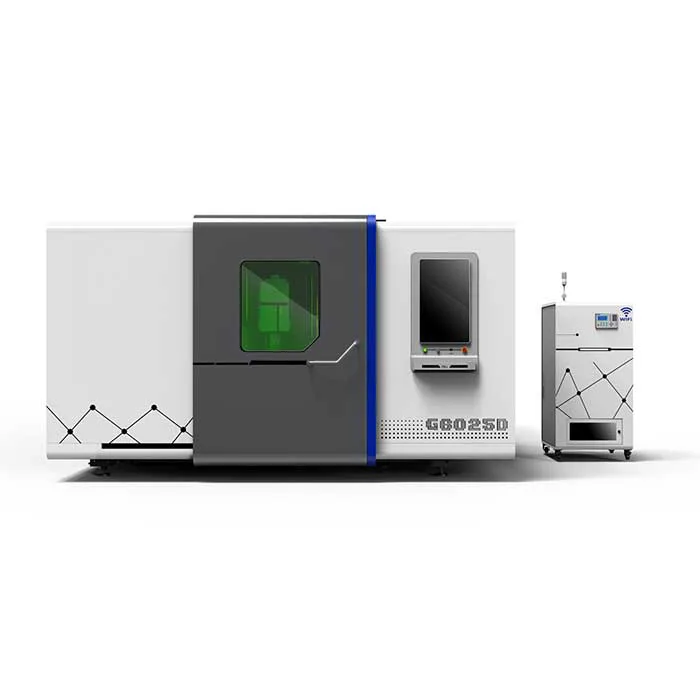
Iron Sheet Laser Cutting Machine: Unmatched Precision for Demanding Fabrication with METMAC
2026/01/06
-
Sheet Metal Press Brake: Ultimate Guide to Precision Bending Technology in 2024
2026/03/13 -
Metal Punching Machine: Ultimate Guide to Precision Manufacturing in 2024
2026/03/11 -
Metal Folding Machine: Comprehensive Guide to Precision Bending in 2024
2026/03/09 -
Sheet Metal Equipment: Ultimate Guide to Industrial Fabrication Solutions in 2026
2026/03/06
-
A Guide to the Latest Innovations in Sheet Metal Folding Machines
2024/11/29 -
Key Features to Consider When Investing in a Sheet Metal Folding Machine
2024/11/28 -
Enhancing Precision with Advanced Sheet Metal Folding Machines
2024/11/27 -
How to Choose the Right Sheet Metal Folding Machine for Your Workshop
2024/11/26
