


Troubleshooting Common Issues with Laser Cutting Iron Sheets
Laser cutting is a versatile and precise fabrication process that involves directing a high-powered laser beam at a material to melt, vaporize, or cut through it. While laser cutting iron sheets is a common application, it can sometimes encounter issues that affect the quality or efficiency of the process.
Excessive Heat and Burrs
Causes:
Incorrect laser parameters (e.g., power, speed, beam size)
Improper shielding gas coverage
Dull or dirty cutting head
Solutions:
Optimize laser parameters based on the thickness and composition of the iron sheet
Ensure adequate shielding gas coverage to prevent oxidation and excessive heat build-up
Regularly clean or replace the cutting head to maintain optimal performance
Rough or Inconsistent Cut Edges
Causes:
Laser beam instability or misalignment
Inferior iron sheet quality
Excessive laser power
Solutions:
Perform routine maintenance on the laser system to ensure stability and alignment
Use high-quality iron sheets with minimal surface defects
Adjust laser power to an appropriate level to avoid over-melting
Slag Formation
Causes:
Insufficient gas pressure or flow rate
Incorrect cutting parameters
Incomplete shielding gas coverage
Solutions:
Increase gas pressure or flow rate to enhance shielding effectiveness
Optimize cutting parameters to reduce slag formation
Ensure uniform shielding gas coverage throughout the cutting process
Dross Buildup
Causes:
Excessive laser power
Inadequate cooling
Poor shielding gas composition
Solutions:
Reduce laser power to minimize dross formation
Implement a cooling strategy to dissipate heat and prevent dross accumulation
Use a shielding gas blend that effectively inhibits oxidation and dross buildup
Warping or Distortion
Causes:
High heat input into the material
Lack of support or clamping
Residual stresses in the iron sheet
Solutions:
Utilize a lower laser power or reduce cutting speed to minimize heat input
Provide sufficient support or clamping to prevent warping
Anneal or normalize the iron sheet before cutting to relieve residual stresses
Conclusion
Troubleshooting common issues with laser cutting iron sheets requires a comprehensive understanding of the process parameters, laser system maintenance, and material properties. By addressing these issues proactively, manufacturers can ensure optimal cutting quality, efficiency, and minimize downtime. Regular maintenance, operator training, and ongoing process optimization are crucial for achieving consistent and high-quality results.
-
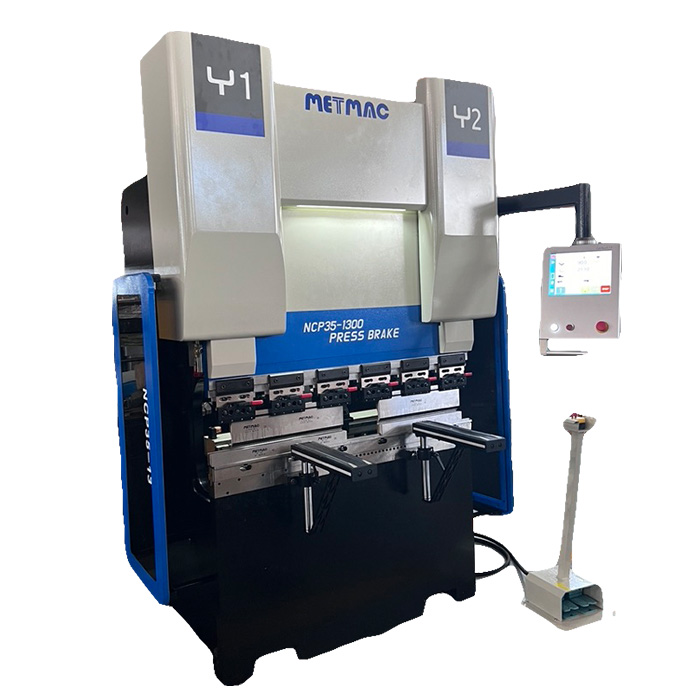
Press Metal Machine: The Definitive Guide to Precision Metal Forming
2026/03/12 -
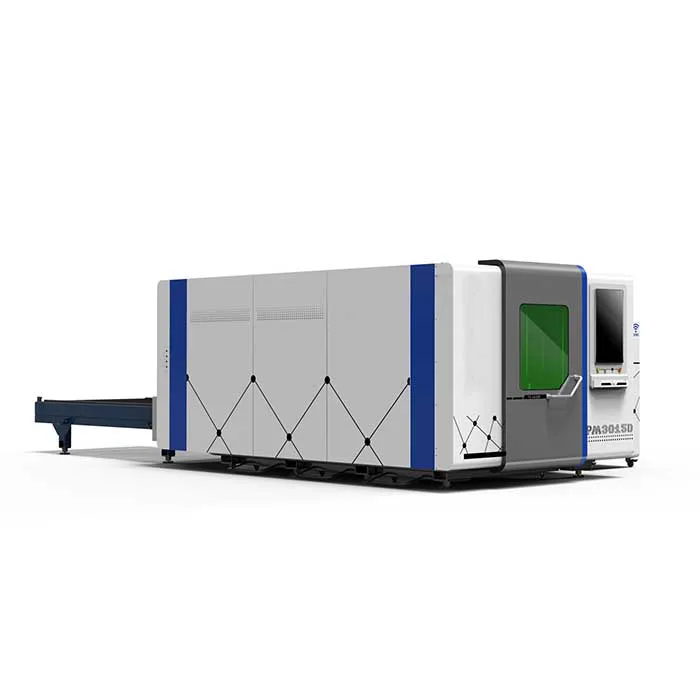
Metal Punching Machine: The Ultimate Guide to Precision Hole Punching
2026/03/10 -
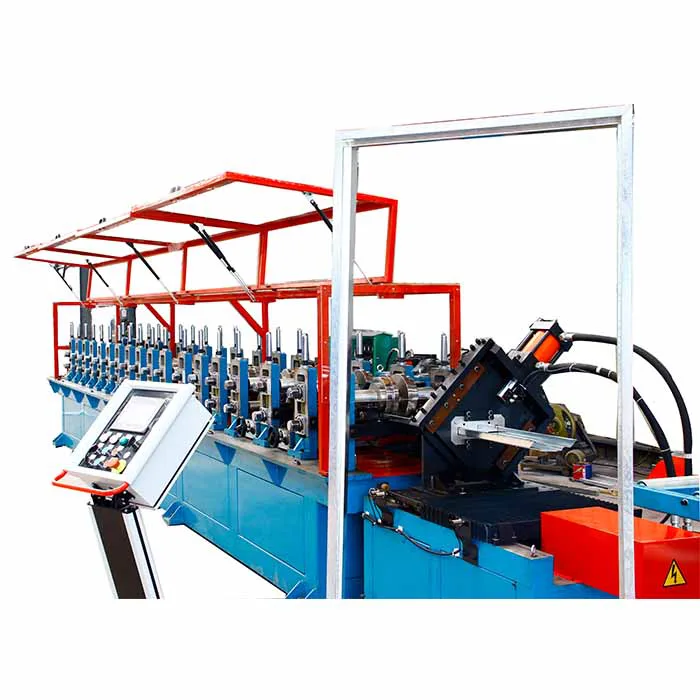
Sheet Metal Machinery: The Ultimate Guide to Industrial Fabrication Excellence
2026/03/04 -
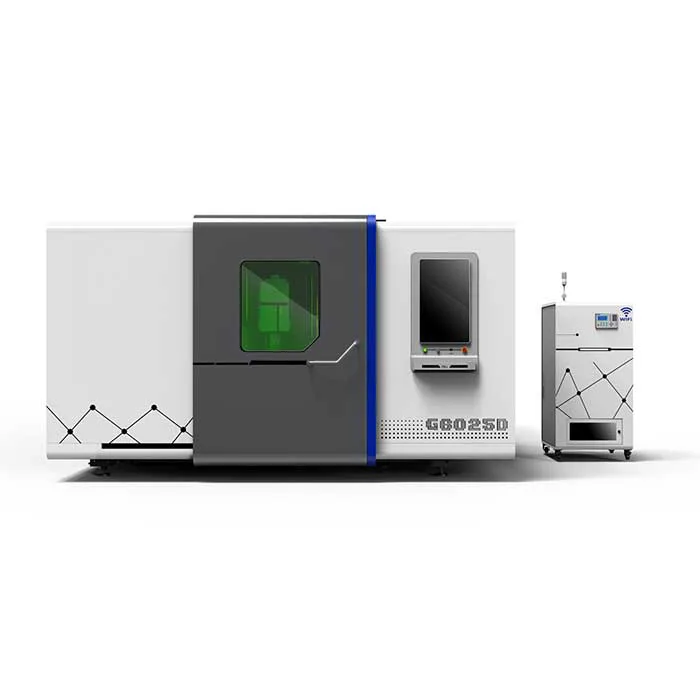
Iron Sheet Laser Cutting Machine: Unmatched Precision for Demanding Fabrication with METMAC
2026/01/06
-
Sheet Metal Press Brake: Ultimate Guide to Precision Bending Technology in 2024
2026/03/13 -
Metal Punching Machine: Ultimate Guide to Precision Manufacturing in 2024
2026/03/11 -
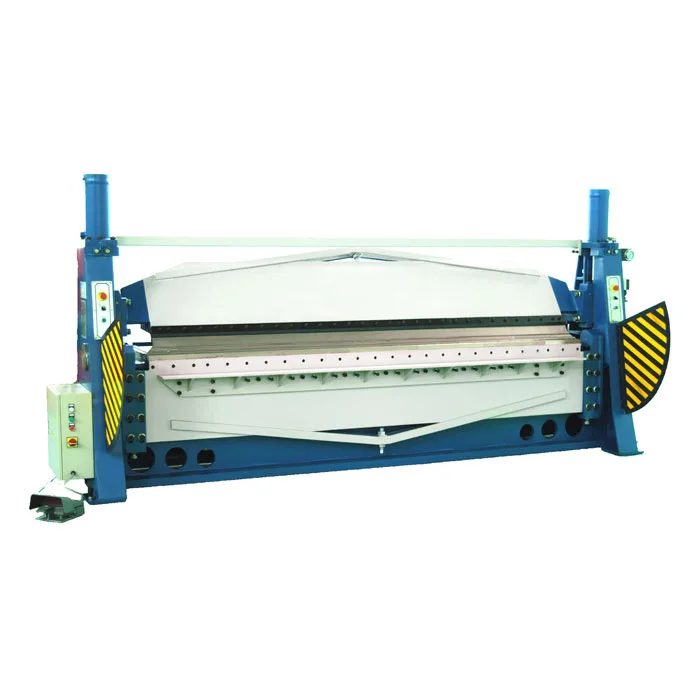
Metal Folding Machine: Comprehensive Guide to Precision Bending in 2024
2026/03/09 -
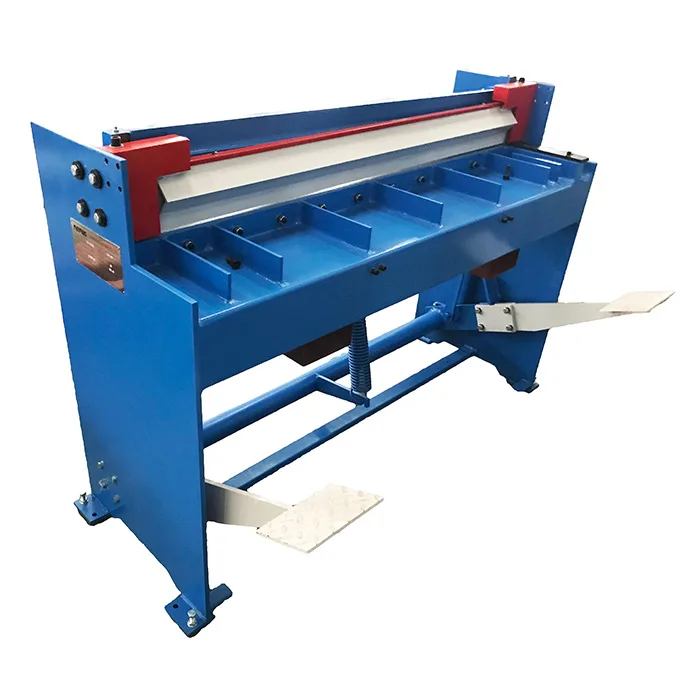
Sheet Metal Equipment: Ultimate Guide to Industrial Fabrication Solutions in 2026
2026/03/06
-
A Guide to the Latest Innovations in Sheet Metal Folding Machines
2024/11/29 -
Key Features to Consider When Investing in a Sheet Metal Folding Machine
2024/11/28 -
Enhancing Precision with Advanced Sheet Metal Folding Machines
2024/11/27 -
How to Choose the Right Sheet Metal Folding Machine for Your Workshop
2024/11/26
