


Troubleshooting Common Issues with Duct Coil Line Machines
In the labyrinthine heart of an HVAC system, duct coil line machines silently circulate conditioned air, ensuring the comfort of occupants. Yet, like any mechanical marvel, these machines are susceptible to occasional glitches. This guide delves into the depths of common issues plaguing duct coil line machines, empowering you with the knowledge to diagnose and conquer these elusive foes.
1. Inadequate Cooling or Heating
Frozen Coil: Subzero temperatures can cause moisture to condense and freeze on the coil, blocking airflow. Investigate any obstructions or airflow limitations.
Low Refrigerant: Insufficient refrigerant levels can starve the machine of its lifeblood. Check for leaks or restrictions in the refrigerant lines.
Dirty Coil: A buildup of dirt and debris obstructs heat transfer. Engage in regular maintenance to clean the coil and ensure optimal performance.
2. Excessive Condensation
Improper Drainage: If the condensation drain line is clogged or blocked, water will accumulate inside the unit, leading to excessive moisture. Check for clogs and ensure proper drainage.
Undersized Coil: A coil that is too small for the space it serves cannot handle the moisture load, resulting in condensation buildup. Consider upgrading to a larger coil if space allows.
High Humidity: Humid environments can overwhelm the coil’s ability to dehumidify the air. Employ supplemental dehumidifiers or consider adjusting the thermostat to reduce humidity.
3. No Fan Operation
Power Failure: The first step is to verify that the machine is receiving power. Check the circuit breaker or fuse and ensure there are no power outages.
Faulty Motor: A faulty motor will prevent the fan from spinning. Listen for any unusual noises or vibrations and consult a qualified technician for repair or replacement.
Broken Belts: Worn or broken belts can fail to drive the fan. Inspect the belts for damage and replace as necessary.
4. Loud Noises
Bearing Failure: Worn or damaged bearings can generate excessive noise. Lubricate or replace bearings as required to restore smooth operation.
Unbalanced Fan: An unbalanced fan can rattle or hum. Check for any loose blades or debris that may be causing the imbalance.
Loose Components: Screws or bolts that have become loose over time can produce rattling sounds. Tighten all components as needed.
By understanding these common issues and their potential solutions, you can maintain the smooth operation of your duct coil line machines, ensuring the comfort of your environment and prolonging the life of your HVAC system.
-
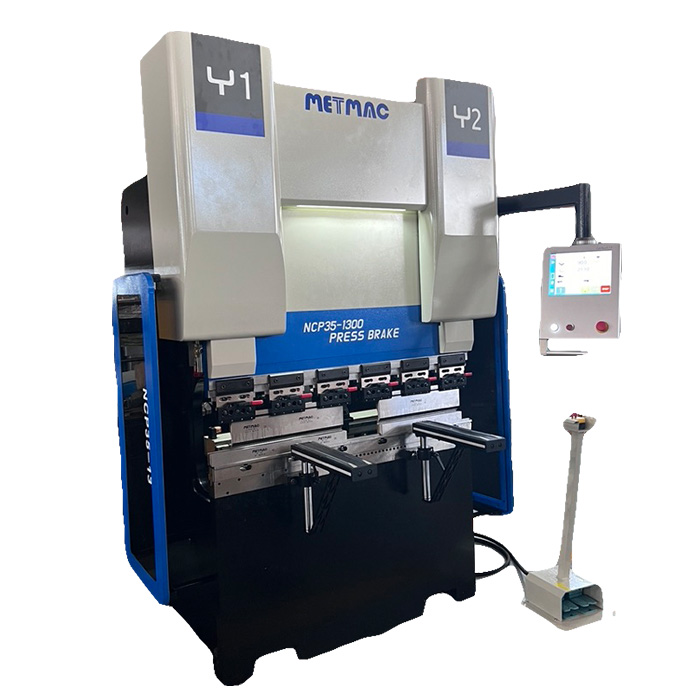
Press Metal Machine: The Definitive Guide to Precision Metal Forming
2026/03/12 -
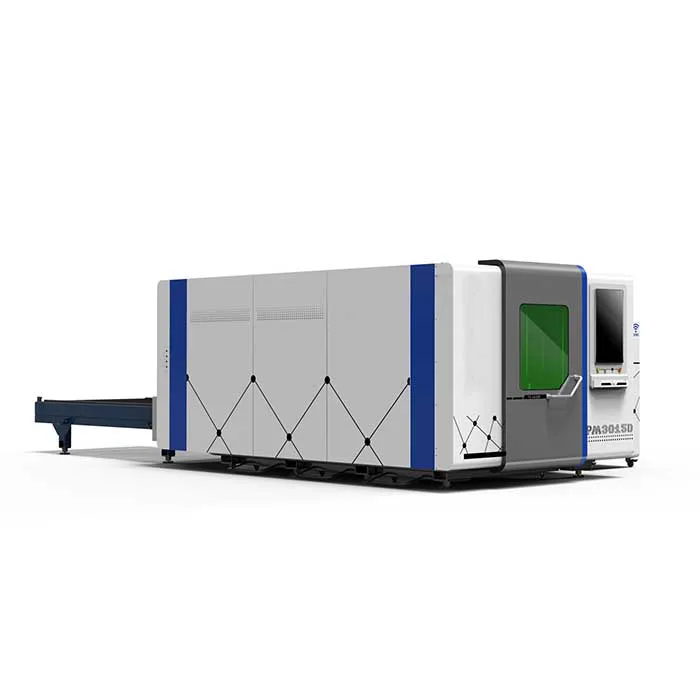
Metal Punching Machine: The Ultimate Guide to Precision Hole Punching
2026/03/10 -
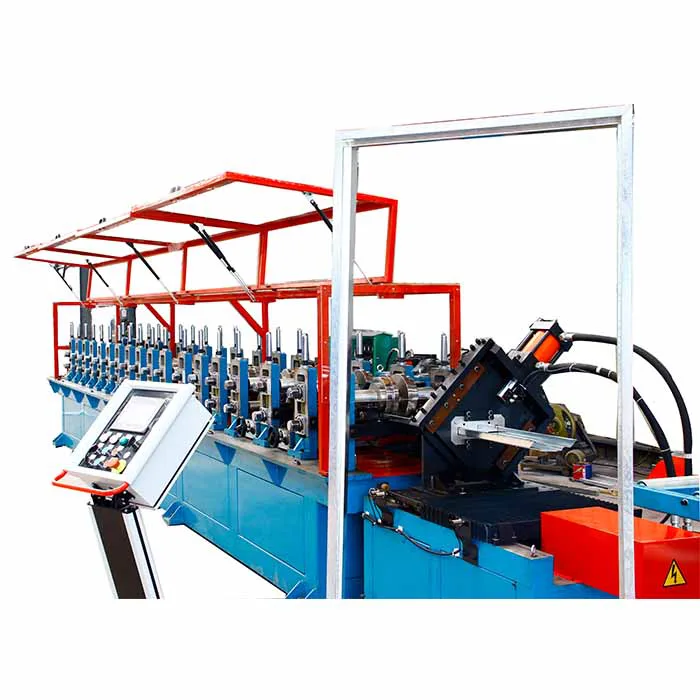
Sheet Metal Machinery: The Ultimate Guide to Industrial Fabrication Excellence
2026/03/04 -
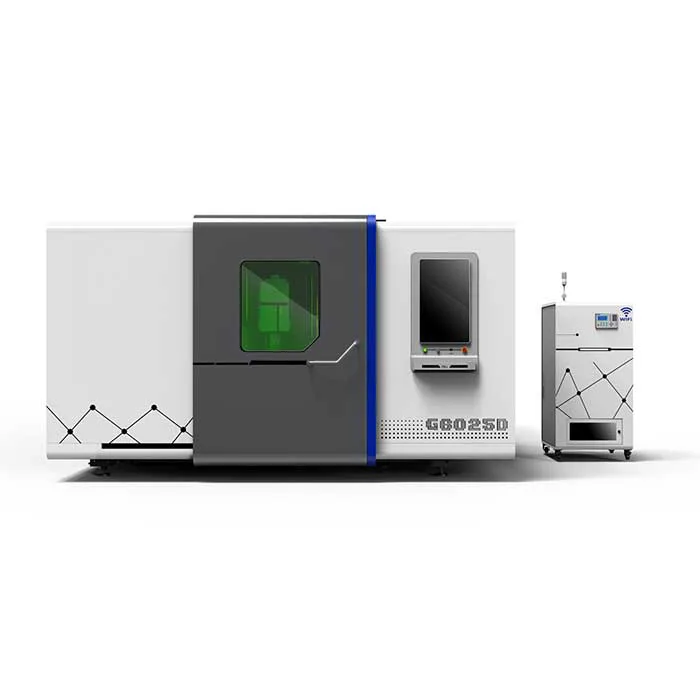
Iron Sheet Laser Cutting Machine: Unmatched Precision for Demanding Fabrication with METMAC
2026/01/06
-
Sheet Metal Press Brake: Ultimate Guide to Precision Bending Technology in 2024
2026/03/13 -
Metal Punching Machine: Ultimate Guide to Precision Manufacturing in 2024
2026/03/11 -
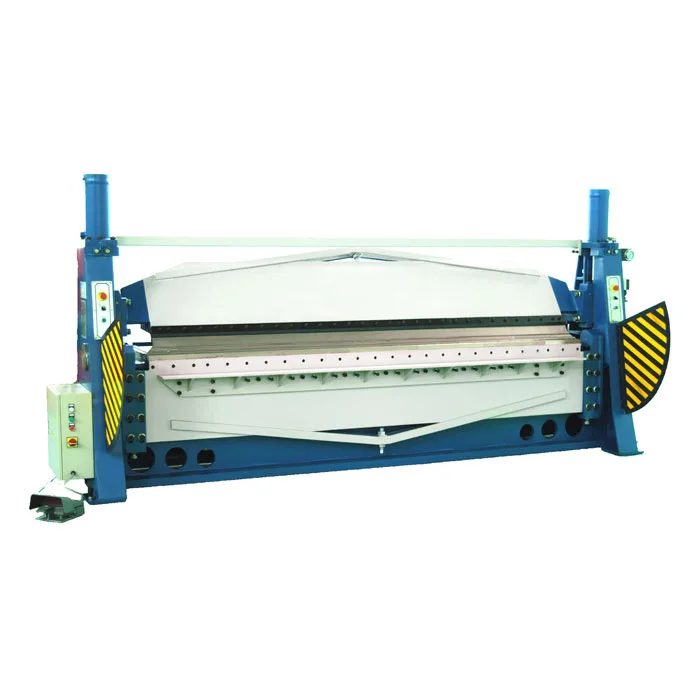
Metal Folding Machine: Comprehensive Guide to Precision Bending in 2024
2026/03/09 -
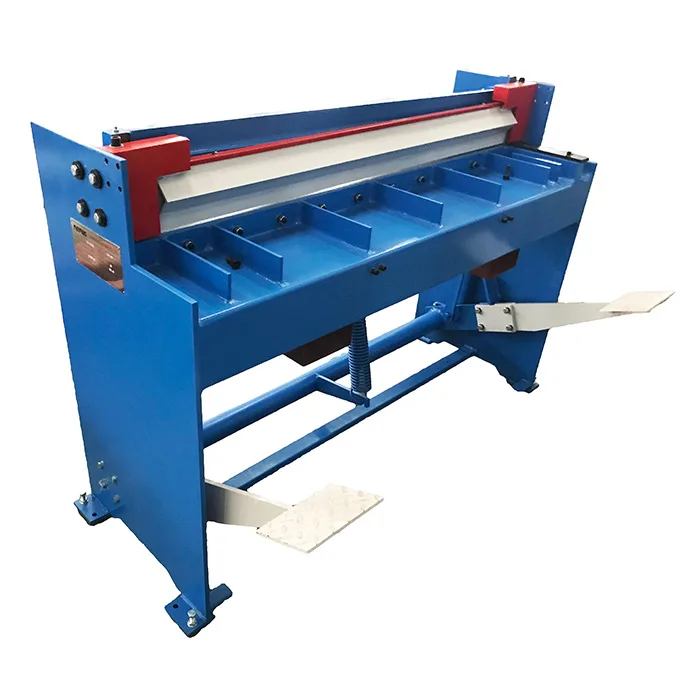
Sheet Metal Equipment: Ultimate Guide to Industrial Fabrication Solutions in 2026
2026/03/06
-
A Guide to the Latest Innovations in Sheet Metal Folding Machines
2024/11/29 -
Key Features to Consider When Investing in a Sheet Metal Folding Machine
2024/11/28 -
Enhancing Precision with Advanced Sheet Metal Folding Machines
2024/11/27 -
How to Choose the Right Sheet Metal Folding Machine for Your Workshop
2024/11/26
