


The Economics of Metal Plate Bending Machines
Introduction
Metal plate bending machines are indispensable tools in a wide range of industries, from automotive and aerospace to construction and shipbuilding. These machines shape metal plates into intricate forms, enabling the production of complex components. However, the cost of purchasing and operating such machinery can be significant, making it imperative to understand the underlying economics to make informed decisions.
Capital Investment
Machine Acquisition Costs
The initial investment for a metal plate bending machine is typically the largest expense. Factors influencing the cost include the machine’s size, capacity, features, and manufacturer. Smaller machines start at around $10,000, while large, specialized machines can exceed $1 million.
Installation and Training Costs
Proper installation and training are essential for safe and efficient machine operation. These costs can add an estimated 10-20% to the initial purchase price.
Operating Costs
Energy Consumption
Metal plate bending machines are energy-intensive machines, with larger machines consuming more power. Electricity costs can fluctuate depending on location and usage, but they can represent a significant expense over time.
Tooling and Maintenance
Bending machines require specialized tooling to shape different types of metal plates. These tools must be purchased and maintained, which can add to the overall cost. Additionally, regular maintenance and servicing are necessary to ensure optimal performance and reduce downtime.
Labor Costs
Depending on the level of automation, metal plate bending operations may require one or more skilled operators. Labor costs include wages, benefits, and training for operators.
Return on Investment
Increased Production Efficiency
Metal plate bending machines automate the bending process, reducing labor costs and improving production speed and accuracy. This increased efficiency can lead to significant cost savings and increased profitability.
Enhanced Product Quality
By precisely bending metal plates, these machines ensure consistent product quality, reducing scrap rates and improving customer satisfaction.
Market Expansion
The ability to produce complex shapes and forms opens up new market opportunities, allowing businesses to expand their product offerings and cater to more specialized needs.
Conclusion
The economics of metal plate bending machines involve a complex interplay of capital investment, operating costs, and return on investment considerations. By carefully weighing these factors, businesses can make informed decisions to purchase and operate these machines effectively. Understanding the economics enables businesses to optimize their operations, reduce costs, and maximize the return on their investment.
-
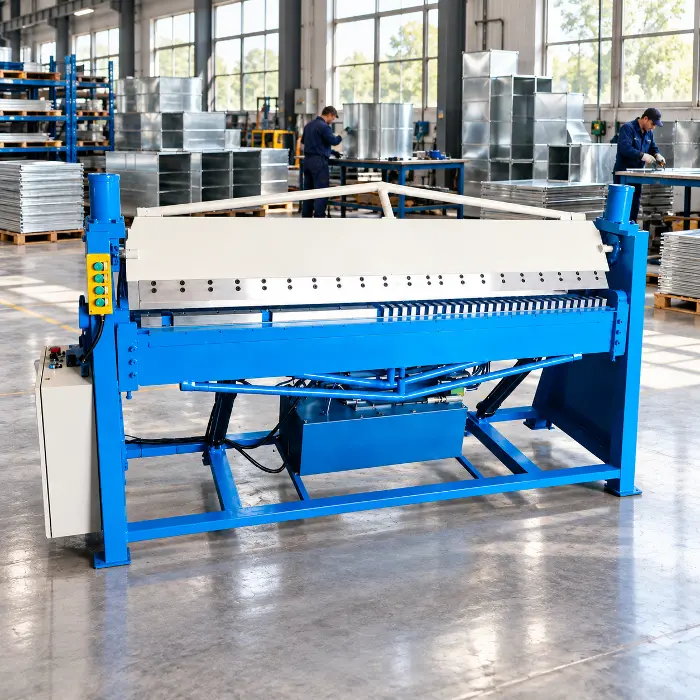
Choosing HVAC Duct Folding Machines for Flange-Safe Bending
2026/10/13 -
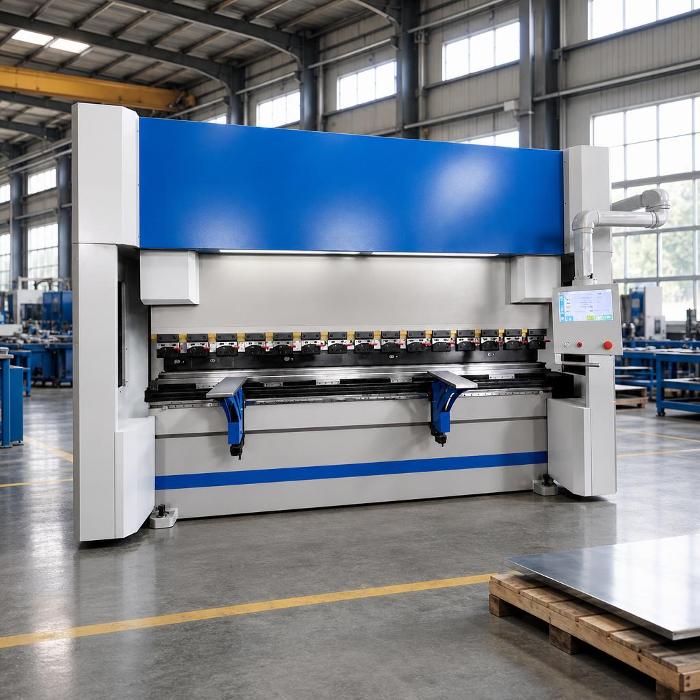
Precision Metal Forming Machines: What Separates Accurate Bends From Scrapped Sheet
2026/10/12 -
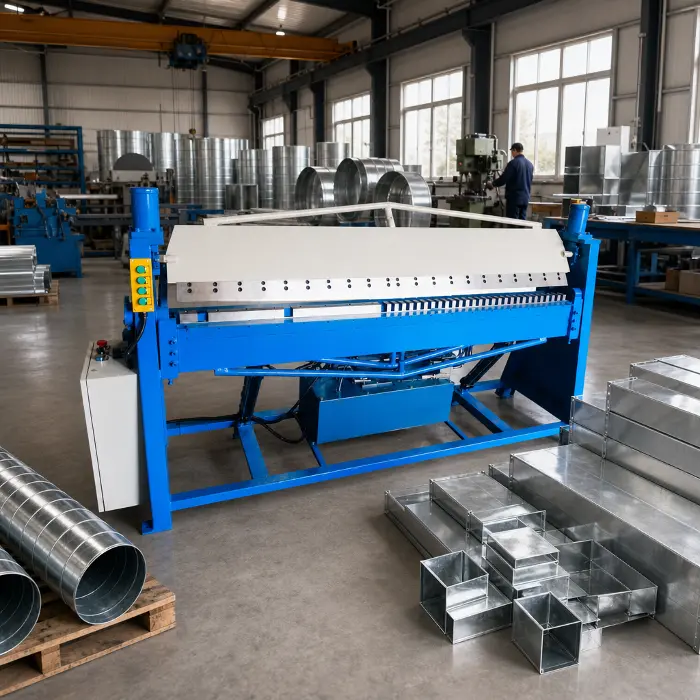
What to Look for in an HVAC Folding Machine Manufacturer
2026/10/11 -
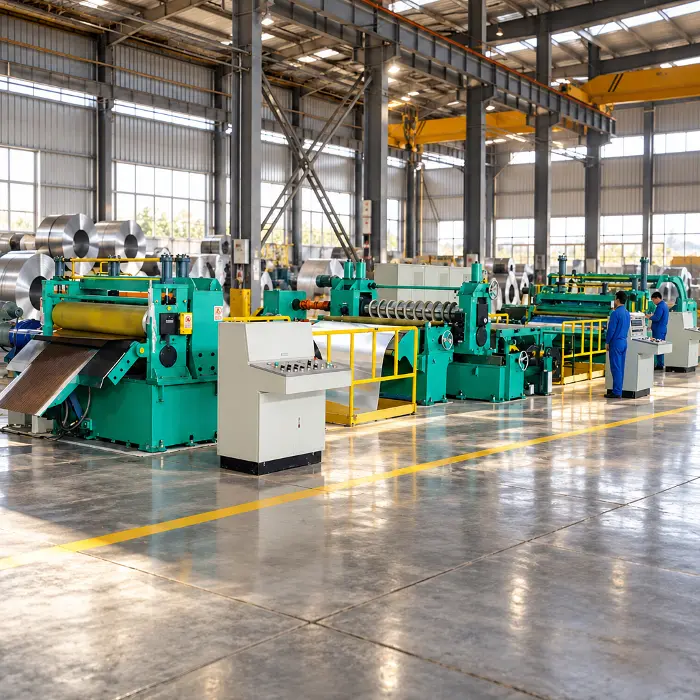
Steel Strip Cutting Machine: Engineering Precision in Modern Metal Processing
2026/10/10
-
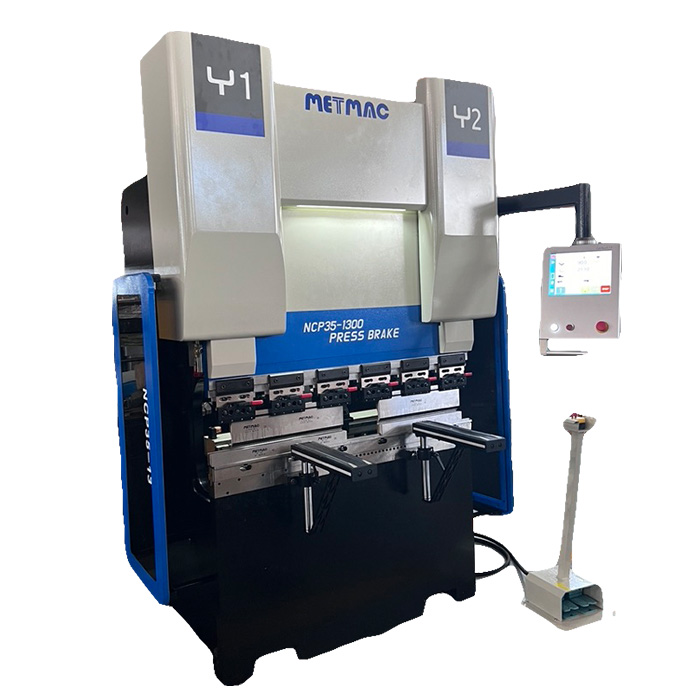
Sheet Metal Press Brake: Ultimate Guide to Precision Bending Technology in 2024
2026/03/13 -
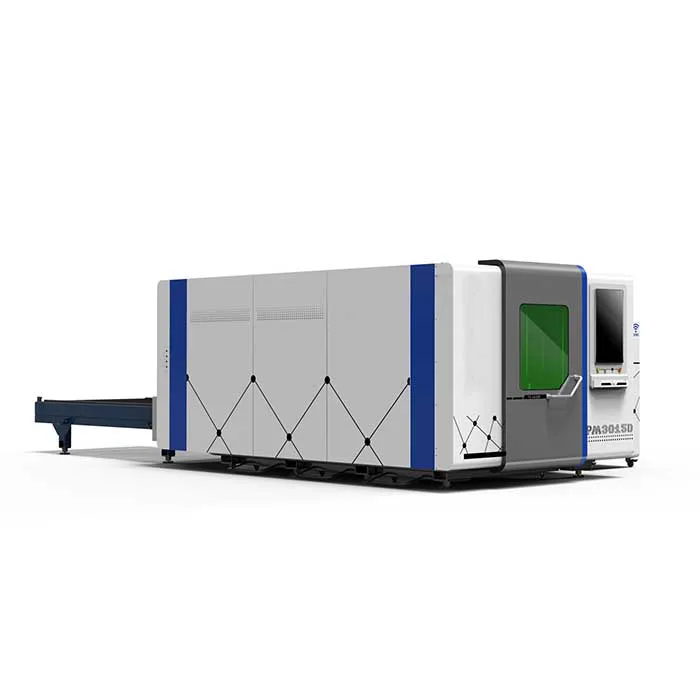
Metal Punching Machine: Ultimate Guide to Precision Manufacturing in 2024
2026/03/11 -
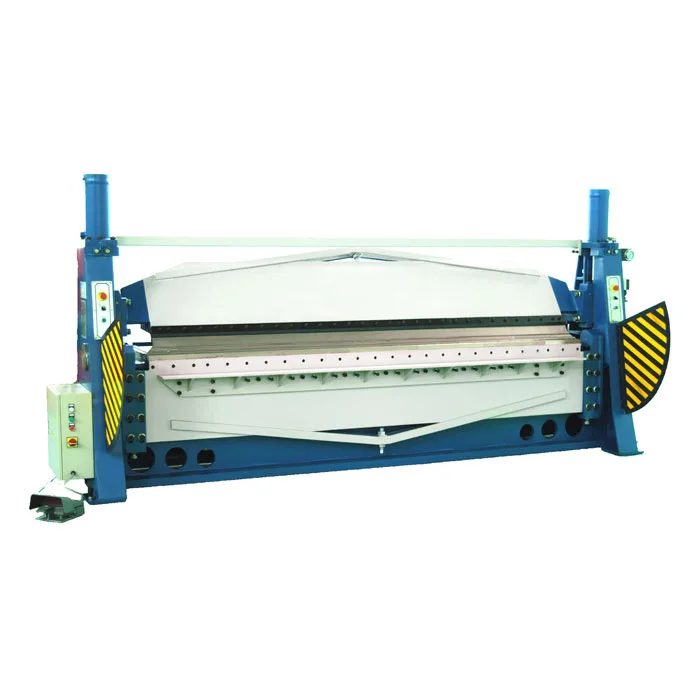
Metal Folding Machine: Comprehensive Guide to Precision Bending in 2024
2026/03/09 -
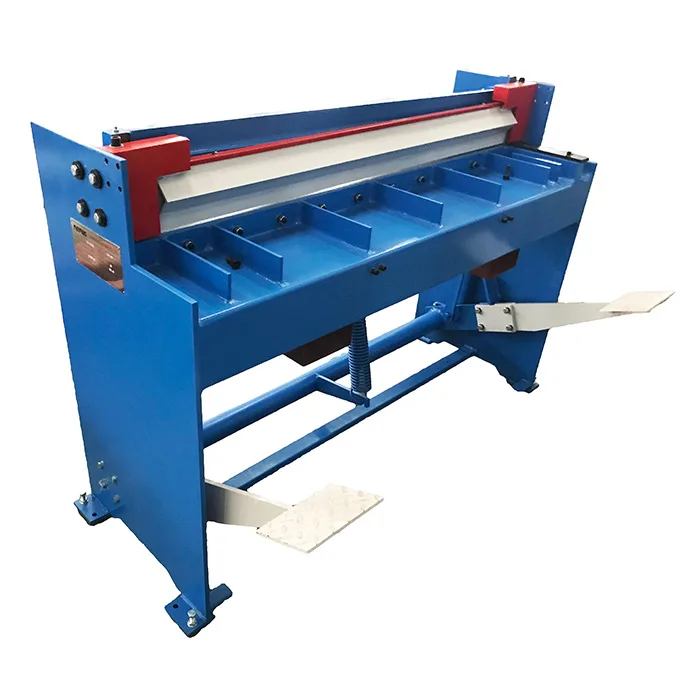
Sheet Metal Equipment: Ultimate Guide to Industrial Fabrication Solutions in 2026
2026/03/06
-
A Guide to the Latest Innovations in Sheet Metal Folding Machines
2024/11/29 -
Key Features to Consider When Investing in a Sheet Metal Folding Machine
2024/11/28 -
Enhancing Precision with Advanced Sheet Metal Folding Machines
2024/11/27 -
How to Choose the Right Sheet Metal Folding Machine for Your Workshop
2024/11/26
