


Safety and Environmental Considerations in Laser Cutting
Safety and Environmental Considerations in Laser Cutting: A Path towards Sustainable Precision
Laser cutting has revolutionized manufacturing with its unparalleled precision and versatility. However, this advanced technology warrants meticulous attention to safety and environmental implications to ensure a sustainable and worker-friendly environment.
Safety First: Protecting the Operators
Laser cutting involves high-intensity coherent light beams, posing significant hazards to operators. Essential safety measures must be implemented to minimize exposure to:
Laser Radiation: Laser beams can cause severe eye and skin damage. Proper laser safety eyewear and protective clothing are mandatory.
Fumes and Particulates: Laser-cut materials release fumes and particulates that can irritate the respiratory system. Adequate ventilation and exhaust systems are crucial for operator health.
Electrical Hazards: Laser cutting systems operate on high voltages. Proper electrical grounding and insulation prevent electrocution risks.
Environmental Responsibility: Minimizing Impacts
Laser cutting also has environmental implications that require careful consideration:
Waste Generation: Laser cutting creates metal scrap, fumes, and particulates. Proper waste management practices, including recycling and responsible disposal, are essential to minimize environmental impact.
Air Pollution: Laser-cut fumes can contain hazardous substances. Efficient filtration systems remove pollutants before releasing them into the atmosphere.
Energy Efficiency: Laser cutting systems consume a significant amount of energy. Implementing energy-saving measures, such as optimizing cutting parameters and using renewable energy sources, reduces environmental footprint.
Sustainable Practices: A Path Forward
By adhering to safety and environmental considerations, laser cutting can become a sustainable manufacturing process:
Closed-Loop Systems: Implement systems that recirculate cooling liquids and filter fumes, minimizing waste and emissions.
Automated Safety Systems: Utilize sensors and interlocks to automatically detect and mitigate hazards, enhancing worker protection.
Data Analytics: Monitor cutting processes and collect data to identify and address potential safety or environmental risks proactively.
Conclusion
Safety and environmental considerations are paramount in laser cutting operations. By implementing rigorous safety practices, minimizing environmental impacts, and embracing sustainable technologies, manufacturers can harness the power of laser cutting while ensuring the well-being of workers and the preservation of our planet. A responsible approach to laser cutting paves the way for a more sustainable and ethical manufacturing industry.
-
Press Metal Machine: The Definitive Guide to Precision Metal Forming
2026/03/12 -
Metal Punching Machine: The Ultimate Guide to Precision Hole Punching
2026/03/10 -
Sheet Metal Machinery: The Ultimate Guide to Industrial Fabrication Excellence
2026/03/04 -
Iron Sheet Laser Cutting Machine: Unmatched Precision for Demanding Fabrication with METMAC
2026/01/06
-
Sheet Metal Press Brake: Ultimate Guide to Precision Bending Technology in 2024
2026/03/13 -
Metal Punching Machine: Ultimate Guide to Precision Manufacturing in 2024
2026/03/11 -
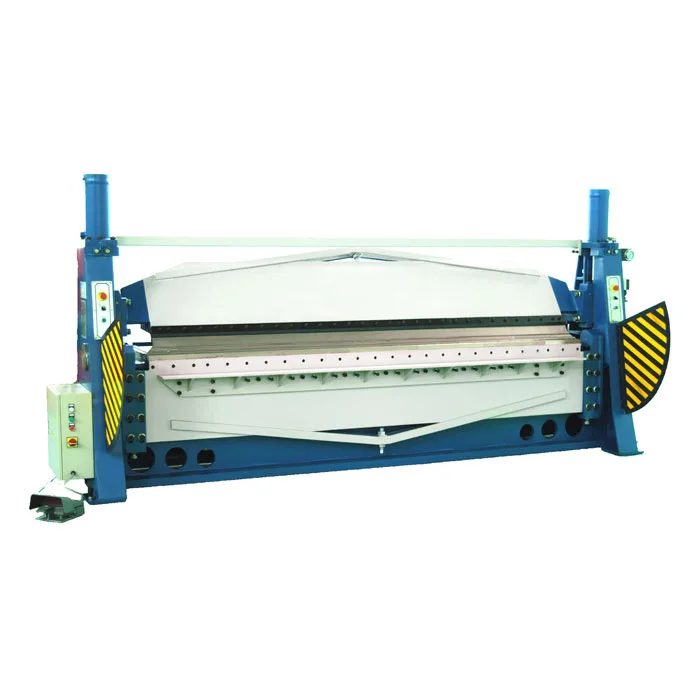
Metal Folding Machine: Comprehensive Guide to Precision Bending in 2024
2026/03/09 -
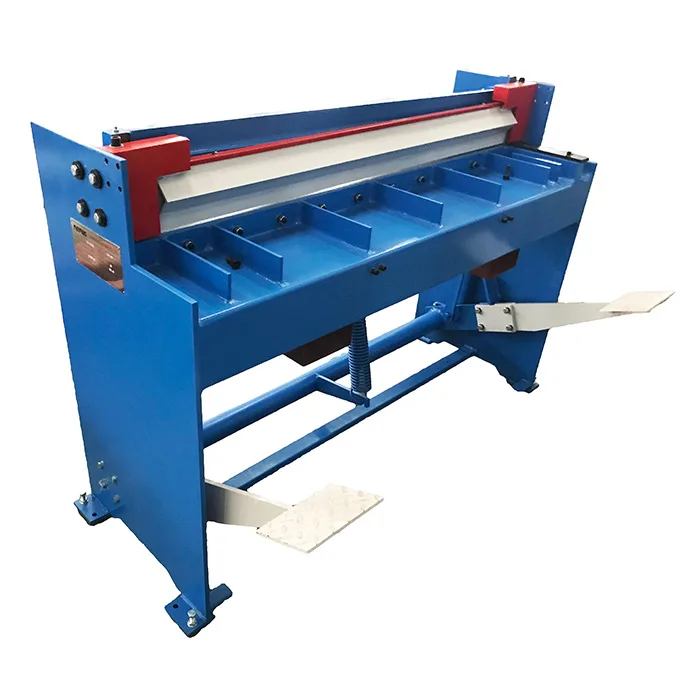
Sheet Metal Equipment: Ultimate Guide to Industrial Fabrication Solutions in 2026
2026/03/06
-
A Guide to the Latest Innovations in Sheet Metal Folding Machines
2024/11/29 -
Key Features to Consider When Investing in a Sheet Metal Folding Machine
2024/11/28 -
Enhancing Precision with Advanced Sheet Metal Folding Machines
2024/11/27 -
How to Choose the Right Sheet Metal Folding Machine for Your Workshop
2024/11/26
