


Metal Plate Rolling Machines for Small Businesses- Start-Up Tips
Embarking on a small business venture in metal fabrication often requires the precision and efficiency of metal plate rolling machines. These machines empower businesses to shape metal plates into intricate forms, catering to diverse industries from construction to automotive. However, selecting the right machine and navigating the start-up process can be daunting. This article provides comprehensive tips to guide small businesses in making informed decisions and maximizing their investment in metal plate rolling machines.
Machine Selection
1. Identify Business Needs: Determine the types of metal plates you will primarily work with, the required thickness, and the desired finished product. This will help you narrow down your machine choices.
2. Research Machine Capacities: Verify the maximum plate width and thickness the machine can handle. Consider future growth and the potential for future projects.
3. Seek Professional Advice: Consult with experts in the field to gain valuable insights on machine capabilities and the suitability for your specific requirements.
Business Considerations
1. Workspace Preparation: Ensure your workspace is spacious enough to accommodate the machine, allow for proper ventilation, and provide sufficient room for material handling.
2. Operator Training: Invest in thorough operator training to prevent accidents, optimize machine performance, and ensure precision in metal forming.
3. Raw Material Inventory Management: Establish an efficient system to manage raw material inventory, including storage, tracking, and timely procurement.
Safety and Maintenance
1. Safety First: Implement comprehensive safety measures, including personal protective equipment, proper machine guarding, and emergency protocols.
2. Regular Maintenance: Perform regular maintenance to maintain machine accuracy, prevent breakdowns, and extend its lifespan. Establish a maintenance schedule and adhere to its guidelines.
Financing and Investment
1. Budgeting and Planning: Determine the upfront investment required, including machine purchase, installation, training, and any other associated costs.
2. Financing Options: Explore various financing options, such as loans, leases, or equipment financing, to best meet your business’s financial needs.
3. Return on Investment: Evaluate the potential return on investment by considering productivity gains, labor savings, and the ability to expand your product offerings.
Conclusion
By following these tips, small businesses can make informed decisions when investing in metal plate rolling machines. Careful machine selection, proper business planning, adherence to safety measures, and strategic financial management will set the foundation for successful operations and maximize the return on investment. Embracing these guidelines empowers small businesses to harness the versatility and efficiency of metal plate rolling machines to drive growth and profitability.
-
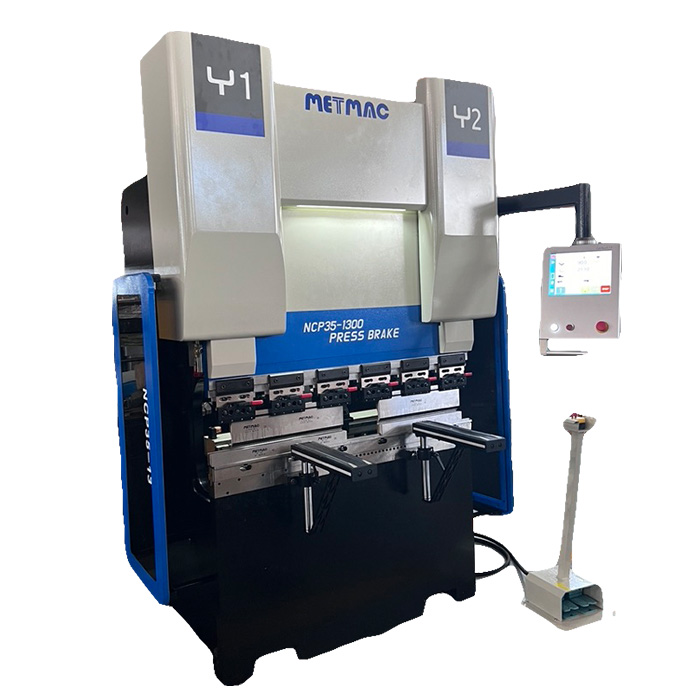
Press Metal Machine: The Definitive Guide to Precision Metal Forming
2026/03/12 -
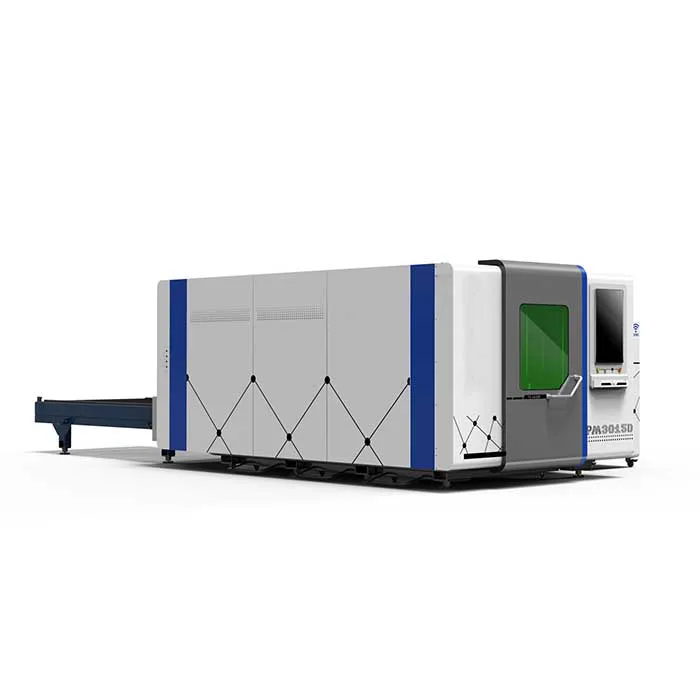
Metal Punching Machine: The Ultimate Guide to Precision Hole Punching
2026/03/10 -
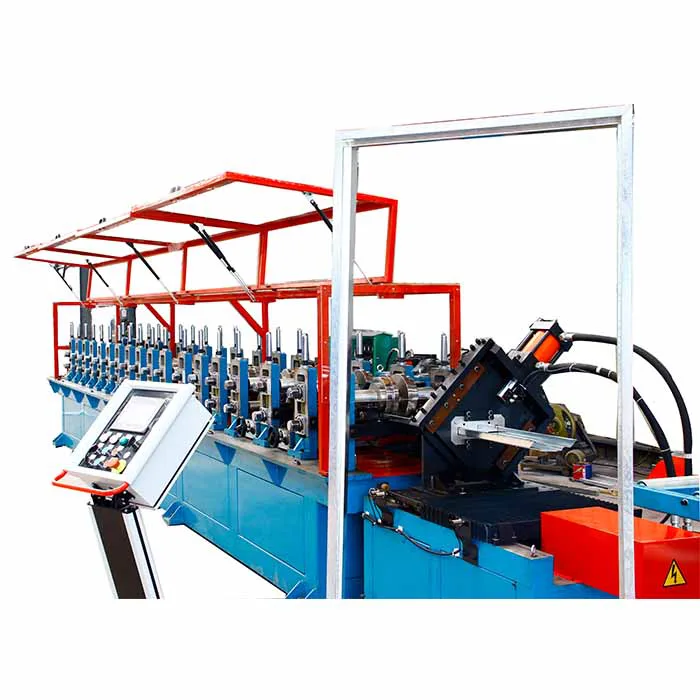
Sheet Metal Machinery: The Ultimate Guide to Industrial Fabrication Excellence
2026/03/04 -
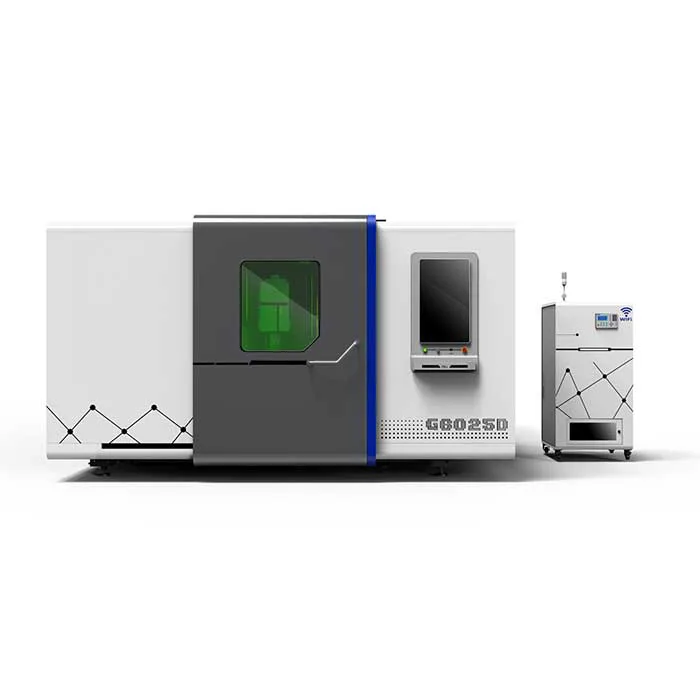
Iron Sheet Laser Cutting Machine: Unmatched Precision for Demanding Fabrication with METMAC
2026/01/06
-
Sheet Metal Press Brake: Ultimate Guide to Precision Bending Technology in 2024
2026/03/13 -
Metal Punching Machine: Ultimate Guide to Precision Manufacturing in 2024
2026/03/11 -
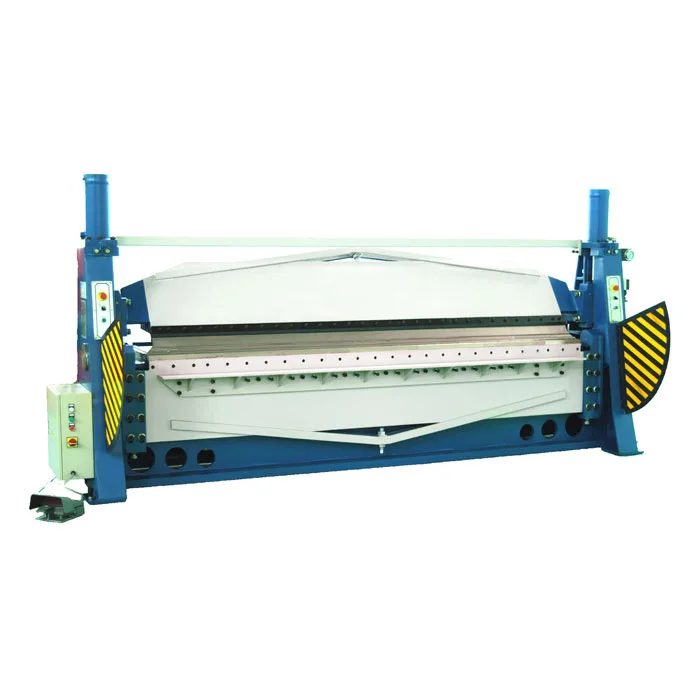
Metal Folding Machine: Comprehensive Guide to Precision Bending in 2024
2026/03/09 -
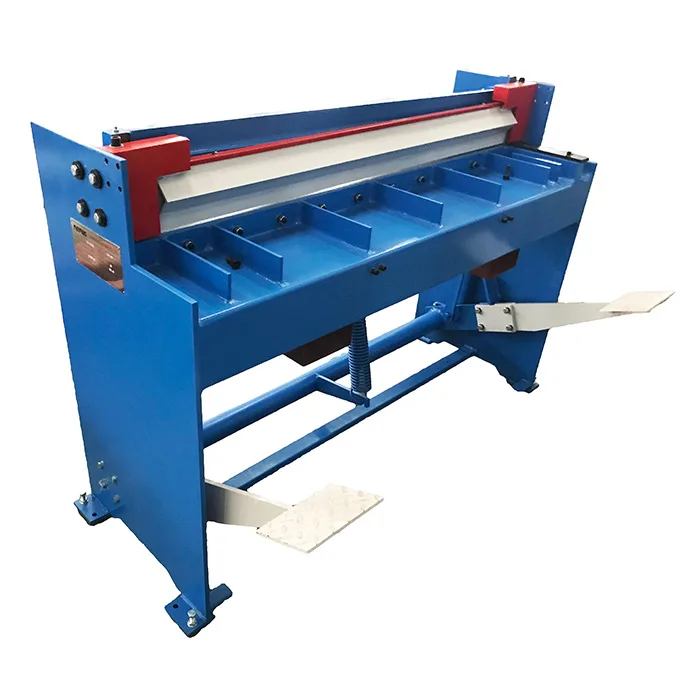
Sheet Metal Equipment: Ultimate Guide to Industrial Fabrication Solutions in 2026
2026/03/06
-
A Guide to the Latest Innovations in Sheet Metal Folding Machines
2024/11/29 -
Key Features to Consider When Investing in a Sheet Metal Folding Machine
2024/11/28 -
Enhancing Precision with Advanced Sheet Metal Folding Machines
2024/11/27 -
How to Choose the Right Sheet Metal Folding Machine for Your Workshop
2024/11/26
