


Matching Plate Bender Machines with Different Material Thicknesses
Matching plate bender machines are essential tools for shaping metal sheets into complex forms. Their versatility and accuracy make them indispensable for various industries, including aerospace, automotive, and construction. However, selecting the right plate bender for a specific application can be challenging, as different material thicknesses require matching machine capabilities. This article explores the key considerations when matching plate bender machines with diverse material thicknesses.
Machine Capacity
The most important factor to consider is the machine’s capacity, which determines the maximum thickness of material it can bend. Plate benders are typically classified into several tonnage ranges, with higher tonnage capacity machines capable of bending thicker materials. It is crucial to choose a machine with sufficient capacity to handle the intended material thicknesses while allowing for some margin for safety.
Bending Radius
The desired bending radius also influences the selection of a plate bender. Bending thicker materials requires a larger bending radius, which necessitates a machine with a larger bending roll diameter. Smaller bending radii, on the other hand, can be achieved with smaller diameter rolls, but these may not be suitable for thicker materials. Determining the appropriate bending radius for the application ensures precise and effective bending.
Material Yield Strength
The yield strength of the material being bent significantly impacts the choice of plate bender. High-strength materials require higher bending forces, necessitating a machine with a higher tonnage capacity. Conversely, low-strength materials can be bent by machines with lower tonnage capacities, allowing for cost-effective options. Understanding the material’s yield strength helps optimize machine selection and prevents over- or under-bending.
Material Thickness Uniformity
Another important factor to consider is the uniformity of the material thickness. Variations in thickness within the same workpiece can lead to uneven bending and potential defects. Plate benders with specialized features, such as thickness compensation systems, can adjust for thickness variations, ensuring consistent and accurate bending throughout the workpiece.
Production Volume and Speed
The anticipated production volume and desired bending speed also influence machine selection. High-volume applications require machines with faster bending cycle times and automatic features, such as auto-stop and repeat bending, to maximize productivity. For applications with lower production volumes or less stringent time constraints, machines with manual controls may be sufficient and more cost-effective.
Other Considerations
In addition to the above factors, there are several other considerations when matching plate bender machines with material thicknesses. These include:
– Machine accuracy: High-precision machines ensure precise bending angles and minimal distortion.
– Tooling options: Specialized tooling can enhance bending capabilities, such as flanging or beading.
– Safety features: Safety features, such as emergency stop controls and protective guards, ensure operator safety during operation.
– Cost: The initial investment and ongoing maintenance costs should be considered when selecting a plate bender.
By carefully considering these factors, engineers and manufacturers can select the most appropriate matching plate bender machine for their specific material thicknesses. This ensures optimal bending performance, cost-effectiveness, and the production of high-quality finished products.
-
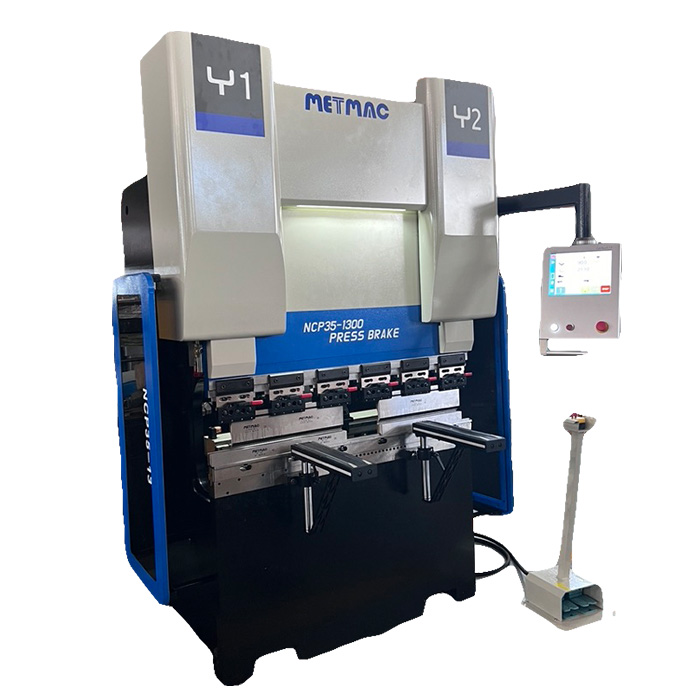
Press Metal Machine: The Definitive Guide to Precision Metal Forming
2026/03/12 -
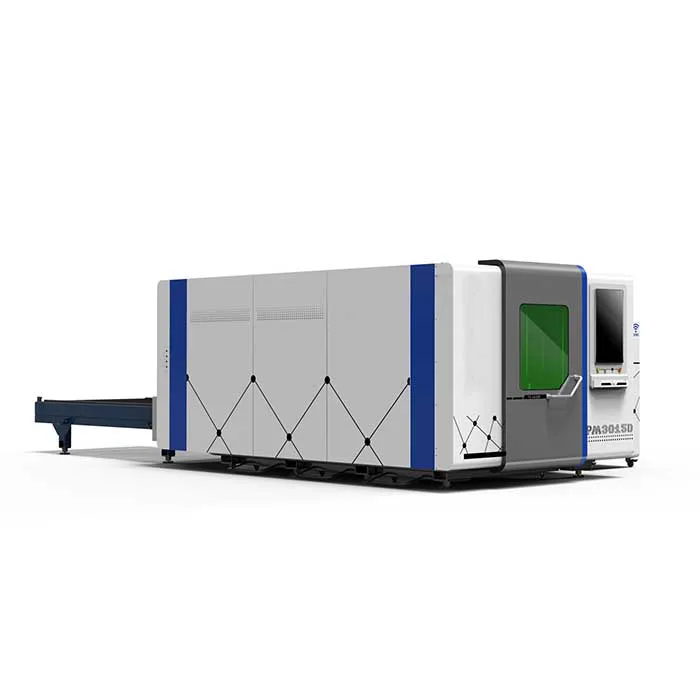
Metal Punching Machine: The Ultimate Guide to Precision Hole Punching
2026/03/10 -
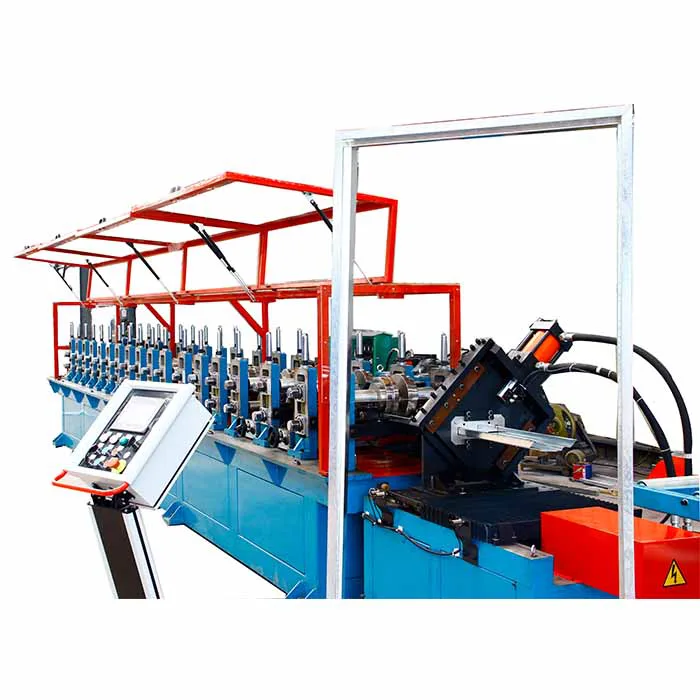
Sheet Metal Machinery: The Ultimate Guide to Industrial Fabrication Excellence
2026/03/04 -
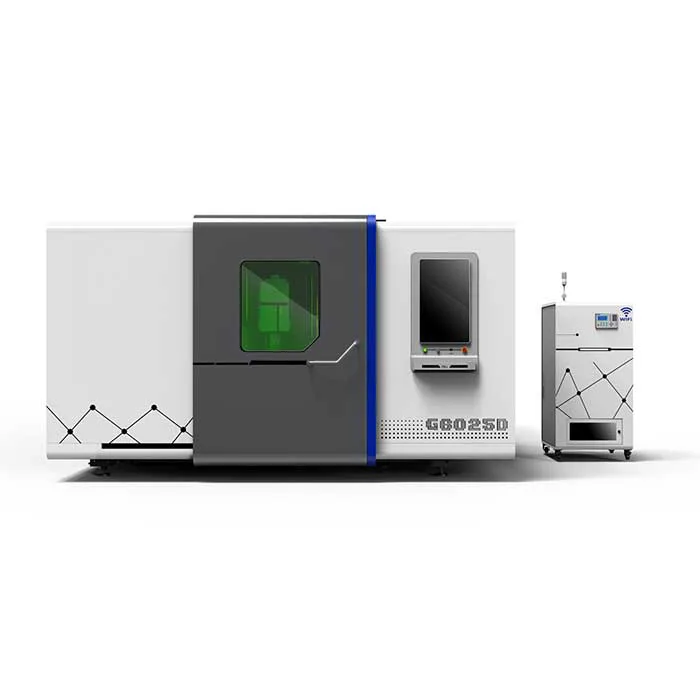
Iron Sheet Laser Cutting Machine: Unmatched Precision for Demanding Fabrication with METMAC
2026/01/06
-
Sheet Metal Press Brake: Ultimate Guide to Precision Bending Technology in 2024
2026/03/13 -
Metal Punching Machine: Ultimate Guide to Precision Manufacturing in 2024
2026/03/11 -
Metal Folding Machine: Comprehensive Guide to Precision Bending in 2024
2026/03/09 -
Sheet Metal Equipment: Ultimate Guide to Industrial Fabrication Solutions in 2026
2026/03/06
-
A Guide to the Latest Innovations in Sheet Metal Folding Machines
2024/11/29 -
Key Features to Consider When Investing in a Sheet Metal Folding Machine
2024/11/28 -
Enhancing Precision with Advanced Sheet Metal Folding Machines
2024/11/27 -
How to Choose the Right Sheet Metal Folding Machine for Your Workshop
2024/11/26
