


Economic Considerations of Precision Metal Cutting Machines
Precision Metal Cutting Machines: The Economic Considerations
In the realm of manufacturing, every cut counts. Precision metal cutting machines are the backbone of countless industries, from aerospace to automotive. Their ability to produce intricate and precise components with unparalleled accuracy is vital to the success of modern engineering. However, the question that often arises is: how do we balance the unparalleled precision of these machines with the economic realities of manufacturing?
Investment vs. Return
Investing in a precision metal cutting machine is a significant capital expenditure. These machines come with a hefty price tag, and their maintenance and operation costs can further strain budgets. However, the return on investment (ROI) of these machines can be substantial. They enable manufacturers to:
Increase productivity: Automate complex cutting processes, freeing up skilled workers for higher-value tasks.
Reduce scrap: Eliminate human error and ensure consistency, minimizing material waste and rework costs.
Enhance product quality: Precision cuts contribute to improved product performance, durability, and safety.
Operating Costs
While the upfront investment is crucial, the ongoing operating costs must also be carefully considered. These costs include:
Energy consumption: These machines can be energy-intensive, so energy-efficient models or renewable energy sources should be explored.
Coolants and lubricants: Specialized coolants and lubricants are essential for optimum performance and tool life.
Tooling: The tools used in precision cutting are subject to wear and tear, and regular replacement costs must be factored in.
Total Cost of Ownership
To fully understand the economic implications, manufacturers should consider the total cost of ownership (TCO), which encompasses the entire lifecycle of the machine. This includes not only the purchase price but also:
Operating costs: Energy, coolants, tooling, and labor
Maintenance costs: Regular servicing, repairs, and upgrades
Downtime costs: Lost productivity due to machine failures or maintenance
Optimizing Economic Considerations
Balancing the economic considerations of precision metal cutting machines requires a strategic approach. Factors to consider include:
Machine utilization: Ensuring optimal machine usage to maximize ROI.
Outsourcing vs. in-house: Deciding whether to invest in equipment or outsource cutting operations to specialized providers.
Technology advancements: Exploring newer technologies that offer improved efficiency and reduced costs.
By carefully weighing these economic considerations and optimizing machine usage and operating costs, manufacturers can harness the transformative power of precision metal cutting without compromising their financial viability. In the end, it’s all about finding the sweet spot where precision meets profitability, ensuring that every cut counts both in terms of quality and economic efficiency.
-
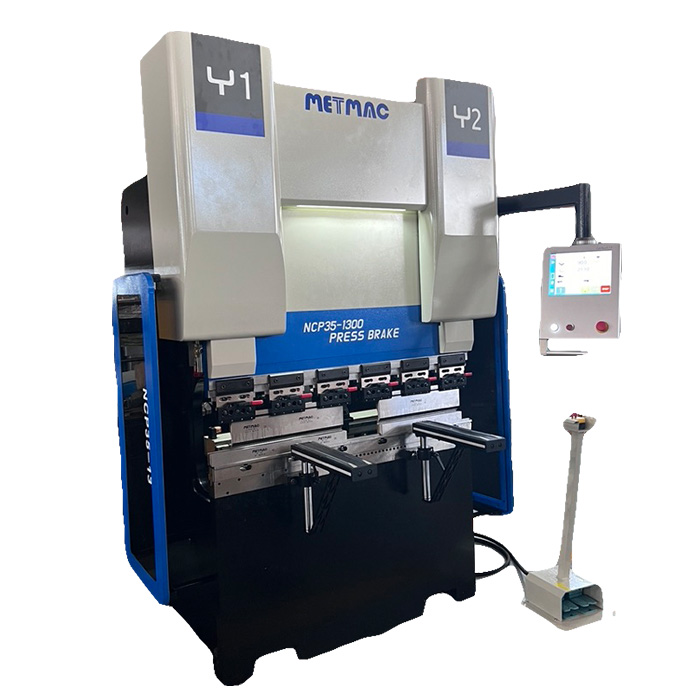
Press Metal Machine: The Definitive Guide to Precision Metal Forming
2026/03/12 -
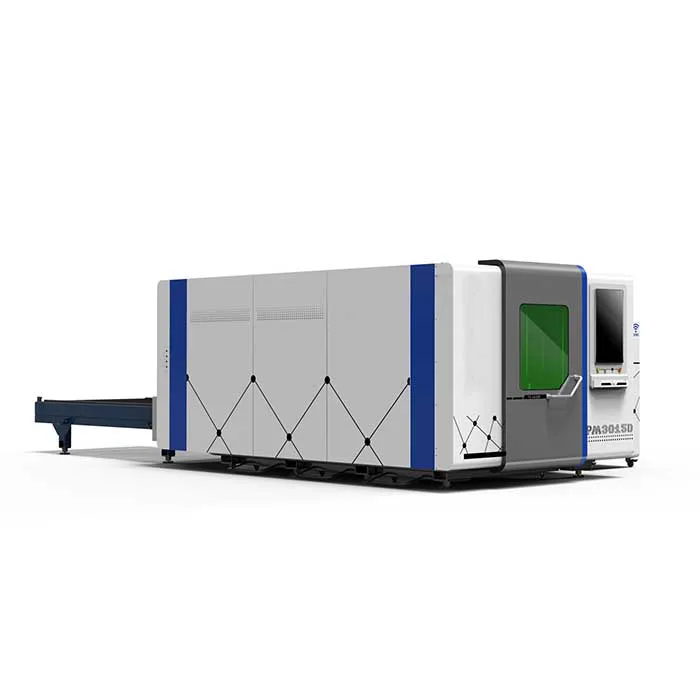
Metal Punching Machine: The Ultimate Guide to Precision Hole Punching
2026/03/10 -
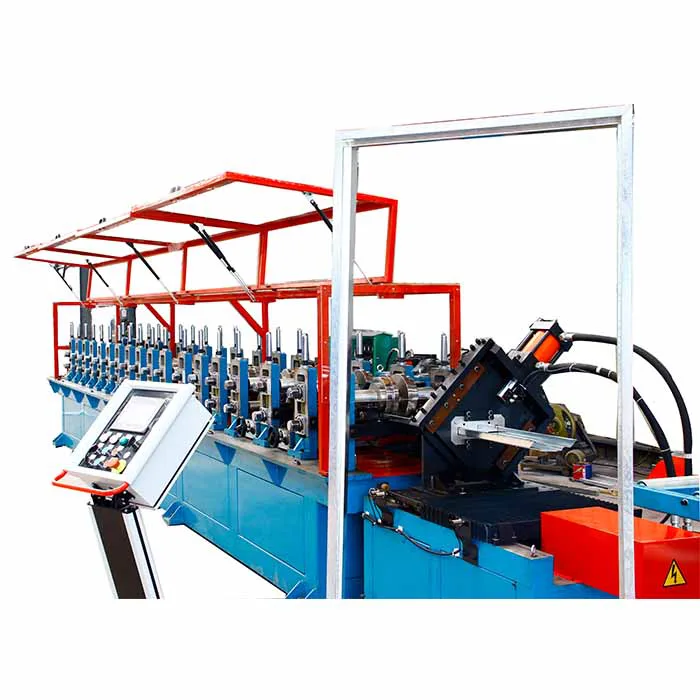
Sheet Metal Machinery: The Ultimate Guide to Industrial Fabrication Excellence
2026/03/04 -
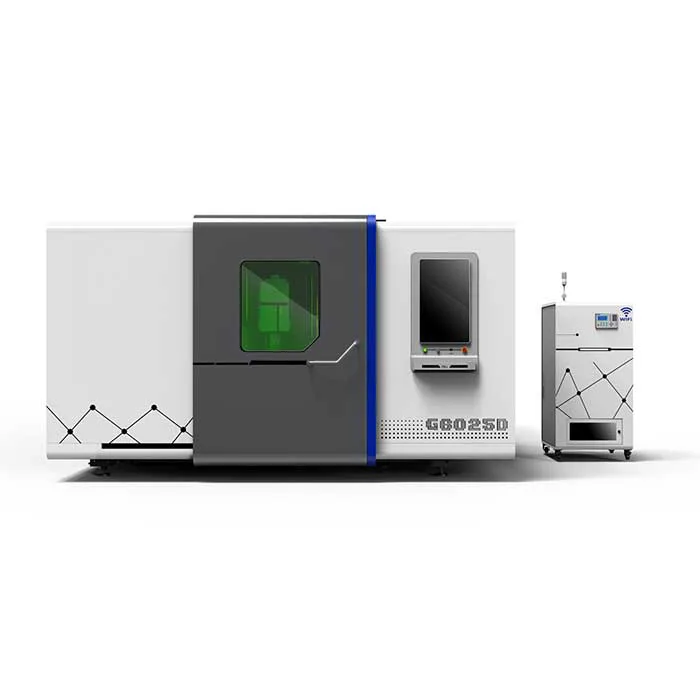
Iron Sheet Laser Cutting Machine: Unmatched Precision for Demanding Fabrication with METMAC
2026/01/06
-
Sheet Metal Press Brake: Ultimate Guide to Precision Bending Technology in 2024
2026/03/13 -
Metal Punching Machine: Ultimate Guide to Precision Manufacturing in 2024
2026/03/11 -
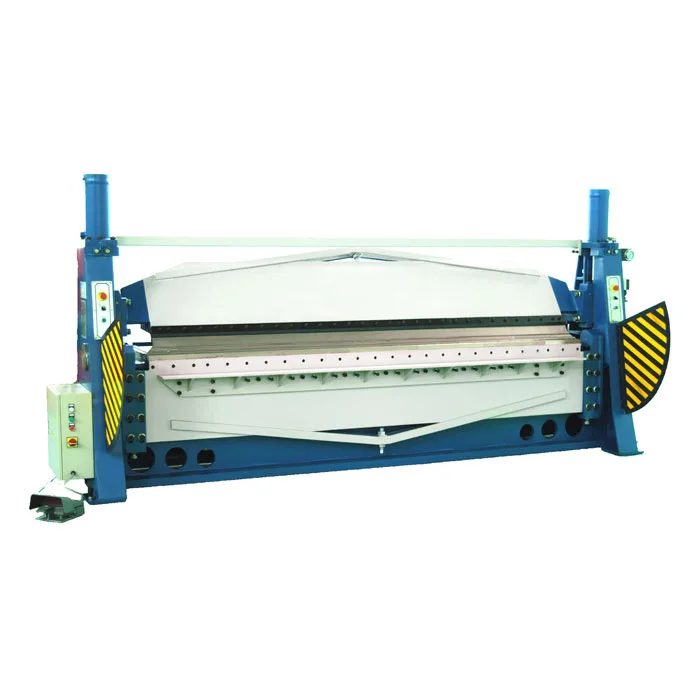
Metal Folding Machine: Comprehensive Guide to Precision Bending in 2024
2026/03/09 -
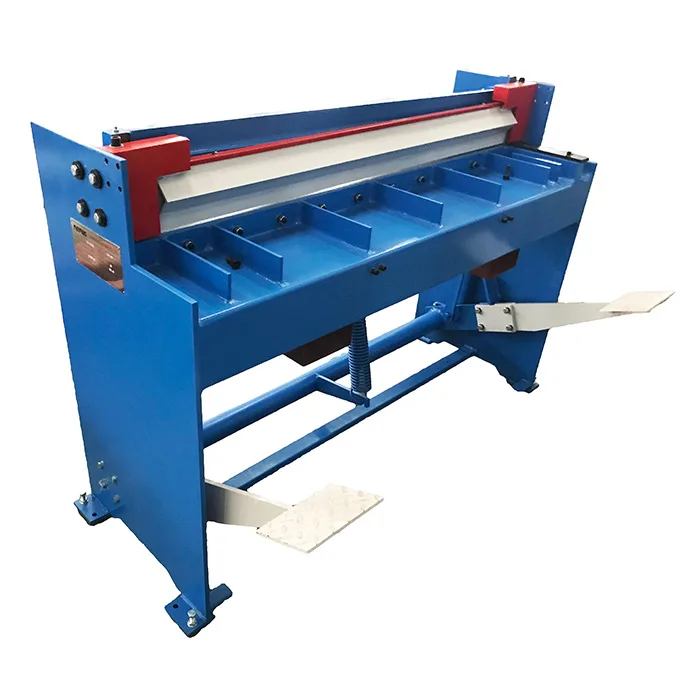
Sheet Metal Equipment: Ultimate Guide to Industrial Fabrication Solutions in 2026
2026/03/06
-
A Guide to the Latest Innovations in Sheet Metal Folding Machines
2024/11/29 -
Key Features to Consider When Investing in a Sheet Metal Folding Machine
2024/11/28 -
Enhancing Precision with Advanced Sheet Metal Folding Machines
2024/11/27 -
How to Choose the Right Sheet Metal Folding Machine for Your Workshop
2024/11/26
