


Cost Considerations for Sheet Metal Rolling Machine Projects
In the realm of manufacturing, sheet metal rolling machines play a pivotal role in shaping and forming metal sheets into desired configurations. These machines are indispensable tools for various industries, including automotive, aerospace, and construction. However, embarking on a sheet metal rolling machine project entails meticulous consideration of several cost factors to ensure financial viability and project success.
Material Costs
The primary cost factor to consider is the material used for the sheet metal rolling. The thickness, width, and type of metal will significantly impact the overall cost of the project. Thicker and wider sheets require more material and thus incur higher costs. Additionally, the type of metal employed, such as aluminum, stainless steel, or copper, will influence the material costs.
Machine Acquisition and Maintenance
The acquisition cost of the sheet metal rolling machine is a major financial consideration. These machines come in various sizes, capacities, and configurations, with the price varying accordingly. It is crucial to thoroughly research and select a machine that meets the specific requirements and production volume of the project. Moreover, ongoing maintenance expenses should be factored in, including regular servicing, replacement parts, and potential downtime costs.
Labor and Training
Operating a sheet metal rolling machine requires skilled personnel. Factors such as the availability and experience level of operators will affect labor costs. In-house labor may require training and certification, which can incur additional expenses. Conversely, outsourcing these services to specialized contractors can potentially be more cost-effective in the long run.
Energy Consumption
Sheet metal rolling machines are energy-intensive machines. The cost of electricity or other energy sources must be considered during the planning phase. Energy-efficient machines can minimize operating costs over the long term, but may come with a higher upfront investment. Evaluating energy consumption and potential savings is essential for optimizing overall project expenses.
Setup and Integration Costs
Proper setup and integration of the sheet metal rolling machine are crucial for efficient operation. This may involve costs associated with foundations, installation, and integration with existing production lines. Additionally, tooling and accessories required for specific applications can add to the setup and integration expenses. These costs should be carefully assessed to ensure a smooth transition and minimize disruption to existing operations.
Production Efficiency and Scrap Reduction
The production efficiency of the sheet metal rolling machine and the associated scrap rate can significantly impact the overall cost of the project. Machines with higher operating speeds and reduced downtime can maximize productivity and minimize operating costs. Furthermore, minimizing scrap waste through optimized material utilization and efficient cutting techniques can significantly reduce material expenses.
Quality Control and Inspection
Ensuring the quality of the sheet metal rolling process is paramount. Costs associated with quality control measures, such as inspection tools, testing procedures, and potential rework, should be factored in. Implementing a rigorous quality control system can minimize the risk of defects, reduce waste, and ensure customer satisfaction, ultimately contributing to overall project cost effectiveness.
-
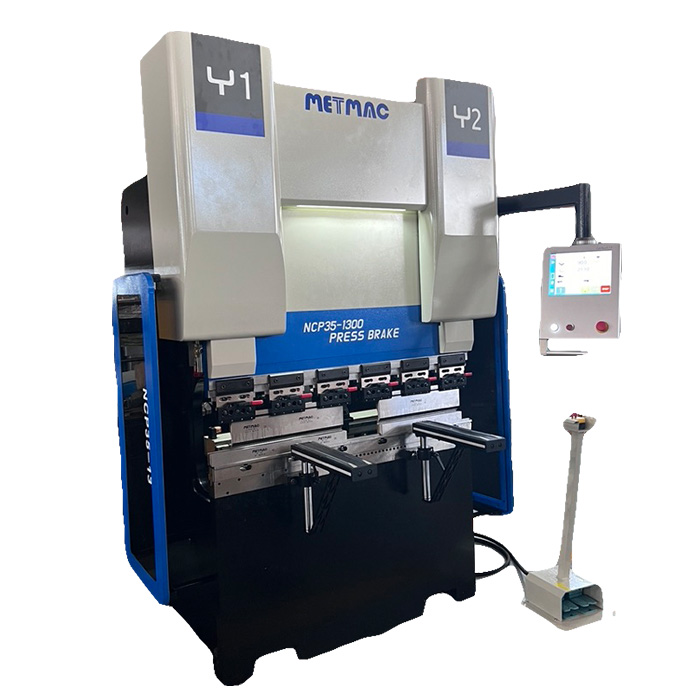
Press Metal Machine: The Definitive Guide to Precision Metal Forming
2026/03/12 -
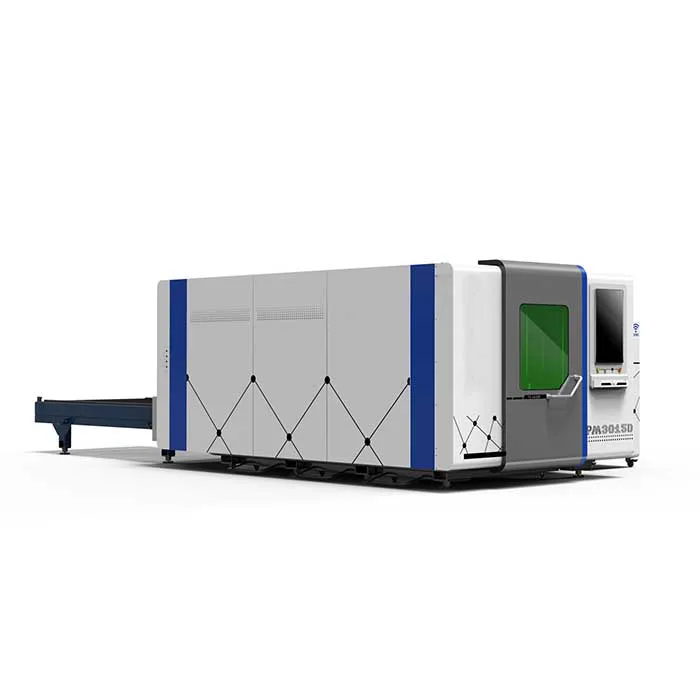
Metal Punching Machine: The Ultimate Guide to Precision Hole Punching
2026/03/10 -
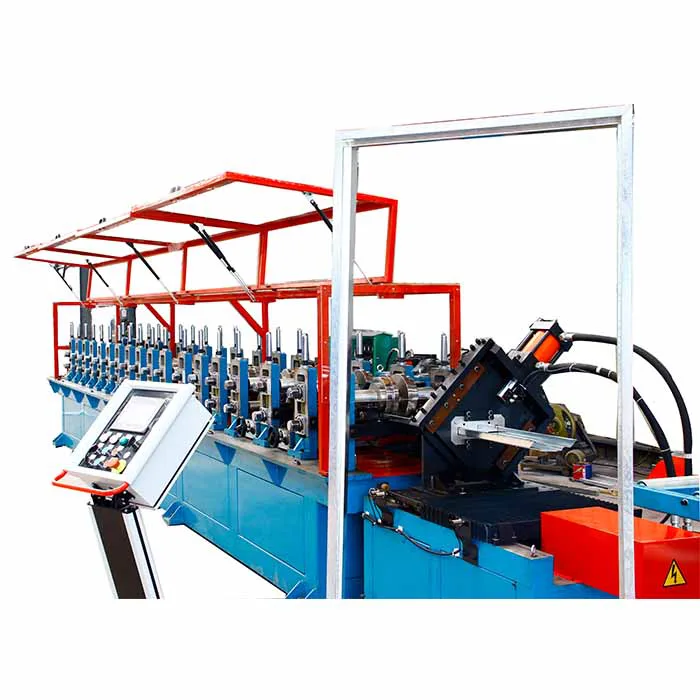
Sheet Metal Machinery: The Ultimate Guide to Industrial Fabrication Excellence
2026/03/04 -
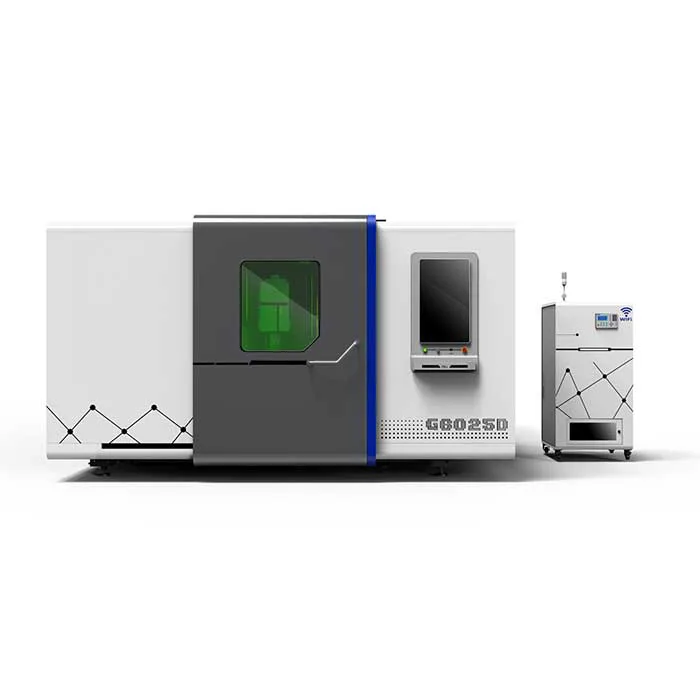
Iron Sheet Laser Cutting Machine: Unmatched Precision for Demanding Fabrication with METMAC
2026/01/06
-
Sheet Metal Press Brake: Ultimate Guide to Precision Bending Technology in 2024
2026/03/13 -
Metal Punching Machine: Ultimate Guide to Precision Manufacturing in 2024
2026/03/11 -
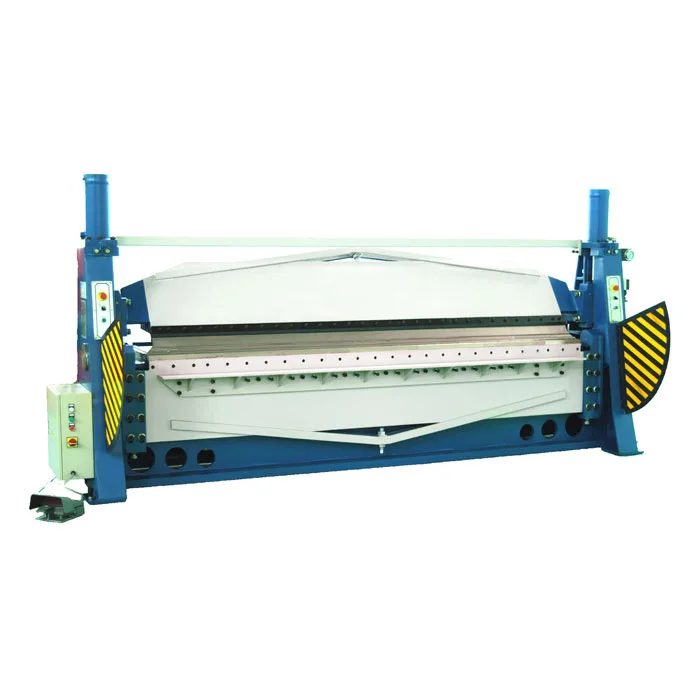
Metal Folding Machine: Comprehensive Guide to Precision Bending in 2024
2026/03/09 -
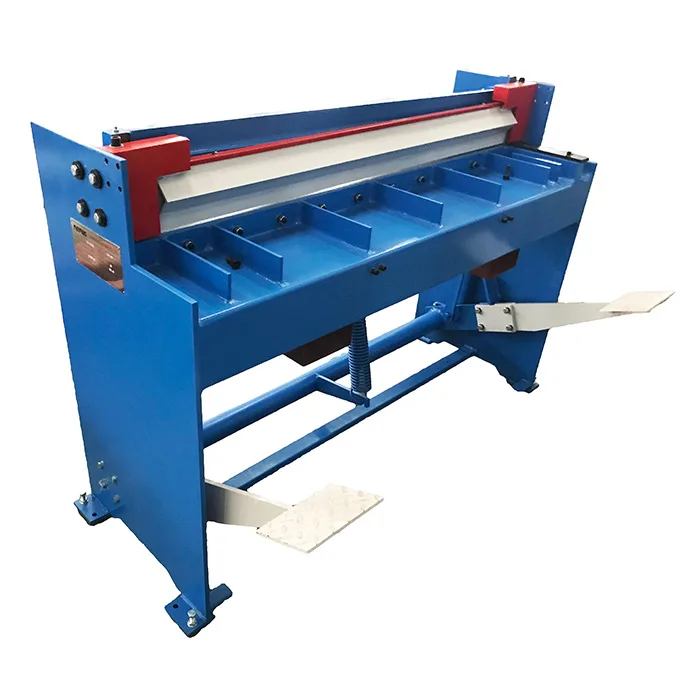
Sheet Metal Equipment: Ultimate Guide to Industrial Fabrication Solutions in 2026
2026/03/06
-
Latest Technological Advancements in Rectangular Duct Machines
2024/05/11 -
Integrating Automation with Rectangular Duct Machines for Enhanced Productivity
2024/05/11 -
Metal Shear Machines- Essential Tools for Precision Metal Cutting
2024/05/11 -
Understanding the Role and Function of Steel Strip Slitting Machines
2024/05/11
-
A Guide to the Latest Innovations in Sheet Metal Folding Machines
2024/11/29 -
Key Features to Consider When Investing in a Sheet Metal Folding Machine
2024/11/28 -
Enhancing Precision with Advanced Sheet Metal Folding Machines
2024/11/27 -
How to Choose the Right Sheet Metal Folding Machine for Your Workshop
2024/11/26
