

Cost Analysis- Investing in a Metal Bending Machine vs. Outsourcing
Introduction
Deciding whether to invest in a metal bending machine or outsource bending operations presents a crucial decision for metalworking businesses. In-house bending offers greater control and flexibility, while outsourcing provides cost savings and frees up resources. This article delves into a comprehensive cost analysis to aid in evaluating and comparing these two options.
Capital Investment
Investing in a Metal Bending Machine:
Acquiring a metal bending machine entails a substantial upfront cost. This includes the machine itself, tooling, maintenance equipment, and potential training expenses for operators. The capital investment can range from tens of thousands to hundreds of thousands of dollars, depending on the machine’s capabilities and capacity.
Outsourcing:
Outsourcing bending services eliminates the need for capital investment. Instead, businesses pay a per-part or hourly rate to a third-party vendor. The vendor assumes the cost of the machine, tooling, maintenance, and labor.
Operating Costs
Investing in a Metal Bending Machine:
In-house bending incurs operating costs that vary based on machine utilization and usage patterns. These costs include:
– Labor: Bending operators’ salaries and benefits
– Utilities: Electricity, compressed air
– Tooling: Regular replacement and maintenance
– Maintenance: Routine servicing, repairs, and parts replacement
Outsourcing:
Outsourcing provides predictable operating costs. Businesses only pay for the services they utilize, eliminating the need to cover fixed expenses such as labor, utilities, and maintenance. However, the per-part or hourly rates charged by the vendor may vary based on factors such as volume, complexity, and turnaround time.
Quality Control and Flexibility
Investing in a Metal Bending Machine:
In-house bending allows for precise quality control as businesses can establish and maintain their own quality standards. They have the flexibility to make adjustments to the bending process as needed, reducing the risk of defects and rework.
Outsourcing:
Outsourcing requires businesses to rely on the vendor’s quality control systems. While reputable vendors prioritize quality, issues may arise due to communication breakdowns or differences in expectations. Communication and thorough documentation are crucial for effective quality management when outsourcing.
Lead Time and Capacity
Investing in a Metal Bending Machine:
In-house bending enables faster lead times as businesses can bend parts as required without relying on external suppliers. Additionally, they can scale up production capacity by adding shifts or investing in larger machines.
Outsourcing:
Outsourcing lead times depend on the vendor’s workload and availability. Businesses may face delays during peak periods or when dealing with complex or high-volume orders. Capacity constraints can also limit production flexibility.
Conclusion
The decision between investing in a metal bending machine and outsourcing depends on the specific needs and circumstances of each business. While in-house bending offers greater control, quality, and flexibility, it requires a substantial capital investment and ongoing operating costs. Outsourcing provides cost savings and frees up resources but may involve longer lead times and less control over quality. A thorough cost analysis considering the factors discussed above can assist businesses in making an informed decision that optimizes their operations and ensures long-term profitability.
-
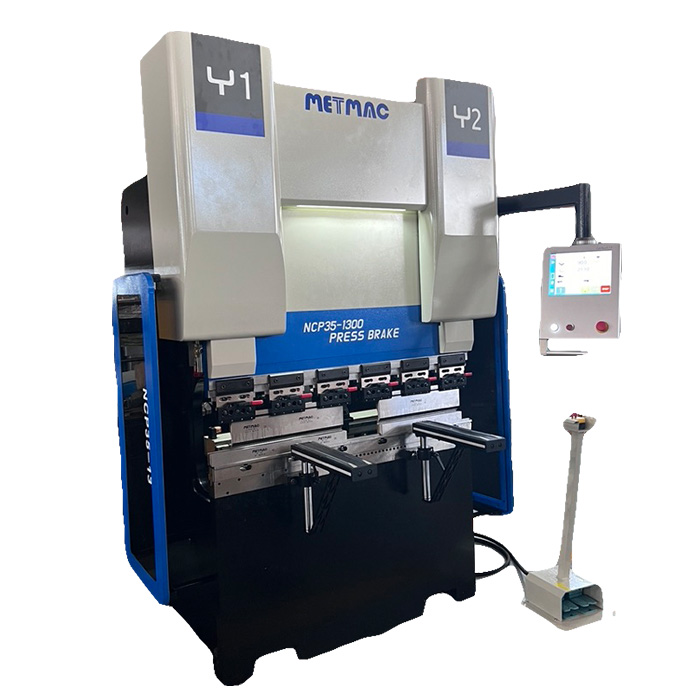
Press Metal Machine: The Definitive Guide to Precision Metal Forming
2026/03/12 -
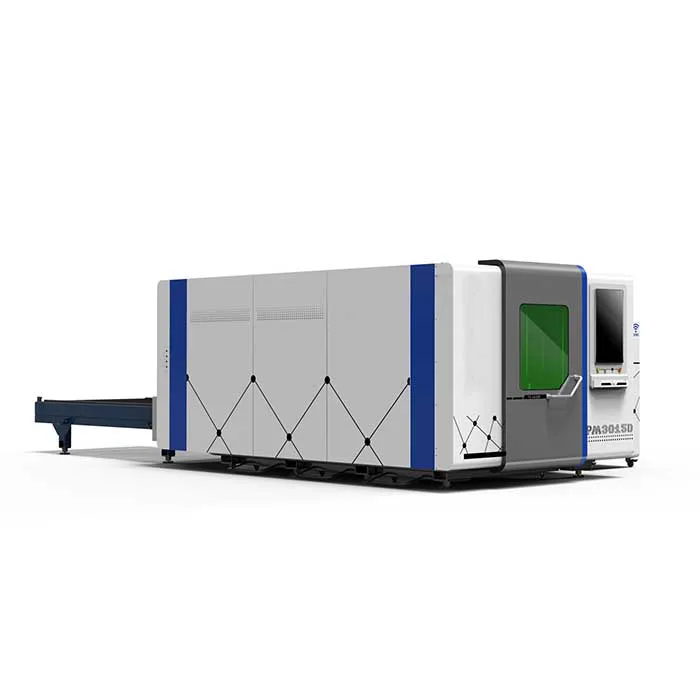
Metal Punching Machine: The Ultimate Guide to Precision Hole Punching
2026/03/10 -
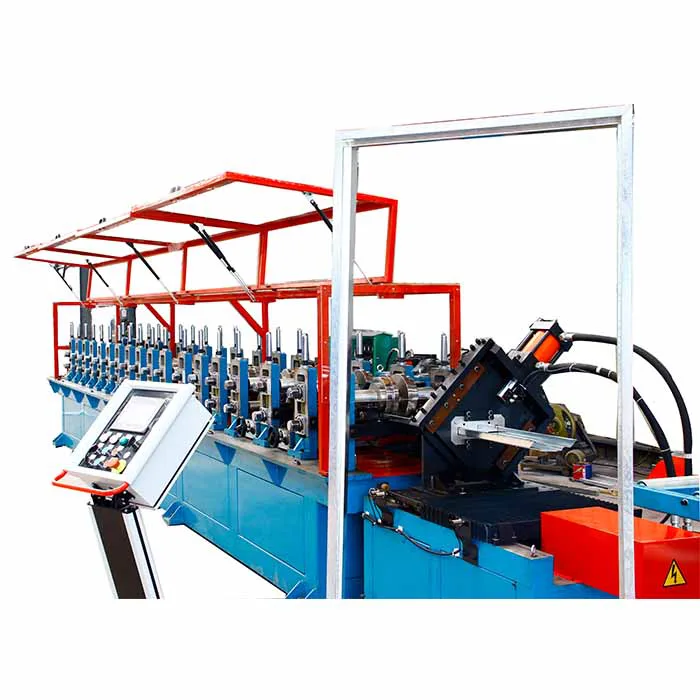
Sheet Metal Machinery: The Ultimate Guide to Industrial Fabrication Excellence
2026/03/04 -
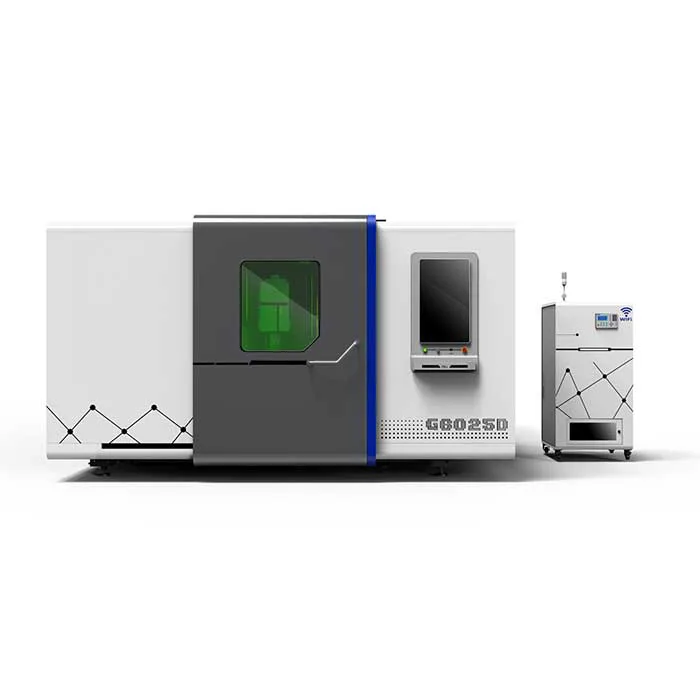
Iron Sheet Laser Cutting Machine: Unmatched Precision for Demanding Fabrication with METMAC
2026/01/06
-
Sheet Metal Press Brake: Ultimate Guide to Precision Bending Technology in 2024
2026/03/13 -
Metal Punching Machine: Ultimate Guide to Precision Manufacturing in 2024
2026/03/11 -
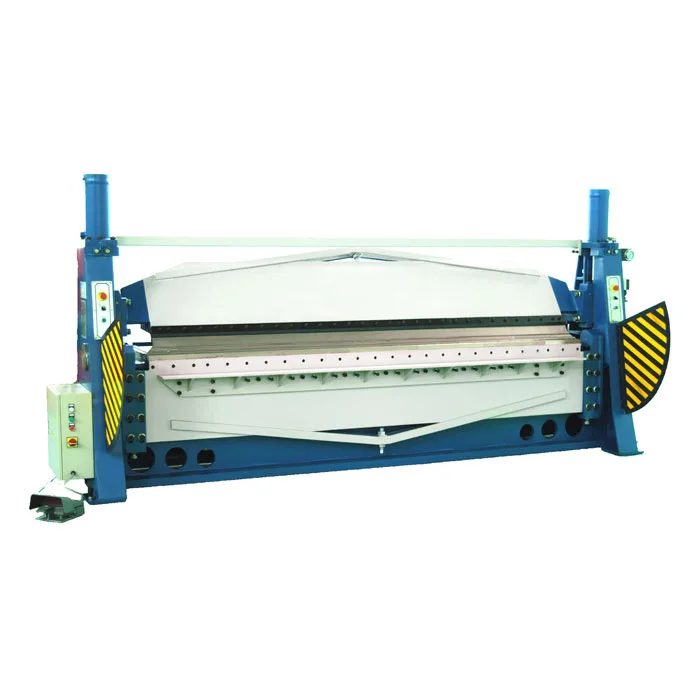
Metal Folding Machine: Comprehensive Guide to Precision Bending in 2024
2026/03/09 -
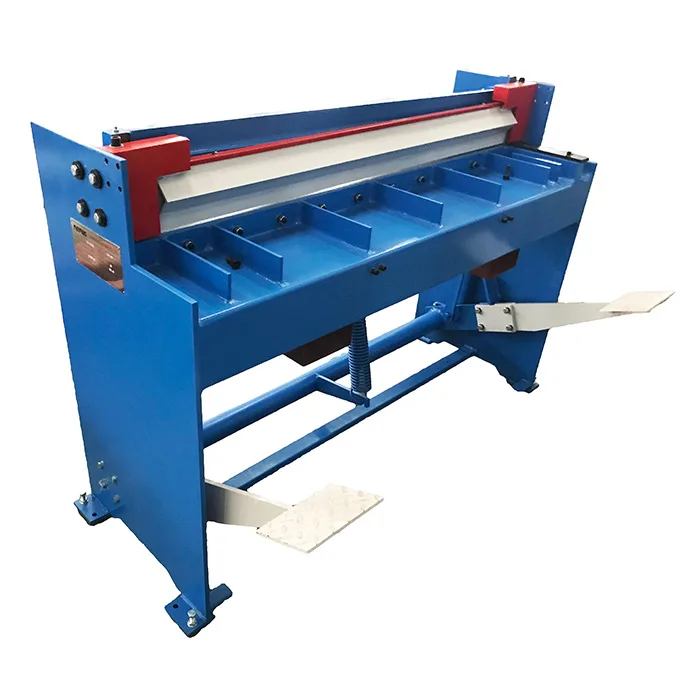
Sheet Metal Equipment: Ultimate Guide to Industrial Fabrication Solutions in 2026
2026/03/06
-
A Guide to the Latest Innovations in Sheet Metal Folding Machines
2024/11/29 -
Key Features to Consider When Investing in a Sheet Metal Folding Machine
2024/11/28 -
Enhancing Precision with Advanced Sheet Metal Folding Machines
2024/11/27 -
How to Choose the Right Sheet Metal Folding Machine for Your Workshop
2024/11/26
