

Comparing Different Types of Sheet Metal Press Brakes
Overview
Sheet metal press brakes are essential tools in the fabrication industry. They are used to bend and shape sheet metal into various forms, creating parts for a wide range of applications. With different types of press brakes available, it’s important to understand their capabilities and choose the one most suited to your needs.
Mechanical Press Brakes
Features:
– Powered by a flywheel that converts rotational energy into bending force.
– High bending forces and durability.
– Straightforward operation and maintenance.
– Limited flexibility in bending profiles.
Advantages:
– Economical for high-volume production runs.
– Precise bending accuracy.
– Suitable for repetitive bending tasks.
Disadvantages:
– High initial investment compared to other types.
– Not suitable for complex bending operations.
Hydraulic Press Brakes
Features:
– Utilizes a hydraulic system to generate bending force.
– Variable bending force and speed.
– High versatility for various bending operations.
– Requires more maintenance and downtime.
Advantages:
– Ideal for complex bending applications.
– Allows for customized bending profiles.
– Provides higher precision and control compared to mechanical brakes.
Disadvantages:
– Higher operating costs due to hydraulic fluid usage.
– May not be suitable for high-volume production.
Pneumatic Press Brakes
Features:
– Powered by compressed air.
– Relatively low bending forces and speeds.
– Portable and easy to operate.
– Suitable for smaller or lighter materials.
Advantages:
– Economical and space-efficient.
– Simple maintenance and operation.
– Ideal for low-volume or prototype work.
Disadvantages:
– Not suitable for heavy-duty bending applications.
– Limited bending accuracy and precision.
Electric Press Brakes
Features:
– Driven by an electric motor.
– High energy efficiency and reduced operating costs.
– Precision control and flexibility.
– Requires specialized training for operation and maintenance.
Advantages:
– Environmentally friendly with low energy consumption.
– Provides high bending accuracy and repeatability.
– Suitable for complex bending profiles.
Disadvantages:
– Higher initial investment than other types.
– May have lower bending force than hydraulic press brakes.
Factors to Consider When Choosing a Press Brake
– Type of material being bent
– Bending force required
– Bending accuracy and repeatability
– Complexity of bending operations
– Production volume and budget
Conclusion
Choosing the right sheet metal press brake is crucial for maximizing productivity and efficiency. By understanding the different types and their capabilities, you can select the press brake that best meets your specific requirements.
-
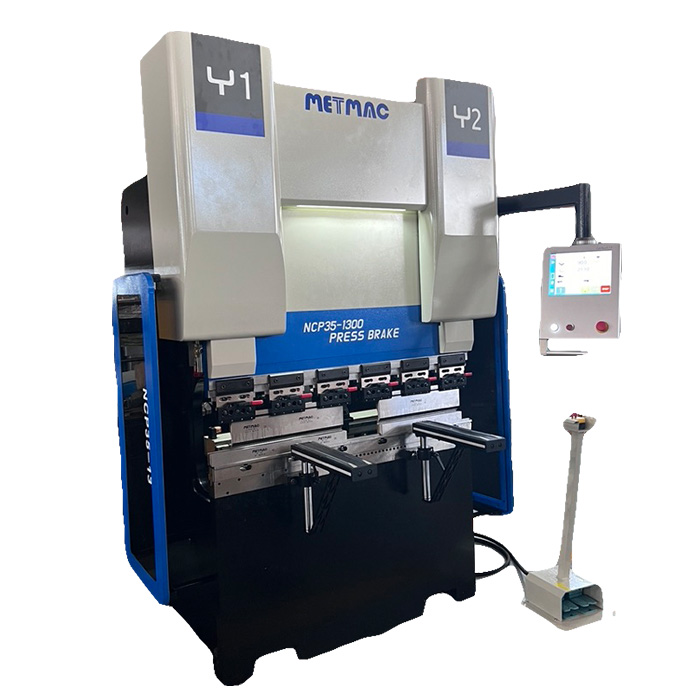
Press Metal Machine: The Definitive Guide to Precision Metal Forming
2026/03/12 -
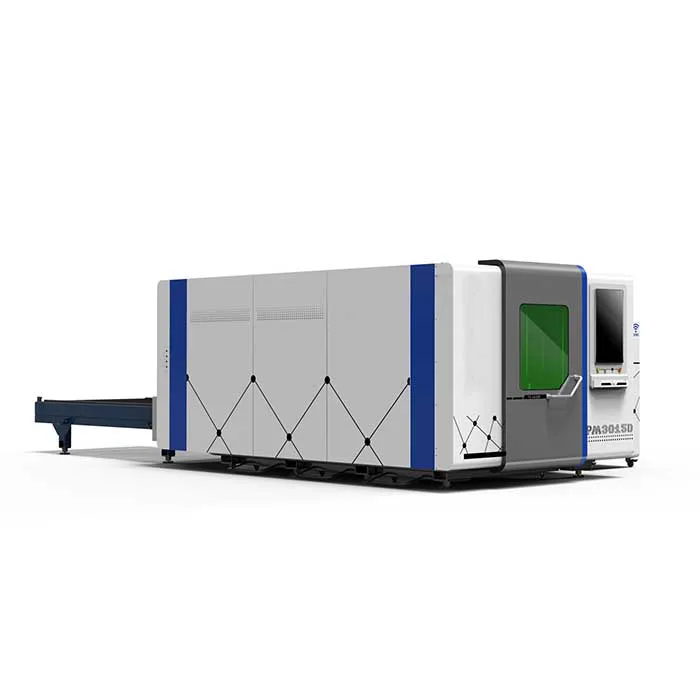
Metal Punching Machine: The Ultimate Guide to Precision Hole Punching
2026/03/10 -
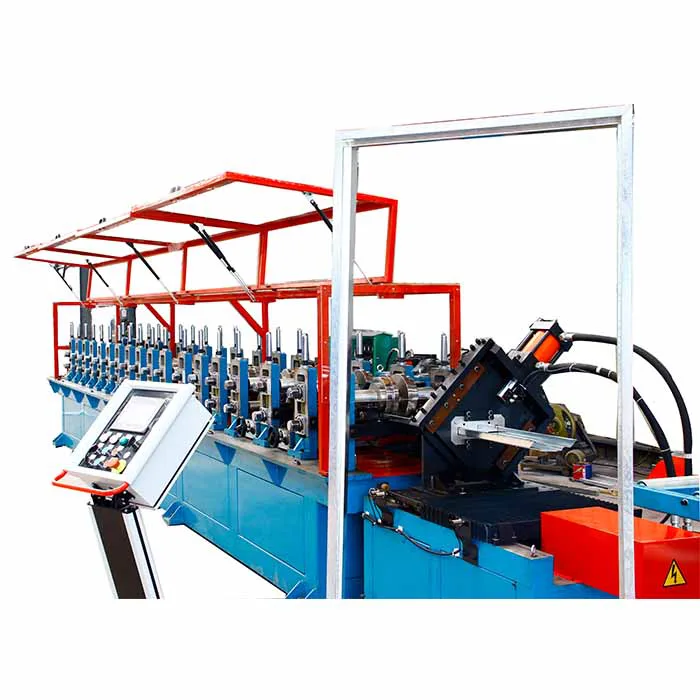
Sheet Metal Machinery: The Ultimate Guide to Industrial Fabrication Excellence
2026/03/04 -
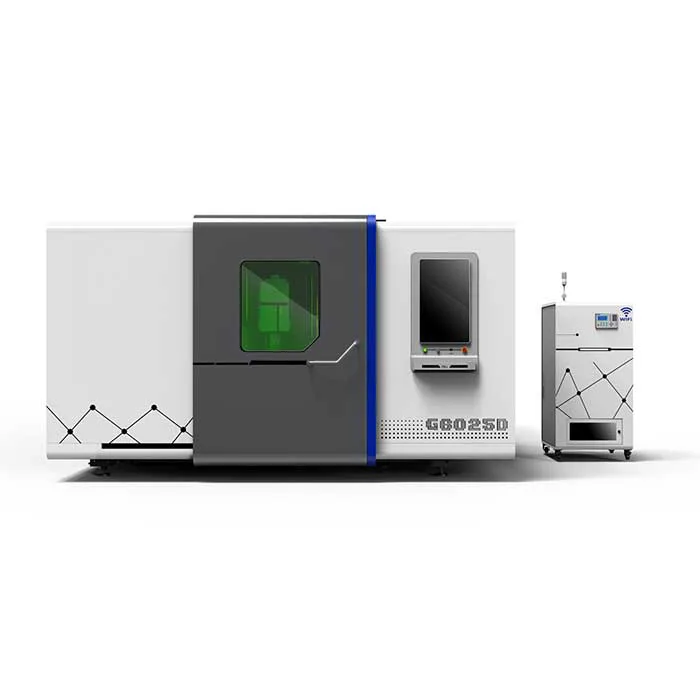
Iron Sheet Laser Cutting Machine: Unmatched Precision for Demanding Fabrication with METMAC
2026/01/06
-
Sheet Metal Press Brake: Ultimate Guide to Precision Bending Technology in 2024
2026/03/13 -
Metal Punching Machine: Ultimate Guide to Precision Manufacturing in 2024
2026/03/11 -
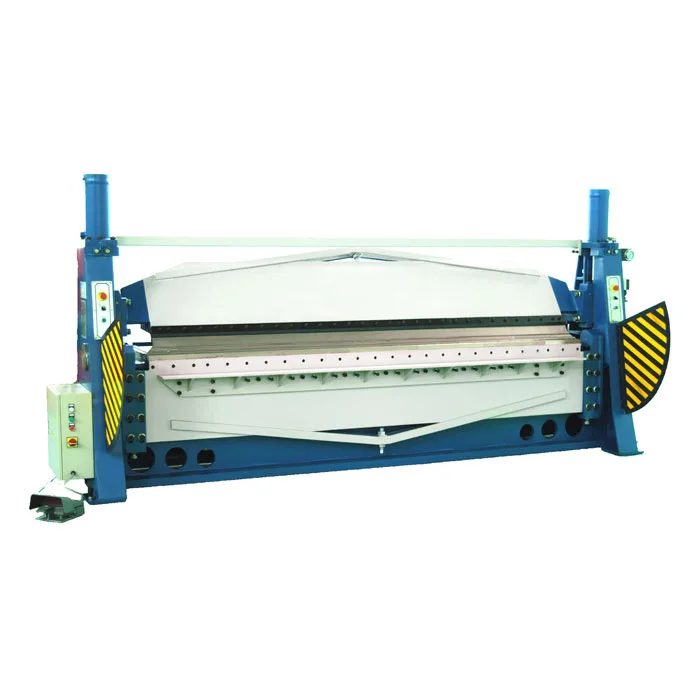
Metal Folding Machine: Comprehensive Guide to Precision Bending in 2024
2026/03/09 -
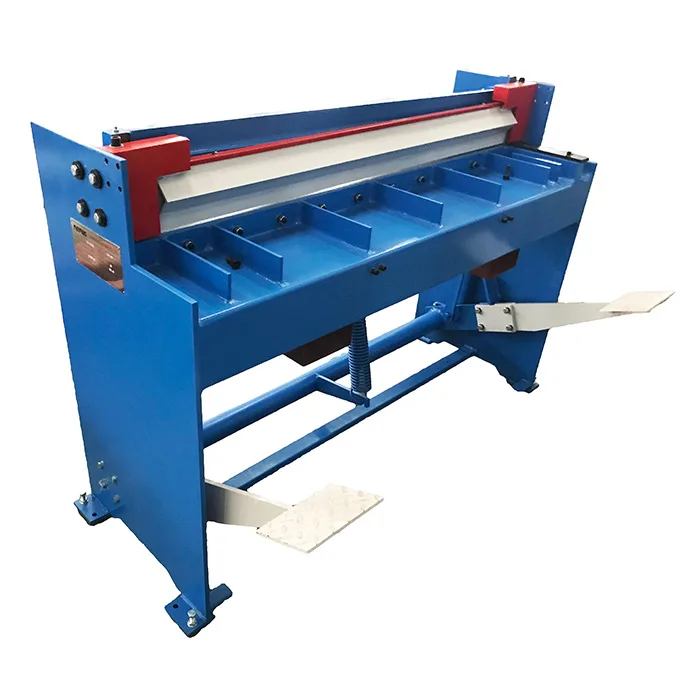
Sheet Metal Equipment: Ultimate Guide to Industrial Fabrication Solutions in 2026
2026/03/06
-
A Guide to the Latest Innovations in Sheet Metal Folding Machines
2024/11/29 -
Key Features to Consider When Investing in a Sheet Metal Folding Machine
2024/11/28 -
Enhancing Precision with Advanced Sheet Metal Folding Machines
2024/11/27 -
How to Choose the Right Sheet Metal Folding Machine for Your Workshop
2024/11/26
