


Common Challenges and Solutions When Using Plate Bender Machines
Plate bending machines are essential tools for fabricating a wide range of metal components used in various industries. However, operating these machines poses several common challenges that can affect productivity, accuracy, and safety. Understanding and addressing these challenges is crucial to optimize plate bending operations.
Warping
Causes
Warpage occurs when the bent plate deviates from its intended shape, resulting in an uneven or distorted surface. This is primarily caused by the uneven distribution of stress during the bending process, leading to uneven elongation of the plate’s material.
Solutions
Ensure proper die selection and alignment to distribute stress evenly.
Use a crowning tool to compensate for the natural springback effect of the material.
Perform multiple bending passes to reduce stress buildup.
Springback
Causes
Springback refers to the tendency of the bent plate to recoil slightly after bending, resulting in a smaller bending angle than intended. This is caused by the elastic nature of the material, which stores energy during bending and releases it upon release.
Solutions
Overbend the plate slightly to compensate for springback.
Use thicker material to reduce the amount of springback.
Employ annealing or heat treatment to soften the material and reduce its elasticity.
Cracking
Causes
Cracking can occur when the bending stress exceeds the material’s tensile strength, causing it to fracture. This is more likely to happen when bending hard or brittle materials, or when the bend radius is too small.
Solutions
Select a material with sufficient tensile strength for the required bend radius.
Employ appropriate heat treatment to improve ductility and reduce cracking.
Use a larger bend radius to minimize stress concentration.
Buckling
Causes
Buckling refers to the deformation of the plate’s surface during bending, resulting in wrinkles or folds. This occurs when the compressive stress on the inner surface of the bend exceeds the material’s compressive strength.
Solutions
Use a supporting tool or die to prevent the plate from buckling.
Increase the thickness of the plate to enhance its resistance to buckling.
Employ a smaller bend radius to reduce the compressive stress.
Safety Precautions
Electrical Hazards
Ensure proper electrical connections and grounding to prevent electrical shocks.
Keep the machine area clean and free of debris to avoid short circuits.
Mechanical Hazards
Wear appropriate protective gear, such as gloves, safety glasses, and earplugs.
Keep hands away from moving parts and the bending area.
Regularly inspect and maintain the machine to ensure its safe operation.
-
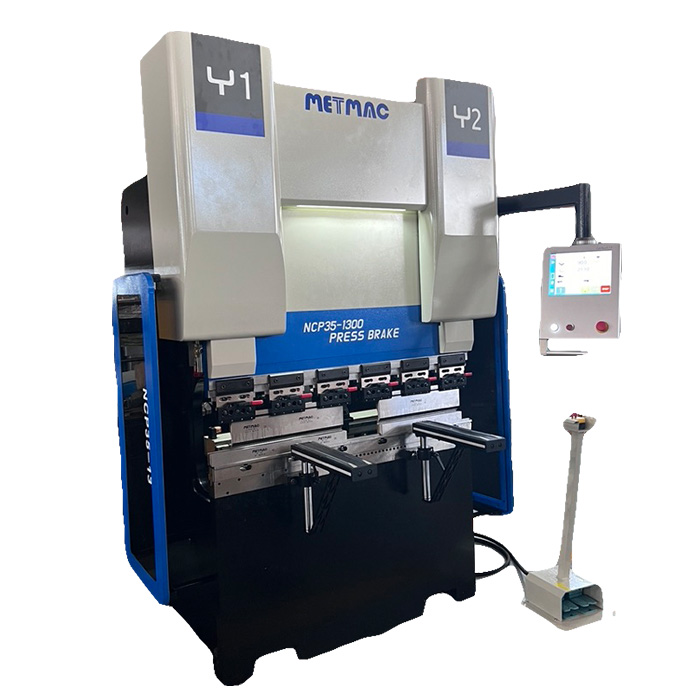
Press Metal Machine: The Definitive Guide to Precision Metal Forming
2026/03/12 -
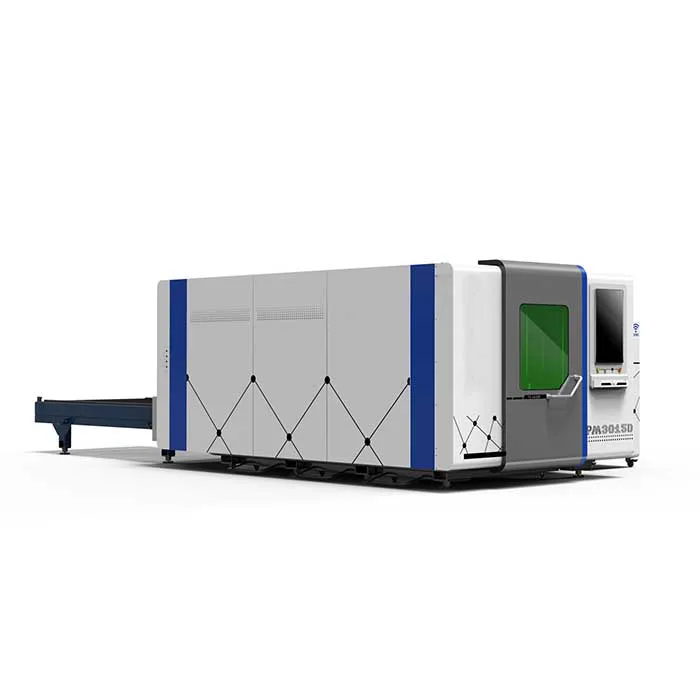
Metal Punching Machine: The Ultimate Guide to Precision Hole Punching
2026/03/10 -
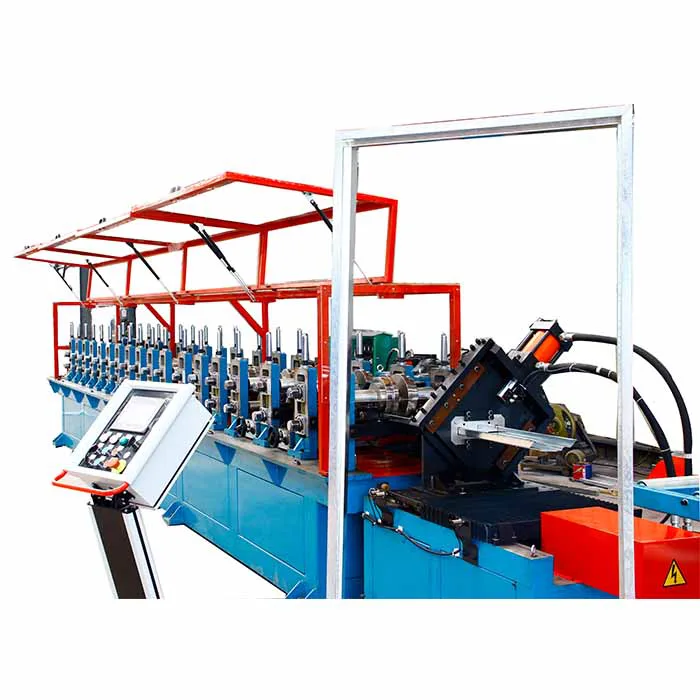
Sheet Metal Machinery: The Ultimate Guide to Industrial Fabrication Excellence
2026/03/04 -
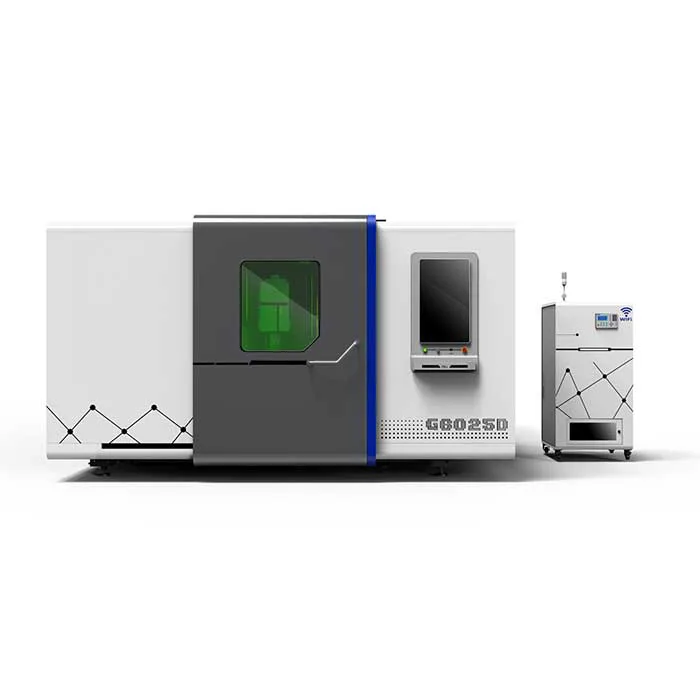
Iron Sheet Laser Cutting Machine: Unmatched Precision for Demanding Fabrication with METMAC
2026/01/06
-
Sheet Metal Press Brake: Ultimate Guide to Precision Bending Technology in 2024
2026/03/13 -
Metal Punching Machine: Ultimate Guide to Precision Manufacturing in 2024
2026/03/11 -
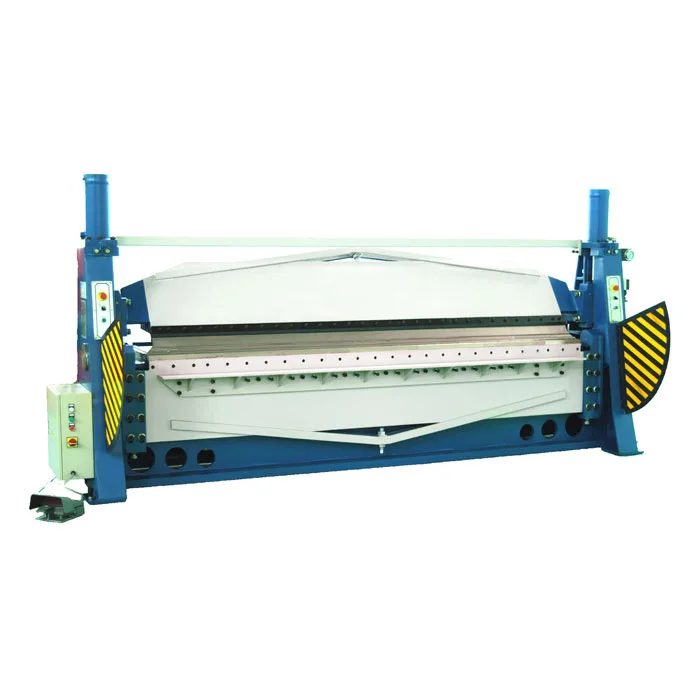
Metal Folding Machine: Comprehensive Guide to Precision Bending in 2024
2026/03/09 -
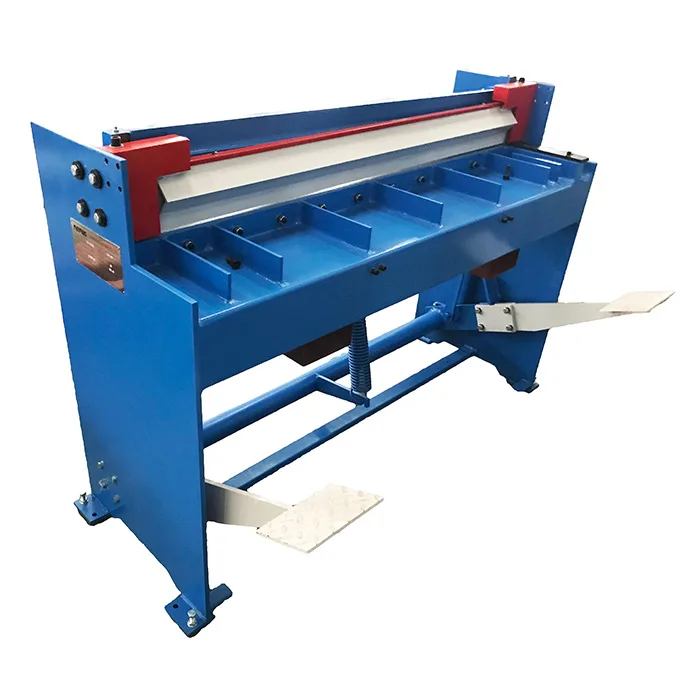
Sheet Metal Equipment: Ultimate Guide to Industrial Fabrication Solutions in 2026
2026/03/06
-
A Guide to the Latest Innovations in Sheet Metal Folding Machines
2024/11/29 -
Key Features to Consider When Investing in a Sheet Metal Folding Machine
2024/11/28 -
Enhancing Precision with Advanced Sheet Metal Folding Machines
2024/11/27 -
How to Choose the Right Sheet Metal Folding Machine for Your Workshop
2024/11/26
